What Parents Need to Know About Court-Ordered Psychological Evaluations
When a family goes through separation or divorce, the most important question the court must answer is:
What arrangement is in the best interest of the child?
In many custody and divorce cases, courts request or require a mental health assessment to better understand family dynamics, parental functioning, emotional stability, and the overall well-being of the child.
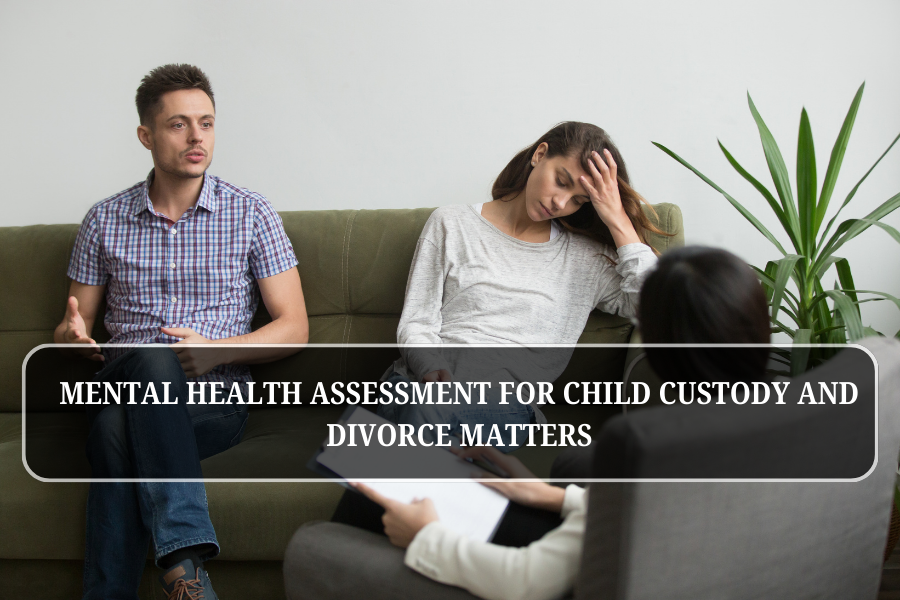
A Mental Health Assessment for child custody and divorce matters is a structured clinical evaluation that helps the court make informed decisions regarding parenting time, decision-making authority, and the child’s long-term emotional safety.
At AACS Counseling, we provide comprehensive, court-ready mental health assessments nationwide. Our services include:
- Virtual evaluations conducted from the comfort of your home
- Collateral interviews with relevant parties
- Multilingual services (Armenian, Arabic, French, English, Ewe, Hindi, Pulaar, and Tagalog)
- Affordable rates
- In-house financing options
- Joint Commission accreditation
- Over 30 years of experience in the field
This guide will walk you through:
- What a mental health assessment involves
- Why courts request these evaluations
- How collateral interviews work
- What parents can expect
- How virtual assessments are conducted
- How AACS Counseling ensures quality, neutrality, and professionalism
What Is a Mental Health Assessment in a Custody Case?
A mental health assessment in child custody or divorce matters is a clinical evaluation conducted by a qualified mental health professional to assess:
- Emotional stability
- Psychological functioning
- Parenting capacity
- Risk factors
- Family dynamics
- Impact of parental conflict on children
The goal is not to “choose a winner” between parents. Instead, the purpose is to provide objective clinical insight that assists the court in making child-centered decisions.
Why Courts Order Mental Health Assessments in Divorce and Custody Cases
Judges may request a mental health evaluation when:
- There are allegations of emotional instability
- There are claims of parental alienation
- Substance use is suspected
- Domestic conflict is ongoing
- A child displays behavioral changes
- One parent raises concerns about the other’s psychological functioning
- A high-conflict divorce is impacting the child
Courts are guided by the best interests of the child standard, which includes consideration of a child’s emotional and psychological well-being.
What Does a Child Custody Mental Health Evaluation Assess?
A thorough mental health assessment may evaluate:
1. Parental Emotional Stability
- Ability to regulate emotions
- Stress tolerance
- Coping skills
- Anger management
2. Parenting Capacity
- Understanding of child development
- Ability to meet emotional needs
- Discipline style
- Communication with the child
3. Parent-Child Relationship
- Attachment patterns
- Bonding
- Responsiveness
- Emotional availability
4. Co-Parenting Dynamics
- Ability to communicate
- Conflict management
- Willingness to support the child’s relationship with the other parent
5. Mental Health History
- Anxiety, depression, trauma
- Past treatment
- Current symptoms
The Role of Collateral Interviews in Custody Mental Health Assessments
One important component of custody-related mental health evaluations is the use of collateral interviews.
Collateral interviews involve speaking with:
- Teachers
- Therapists
- Pediatricians
- Extended family members
- Childcare providers
- Other relevant individuals
Collateral information helps:
- Corroborate reported behaviors
- Provide additional context
- Clarify inconsistencies
- Strengthen the credibility of findings
At AACS Counseling, collateral interviews are conducted professionally and respectfully, ensuring confidentiality and neutrality.
Virtual Mental Health Assessments: How They Work
Modern technology allows comprehensive mental health assessments to be conducted virtually.
Our secure telehealth platform allows parents and families to participate from the comfort of their homes.
Benefits of virtual custody evaluations include:
- Reduced travel stress
- Flexible scheduling
- Increased accessibility
- Privacy and comfort
- Faster appointment availability
Virtual assessments follow the same structured process as in-person evaluations.
What to Expect During the Evaluation Process
A comprehensive mental health assessment typically includes:
Step 1: Initial Intake
Collection of court documents and referral information.
Step 2: Clinical Interviews
Individual interviews with each parent.
Step 3: Child Interviews (if appropriate)
Age-appropriate discussions with the child.
Step 4: Psychological Testing (if indicated)
Standardized measures to assess personality and functioning.
Step 5: Collateral Interviews
Gathering additional information from relevant parties.
Step 6: Report Preparation
A structured, professional report summarizing findings and recommendations.
Joint Commission Accreditation: Why It Matters
AACS Counseling is accredited by the Joint Commission, which reflects:
- Adherence to high clinical standards
- Ethical practices
- Quality assurance
- Professional accountability
Accreditation enhances credibility and reliability in legal matters.
Multilingual Mental Health Assessment Services
Child custody matters often involve diverse families.
We offer services in:
- Armenian
- Arabic
- French
- English
- Ewe
- Hindi
- Spanish
- Pulaar
- Tagalog
Language accessibility ensures:
- Accurate communication
- Cultural sensitivity
- Reduced misunderstanding
- Fair representation
The Importance of Cultural Competence in Custody Evaluations
Culture influences:
- Parenting styles
- Family roles
- Communication patterns
- Expectations regarding children
Our multilingual and culturally informed services support fair assessments.
Common Misconceptions About Custody Mental Health Evaluations
“The evaluator will take sides.”
No. Evaluators remain neutral.
“If I have anxiety or depression, I will lose custody.”
Not necessarily. Many individuals with managed mental health conditions are effective parents.
“Virtual assessments are less thorough.”
Not true. Structured telehealth evaluations meet professional standards.
What Does the Final Report Include?
A professional custody mental health assessment report includes:
- Referral reason
- Background history
- Clinical findings
- Observations
- Psychological impressions
- Analysis of parenting capacity
- Consideration of the child’s needs
- Recommendations (if requested)
Reports are prepared with clarity and professionalism.
Affordable Rates and In-House Financing
Legal proceedings can be expensive.
We provide:
- Transparent pricing
- Affordable rates
- In-house financing options
- No hidden fees
Financial stress should not prevent access to quality evaluation services.
Over 30 Years of Experience in Mental Health and Court-Related Evaluations
Our evaluators bring:
- Three decades of experience
- Courtroom familiarity
- Knowledge of legal standards
- Understanding of family systems
- Clinical expertise
Experience matters in high-stakes custody matters.

Why Timeliness Is Critical in Custody Cases
Custody decisions often depend on:
- Court deadlines
- Temporary orders
- Emergency hearings
- Mediation schedules
We provide timely scheduling and efficient report turnaround.
Protecting the Emotional Well-Being of the Child
At the heart of every custody mental health assessment is one priority:
The child’s well-being.
Our approach emphasizes:
- Stability
- Safety
- Emotional health
- Developmental needs
- Long-term family functioning
When Should You Seek a Mental Health Assessment?
You may need a mental health evaluation if:
- The court orders it
- Your attorney recommends it
- Allegations have been raised
- Mediation requires documentation
- A parenting plan dispute exists
Preparing for Your Mental Health Assessment
- Provide accurate information
- Submit the requested documentation
- Remain cooperative
- Be honest about concerns
- Ask clarifying questions
Honesty and openness support accurate conclusions.
Frequently Asked Questions
How long does the assessment take?
60-90 minutes
Are both parents evaluated?
Depending on the referral.
Will the child be interviewed?
If age-appropriate and court-approved.
Are reports confidential?
Reports are shared per court or attorney instructions.
Why Choose AACS Counseling for Your Custody Mental Health Assessment?
- Joint Commission Accredited
- Over 30 years of experience
- Nationwide virtual services
- Collateral interviews included
- Multilingual services
- Affordable rates
- In-house financing
- Professional, court-ready reports
We are committed to providing objective, thorough, and culturally competent mental health assessments for child custody and divorce matters.
Schedule Your Mental Health Assessment Today
If you need a:
- Child custody mental health evaluation
- Divorce Mental Health Assessment
- Court-ordered mental health evaluation
- Parenting capacity assessment
- Virtual custody evaluation
Contact AACS Counseling today.
800-683-7745
info@aacscounseling.com
Virtual services available nationwide.
Multilingual support.
Affordable rates with financing options.
Professional and timely assessments.