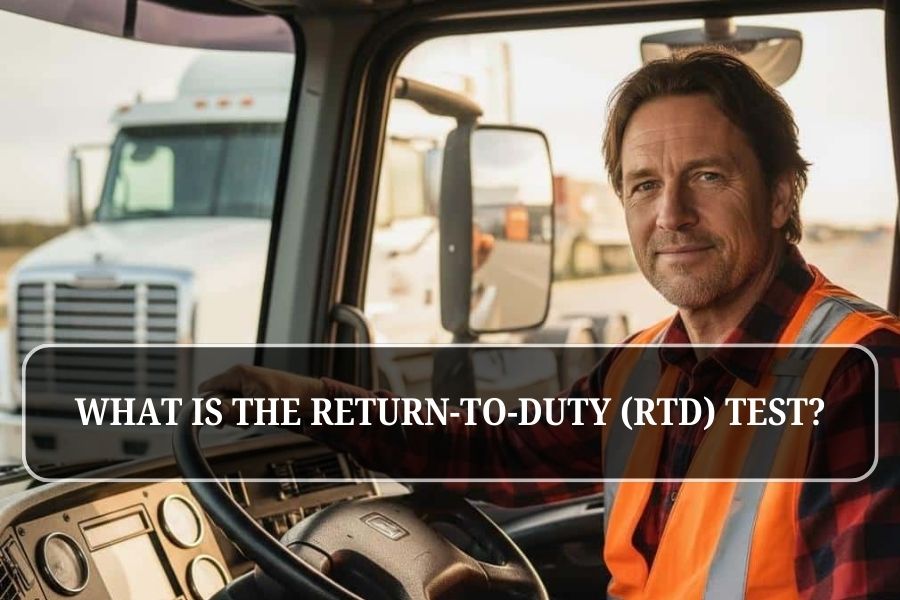
Passing your Return-to-Duty (RTD) test brings huge relief. This accomplishment is worth celebrating because it marks one step closer to getting back on the road. Although you’ve finished the first part of the DOT SAP process, your journey does not end here. The RTD test acts as a doorway, letting you leave the “Prohibited” status. However, the Follow-Up testing plan acts as a microscope, watching your progress much more closely for the months and years to come.
Simply put, understanding the difference between a Return-to-Duty test and a Follow-Up testing plan is crucial for keeping your career on track. So, let’s clarify what makes these two parts of the DOT SAP process so different.
What Is the Return-to-Duty (RTD) Test?
First, the RTD test takes place only once. After you complete any programs or education required by your Substance Abuse Professional (SAP), your SAP tells your employer that you are ready for this test. Most importantly, you take the RTD test at a scheduled time and under direct observation.
If you test negative, your employer will update your FMCSA Clearinghouse status from “Prohibited” to “Not Prohibited.” This step allows you to work in safety-sensitive jobs again. In summary, the RTD test gives you the green light, but it’s just the beginning of the post-SAP testing journey.
What Is the Follow-Up Testing Plan?
After passing your RTD test, you enter the Follow-Up testing phase. Under DOT regulation 49 CFR 40.307, your SAP creates this plan just for you. Unlike the RTD test, this phase involves a series of surprise tests. Your SAP will order at least six unannounced, directly observed drug/alcohol tests during your first year back.
Remember, these tests come at any time. You might have more than six if your SAP decides you need extra monitoring. Because you cannot predict these tests, you must always be ready.
How Long Does the Follow-Up Plan Last?
Usually, the first 12 months involve the highest number of tests. However, your SAP can set a plan to last up to 60 months (five years), based on what they believe is best for public safety and your well-being. As a result, you might have regular Follow-Up tests for several years after you return to duty.
Staying Compliant Under the “Microscope”
Follow-Up tests under your SAP’s plan are not the only tests you could face. In fact, they add to your employer’s regular random testing. That means you might receive a random company test and then get called for a Follow-Up test at any time. Because these tests always happen without warning and require direct observation, you cannot let your guard down.
Transitioning from Return-to-Duty test vs Follow-up testing may seem overwhelming. However, understanding these requirements will help you stay alert and keep your FMCSA Clearinghouse status healthy. If you focus on following your plan, you protect your career and help ensure safety for everyone on the road.
Disclaimer: This information is for educational purposes only and does not constitute legal advice or professional consulting. Regulations under 49 CFR Part 40 are subject to change. For specific guidance regarding your return-to-duty process, consult with your qualified Substance Abuse Professional (SAP) or legal counsel.