August 2025 - Page 3 of 5 - AACS Counseling

DOT SAP Program Near Me: Nationwide SAP Evaluations in All 50 States (2025 Guide)

Introduction

When CDL drivers fail or refuse a DOT drug or alcohol test, the first thing they search is: DOT SAP Program near me.” Finding a reliable, DOT-qualified Substance Abuse Professional (SAP) nearby is crucial to getting back on the road.

At AACS Counseling, we make it simple by offering nationwide SAP evaluations across all 50 states and every major city in the U.S. With telehealth and in-person options, you don’t need to wait weeks to find a local provider—help is always near you.

Why “DOT SAP Program Near Me” Searches Matter

Google prioritizes local intent when drivers search for SAP services. But not every city has DOT-qualified providers nearby. That’s why AACS Counseling fills the gap by offering:

  • Telehealth SAP evaluations accepted by FMCSA and DOT
  • In-person sessions where available
  • Nationwide coverage with providers licensed to practice across multiple states

This means whether you’re in a small town in Kansas or a big city like Chicago, you always have a “DOT SAP near me.”

Cities and States We Serve

We proudly serve all 50 states with SAP evaluations, including major hubs where CDL drivers frequently search for “SAP near me”:

East Coast Cities

  • New York, NY
  • Philadelphia, PA
  • Boston, MA
  • Washington, D.C.
  • Atlanta, GA

Midwest Cities

  • Chicago, IL
  • Detroit, MI
  • Columbus, OH
  • Minneapolis, MN
  • St. Louis, MO

South & Central Cities

  • Dallas, TX
  • Houston, TX
  • Nashville, TN
  • Miami, FL
  • Charlotte, NC

West Coast Cities

  • Los Angeles, CA
  • San Francisco, CA
  • Seattle, WA
  • Phoenix, AZ
  • Denver, CO

No matter your location, simply search “DOT SAP Program near me” and you’ll find AACS Counseling ready to assist.

How the DOT SAP Program Works

Whether you’re local or remote, the process is the same:

Initial Evaluation – Meet with a DOT-qualified SAP (telehealth or in-person)

Treatment or Education – Complete your SAP’s recommendations

Follow-Up Evaluation – Verify compliance with your SAP

Return-to-Duty Test – Take and pass a DOT RTD drug/alcohol test

Follow-Up Testing Plan – Stay compliant with ongoing monitoring (up to 5 years)

Telehealth: Making “Near Me” Truly Nationwide

One of the biggest challenges drivers face is availability of SAP providers in smaller cities. With telehealth SAP evaluations, you can:

  • Connect with a licensed, DOT-qualified SAP from anywhere
  • Avoid long wait times in your area
  • Start the process immediately without travel delays

This ensures that even if there’s no SAP office near you, help is just a phone call or video session away.

Why Choose AACS Counseling for SAP Evaluations?

  • Nationwide Coverage: Serving CDL drivers in all 50 states
  • Telehealth Options: Fully DOT-approved virtual sessions
  • Fast Scheduling: Appointments available within days, not weeks
  • Affordable Rates: Evaluations starting at $300
  • Trusted Experience: DOT-qualified SAPs with years of expertise

Frequently Asked Questions (FAQs)

1. How do I find a DOT SAP Program near me?

Search for DOT-qualified SAP providers in your city or state—or connect with AACS Counseling for nationwide telehealth coverage.

2. Are telehealth SAP evaluations accepted by the DOT?

Yes. As of 2025, telehealth SAP evaluations are fully accepted by DOT and FMCSA.

3. What if there are no SAP providers in my city?

No problem—our virtual evaluations ensure you still have access, no matter where you live.

4. How much does a SAP evaluation cost?

Most evaluations range from $300–$600, depending on provider and state.

5. Can employers check if I completed the SAP program?

Yes. All results are recorded in the FMCSA Clearinghouse, which employers must check before hiring.

SAP Evaluation Services | Return-to-Duty Process

FMCSA Clearinghouse | DOT Regulations Part 40

Image Suggestions with Alt Text

  1. Image: Truck driver searching on phone for SAP program
    Alt Text: Image: U.S. map with highlighted major cities
    Alt Text: Nationwide DOT SAP program coverage across 50 states
  2. Image: Driver on video call with counselor
    Alt Text: CDL driver completing DOT SAP evaluation via telehealth

Conclusion

When CDL drivers search DOT SAP Program near me,” they need fast, reliable, and DOT-compliant solutions. At AACS Counseling, we bring the SAP program to you—whether you’re in New York, Dallas, Los Angeles, or a small town in the Midwest. With nationwide coverage, telehealth evaluations, and affordable rates, help is always within reach.

📞 Contact AACS Counseling today to schedule your DOT SAP evaluation—because no matter where you are, we’re always near you.


How Long Does a Mental Health Evaluation Take? Process Explained

Whether required for court, employment, or personal treatment, a mental health evaluation can feel overwhelming. One of the first questions people ask is:

👉 How long does a court mental health assessment take?
👉 Or, more generally, what’s the timeline for the full psychological assessment process?

This guide breaks down everything you need to know—from start to finish—about the mental health evaluation process, how long it usually takes, and what factors may speed it up or slow it down.

What Is a Mental Health Evaluation?

A mental health evaluation is a structured assessment conducted by a licensed professional such as a psychologist, psychiatrist, or clinical social worker.

It helps determine:

  • Your emotional well-being
  • Possible mental health diagnoses
  • Cognitive abilities
  • Treatment needs
  • These evaluations may be required for:
  • Court proceedings
  • Employment screenings
  • Disability claims
  • Medical or therapy recommendations

How Long Does the Process Usually Take?

The time needed depends on the type of evaluation. Here’s a general breakdown:

Type of EvaluationEstimated Time
Basic outpatient mental health screening30–60 minutes
Full psychological evaluation2–4 hours (over 1–2 days)
Court-ordered mental health assessment2–6 hours (spread over 1–3 days)
Neuropsychological testing6–10 hours (multiple sessions)

👉 Answering the big question: How long does a court mental health assessment take?
Most court-ordered evaluations take 1–3 days, including interviews, record reviews, and sometimes testing.

What Happens During the Evaluation?

A typical evaluation follows these steps:

1. Intake Interview

  • Covers personal history, lifestyle, symptoms, and concerns
  • May include questions about work, sleep, mood, and relationships

2. Behavioral Observations

  • Evaluator notes body language, speech, and emotional responses

3. Standardized Testing (if required)

  • Personality assessments (MMPI), IQ tests, or clinical scales

4. Collateral Interviews (Court Cases Only)

  • May involve family members, attorneys, or healthcare providers

5. Report Writing

  • The evaluator analyzes findings and prepares a written report
  • This can take 3–10 business days, depending on complexity

What Factors Affect the Timeline?

Several factors influence the mental health evaluation process length:

  • Reason for evaluation (court vs. personal)
  • Number of sessions required
  • Availability of medical records or third-party input
  • Evaluator’s schedule
  • Need for specialized testing

👉 Court-ordered assessments usually take longer since they must meet legal standards and include more documentation.

How Soon Will You Get the Report?

  • Basic evaluations: 3–5 business days
  • Comprehensive court assessments: 7–14 business days
  • Neuropsychological reports: Up to 3 weeks

Always confirm with your evaluator, as timelines vary by case.

Quick Tips to Prepare for a Mental Health Evaluation

  • ✅ Be open and honest – evaluators are here to help, not judge
  • ✅ Bring relevant medical or legal records
  • ✅ Arrive well-rested, especially if memory or attention tests are included
  • ✅ Ask questions if you’re unsure about any part of the process

Final Thoughts

Understanding the mental health evaluation process—and how long it takes—can ease anxiety and help you prepare with confidence.

Whether your assessment is court-ordered or self-initiated, knowing the timeline allows you to stay informed and on track.

👉 If you’re ready to schedule an evaluation, we offer affordable virtual assessments with licensed professionals across the U.S.

Out-of-State DUI Clinical Evaluations: How to Complete Them Remotely in 2025

If you’ve been charged with a DUI in another state, you may be wondering how to complete the required DUI clinical program without traveling back for court. The good news? Out-of-state DUI clinical evaluations can now be completed remotely through court-accepted virtual DUI programs.

Whether you’re a commercial driver, college student, or traveler dealing with legal complications, this guide explains how to complete your substance use assessment and DUI requirements legally, affordably, and from the comfort of your home.

Who Needs a Remote DUI Evaluation?

A virtual DUI program may be right for you if:

  • You were arrested for DUI in another state.
  • You returned to your home state but still need to finish court-mandated treatment.
  • You cannot travel due to work, cost, or personal reasons.
  • You need an online alcohol or drug evaluation accepted by an out-of-state court.

What Is a Virtual DUI Clinical Program?

A virtual DUI clinical program is a telehealth-based alcohol or drug evaluation conducted by a licensed counselor or Substance Abuse Professional (SAP). The evaluation is designed to:

  • Assess substance use habits.
  • Recommend treatment if needed.
  • Fulfill state court requirements for DUI cases.

These evaluations are legally valid, as long as the provider is licensed in the arresting state or is recognized by the court.

Will Courts Accept Online DUI Evaluations?

Yes — many courts and DMVs across the U.S. now accept remote DUI evaluations, especially when travel creates a burden. To ensure approval, the provider must:

  • Be licensed or certified in the DUI-origin state.
  • Provide a signed, court-approved evaluation report.
  • Understand state-specific documentation (ADSAP, ASAM, Level I or II, etc.).

👉 Our clinicians are licensed to provide DUI evaluations in Georgia, Florida, Texas, California, New York, and more.

Benefits of Completing Your DUI Program Remotely

Here’s why many non-residents choose virtual DUI evaluations:

  • No Travel Costs – Save on flights, hotels, and long drives.
  • Court-Approved Documentation – Meet exact state court requirements.
  • Fast Turnaround – Get reports within 24 hours in some cases.
  • Privacy – Complete your evaluation from a secure location.
  • Anywhere Access – All you need is internet and a webcam.

CDL Drivers: Why Acting Quickly Matters

If you hold a CDL license, a DUI—even in another state—can affect your FMCSA Clearinghouse status. Completing your clinical evaluation promptly helps you:

  • Begin the Return-to-Duty process.
  • Avoid CDL reinstatement delays.
  • Stay compliant with DISA or DOT SAP protocols.

Is It Affordable?

Yes. Many providers offer:

  • Low-cost DUI evaluations.
  • Flat-fee pricing with no hidden costs.
  • Payment plans or installment options.
  • Virtual consultations starting under $200.

What Documents Will You Receive?

After completing your virtual evaluation, you’ll get:

  • ✅ Official Clinical Evaluation Report.
  • ✅ Treatment recommendations, if required.
  • ✅ Proof of completion for court or DMV.
  • ✅ Access to follow-up sessions if mandated.

We also work directly with your attorney or court staff to ensure compliance.

States We Commonly Serve

Our licensed team has helped clients across all 50 states resolve DUI obligations for charges in:

  • Georgia
  • Florida
  • California
  • Texas
  • North Carolina
  • Illinois
  • South Carolina
    …and more.

Ready to Begin?

If you want to meet your out-of-state DUI program requirements without costly travel, our licensed professionals can help. We provide:

📩 Contact Us Today
Visit aacscounseling.com or email info@aacscounseling.com to schedule your virtual DUI evaluation.

SAP Evaluations vs. Substance Abuse Treatment (The Difference)

Facing a Department of Transportation (DOT) drug or alcohol violation is stressful enough without the added confusion of complex terminology. If you’ve recently failed a drug test or refused one, you’re likely frantically searching for answers on how to get back to work. You see terms like “SAP Evaluation,” “Treatment,” “Education,” and “Rehab” thrown around, often interchangeably. This leads to a common, panic-inducing question: “Do I have to go to rehab?”

The short answer is: Not necessarily.

There is a massive difference between a Substance Abuse Professional (SAP) evaluation and actual substance abuse treatment. Understanding this distinction can save you time, money, and a lot of anxiety. This guide will clarify the role of the SAP, explain the difference between education and treatment, and help you understand what lies ahead in your Return-to-Duty process.

The Role of the SAP: Evaluator, Not Treatment Provider

First, let’s clear up the biggest misconception. A Substance Abuse Professional (SAP) is not a rehab center. They are not necessarily the person who will provide you with counseling or therapy. Think of a SAP as a gatekeeper or a case manager for the DOT’s safety regulations.

When you commit a violation, federal regulations require you to undergo an initial evaluation with a qualified SAP. This professional’s primary job is to assess you. They are trained to evaluate employees who have violated DOT drug and alcohol regulations and make recommendations concerning education, treatment, follow-up testing, and aftercare.

The “Judge” of Your Case

You can think of the SAP as the judge in your return-to-work case. They don’t provide the “sentence” (the treatment or education) themselves; instead, they determine what that sentence should be based on their clinical evaluation of your specific situation.

Federal law prohibits a SAP from referring you to a treatment provider in which they have a financial interest, except in specific public agency circumstances. This rule exists to prevent conflicts of interest. The SAP is there to protect public safety, not to upsell you on an expensive 30-day inpatient rehab program if you don’t actually need it.

So, when you book a “SAP Evaluation,” you are booking an assessment interview. You are not checking yourself into a clinic.

The Two Paths: Education vs. Treatment

Once the SAP evaluates you, they will prescribe a plan that you must successfully complete before you can be considered for a return to duty. This is where the confusion about “rehab” often stems from. The SAP has two main levers they can pull: Education and Treatment.

Path 1: Education (Level 1)

This is the outcome every driver hopes for. If the SAP determines—based on clinical tools, your history, and the interview—that you do not have a severe substance abuse disorder or addiction, they may recommend an “Education” plan.

What is it?
Education usually involves attending a set number of hours of drug and alcohol education classes. These can often be completed relatively quickly. The goal is to ensure you understand the rules, the risks of substance use, and the consequences of future violations.

Why is it better?

  • Cost: Education programs are significantly cheaper than treatment programs.
  • Time: You can often complete education requirements in a matter of days or weeks, whereas treatment can take months.
  • Intensity: It is less invasive than therapy or inpatient care.

Many drivers assume that a failed test automatically means they are labeled an addict and forced into rehab. That is false. If your violation was a one-time lapse in judgment and you do not show signs of dependency, an education-only recommendation is a very real possibility.

Path 2: Treatment (Level 2)

If the SAP’s evaluation indicates a more serious issue with drugs or alcohol, they are ethically and legally bound to recommend “Treatment.”

What is it?
Treatment is more intensive. It can range from outpatient counseling sessions to intensive outpatient programs (IOP) or, in severe cases, inpatient residential rehabilitation.

When is it required?
This path is chosen when the SAP believes that education alone is insufficient to ensure public safety. If there are signs of addiction, dependency, or a pattern of abuse, the SAP will require treatment to address the root cause of the behavior.

It is important to note that even if “Treatment” is recommended, it doesn’t automatically mean 30 days of inpatient rehab. It might mean attending weekly counseling sessions or support group meetings (like AA or NA) while you continue to live at home. The level of care is matched to the severity of the problem.

Why You Can’t “Shop” for a Diagnosis

A common mistake drivers make is trying to find a SAP who will “go easy” on them or promise an Education recommendation over the phone. This is impossible and unethical.

A SAP cannot tell you whether you need education or treatment until they have completed the face-to-face (or approved remote) evaluation. They need to gather a complete history, potentially speak with collateral contacts (like family or past employers), and use standardized clinical testing tools.

Furthermore, once you start the process with a SAP, you cannot simply switch to a different one because you didn’t like their recommendation. DOT regulations prevent “SAP shopping.” Once a SAP has made a recommendation, that recommendation stands. You must complete the prescribed plan with that SAP (or a valid transfer) to move forward. Attempting to restart with a new SAP to get a “better” result is a violation of the process and will stall your return to work indefinitely.

The Return-to-Duty Process in a Nutshell

To help visualize where the evaluation fits in, here is the simplified timeline:

  1. Violation Occurs: You fail a test or refuse one.
  2. Stand Down: You are immediately removed from safety-sensitive functions.
  3. Find a SAP: You search for and select a qualified Substance Abuse Professional.
  4. The Initial Evaluation: The SAP interviews you and determines if you need Education or Treatment.
  5. Complete the Plan: You attend the class (Education) or the counseling (Treatment).
  6. Follow-Up Evaluation: You return to the SAP. They verify that you have successfully complied with their recommendation.
  7. Clearance: The SAP issues a report stating you are eligible for a Return-to-Duty test.
  8. The Test: You take a directly observed drug/alcohol test. A negative result gets you back on the road.

Don’t Panic—Get Evaluated

If you are reading this because you have a violation, take a deep breath. You do not necessarily have a long stint in rehab ahead of you.

The SAP evaluation is a diagnostic tool, not a punishment. It is designed to filter drivers based on risk. While the DOT has zero tolerance for drug and alcohol use on the job, the Return-to-Duty process is built on the belief that people can recover and return to work safely.

Your first step isn’t to look for a rehab center; it’s to find a qualified SAP. They are the ones holding the map. Whether your journey back involves a short educational course or a more in-depth treatment plan, the only way to find out—and the only way back to the driver’s seat—is to schedule that evaluation.

Understanding the difference between the evaluator (the SAP) and the treatment puts you in control of the facts. You aren’t signing away your life; you are taking the federally mandated step to prove you are safe to drive again.

Immigration Hardship Waiver Evaluation: What You Need to Know in 2025

If you or a loved one is facing immigration challenges, you may have heard of an Low cost immigration Hardship Waiver Evaluation. This professional assessment can make the difference between a successful and denied waiver application.

The U.S. Citizenship and Immigration Services (USCIS) requires clear evidence of “extreme hardship” when applying for certain waivers, such as the I-601 Hardship Waiver. A psychological or clinical evaluation conducted by a licensed professional can provide powerful documentation to support your case.

In this guide, we’ll explain what an immigration hardship waiver evaluation is, why it matters, what it includes, and how to prepare.

What Is an Immigration Hardship Waiver Evaluation?

An immigration hardship waiver evaluation is a psychological or psychosocial assessment performed by a licensed mental health professional. The purpose is to document how deportation, removal, or separation from a family member would cause extreme hardship to a U.S. citizen or lawful permanent resident.

This evaluation is usually part of an application for:

  • I-601 Waiver (Application for Waiver of Grounds of Inadmissibility)
  • I-601A Waiver (Provisional Unlawful Presence Waiver)

Why Is This Evaluation Important?

USCIS does not grant waivers lightly. Applicants must prove that their U.S. citizen or permanent resident family member would suffer significant consequences if the waiver is denied.

An evaluation helps:

  • Provide objective, professional evidence of emotional, psychological, medical, financial, or cultural hardship.
  • Strengthen the legal argument prepared by your immigration attorney.
  • Increase the chances of approval by demonstrating the seriousness of the hardship.

What Does the Evaluation Include?

A professional immigration hardship waiver evaluation typically covers:

  1. Clinical Interview – Discussion of family background, immigration history, and current stressors.
  2. Psychological Testing (if needed) – To measure anxiety, depression, or trauma symptoms.
  3. Impact of Separation – How removal would affect mental health, family stability, and financial security.
  4. Medical Considerations – Existing health conditions worsened by separation.
  5. Cultural and Social Factors – Risks of relocating to another country (violence, lack of treatment, economic instability).
  6. Final Report – A detailed written evaluation submitted to USCIS as part of your application.

Who Needs an Immigration Hardship Waiver Evaluation?

You may need this evaluation if you or a loved one is:

  • Applying for a 601 or 601A waiver.
  • Facing possible deportation or removal.
  • Married to, or the parent of, a U.S. citizen or permanent resident.
  • Seeking to prove extreme emotional, medical, or financial hardship for a qualifying relative.

How to Prepare for Your Evaluation

  1. Gather Documents – Medical records, financial statements, school records, and any evidence of hardship.
  2. Be Honest – Share personal details openly; evaluations must be genuine.
  3. Work With Your Attorney – Coordinate with your immigration lawyer so the evaluation supports your legal argument.
  4. Choose an Experienced Provider – Not all clinicians are familiar with immigration standards; select one with a proven track record.

FAQs About Immigration Hardship Waiver Evaluations

Q: Who performs the evaluation?
A licensed mental health professional, such as a psychologist, clinical social worker, or counselor.

Q: How long does the process take?
Most evaluations require 1–2 clinical sessions, plus time for the written report (usually 1–2 weeks).

Q: Is the evaluation guaranteed to get my waiver approved?
No — but it significantly strengthens your case by providing objective, professional documentation of hardship.

Q: Can it be done virtually?
Yes. Many providers, including AACS Counseling, offer telehealth immigration hardship waiver evaluations.

Conclusion

An Immigration Hardship Waiver Evaluation can be the deciding factor in whether your waiver is approved. By documenting emotional, medical, financial, and cultural hardship, you give USCIS the evidence it needs to see the real-life impact of your case.

👉 Ready to begin your hardship waiver evaluation? Contact AACS Counseling today for professional, timely, and compassionate support.

Can You Choose Your Own SAP Provider? Rights Every Driver Should Know

After a DOT drug or alcohol violation, the Substance Abuse Professional (SAP) process is the only path back to safety-sensitive duties. But many drivers have one big question: Can you choose your own SAP provider? The answer is yes—with important conditions. This guide breaks down your rights, what DOT regulations allow, and how to make the best choice for your career.

Do DOT Regulations Allow You to Choose?

The Department of Transportation (DOT) does not assign you a SAP. Instead:

  • Employers must provide a list of qualified SAPs.
  • Drivers have the right to select from that list or find their own, provided the SAP meets DOT qualification requirements (per 49 CFR Part 40).
  • The choice is ultimately yours, as long as the provider is properly credentialed.

This ensures you aren’t locked into one option and can seek the provider that best suits your needs.

Why Your Choice Matters

Choosing your own SAP provider isn’t just about convenience. The right choice can affect:

  • Cost – Some SAP programs are far more affordable than others.
  • Speed – A responsive SAP can help you move through the Return-to-Duty process faster.
  • Location & Accessibility – Many providers now offer virtual SAP evaluations, saving travel time.
  • Experience with DOT cases – An experienced SAP knows exactly how to handle FMCSA, FAA, FRA, FTA, PHMSA, and USCG cases.

Rights Every Driver Should Know

  1. You are not required to use your employer’s preferred SAP.
  2. You can seek affordable or virtual SAP options as long as they meet DOT requirements.
  3. Employers cannot delay your process by restricting your choice of provider.
  4. You can switch SAP providers if your current one is unresponsive, but you must document the change properly.
  5. How to Verify a Qualified SAP
To make sure your chosen provider is compliant:
  • Confirm they meet DOT’s Subpart O qualification standards.
  • Check their credentials and licenses.
  • Ask if they report directly to the FMCSA Clearinghouse.
  • Request clear cost and timeline expectations upfront.

FAQ: Can You Choose Your Own SAP Provider?

Q1: Can I choose my own SAP provider after a DOT violation?

Yes, drivers have the right to choose their own SAP provider, as long as the provider is DOT-qualified under 49 CFR Part 40.

Q2: Can an employer force me to use a specific SAP provider?

No, employers cannot force you. They may give recommendations, but the final choice of SAP provider is yours.

Q3: How do I verify if a SAP provider is DOT-qualified?

You can check the provider’s credentials and verify their listing through the FMCSA Clearinghouse or ask for proof of DOT qualification.

Q4: Can I change my SAP provider after I’ve started the program?

Yes, you can switch providers, but it may delay your Return-to-Duty process, and you must inform your employer.

Q5: Are virtual SAP providers accepted by DOT and FMCSA?

Yes, virtual DOT SAP evaluations are accepted as long as the provider is DOT-qualified and follows compliance rules.

Final Thoughts

Yes, you can choose your own SAP provider—and it’s one of the most important decisions you’ll make in your Return-to-Duty journey. Always prioritize compliance, experience, and responsiveness when selecting a provider. By knowing your rights, you can protect your career and get back to work without unnecessary delays.

Affordable DOT SAP Evaluations That Don’t Compromise Driver Recovery

After a DOT drug or alcohol violation, every commercial driver must complete a Substance Abuse Professional (SAP) evaluation before returning to safety-sensitive duties. But for many drivers, the cost of this process feels overwhelming. The good news? You can find affordable DOT SAP evaluations that meet federal compliance standards without compromising the quality of your recovery or safety.

In this blog, we’ll explain how drivers can access low-cost SAP evaluations, what to watch out for, and how affordable doesn’t mean “cutting corners.”

Why DOT SAP Evaluations Are Essential

The DOT Return-to-Duty (RTD) process is not just a box to check; it’s a structured system to ensure drivers are fit for duty and public safety is protected. A SAP evaluation ensures:

  • Compliance with 49 CFR Part 40 regulations
  • A fair assessment of the driver’s condition
  • A tailored treatment and education plan
  • Proper follow-up testing for long-term accountability

Skipping or choosing a non-qualified SAP to save money can put your CDL license, career, and safety at risk.

Can Affordable SAP Evaluations Still Meet DOT Standards?

Yes. The DOT only requires that your SAP provider be qualified and credentialed, not expensive. Affordable programs can still offer:

  • Licensed, DOT-qualified SAP evaluators
  • Virtual/telehealth evaluations (reduces travel costs)
  • Flexible payment plans for drivers
  • Quick scheduling (sometimes same-day appointments)

When choosing an affordable option, ensure the provider is listed in the FMCSA Clearinghouse and provides proper documentation for your employer.

Red Flags to Avoid in “Cheap” SAP Programs

While affordability is important, beware of providers who:

  • Offer “guaranteed” return-to-duty without a real evaluation
  • Don’t follow DOT compliance guidelines
  • Fail to submit records properly to the Clearinghouse
  • Pressure drivers to skip recommended treatment or testing

Cutting corners may save money in the short term, but it often results in delays, non-compliance, or failed return-to-duty attempts.

Tips to Find Affordable DOT SAP Evaluations

  1. Compare multiple providers – Ask about rates and packages.
  2. Ask for telehealth options – Virtual SAP sessions often cost less.
  3. Check payment flexibility – Some providers offer installments.
  4. Verify DOT credentials – Ensure compliance is not compromised.
  5. Look for full RTD support – Choose providers that guide you through the entire process, not just the evaluation.

Balancing Cost and Recovery

Remember: the goal of a SAP evaluation is not just compliance but recovery. An affordable provider should still help you:

  • Understand substance use risks
  • Develop strategies to avoid relapse
  • Regain trust with employers
  • Return to work safely and confidently

Affordable doesn’t mean less effective—it means finding the right provider who values both compliance and your well-being.

Conclusion

An affordable DOT SAP Program doesn’t have to compromise your recovery journey. With the right provider, you can meet compliance requirements, protect your CDL, and return to work without breaking the bank. Always verify credentials, check for DOT compliance, and ensure your chosen SAP is committed to both regulatory standards and your long-term recovery.

👉 If you’re searching for affordable, DOT-compliant SAP evaluations, AACS Counseling offers virtual and in-person SAP services nationwide to support drivers every step of the way.

Fastest DOT SAP Evaluation: Can You Really Return to Duty Quickly?

After a DOT drug or alcohol violation, every commercial driver must complete a Substance Abuse Professional (SAP) evaluation before returning to safety-sensitive duties. Many drivers ask the same question: “What’s the fastest way to complete my DOT SAP evaluation and return to duty?”

While there are ways to speed up the process, it’s important to understand that DOT regulations—not the provider—set the timeline. In this blog, we’ll break down how fast a DOT SAP evaluation can be completed, what factors influence the timeline, and how to avoid delays.

Why the SAP Evaluation Matters

The SAP evaluation isn’t just paperwork—it’s a federally required process designed to protect public safety and help drivers succeed. During the evaluation, the SAP will:

  • Assess your substance use history
  • Recommend treatment or education if needed
  • Monitor your progress through follow-ups
  • Submit documentation to the FMCSA Clearinghouse

Skipping or rushing through this process can result in delays, non-compliance, and losing your CDL eligibility.

How Fast Can You Get a DOT SAP Evaluation?

  • Same-Day Appointments – Many providers (including telehealth SAPs) offer same-day or next-day evaluations.
  • Virtual Evaluations – Telehealth appointments allow drivers to connect quickly without travel delays.
  • Immediate Clearinghouse Updates – Once completed, the SAP updates your record in the FMCSA Clearinghouse, which speeds up employer verification.

👉 However, the treatment or education plan recommended by the SAP may take longer, depending on your situation.

What Determines the Speed of Your Return to Duty?

Several factors influence how quickly you can complete the DOT SAP process:

  1. Appointment Availability – Virtual SAPs often provide faster scheduling than in-person sessions.
  2. Driver Cooperation – Completing recommended education or treatment promptly helps avoid delays.
  3. Follow-Up Testing – Your employer must conduct a Return-to-Duty drug test after SAP clearance.
  4. Employer Readiness – Even if your SAP clears you, your employer must be ready to place you back in safety-sensitive duty.

Can You Really Return to Duty Quickly?

Yes—but only if you:

  • Choose a qualified DOT SAP provider with fast availability
  • Actively complete all recommended steps (education, treatment, testing)
  • Stay in communication with your SAP and employer
  • Avoid providers promising “shortcuts” (non-compliance risks your CDL and career)

Fast doesn’t mean skipping recovery—it means working efficiently within DOT rules.

Tips for the Fastest SAP Process

  1. Book a virtual SAP evaluation – No travel = faster results.
  2. Prepare your documents – Have CDL info, violation details, and employer contact ready.
  3. Follow recommendations promptly – The sooner you complete your program, the sooner your SAP clears you.
  4. Stay proactive – Don’t wait for reminders; stay ahead in your recovery plan.

Conclusion

The fastest DOT SAP evaluation is possible when you choose the right provider, act quickly on recommendations, and comply with every DOT regulation. While no provider can “skip steps,” you can absolutely return to duty quickly by working with a qualified, responsive SAP.

👉 At AACS Counseling, we provide same-day and virtual SAP evaluations nationwide—helping drivers get back on the road efficiently while meeting every compliance requirement.

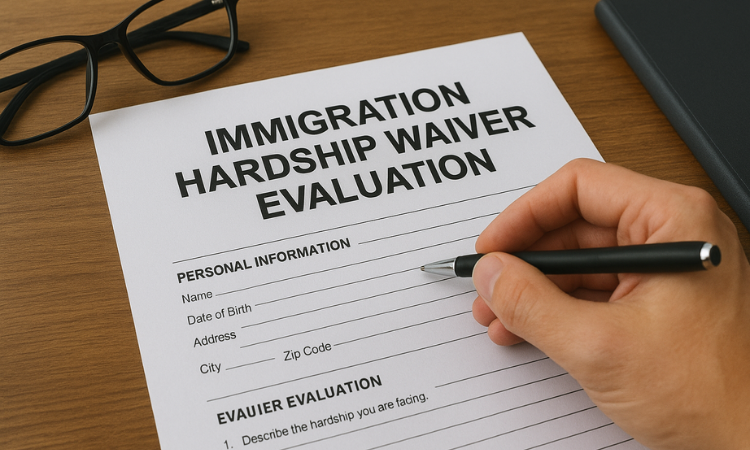
Get a professional Immigration Hardship Waiver Evaluation | AACS

For many families, the immigration process can be overwhelming—especially when facing possible family separation or denied entry to the United States. In these situations, an immigration hardship waiver evaluation becomes essential. This professional report, prepared by a licensed psychologist, helps demonstrate to U.S. Citizenship and Immigration Services (USCIS) how a qualifying relative would suffer extreme hardship if a waiver is not approved.

At AACS Counseling, we provide thorough immigration hardship waiver evaluations that strengthen waiver applications, documenting the emotional toll, psychological distress, and financial hardship that families may face.

Hardship Evaluations for Immigration Services

An immigration evaluation—sometimes referred to as a psychological hardship assessment—is a detailed report created by a trained mental health professional. It provides evidence about the emotional well-being, mental health issues, and financial difficulties that would result if a loved one were removed from the country or forced to relocate.

Our immigration evaluation services are designed to support:

  • Extreme hardship waivers
  • Provisional unlawful presence waivers
  • Violence Against Women Act (VAWA) petitions
  • Political asylum applications
  • Cases involving domestic violence, human trafficking, or past trauma

Who Qualifies For An Extreme Hardship Waiver?

A hardship waiver is available to immigrants who can demonstrate that removal or denial of entry would create extreme hardship for a qualifying relative, such as:

  • U.S. citizen spouse
  • Lawful permanent resident spouse
  • Citizen or resident parent

To qualify, families must prove that separation or relocation would significantly affect the emotional well-being, mental health conditions, or financial stability of the relative. An experienced immigration attorney will determine eligibility for your immigration case and guide applicants through the process.

Psychological Evaluation For Extreme Hardship Waivers

A key part of the waiver application is the psychological evaluation. At AACS Counseling, our licensed psychologists conduct compassionate, in-depth interviews and assessments to evaluate:

  • Mental health conditions such as anxiety, depression, or PTSD
  • Psychological distress from possible family separation
  • The psychological impact of relocating to a native country where safety, resources, or healthcare may be limited
  • Effects of domestic abuse, physical abuse, or sexual assault

The result is a detailed report in legal language that your immigration lawyer can use as evidence to support your hardship petition.

What Factors Determine Extreme Hardship?

When reviewing waiver requests, USCIS looks at many extreme hardship factors, including:

  • Medical conditions requiring care in the U.S.
  • Limited access to treatment, education, or employment in the native country
  • Caregiving responsibilities for children, elders, or other family members
  • The emotional toll and psychological impact of family separation
  • The effect of financial hardship and loss of shared financial responsibilities
  • Exposure to civil unrest, criminal history, or unsafe living conditions abroad

These extreme hardship factors must be carefully documented in the hardship evaluation.

What Is An Extreme Hardship Letter, And What Should It Include?

Along with a professional evaluation, applicants often submit an extreme hardship letter. This personal statement explains, in detail, the challenges that the qualifying relative would face.

A strong letter typically includes:

  • Family dynamics and the role of the immigrant in the household
  • Financial obligations and financial difficulties if separated
  • Emotional being and psychological impact of removal
  • Evidence of caregiving responsibilities or dependence on the applicant

Your immigration attorney will help organize the hardship letter with the immigration evaluation services and psychological evaluation to create a powerful waiver petition.

What is Extreme or Exceptional Hardship?

“Extreme” or “exceptional hardship” goes beyond the usual difficulties that any family would face during relocation. It means that the impact is severe, lasting, and would constitute extreme hardship under immigration law.

Examples include:

  • A permanent resident spouse who cannot access proper medical care abroad
  • A citizen spouse whose emotional well-being would collapse due to separation
  • Children who would lose access to educational opportunities or face emotional distress
  • Families are forced to live in countries with civil unrest or a lack of healthcare

Examples of Extreme Hardship

Some real-life examples of extreme hardship include:

  • A mother with a serious medical condition who depends on her immigrant spouse for daily care
  • A child with mental wellness concerns who would lose stability and treatment if forced to relocate
  • A survivor of domestic violence applying under the Violence Against Women Act (VAWA) who faces danger if returned to their native country
  • Families suffering psychological distress and financial hardship due to lost shared financial responsibilities

What to Expect From a Hardship Assessment for Immigration?

When you schedule a hardship assessment at AACS Counseling, you can expect:

  1. Initial Consultation – We gather details about your immigration case and circumstances.
  2. Comprehensive Interviews – A licensed psychologist conducts one-on-one sessions to explore mental health, family dynamics, and the emotional toll.
  3. Mental Health Evaluation – We assess psychological impact, past trauma, and potential mental distress.
  4. Documentation of Financial Hardship – We evaluate how financial difficulties would affect your qualifying relative.
  5. Written Report – A thorough, evidence-based psychological evaluation ready for submission with your waiver.

How Much Does an Extreme Hardship Evaluation Cost?

The hardship evaluation cost depends on the complexity of the immigration case, the number of sessions required, and whether multiple family members need assessments. At AACS Counseling, we provide transparent pricing and flexible options, making sure professional support is accessible to those in need.

Investing in a proper immigration hardship evaluation can make the difference between an approved or denied waiver, as it provides your immigration attorney with the professional documentation needed to present a strong case.

Why Choose AACS Counseling for Immigration Hardship Evaluations?

  • Experienced Evaluator who understand both mental health and the immigration process
  • Reports tailored to meet immigration proceedings standards
  • Compassionate, trauma-informed care for sensitive cases involving domestic abuse, human trafficking, or past trauma
  • Affordable hardship evaluation cost and flexible scheduling
  • Close collaboration with your immigration lawyer to strengthen your petition

Start Your Evaluation Today

If you or a loved one is navigating the immigration process and may suffer extreme hardship due to separation or relocation, AACS Counseling is here to help. Our compassionate immigration hardship evaluations are designed to support your hardship waiver petition and provide your immigration attorney with the tools to fight for your qualifying relative’s future.

Contact AACS Counseling today to schedule your immigration hardship evaluation and begin building a stronger case for your family’s security.

Are Virtual DOT SAP Evaluations Legal Under FMCSA Rules?

When a commercial driver tests positive for drugs or alcohol, the Return-to-Duty process begins with a DOT SAP evaluation. Today, many drivers choose Virtual DOT SAP Evaluations, which are fully legal under FMCSA rules. In this blog, we’ll explain their legality, benefits, and how online assessments work.

But many drivers now ask: “Can I do my SAP evaluation virtually instead of in person? And is it legal under FMCSA rules?”

The short answer: Yes, virtual DOT SAP evaluations are legal and accepted—as long as they are conducted by a qualified DOT-approved SAP and follow all FMCSA guidelines. In this blog, we’ll explain the legality, benefits, and things drivers should know before choosing telehealth SAP services.

What the FMCSA Says About Virtual SAP Evaluations

The Federal Motor Carrier Safety Administration (FMCSA) allows DOT SAP evaluations to be conducted via telehealth/virtual platforms.

  • Virtual evaluations must be performed by a qualified SAP listed in the DOT guidelines.
  • The process must include the same assessment standards as in-person evaluations.
  • All reports and recommendations are documented in the FMCSA Clearinghouse just like in traditional evaluations.

👉 In other words, the method (in-person vs. virtual) doesn’t change the legal requirements. What matters is compliance and accuracy.

Benefits of Choosing Virtual SAP Evaluations

  1. Faster Scheduling – No travel; same-day appointments often available.
  2. Nationwide Access – You aren’t limited to local providers.
  3. Convenience – Conduct your evaluation from home, work, or even on the road.
  4. DOT Compliance – Virtual evaluations carry the same legal weight as in-person ones.
  5. Lower Costs – Save on travel expenses and time off work.

Are Virtual Evaluations Always Accepted?

Yes—employers, DOT, and FMCSA all accept virtual SAP evaluations as long as:

⚠️ Warning: Some unqualified providers claim to offer “quick SAP clearance” online. If your SAP is not DOT-approved, your evaluation will be rejected, delaying your Return-to-Duty process.

Step-by-Step: How a Virtual SAP Evaluation Works

  1. Book an appointment online with a DOT-approved SAP.
  2. Meet via secure telehealth video session (phone-only calls are not valid).
  3. Complete the assessment about your history, violation, and recovery needs.
  4. Receive a treatment/education recommendation.
  5. Finish required steps (classes, treatment, or counseling).
  6. SAP follow-up evaluation & clearance entered into FMCSA Clearinghouse.
  7. Employer Return-to-Duty drug test before resuming driving.

Conclusion

Virtual DOT SAP evaluations are 100% legal under FMCSA rules and offer a faster, more convenient way for CDL drivers to start the Return-to-Duty process. The key is choosing a qualified SAP provider who understands DOT regulations and ensures every step is compliant.

👉 At AACS Counseling, we offer nationwide virtual SAP evaluations that meet FMCSA standards—helping drivers return to duty safely, quickly, and legally.

Call Now