DOT SAP Program Archives - Page 8 of 35 - AACS Counseling

Top 5 Tips to Navigate the DOT SAP Program Quickly and Effectively

For safety-sensitive employees, a DOT violation can feel like hitting a brick wall at full speed. Suddenly, your livelihood is on pause, your routine is disrupted, and you are facing a federally mandated process that stands between you and your paycheck. Whether you are a commercial driver, a pilot, or a pipeline operator, the goal is always the same: get back to work safely and legally.

While the Department of Transportation (DOT) has strict regulations that cannot be bypassed, there are ways to move through the process more efficiently. Navigating the DOT SAP Program effectively isn’t about cutting corners—it’s about avoiding the potholes that slow people down. In 2026, compliance is stricter than ever, and mistakes can lead to months of unnecessary delays.

If you are ready to reclaim your career, here are the top five tips to navigate the DOT SAP Program quickly and effectively.

1. Choose a Qualified SAP Immediately

The clock starts ticking the moment you are removed from safety-sensitive duties. Your employer is required to give you a list of Substance Abuse Professionals (SAPs), but you are not obligated to use the first name on that list. You have the right to choose your own provider, and making the right choice is the single most important factor in how quickly you progress.

Why Qualifications Matter

Not just any counselor can perform a SAP evaluation. They must have specific credentials and specialized training on DOT regulations. If you mistakenly see a counselor who isn’t DOT-qualified, their evaluation will not count. You will have wasted time and money, and you will have to start over from scratch with a qualified provider.

Speed Tip

Don’t wait for your employer to “assign” someone if they haven’t already. Verify the SAP’s credentials immediately. Ask specifically: “Are you currently qualified under DOT Part 40 regulations?” A proactive start prevents administrative lag.

2. Understand the “Return to Duty” Roadmap

One of the biggest sources of frustration is the unknown. Many employees enter the program thinking they can simply take a class over the weekend and return to work on Monday. When they realize the process involves multiple steps, they get discouraged or combative, which only slows things down.

The Non-Negotiable Steps

To move effectively, you need to accept the roadmap:

  1. Initial Evaluation: Face-to-face assessment (or DOT-compliant video assessment).
  2. Recommendation Phase: Completing the education or treatment prescribed.
  3. Follow-Up Evaluation: Proving compliance to the SAP.
  4. Return to Duty Test: A directly observed drug/alcohol test.

By understanding that this is a linear process—Step 2 cannot happen before Step 1—you can mentally prepare for the journey. Fighting the process or arguing with the SAP about federal regulations will not change the rules; it will only delay your “Notice of Compliance.”

3. Be Honest During Your SAP Evaluation

It is natural to want to minimize your drug or alcohol use when talking to a professional, especially if you fear losing your job. However, the SAP evaluation is not a criminal interrogation; it is a clinical assessment designed to help you.

The Cost of Dishonesty

SAPs are trained to identify inconsistencies. If you are dishonest about your usage history, and it conflicts with your test results or other data, the SAP may determine that you are not taking the process seriously. This often leads to:

  • More intensive treatment recommendations.
  • Longer education programs.
  • Delays in signing off on your paperwork.

Being upfront allows the SAP to accurately assess your situation and prescribe an appropriate education or treatment plan. A plan that fits your actual needs is one you are more likely to complete successfully and quickly.

4. Stay hyper-organized with Documentation

In the world of DOT compliance, if it isn’t written down, it didn’t happen. While the FMCSA Clearinghouse has digitized much of the process, paperwork errors still cause significant delays.

What to Track

Create a physical or digital folder specifically for your return-to-duty process. Keep copies of:

  • Referral documents from your employer.
  • receipts for your evaluation and treatment programs.
  • Completion certificates for any education classes.
  • All correspondence with your SAP.

Why This Helps

Imagine you finish your education course, but the treatment center delays sending the proof to your SAP. If you have your completion certificate ready to email, you can bridge that gap instantly. Being the master of your own file ensures that administrative hiccups don’t leave you sitting at home when you could be driving.

5. Prepare Financially for Costs and Timelines

Financial stress is a major reason people drop out of the SAP program or delay their treatment. Knowing what to expect allows you to budget accordingly so you don’t hit a financial roadblock halfway through.

The Reality of Costs

You should expect to pay for the SAP evaluations out of pocket, as many insurance plans do not cover this specific DOT requirement.

  • Evaluations: Generally range from $400 to $600.
  • Treatment/Education: Varies widely based on the SAP’s recommendation.

The Reality of Timelines

There is no standard timeline because every case is unique. A simple education recommendation might take a few weeks, while intensive treatment could take months. However, the biggest delay often comes after the SAP process: the Return to Duty test.

Once your SAP issues the follow-up report, you must find an employer willing to send you for the return-to-duty test. If your previous employer fired you, you need to be actively looking for a new job that hires drivers with a completed SAP program. Don’t wait until the paperwork is done to start job hunting.

Staying Compliant for the Long Haul

Completing the SAP program is a huge achievement, but your commitment to safety doesn’t end there. Once you are back on the job, you will be subject to unannounced follow-up testing for at least 12 months, and potentially up to five years.

These tests are strictly observed, and a failure here means starting the entire process over. The most effective way to navigate the DOT SAP Program is to do it once and do it right.

Take the First Step Today

The road back to safety-sensitive duties is clearly marked, but you have to take the wheel. By choosing the right SAP, staying organized, and facing the process with honesty, you can minimize downtime and get back to earning a living.

Don’t let a violation define your career. Take action today, schedule your evaluation, and start your journey back to the driver’s seat.


Modern Child Custody Assessments and Parenting Plan Evaluations

Divorce and separation are rarely simple, but when children are involved, the complexity multiplies exponentially. In high-conflict cases, parents often find themselves at an impasse that a simple mediation cannot resolve. This is where a Child Custody Assessment becomes the pivotal instrument for determining the future of a family.

By 2026, the landscape of family law has shifted significantly. We have moved away from the “winner-takes-all” mentality of traditional custody battles toward a more nuanced, child-centered approach focused on sustainable parenting plans. Simultaneously, technology has revolutionized how these assessments are conducted, with virtual evaluations becoming a standard practice across the United States.

This guide provides a comprehensive overview of modern custody evaluations, the critical role of the “Best Interests of the Child” standard, and how virtual forensic assessments operate legally under the UCCJEA in all 50 states.

From “Custody” to “Parenting Plans”: A Language Shift

Language matters. For decades, the legal system used terms like “custody” and “visitation,” language borrowed from property law and penal systems. You “visit” a prisoner; you “parent” a child.

In 2026, courts and mental health professionals increasingly favor the term Parenting Plan Evaluation over “custody evaluation.” This shift is not merely semantic; it reflects a fundamental change in philosophy. The goal is no longer to award a “prize” (the child) to the “better” parent. Instead, the objective is to craft a detailed roadmap that maximizes the child’s access to both parents while shielding them from conflict.

A modern assessment focuses on:

  • Developmental Needs: Does the plan account for the child’s age, temperament, and special needs?
  • Co-Parenting Capacity: Can the parents communicate effectively, or do they need a parallel parenting structure to minimize contact?
  • Conflict Resolution: How will future disputes be handled without returning to court?

While the legal term Child Custody Assessment is still widely used in statutes and search engines, the resulting document is almost always a blueprint for co-parenting rather than a verdict on parental fitness alone.

The “Best Interests of the Child” (BIC) Standard in 2026

The “Best Interests of the Child” (BIC) remains the lodestar of family law. However, how we define “best interests” has evolved. In the past, the primary caregiver doctrine often favored mothers, or financial stability favored fathers. Today, BIC standards are gender-neutral and evidence-based.

In 2026, a high-quality assessment evaluates BIC through several sophisticated lenses:

1. Psychological Attachment

Evaluators look closely at attachment styles. Is the child securely attached to both parents? Disrupting a secure attachment can cause long-term developmental harm. Modern assessments prioritize maintaining these bonds over logistical convenience.

2. The “Friendly Parent” Provision

Many states now weigh which parent is more likely to facilitate a relationship with the other parent. If one parent engages in gatekeeping or alienation—subtly turning the child against the other parent—it weighs heavily against them in the assessment.

3. Safety and Stability

While shared parenting is the default preference, safety trumps all. Assessments rigorously screen for domestic violence, substance abuse, and untreated mental illness. In 2026, the presence of these factors often triggers a recommendation for a “step-up” plan, where a parent earns more time through demonstrated sobriety or treatment compliance.

Virtual Forensic Assessment: The New Standard

The most significant operational change in recent years is the widespread acceptance of the virtual forensic assessment. What began as a necessity has evolved into a preferred method for many courts due to its efficiency and reach.

But is it legal? Can a psychologist in Colorado evaluate a family in Florida? The answer lies in the UCCJEA compliance framework and interstate licensure compacts.

The Role of the UCCJEA

The Uniform Child Custody Jurisdiction and Enforcement Act (UCCJEA) is a uniform state law enacted by almost all states (except Massachusetts, which has similar laws). Its primary purpose is to determine which state has jurisdiction to make a child custody determination.

Once jurisdiction is established (usually the child’s “home state”), the court can appoint an evaluator. In 2026, thanks to the PSYPACT licensure compact, a psychologist licensed in one compact state can practice telepsychology into any other compact state.

This means a family involved in a complex move-away case—where one parent lives in Texas and the other in Washington—can utilize a single 50-state custody evaluation expert who conducts the entire process virtually. This eliminates the need for dueling experts in different states and ensures a unified, coherent recommendation.

Advantages of the Virtual Model

  • Access to Specialists: Families in rural jurisdictions often lack access to specialized forensic evaluators (e.g., those expert in alienation or special needs). Virtual access bridges this gap.
  • Reduced Child Stress: Children are often more comfortable speaking to an evaluator from their own bedroom via tablet than visiting a sterile clinical office.
  • Observing Natural Environments: Virtual home visits allow evaluators to see the child in their natural habitat without the intrusion of a stranger physically entering the home.

The Assessment Process: What to Expect

A Child Custody Assessment is a rigorous forensic investigation. Unlike therapy, there is no doctor-patient privilege; everything you say can be included in the report to the court.

1. The Intake and Court Order

The process begins with a court order or a stipulation between attorneys. This document defines the scope. Is the evaluator deciding on a schedule? Investigating allegations of abuse? Or determining if a parent can relocate?

2. Clinical Interviews

Parents undergo extensive interviewing regarding their history, parenting philosophy, and the history of the conflict. The evaluator screens for personality disorders or high-conflict behaviors that drive litigation.

3. Collateral Contacts

In 2026, data collection is exhaustive. Evaluators don’t just take your word for it; they interview “collaterals”—teachers, pediatricians, therapists, and sometimes neighbors—to build a 360-degree view of the family dynamic.

4. Psychological Testing

Standardized testing (like the MMPI-3 or PAI) provides objective data on parental mental health. These tests are hard to “fake” and help the evaluator distinguish between a parent who is truly dangerous versus one who is simply stressed by the litigation.

People Also Asked: Virtual Observations and Jurisdiction

As virtual evaluations become the norm, common questions arise regarding the logistics and legality of remote observations.

How are home observations conducted via video?

The “virtual home visit” is now a standard component of a Parenting Plan Evaluation. The parent uses a smartphone or tablet to give the evaluator a tour of the home, verifying that the child has a safe sleeping space, food, and appropriate toys.

Following the tour, the evaluator observes parent-child interaction. They may ask the parent to play a game or cook a meal with the child while the camera records. Research suggests that because the evaluator is not physically present in the room, families often act more naturally, providing a more accurate picture of the dynamic.

Does a judge in my state have to accept an out-of-state report?

Generally, yes, provided the evaluator is properly licensed and the assessment adheres to the standards of the jurisdiction where the case is heard. Because of UCCJEA compliance, the “home state” court retains authority. If that court appoints an expert via PSYPACT, the resulting report is valid legal evidence. However, your attorney should always file a motion to appoint the specific expert to ensure the court’s blessing upfront.

Can I record the evaluation?

Typically, no. Most forensic evaluators have strict protocols against recording sessions to protect the integrity of the testing process and the privacy of the child. Surreptitious recording can damage your credibility with the court.

The Future of Child Custody: Collaboration Over Conflict

The ultimate goal of a Modern Child Custody Assessment is to transition the family out of the legal system. High-conflict litigation is toxic to children. The toxic stress of watching parents fight damages developing brains just as surely as physical trauma.

In 2026, the best evaluators act not just as investigators, but as architects. They design parenting plans with “guardrails”—specific rules for communication and exchange—that reduce friction.

If you are facing a custody dispute, pushing for a comprehensive, neutral evaluation can be the most protective step you take for your children. It moves the argument away from “he said, she said” and anchors it in objective data and the true best interests of the child. By embracing modern tools like virtual assessments, you ensure that the focus remains where it belongs: on the health, safety, and happiness of the children involved.

Next Steps

  1. Review the Court Order: ensure the scope of the evaluation is clear.
  2. Choose a Qualified Expert: Look for evaluators with specific forensic training, not just general therapists.
  3. Prepare for Transparency: Be honest about your flaws; evaluators respect insight more than perfection.
  4. Focus on the Child: In every interview, focus on your child’s needs, not your ex’s faults.

Mastering the DOT SAP Program: Your Ultimate Guide to Compliance in 2026

A failed drug or alcohol test can feel like a career-ending event for anyone working in a safety-sensitive position. Whether you drive a commercial truck, operate heavy machinery, or work in aviation, the Department of Transportation (DOT) has strict regulations in place to ensure public safety. However, a violation doesn’t have to mean the end of the road.

The DOT SAP (Substance Abuse Professional) Program is the federally mandated path designed to get you back to work safely and legally. In 2026, understanding how to navigate this process is more critical than ever for maintaining your career and your livelihood.

This guide will walk you through exactly what the DOT SAP Program entails, how the return-to-duty process works, and what you need to do to achieve full DOT compliance. Let’s get your career back on track.

Why the DOT SAP Program Exists

The primary goal of the DOT SAP Program is not punishment, but safety and rehabilitation. The DOT regulates over 12 million individuals who perform safety-sensitive functions in the transportation industry. When an employee violates drug and alcohol regulations—typically through a failed test or refusal to test—they represent a potential risk to the public.

To manage this risk, the DOT requires that any violator must immediately be removed from safety-sensitive duties. You cannot return to these duties until you have successfully completed the Return-to-Duty (RTD) process, which is overseen by a qualified Substance Abuse Professional (SAP).

This program protects the traveling public while providing employees with a structured opportunity to address potential substance abuse issues and return to their profession.

Step-by-Step: The Return to Duty Process in 2026

Navigating the SAP process can seem overwhelming, but it follows a specific, federally regulated timeline. Here is the step-by-step breakdown of what you can expect.

Step 1: Immediate Removal and SAP Selection

Once a violation occurs, your employer is required to remove you from safety-sensitive functions immediately. They must also provide you with a list of qualified SAPs. You are free to choose your own SAP, provided they are DOT-qualified.

Choosing the right professional is crucial. A qualified SAP acts as a “gatekeeper” for the DOT. They do not advocate for you or the employer; their responsibility is to public safety.

Step 2: The Initial SAP Evaluation

Your first meeting with your SAP is the initial face-to-face evaluation. In 2026, while some aspects of counseling have moved online, the DOT has specific requirements for how these evaluations are conducted.

During this session, the SAP will:

  • Review your violation history.
  • Conduct a clinical interview to assess your substance use.
  • Determine the necessary course of education and/or treatment.

After this meeting, the SAP will send an initial report to your designated employer representative (DER), outlining their recommendations.

Step 3: Education and Treatment

Based on the initial evaluation, the SAP will prescribe a plan. This isn’t optional; to move forward, you must comply with their recommendations. This might include:

  • Education courses: Classes on drug and alcohol abuse.
  • Treatment programs: In-patient or out-patient rehabilitation.
  • Self-help groups: Attendance at support meetings.

The duration and cost of this step vary depending on the severity of the assessment. You must complete this plan to the satisfaction of your SAP before moving to the next step.

Step 4: The Follow-Up SAP Evaluation

Once you have finished the prescribed education or treatment, you will return for a follow-up evaluation. The SAP will determine if you have successfully complied with the initial recommendations and if you have demonstrated a commitment to safety.

If the SAP is satisfied, they will issue a “Notice of Compliance” and a follow-up report to your employer. This report authorizes you to take a Return-to-Duty test.

Step 5: The Return-to-Duty Test

You cannot simply go back to work yet. Your current (or future) employer must send you for a Return-to-Duty drug and/or alcohol test. This test must be conducted under direct observation.

A negative result is mandatory. Once the negative result is confirmed, you are eligible to resume safety-sensitive duties.

Step 6: Follow-Up Testing

DOT compliance doesn’t end the day you return to work. The SAP will prescribe a schedule of follow-up tests.

  • You will face a minimum of 6 unannounced tests in the first 12 months.
  • Testing can continue for up to 60 months (5 years).
  • Like the RTD test, all follow-up tests are directly observed.

Addressing Common Pain Points: Cost and Timelines

When facing this process, most employees have two urgent questions: “How long will this take?” and “How much will it cost?”

Understanding the Timeline

There is no “fast track” for the DOT SAP Program. The timeline depends entirely on the SAP’s clinical assessment of your needs.

  • Best Case: If only education is required, the process might take a few weeks.
  • Complex Cases: If extensive treatment is needed, it could take months.

Warning: Be wary of anyone promising a specific timeline (e.g., “Back to work in 3 days!”) before evaluating you. No ethical SAP can guarantee a timeline before the initial assessment.

Breaking Down the Costs

Most employees are responsible for paying for their SAP evaluations and the recommended treatment. Insurance may cover treatment portions, but SAP evaluations are often out-of-pocket expenses.

  • Evaluation Costs: Typically range from $400 to $600 for the combined initial and follow-up evaluations.
  • Treatment/Education Costs: vary wildly. A simple education course might be a few hundred dollars, while inpatient treatment can run into the thousands.

Frequently Asked Questions (FAQ)

Q: Can I just switch jobs to avoid the SAP program?
A: No. Since January 2020, violations are recorded in the FMCSA Clearinghouse. Any new DOT-regulated employer must check this database before hiring you. If they see an open violation without a completed SAP program, they cannot hire you for safety-sensitive work.

Q: What happens if I fail a follow-up test?
A: Failing a follow-up test is considered a new violation. You will be removed from duty immediately, and you must start the entire SAP process over from the beginning with a new evaluation.

Q: Can I do my SAP evaluation via Zoom or Skype?
A: The DOT has specific rules regarding remote evaluations. While allowances were made in the past, strict adherence to current DOT guidance is required. Always verify that your SAP’s method of evaluation is fully compliant with current 2026 regulations to avoid having your return-to-duty process rejected.

Q: Who pays for the Return-to-Duty test?
A: This depends on company policy. Some employers cover it, while others require the employee to pay. Check your company handbook or ask your HR representative.

Actionable Tips for Success

Successfully navigating the DOT SAP Program requires patience and honesty. Here is how to ensure you get back to work as smoothly as possible:

  1. Choose a Qualified SAP: Ensure your SAP has current credentials and exams passed. An unqualified SAP’s report will be rejected by the DOT, forcing you to restart and pay again.
  2. Be Honest: Minimizing your usage during the evaluation rarely helps. SAPs are trained to spot inconsistencies. Honesty helps them assign the correct treatment plan so you don’t relapse and face a second violation.
  3. Stay Organized: Keep copies of every document, report, and receipt. The Clearinghouse is efficient, but administrative errors can happen. Having your own paper trail is your best insurance.
  4. Commit to the Lifestyle Change: The follow-up testing schedule is rigorous. The only way to survive 5 years of unannounced testing is to genuinely commit to a substance-free lifestyle while on duty.

The road to DOT compliance might seem long, but it is navigable. By understanding the regulations and following the steps outlined above, you can regain your eligibility and return to your career with confidence.

How Do They Do a Mental Health Assessment in the US? A Step-by-Step Guide

Embarking on a mental health journey often begins with an assessment. This crucial step helps professionals understand your unique situation. In the United States, a thorough mental health assessment is not just a conversation; it’s a structured process designed to gather comprehensive information.

Whether you’re exploring options for yourself or a loved one, understanding this process can ease concerns. At AACS Counseling, we believe in empowering individuals with knowledge about their mental well-being journey.

This guide will walk you through what to expect during a mental health assessment in the US. We’ll cover everything from who conducts it to what happens after.

What Is a Mental Health Assessment?

A mental health assessment is a detailed evaluation of an individual’s psychological, emotional, and behavioral well-being. It’s a foundational step for understanding symptoms, identifying potential mental health conditions, and developing an effective treatment plan.

This comprehensive process uses various methods. It includes interviews, questionnaires, and sometimes specific tests. The goal is to paint a complete picture of your mental health, considering all relevant life factors.

It’s important to note that an assessment is different from ongoing therapy. An assessment focuses on diagnosis and initial planning. Therapy, however, involves regular sessions to address specific issues and foster long-term growth.

Who Performs Mental Health Assessments and Where?

Mental health assessments are conducted by licensed professionals. These experts have specialized training in understanding and diagnosing mental health conditions.

You can find these services in various settings across the US. They are available in private practices, community mental health centers, hospitals, and specialized clinics.

Psychiatrists vs. Psychologists

Different professionals may lead your mental health assessment, each with distinct qualifications.

  • Psychiatrists: These are medical doctors (MDs). They specialize in mental health. They can diagnose conditions, prescribe medication, and offer therapy. Their evaluations often include a deeper look at physical health and medication interactions.
  • Psychologists: They typically hold a doctoral degree (Ph.D. or Psy.D.). They specialize in psychological testing and therapy. Psychologists diagnose mental health conditions and provide various forms of psychotherapy. They cannot prescribe medication in most states.

Other qualified professionals, like Licensed Clinical Social Workers (LCSWs) and Licensed Professional Counselors (LPCs), also conduct assessments. They focus on therapy and psychosocial support. The specific professional you see depends on your needs and the type of assessment required.

A Step-by-Step Guide to the Assessment Process

A typical mental health assessment in the US is a thorough, multi-faceted process. It aims to gather all necessary information for an accurate diagnosis and a personalized care plan. Psychiatric evaluations often take several hours to ensure comprehensive diagnosis.

Here’s what you can generally expect:

  1. Step 1: Initial Intake and History Taking

Your assessment begins with a comprehensive discussion. The clinician will gather extensive background information.

  • Current Symptoms: You’ll describe the symptoms you’re experiencing. You will also discuss how long they’ve lasted and their impact on your daily life, work, or school.
  • Personal History: This covers your education, employment, relationships, and significant life events. It provides context for your current struggles.
  • Past Mental Health History: Any prior diagnoses, treatments, or hospitalizations are important to discuss. This includes past therapy or medication use.
  • Family History: Mental health conditions can sometimes run in families. The clinician will ask about your family’s mental health history.
  • Medical History: Physical health can significantly affect mental health. They will inquire about your general health, existing medical conditions, and current medications. Sometimes, lab tests may be ordered to rule out physical causes for symptoms, such as thyroid issues or vitamin deficiencies.
  • Social Determinants: Factors like living situation, financial stability, and legal issues are also considered. These can greatly influence mental well-being.
  1. Step 2: The Mental Status Exam (MSE)

The Mental Status Exam is a structured observation of your mental state during the assessment. It’s like a snapshot of how you are functioning at that moment.

The clinician observes various aspects, including:

  • Appearance and Behavior: This includes grooming, posture, eye contact, and overall demeanor.
  • Speech: The rate, volume, and clarity of your speech are noted.
  • Mood and Affect: Your reported emotional state (mood) and how you outwardly express it (affect) are assessed.
  • Thought Process and Content: The organization and coherence of your thoughts are evaluated. Any unusual or troubling thoughts are also explored.
  • Cognition: This involves assessing attention, memory, and executive function. Neuropsychological testing, which can take several hours, may be part of this for a more in-depth look.
  • Insight and Judgment: Your understanding of your situation and your ability to make sound decisions are evaluated.
  1. Step 3: Risk Screening and Safety Planning

A critical part of any assessment is evaluating potential risks. The clinician will screen for any immediate safety concerns.
This includes assessing for thoughts of self-harm, harm to others, or suicidal ideation. If risks are identified, the clinician will work with you to develop a safety plan. This plan outlines steps to take to ensure your well-being.


  1. Step 4: Diagnostic Tools and Potential Lab Work

Clinicians often use standardized screening questionnaires to gather more data. These tools help quantify symptoms and provide objective measures.
For example, the PHQ-9 is commonly used for depression. The GAD-7 assesses anxiety symptoms. In some cases, blood tests are necessary to rule out underlying medical conditions. These conditions could be contributing to mental health symptoms.

Step 5: Diagnosis and Treatment Planning

After gathering all the information, the clinician formulates a diagnosis. They use established diagnostic criteria from manuals like the DSM-5 (Diagnostic and Statistical Manual of Mental Disorders) or ICD-10 (International Classification of Diseases). Documentation, using these codes, must be current within six months.
They will then discuss the findings with you. Together, you will develop a personalized treatment plan. This plan might include therapy, medication, lifestyle adjustments, or a combination of approaches. At AACS Counseling, we prioritize collaborative treatment planning.

Common Tools and Tests Used in Mental Health Assessments

Mental health professionals utilize a range of tools. These help ensure a thorough and accurate assessment. Here are some commonly encountered instruments:

Tool/Test TypePurposeExamples


Clinical InterviewGather detailed personal, medical, and psychiatric history.Structured Clinical Interview for DSM Disorders (SCID)
Symptom Rating ScalesMeasure severity of specific symptoms and track progress.PHQ-9 (Patient Health Questionnaire-9 for depression), GAD-7 (Generalized Anxiety Disorder 7-item scale)
Neuropsychological TestsAssess cognitive functions like memory, attention, and executive function.Wechsler Adult Intelligence Scale (WAIS), Rey-Osterrieth Complex Figure Test
Personality InventoriesEvaluate personality traits and potential disorders.Minnesota Multiphasic Personality Inventory (MMPI), Millon Clinical Multiaxial Inventory (MCMI)
Projective TestsExplore unconscious thoughts and feelings (less common in routine assessments).Rorschach Inkblot Test, Thematic Apperception Test (TAT)
Lab TestsRule out physical conditions mimicking mental health symptoms.Thyroid function tests, Vitamin D levels, complete blood count

What to Expect and How to Prepare

Preparing for your mental health assessment can help reduce anxiety and ensure a productive session. Many people feel nervous about their first psychiatric evaluation, and that’s perfectly normal.

Here are some tips and what you can expect:

  • Gather Relevant Information: Compile a list of your current symptoms, their onset, and how they affect your life. Also, prepare your medical history, including all medications, dosages, and any prior mental health treatments. Having family history details can also be helpful.
  • Be Open and Honest: The more truthful you are, the better the clinician can understand your situation. Remember, mental health professionals are there to help you, not to judge.
  • Consider Bringing Support: In some cases, a trusted family member or close friend might join part of the evaluation. Their input can offer additional perspective. Discuss this with your clinician beforehand to understand their policy.
  • Write Down Questions: Jot down any questions you have about the process, potential diagnoses, or treatment options. This ensures you get all your concerns addressed.
  • Allow Ample Time: As noted, comprehensive assessments often take several hours. Plan accordingly to avoid feeling rushed.

Your clinician will observe you from the moment you enter, noting your grooming, posture, and eye contact. This is part of the professional assessment process.

In-Person vs. Telehealth Mental Health Assessments

The landscape of mental health care is evolving. Both in-person and telehealth assessments are now common options in the US. Each offers distinct advantages and considerations.

Telehealth mental health evaluations have seen a significant rise in popularity. This growth is especially notable in regions like California, New York, and Florida.

Here’s a comparison to help you understand the differences:

FeatureIn-Person AssessmentTelehealth Assessment


EnvironmentControlled clinical setting, private office.Patient’s home or private space, requires stable internet.
ObservationFull observation of body language, subtle cues.Limited to what is visible on screen; visual cues may be less clear.
Comfort/ConvenienceMay feel more formal; requires travel.Highly convenient, eliminates travel, can be more comfortable for some.
AccessibilityLimited by geographic location and transportation.Wider access, especially for rural areas or those with mobility issues.
Technical NeedsNone, relies on direct interaction.Requires a reliable device (computer/smartphone) and internet connection.
PrivacyEnsured within the clinical setting.Dependent on patient’s home environment; encryption used for platforms.

Both methods, when conducted by licensed professionals, adhere to the same diagnostic standards. At AACS Counseling, we offer both in-person and online mental health assessment options to best meet your needs and preferences.

Understanding Costs and Insurance Coverage

The cost of a mental health diagnostic assessment can vary significantly in the US. Several factors influence the price, including the clinician’s specialty, location, and the length/complexity of the evaluation.

Many individuals search for “psychiatric evaluation cost” and “free mental health screening US.” While full diagnostic assessments typically incur a fee, initial screenings may be available for free or at a low cost through community health centers or online platforms.

With Insurance:

  • Most health insurance plans, including Medicaid in many states, cover mental health services. This coverage is often due to parity laws. You may be responsible for a co-pay, co-insurance, or deductible.
  • It’s crucial to contact your insurance provider directly. Ask about specific coverage for “psychiatric evaluation” or “diagnostic assessment.” Inquire about in-network vs. out-of-network benefits.

Without Insurance (Self-Pay):

  • Without insurance, costs can range from a few hundred to over a thousand dollars for a comprehensive evaluation. For example, a full neuropsychological assessment, which takes several hours, will be on the higher end.
  • Some providers offer sliding scale fees based on income. This can make services more affordable. You can also ask about payment plans.

Always discuss fees and payment options upfront with your chosen provider. This ensures there are no surprises.

After Your Assessment: Diagnosis and Next Steps

Once your mental health assessment is complete, the work doesn’t end there. The clinician will synthesize all the gathered information to form a comprehensive understanding of your mental health.

Here’s what typically happens next:

  • Discussion of Results: The clinician will explain their findings and diagnosis. They will discuss it with you in clear, understandable terms. This is your opportunity to ask questions and gain clarity.
  • Treatment Plan Development: Based on the diagnosis, you will collaboratively develop a personalized treatment plan. This plan might involve specific types of therapy (e.g., CBT, DBT), medication management, or lifestyle recommendations. It could also include referrals to other specialists.
  • Follow-Up and Monitoring: Mental health conditions often require ongoing care. The plan will outline follow-up appointments. These allow for monitoring progress and making necessary adjustments to treatment.
  • Documentation: Your assessment results and treatment plan are documented thoroughly. This documentation uses ICD-10 or DSM-5 codes and must be kept current. Typically, updates are required within six months.

Remember, a mental health diagnosis is a guide, not a label that defines you. It helps direct the most effective care. At AACS Counseling, we are committed to supporting you every step of the way, from assessment to recovery.

Frequently Asked Questions About Mental Health Assessments in the US

What questions are asked during a mental health assessment?

Common questions cover symptoms, their duration and impact, personal history (education, employment, relationships), past mental health issues, family history, medical conditions, and safety concerns (e.g., thoughts of self-harm, substance use).

How long does a psychiatric evaluation take?

A comprehensive psychiatric evaluation typically takes several hours. This allows the clinician to gather extensive information for an accurate diagnosis and treatment plan.

Do I need a referral for a mental health assessment in the US?

It depends on your insurance plan and the provider. Some plans require a referral from a primary care physician, while others allow you to schedule directly. Many telehealth platforms do not require a referral.

What is a mental status exam?

A Mental Status Exam (MSE) is a structured observation of your current mental state. It assesses appearance, behavior, speech, mood, thought processes, cognition, and insight during the evaluation. It provides a snapshot of your psychological functioning.

Can family members join a psychiatric evaluation?

Yes, often with your consent. Family input can provide valuable context and history. However, some parts of the assessment will be private, just between you and the clinician. Discuss this with your provider beforehand.

Are lab tests part of a mental health assessment?

Sometimes. Clinicians may order lab tests, like blood work for thyroid function or vitamin deficiencies. This helps rule out physical conditions that might cause or worsen mental health symptoms.

Can I get a mental health assessment online in the US?

Absolutely. Telehealth mental health evaluations are widely available in the US. They follow similar protocols to in-person assessments, providing convenience and accessibility for many individuals.

Does a mental health assessment diagnose ADHD or autism?

Yes, a comprehensive mental health assessment can diagnose conditions like ADHD and autism spectrum disorder. It involves specific questions, observations, and often specialized cognitive or developmental testing to confirm these diagnoses.

DOT SAP Program vs Non-DOT Substance Abuse Evaluations: What Drivers Must Know

Why Drivers Often Choose the Wrong Evaluation

After a failed or refused DOT drug or alcohol test, drivers usually hear one phrase: “Get an evaluation.”
However, that advice often creates confusion instead of clarity.

As a result, many drivers complete a court-ordered assessment, an EAP evaluation, or a state DUI program. Later, they discover that DOT does not accept these evaluations for Return-to-Duty (RTD).

Because this mistake delays careers and job offers, it is important to understand the difference between the DOT SAP Program and non-DOT substance abuse evaluations. Once you know the difference, you can avoid costly restarts and compliance problems.

What Is a DOT SAP Evaluation?

A DOT SAP (Substance Abuse Professional) evaluation is a federally required process under 49 CFR Part 40. The DOT created this program to control who can return to safety-sensitive work.

A DOT SAP evaluation:

  • Must be conducted by a DOT-qualified SAP
  • Follows FMCSA and DOT rules
  • Determines legal RTD eligibility
  • Requires FMCSA Clearinghouse reporting

Most importantly, only a DOT SAP can approve your return to duty. No other professional has this authority.

What Are Non-DOT Substance Abuse Evaluations?

Non-DOT evaluations include:

  • Court-ordered substance abuse assessments
  • Employer EAP evaluations
  • State DUI education programs
  • Private counseling or therapy sessions

These evaluations usually help with legal sentencing, employment wellness, or state compliance. However, they do not meet federal DOT requirements.

Although these programs may support recovery, they cannot replace a DOT SAP evaluation.

Why FMCSA Rejects Non-DOT Evaluations

The FMCSA rejects non-DOT evaluations for one main reason: lack of legal authority.

Non-DOT counselors:

  • Cannot report to the FMCSA Clearinghouse
  • Cannot approve RTD eligibility
  • Cannot create DOT follow-up testing plans

Because of this limitation, FMCSA automatically rejects these evaluations. Even if treatment is completed successfully, DOT does not recognize it without SAP involvement.

As a result, many drivers must restart the entire process.

DOT SAP Program vs Non-DOT Evaluation: Side-by-Side Comparison

FeatureDOT SAP EvaluationNon-DOT Evaluation
Legal AuthorityFederal DOT / FMCSAState or private
Who Performs ItDOT-qualified SAPCounselor or therapist
Clearinghouse ReportingRequiredNot allowed
RTD ClearanceYesNo
Follow-Up Testing PlanRequiredNot permitted
Employer AcceptanceYesNo

Because of these differences, DOT SAP evaluations are not interchangeable with non-DOT assessments.

SAP Role vs Counselor Role

A SAP does more than counseling.

A SAP:

  • Acts as a DOT compliance authority
  • Decides RTD eligibility
  • Monitors treatment completion
  • Manages follow-up testing requirements

In contrast, a counselor:

  • Provides therapy or education
  • Does not control RTD approval
  • Cannot access the Clearinghouse

Therefore, while counselors support recovery, only SAPs control legal clearance.

Who Can Legally Clear You for Return-to-Duty?

Only a DOT-qualified SAP can:

  • Perform the initial SAP evaluation
  • Approve treatment completion
  • Conduct the follow-up SAP evaluation
  • Authorize RTD eligibility
  • Update Clearinghouse milestones

Courts, employers, counselors, and treatment centers cannot legally clear drivers.

FMCSA Clearinghouse Rules Explained Simply

The FMCSA Drug & Alcohol Clearinghouse accepts reports only from DOT-qualified SAPs.

Non-DOT evaluations:

  • Cannot be uploaded
  • Cannot change “Prohibited” status
  • Cannot unblock employment

Because Clearinghouse status is visible nationwide, choosing the wrong evaluation can block job opportunities across the U.S.

Court-Ordered vs DOT SAP Evaluations

Court-ordered assessments satisfy legal or sentencing requirements. However, they do not satisfy DOT compliance rules.

Even if a judge orders treatment, DOT still requires a SAP evaluation. Federal law overrides state or court requirements in safety-sensitive cases.

How to Avoid the Wrong Evaluation

To avoid delays:

  1. Confirm the provider is DOT-qualified
  2. Ask if they report to the FMCSA Clearinghouse
  3. Verify RTD authorization is included
  4. Avoid low-cost providers without DOT credentials

Taking these steps early saves time, money, and stress.

Why Drivers Choose AACSCounseling.com

At AACSCounseling.com, we focus only on DOT-compliant SAP evaluations.

We help drivers:
✔ Understand DOT vs non-DOT rules
✔ Complete valid SAP evaluations
✔ Avoid Clearinghouse rejection
✔ Return to work legally and faster

Our DOT-qualified SAP professionals provide clear guidance with no confusion.

Final Thoughts

DOT rules exist to protect public safety. Because of this, only DOT SAP evaluations count for RTD clearance.

Choosing the wrong evaluation:

  • Delays RTD approval
  • Extends Clearinghouse exposure
  • Costs time and money

When your CDL is on the line, DOT compliance matters. Choose the right evaluation the first time.

What Happens After You Start the DOT SAP Program

Starting the DOT SAP Program is a major step toward returning to safety-sensitive work, but many drivers feel anxious about what comes next. Uncertainty about timelines, evaluations, and employer involvement often causes unnecessary stress and delays. Understanding what happens after enrollment helps you stay prepared and confident throughout the process.

This guide explains each stage that follows after you start the DOT SAP Program, breaking down what to expect, why each step matters, and how certified SAPs help ensure a smooth, DOT-compliant return-to-duty process.

The First Step After Enrollment: Initial SAP Evaluation

Once you start the DOT SAP Program, the very first thing that happens is scheduling your initial evaluation with a certified SAP. This evaluation sets the foundation for everything that follows, as it determines what steps you must complete before returning to work. Many people worry this evaluation is designed to fail them, but that is not its purpose.

The initial SAP Evaluation is a professional, confidential assessment intended to understand your situation and ensure public safety—not to judge or punish you.

Why the Initial SAP Evaluation Is More Than “Just an Appointment”

  • Reviews your DOT drug or alcohol violation
  • Assesses safety and compliance risks
  • Determines appropriate education or treatment
  • Establishes a clear, documented plan forward
  • Ensures all recommendations meet DOT regulations

What the SAP Evaluation Really Determines

After enrollment, many drivers believe the SAP simply checks a box and moves them forward. In reality, the SAP plays a critical regulatory role by determining the exact requirements needed to safely return you to duty. This step ensures fairness while maintaining DOT safety standards.

The SAP’s recommendations are legally binding and must be followed exactly to proceed in the DOT SAP Program.

What the SAP Decides During the Evaluation

  • Whether education or treatment is required
  • The level and type of services needed
  • Documentation standards you must meet
  • Readiness to continue the program
  • Compliance with 49 CFR Part 40

Education or Treatment: What Happens After the Evaluation

Once the evaluation is complete, the SAP assigns education or treatment based on your individual case. This step is mandatory and cannot be skipped or replaced with alternatives. The goal is to address the issue responsibly while ensuring DOT compliance.

Many delays occur here when individuals misunderstand this step or choose non-approved providers.

How Education or Treatment Works in the DOT SAP Program

  • Programs are assigned by the SAP, not the driver
  • SAPs cannot provide treatment themselves
  • Completion must be verified with documentation
  • Duration depends on SAP recommendations
  • Compliance is required to move forward

Why This Step Is Not “Optional or Negotiable”

Some competitor content implies flexibility in education or treatment requirements. In reality, DOT rules are strict, and failing to complete assigned steps exactly as outlined stops the process entirely.

Certified SAPs help you understand expectations clearly so there are no compliance mistakes.

Common Misunderstandings That Cause Delays

  • Choosing unapproved programs
  • Stopping early without SAP approval
  • Failing to submit proof of completion
  • Attempting to replace required steps
  • Assuming employer approval overrides SAP rules

The Follow-Up SAP Evaluation Explained

After completing education or treatment, the DOT SAP Program requires a follow-up evaluation with the same SAP. This step confirms that you met all requirements and are ready to return to safety-sensitive duties. Without this approval, the process cannot continue.

The follow-up evaluation is often misunderstood as a formality, but it is a critical compliance checkpoint.

What the Follow-Up Evaluation Confirms

  • Completion of all SAP recommendations
  • Documentation accuracy
  • Behavioral readiness
  • DOT compliance confirmation
  • Authorization to proceed to testing

Return-to-Duty Testing: What Happens Next

Once the SAP authorizes you to proceed, the next step is the DOT return-to-duty test. This test must be coordinated with your employer and conducted under DOT regulations. A negative result is required before you can resume safety-sensitive work.

This step officially clears you to return to duty, but it does not end all program responsibilities.

Key Facts About Return-to-Duty Testing
  • Must be DOT-regulated
  • Coordinated by the employer
  • Negative result required
  • Cannot be skipped or substituted
  • Required before resuming duties

Follow-Up Testing After You Return to Work

After returning to duty, the DOT SAP Program may continue with follow-up testing. These tests are unannounced and designed to ensure continued compliance and safety. The SAP determines how long and how often testing occurs.

This step protects public safety while supporting long-term accountability.

What Follow-Up Testing Involves

  • Unannounced testing schedule
  • Duration up to 60 months
  • Employer coordination
  • Continued DOT compliance
  • SAP oversight

How Long the DOT SAP Program Takes After Starting

One of the most common questions after enrollment is how long the DOT SAP Program takes. While timelines vary, delays usually result from misunderstandings, incomplete documentation, or choosing the wrong providers—not the program itself.

Working with certified SAPs helps streamline the process and avoid unnecessary setbacks.

Factors That Affect Timeline

  • Speed of SAP evaluation scheduling
  • Education or treatment duration
  • Documentation turnaround
  • Employer coordination
  • Follow-up testing requirements

What Employers See After You Start the Program

Many drivers worry about privacy and employer involvement once they start the DOT SAP Program. Employers are informed only of what DOT regulations require, not personal details discussed during evaluations.

Certified SAPs ensure confidentiality while maintaining compliance.

  • Employer Visibility Includes
  • SAP compliance status
  • Return-to-duty authorization
  • Testing requirements
  • Follow-up testing plan
  • DOT-required documentation only

Common Mistakes After Starting the DOT SAP Program

Even after enrollment, mistakes can delay or derail progress. These errors often come from misinformation or rushing through steps without proper guidance. Knowing what to avoid helps keep your case moving forward.

Certified SAPs help prevent these issues by providing structured guidance.

  • Mistakes That Cause Delays
  • Skipping SAP-assigned steps
  • Using non-qualified providers
  • Missing evaluations
  • Incomplete paperwork
  • Believing “guaranteed fast return” claims

Why Certified SAPs Make the Process Smoother

The DOT SAP Program is heavily regulated, and certified SAPs are trained specifically to navigate these rules. Their expertise ensures your case is handled correctly from start to finish, reducing stress and uncertainty.

Choosing certified SAPs is not just a requirement—it’s a strategic advantage.

  • Benefits of Working With Certified SAPs
  • DOT-compliant evaluations
  • Clear expectations
  • Faster progression
  • Proper documentation
  • Employer-accepted recommendations

What Happens If You Delay After Starting

Delays after starting the DOT SAP Program only extend the time you remain unable to work. Missed appointments, incomplete steps, or hesitation can restart parts of the process and increase costs.

Taking prompt action at each stage keeps your return-to-duty timeline on track.

Consequences of Delaying Steps

  • Extended time off work
  • Restarted evaluations
  • Additional costs
  • Employer complications
  • Increased stress

Moving Forward with Confidence in the DOT SAP Program

Understanding what happens after you start the DOT SAP Program removes fear and confusion. Each step exists for safety, compliance, and fairness, and when followed correctly, the process works as intended.

With certified SAPs guiding you, the DOT SAP Program becomes a structured path forward—not a career-ending obstacle.

Why Confidence Matters
  • Reduces anxiety
  • Improves compliance
  • Speeds up completion
  • Prevents mistakes
  • Helps you return to work smoothly

Final Thoughts

Starting the DOT SAP Program is only the beginning. What happens next depends on understanding the process, following SAP recommendations, and working with certified professionals. When handled correctly, the DOT SAP Program provides a clear, legal path back to safety-sensitive work.

Taking each step seriously and promptly is the key to completing the program without unnecessary delays.

Read More: How to Complete the DOT SAP Program and Return to Duty Successfully

Navigating the FAA Return-to-Duty Process: The SAP vs. the HIMS AME

For a commercial pilot, a positive drug test or an alcohol violation is a career-defining event. Unlike other Department of Transportation (DOT) safety-sensitive employees, a pilot faces a regulatory landscape that is significantly more rigorous. Recovering your ability to fly requires navigating two distinct but overlapping regulatory frameworks: the standard DOT return-to-duty process and the FAA’s specialized aeromedical certification protocols.

Understanding the distinction between the Substance Abuse Professional (SAP) and the Human Intervention Motivation Study (HIMS) Aviation Medical Examiner (AME) is critical for any airman seeking to regain their medical certificate and return to the flight deck.

The FAA Difference: Beyond Standard DOT Protocols

For a truck driver or a pipeline worker, completing the DOT SAP process is often the primary hurdle to returning to duty. For an aviator, however, the SAP process is only the beginning.

As a holder of a medical certificate, you are subject to 14 CFR Part 67 standards. A violation triggers a mandatory disqualification. To fly again, you must not only satisfy the employment-based requirements of 49 CFR Part 40 but also prove to the Federal Air Surgeon that you are safe to operate within the National Airspace System. This is where the HIMS program substance abuse protocols come into play.

While the SAP focuses on your compliance with DOT rehabilitation regulations, the FAA’s medical branch focuses on your aeromedical fitness. You cannot legally exercise the privileges of your airman certificate until both hurdles are cleared.

The Two-Pronged Approach

Successful FAA drug violation recovery requires a coordinated effort between two key professionals: the SAP and the HIMS AME.

The SAP’s Role: The 49 CFR Part 40 Requirements

The Substance Abuse Professional (SAP) serves as the gatekeeper for the general DOT return-to-duty process. Regardless of the specific mode of transportation, federal regulations mandate that anyone performing safety-sensitive functions who violates drug and alcohol rules must undergo an FAA SAP evaluation.

The SAP process follows a rigid structure defined by 49 CFR Part 40:

  1. Initial Evaluation: The SAP assesses the nature of the violation and determines the necessary clinical course of action.
  2. Treatment and Education: The pilot must complete the prescribed education or treatment plan. This is non-negotiable.
  3. Follow-Up Evaluation: Once the plan is complete, the SAP re-evaluates the pilot to ensure compliance. If successful, the SAP issues a report of compliance, making the pilot eligible for a return-to-duty drug test.

However, even with a SAP’s “green light,” a pilot cannot simply walk back into the cockpit. The medical certificate remains invalid until the FAA says otherwise.

The HIMS AME’s Role: The Medical Gatekeeper

The HIMS AME is your primary advocate and evaluator in the eyes of the Federal Air Surgeon. While a standard AME conducts routine physicals, a HIMS-qualified AME is trained to handle complex cases involving substance use disorders.

The HIMS AME process is far more exhaustive than the SAP process. Their role is to assemble a comprehensive submission package that proves not just compliance, but stable recovery. This involves:

  • Reviewing all treatment records and SAP reports.
  • Coordinating with a HIMS-trained psychiatrist for a specialized psychological evaluation.
  • Assessing neurocognitive function (often through neuropsychological testing).
  • Establishing a monitoring plan that goes beyond minimum DOT requirements.

The HIMS AME does not issue a medical certificate immediately. Instead, they defer the examination to the FAA, submitting a detailed case that argues for your eligibility for a Special Issuance.

The “Special Issuance” (SI)

In standard aviation medicine, you either meet the standards or you don’t. In the context of substance abuse recovery, you will likely not meet the standard unchecked criteria. Therefore, your goal is a Special Issuance medical certificate under 14 CFR 67.401.

This is a discretionary certificate granted by the Federal Air Surgeon. It acknowledges that while you possess a disqualifying condition (substance dependence or abuse), you have demonstrated sufficient recovery and stability to perform safety-sensitive functions without endangering public safety.

The Federal Air Surgeon reviews the combined data: the SAP’s compliance report, the HIMS AME’s clinical assessment, the psychiatric evaluation, and the results of any neuropsychological testing. If the evidence for recovery is compelling, an Authorization for Special Issuance is granted. This certificate is time-limited and valid only as long as you adhere to strict monitoring conditions.

Long-Term Monitoring: A Career-Long Commitment

Pilot return to duty is not a “fix-it-and-forget-it” scenario. The monitoring required for a pilot is among the most stringent in any industry.

While a commercial driver might face a minimum of 12 months of follow-up testing, a pilot on a Special Issuance typically faces a multi-year monitoring contract. This comprehensive monitoring program often includes:

  • Frequent Random Testing: Exceeding standard DOT testing rates.
  • Peer Reporting: Regular reports from a “peer sponsor” (often a fellow pilot within the HIMS program).
  • Company Management Check-ins: Reports from your Chief Pilot or flight manager regarding your professional performance.
  • Regular AME Visits: More frequent medical evaluations to track stability.

This rigorous oversight ensures that any relapse is detected immediately before safety is compromised. It transforms recovery from a private medical matter into a professional operational requirement.

Conclusion

The path back to the flight deck after a violation is steep, but it is navigable. By understanding the distinct roles of the SAP evaluation and the HIMS AME, and by preparing for the requirements of a Special Issuance, pilots can successfully rebuild their careers.

Disclaimer: Aviation regulations are exceptionally complex and subject to the discretion of the Federal Air Surgeon. This content is for informational purposes only and does not constitute legal or aeromedical advice. Pilots should consult with a HIMS-qualified AME or an aviation attorney immediately following a violation.

FAA Return-to-Duty Guide: SAP vs. HIMS AME Processes A guide for pilots on FAA drug violation recovery. Learn the difference between SAP evaluation and the HIMS AME process for Special Issuance certificates.

Psychological Evaluations for Immigration Hardship Waivers

Immigration proceedings are among the most stressful experiences a family can face. The fear of separation, the complexity of legal paperwork, and the uncertain timeline can take a massive toll on mental health. For many families, the key to keeping a loved one in the United States lies in proving “extreme hardship.”

This is where a psychological evaluation becomes critical. It serves as objective evidence of the emotional and psychological impact separation would have on a qualifying relative (usually a U.S. citizen or Lawful Permanent Resident).

In 2026, the process for these evaluations has evolved. Families no longer need to find a local specialist in their specific zip code. Through secure, 50-state immigration evaluations, qualified clinicians can now conduct these assessments virtually, ensuring that applicants everywhere—from rural towns to major cities—have access to high-quality forensic mental health services.

This guide provides a comprehensive look at the Immigration Hardship Waiver Assessment process, explaining how to navigate USCIS requirements, the role of virtual assessments, and the specific needs of VAWA and U-Visa cases.

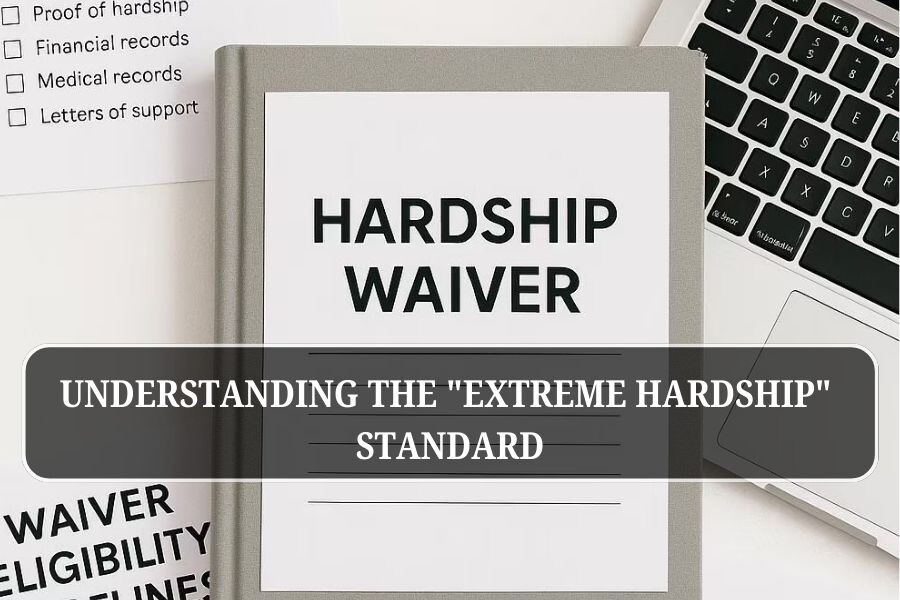
Understanding the “Extreme Hardship” Standard

To qualify for an I-601 or I-601A waiver, an applicant must demonstrate that their qualifying relative would suffer “extreme hardship” if the applicant were denied admission to the United States.

It is important to understand that USCIS (United States Citizenship and Immigration Services) considers standard hardship—such as missing a spouse or the financial cost of relocation—to be a normal consequence of deportation. To meet the threshold for a waiver, you must prove that the suffering goes beyond the common results of separation.

Defining Extreme Hardship

There is no single definition of extreme hardship in the statute, but case law and USCIS policy manuals point to several factors that are weighed in totality. A strong Extreme Hardship Psychological Evaluation will investigate and document the following areas:

  1. Mental Health Impacts: Does the qualifying relative suffer from depression, anxiety, or PTSD? Would separation exacerbate these conditions to a dangerous degree?
  2. Medical Conditions: Does the relative require care that only the applicant can provide? Would moving abroad to be with the applicant compromise the relative’s medical care?
  3. Financial Consequences: Would the loss of the applicant’s income lead to poverty, loss of housing, or an inability to pay for essential needs?
  4. Educational Impact: Would the relative (or their children) lose access to special education services or higher education opportunities?
  5. Country Conditions: If the relative were forced to relocate, would they face danger, war, or persecution in the applicant’s home country?

The Role of the Psychologist

A clinical psychologist or licensed clinical social worker (LCSW) does not decide if the hardship is “extreme”—that is the job of the immigration officer. Instead, the clinician’s role is to provide a detailed, clinical roadmap of the suffering.

Using standardized psychological testing and clinical interviews, the evaluator connects the dots. They don’t just say, “The spouse is sad.” They explain, “The spouse meets the clinical criteria for Major Depressive Disorder, Recurrent, Severe. Their condition has historically deteriorated without the support of the applicant, and separation poses a significant risk of hospitalization.” This clinical specificity is what transforms a personal story into powerful legal evidence.

The Virtual Assessment Process: Access Across 50 States

Historically, finding a therapist trained in forensic immigration evaluations was difficult. If you lived outside of a major immigration hub like Los Angeles, New York, or Miami, you might have had to travel hours to find an expert.

Today, telehealth has democratized access to justice. USCIS clinical assessment guidelines allow for evaluations to be conducted via secure video conferencing, provided the clinician is licensed and follows ethical standards. This means a family in rural Wyoming can work with a top-tier forensic expert based in Chicago.

How Virtual Evaluations Work

The process for a virtual evaluation is rigorous and mirrors an in-person visit, with added convenience.

  1. Identity Verification: At the start of the video call, the clinician will verify the identity of the person being evaluated using government-issued ID. This ensures the integrity of the process for USCIS.
  2. Secure Technology: All sessions are conducted on HIPAA-compliant video platforms. These platforms use end-to-end encryption to protect sensitive legal and medical information.
  3. The Clinical Interview: This is a deep-dive conversation, usually lasting 2 to 4 hours (sometimes split into two sessions). The clinician will ask about family history, the relationship history, traumatic experiences, and daily functioning.
  4. Digital Psychological Testing: Many standardized tests used to measure anxiety, depression, and trauma are now available in secure digital formats. The applicant can complete these on their computer or tablet under the clinician’s observation.

Advantages of the Virtual Model

  • Reduced Anxiety: Being in a home environment can make it easier for applicants to open up about traumatic or painful subjects.
  • No Travel Required: This removes a significant barrier for families who may not have reliable transportation or cannot afford to take a full day off work.
  • Flexible Scheduling: Virtual providers often offer evening or weekend appointments to accommodate working families.
  • Wider Selection of Experts: You can choose an evaluator based on their experience with your specific type of case (e.g., specific country conditions or medical knowledge) rather than just their location.

Psychological Evaluations for VAWA Cases

The Violence Against Women Act (VAWA) allows certain non-citizens who have been abused by a U.S. citizen or Lawful Permanent Resident spouse (or parent/child) to self-petition for legal status. This protects victims from being forced to stay in abusive relationships out of fear of deportation.

The Unique Nature of VAWA Evaluations

A VAWA evaluation differs significantly from a hardship waiver. In a hardship case, the focus is on the future impact of separation. In a VAWA case, the focus is on the past and present impact of abuse.

The “abuse” defined by VAWA includes physical violence, but it also encompasses “extreme cruelty.” This can include psychological manipulation, isolation, financial control, and threats of deportation.

A forensic evaluator in a VAWA case looks for the psychological sequelae of abuse. They document symptoms consistent with:

  • Battered Spouse Syndrome
  • Post-Traumatic Stress Disorder (PTSD)
  • Complex Trauma
  • Depression and Anxiety related to chronic fear

The evaluation serves as a vital piece of evidence, especially when there are no police reports or medical records of physical injury. The psychologist’s report validates the victim’s narrative, explaining how the abuser’s behavior constitutes “extreme cruelty” from a clinical perspective.

Psychological Evaluations for U-Visas

The U-Visa is designed for victims of certain crimes who have suffered mental or physical abuse and are helpful to law enforcement in the investigation or prosecution of criminal activity.

Proving Substantial Physical or Mental Abuse

To qualify for a U-Visa, the victim must demonstrate that they suffered “substantial physical or mental abuse” as a result of the crime. A USCIS clinical assessment for a U-Visa focuses heavily on the trauma caused by the specific criminal event (e.g., domestic violence, sexual assault, trafficking, felonious assault).

The evaluator assesses the long-term impact of the crime on the victim’s life.

  • Has the victim developed phobias related to the crime?
  • Do they suffer from flashbacks or nightmares?
  • Has their ability to work or parent been compromised by the trauma?

Because U-Visa cases often involve cooperation with police, the evaluation may also address how the victim’s trauma affects their ability to recall events or participate in the legal process.

Remote Immigration Testimony in 2026

As we move deeper into the digital age, the courtroom itself is changing. In 2026, the trend of ‘Remote Immigration Testimony’ has gained significant traction. Immigration courts, which are often backlogged, have increasingly adopted video teleconferencing (VTC) for hearings.

This shift has major implications for psychological evaluations.

The Evaluator as an Expert Witness

In some complex cases, a written report is not enough. An attorney may call the psychologist to testify as an expert witness to explain their findings or rebut a government challenge.

With remote testimony becoming standard, forensic experts can now testify in courts across the country without flying to the location. This reduces the cost for the applicant significantly. Instead of paying for an expert’s flight, hotel, and travel time, the family only pays for the hour the expert is on the screen.

Preparing for Remote Scrutiny

However, remote testimony requires high-quality preparation.

  • Tech Readiness: The evaluator must have professional lighting, high-quality audio, and a stable connection to maintain credibility. A pixelated or glitchy feed can subtly undermine the expert’s authority.
  • Document Access: During remote testimony, the expert needs to have instant access to their notes and the DSM-5-TR standards on their screen to answer cross-examination questions precisely.
  • Virtual Etiquette: Professional demeanor on camera is essential. The evaluator must look directly at the camera lens (simulating eye contact with the judge) rather than at the screen.

When choosing a provider for 50-state immigration evaluations, ask them about their experience with remote testimony. An evaluator who is comfortable and authoritative on video can be a decisive asset in a contested hearing.

Selecting the Right Evaluator for Your Case

Not every therapist is qualified to write an Immigration Hardship Waiver Assessment. A clinical therapist focuses on treatment and healing. A forensic evaluator focuses on assessment, objectivity, and legal standards.

When looking for a professional, consider the following checklist:

1. License and Jurisdiction

Ensure the provider is a licensed mental health professional (Psychologist, LCSW, LPC, or LMFT). While 2026 regulations often allow for interstate practice via compacts (like PSYPACT for psychologists), you must verify that the clinician is authorized to evaluate a client in your specific state.

2. Forensic Training

Ask specifically about their training in immigration evaluations. Have they been trained on the nuances of the I-601 waiver? Do they understand the specific legal definitions of “extreme hardship” versus “exceptional and extremely unusual hardship”? A general therapist may write a letter that is supportive but legally weak.

3. Report Quality and Turnaround

Ask to see a sample (redacted) report. A strong report should be 12-20 pages long, citing specific academic research, DSM-5-TR criteria, and detailed personal history. Also, confirm their turnaround time. Immigration deadlines are strict; you cannot afford to wait six weeks for a report when your filing date is in two weeks.

4. Language Access

If the applicant or qualifying relative does not speak English fluently, it is vital to have an evaluation conducted in their native language or with a certified interpreter. Nuance is everything in these interviews. A clinician who relies on family members to interpret violates ethical standards and risks producing an inaccurate report. Many nationwide firms now offer bilingual clinicians or integrated professional interpretation services.

Conclusion: Empathy Meets Evidence

The journey to legal status is rarely easy, but you do not have to walk it without support. An Extreme Hardship Psychological Evaluation is more than just a document; it is an opportunity to have your story heard, validated, and professionally documented.

In 2026, the barriers to accessing this critical service have lowered. With the rise of 50-state immigration evaluations via secure telehealth, families across the nation can access the expertise they need to present the strongest possible case to USCIS.

Whether you are filing for an I-601 hardship waiver, a VAWA petition, or a U-Visa, remember that the “hardship” you feel is real. The goal of a forensic evaluation is to translate that human reality into the legal language that decision-makers understand. By partnering with a qualified, empathetic, and tech-savvy forensic evaluator, you are taking a powerful step toward keeping your family together.

Next Steps for Applicants

  1. Consult Your Immigration Attorney: Before booking an evaluation, confirm which waiver you are applying for and who the “qualifying relative” is.
  2. Gather Medical Records: If your relative has physical health issues, gather those records now. The psychologist will need to review them to integrate them into the mental health report.
  3. Find a Forensic Specialist: Search for clinicians who specialize specifically in immigration law. Look for “immigration evaluation” or “forensic psychologist” rather than just “counselor.”
  4. Prepare for the Interview: Be ready to discuss difficult topics. It is normal to cry or feel emotional during the assessment. A good evaluator will create a safe, non-judgmental space for you to share your story.

Legal Consequences of Ignoring or Delaying the DOT SAP Program

Introduction: DOT Rules Are Federal Law, Not Optional Guidelines

If you fail or refuse a DOT-regulated drug or alcohol test, the DOT SAP Program becomes a legal requirement. It is not a suggestion, and it is not optional.

However, many drivers delay the SAP process because they feel overwhelmed or confused. As a result, they unknowingly create bigger legal problems than the original violation.

Because the DOT SAP Program is governed by federal law (49 CFR Part 40), ignoring or delaying it can lead to serious consequences. For this reason, understanding the legal risks of non-compliance is critical for protecting your CDL and long-term career.

Can You Work Without Completing the DOT SAP Program?

❌ Short Answer: No, Not in a Safety-Sensitive Role

Under DOT Return-to-Duty law, drivers and safety-sensitive employees are legally prohibited from working until the SAP process is completed.

However, some drivers believe they can continue working while “sorting things out.” Unfortunately, this misunderstanding often leads to severe penalties.

For example, if an employer allows safety-sensitive work without RTD clearance, both the employer and the driver may face compliance violations. As a result, many companies immediately remove drivers from duty to avoid legal exposure.

👉 Working without SAP completion is a direct violation of DOT regulations.

CDL Suspension vs CDL Disqualification: What’s the Legal Difference?

A CDL suspension is usually temporary. In most cases, it can be lifted once the SAP Program is completed correctly.

In contrast, CDL disqualification is more serious. It may occur due to repeated violations, refusal to test, or ongoing non-compliance with SAP requirements.

Because delays often signal continued risk, ignoring the DOT SAP Program increases the chance of disqualification. Therefore, timely compliance is often the best way to protect your CDL status.

👉 Delays can turn a temporary suspension into a long-term career setback.

Employer Legal Liability for DOT SAP Non-Compliance

DOT compliance is not only the driver’s responsibility. Employers also carry legal obligations.

For instance, employers may face penalties if they:

  • Allow safety-sensitive work without RTD clearance
  • Fail to check FMCSA Clearinghouse status
  • Ignore follow-up testing requirements
  • Use non-DOT-qualified SAP providers

As a result, many employers refuse to hire drivers with unresolved SAP violations. This decision is not personal. Instead, it is a legal safeguard.

👉 Employer caution is driven by federal compliance rules, not lack of trust.

FMCSA Clearinghouse: Permanent Record Risks You Must Know

Once a DOT violation is entered into the FMCSA Drug & Alcohol Clearinghouse, it does not disappear automatically.

Instead, the record remains visible until:

  • The SAP process is completed
  • RTD eligibility is granted
  • Required updates are properly reported

Because of this, delaying the SAP Program keeps your status marked as “Prohibited.” As a result, employers nationwide can see the unresolved violation.

Most importantly, Clearinghouse records follow you across states and employers. Therefore, ignoring SAP requirements can damage your job prospects long after the original incident.

What Happens If You Quit the SAP Program Halfway?

Stopping the SAP Program before completion is treated as non-compliance under DOT rules.

In this situation:

  • RTD eligibility is denied
  • Clearinghouse status remains unresolved
  • Employers are legally blocked from hiring you

Although you can restart the process later, delays often mean additional evaluations or repeated treatment. Consequently, quitting halfway usually makes the situation worse.

👉 Partial compliance is not accepted under FMCSA SAP compliance rules.

DOT SAP Compliance Rules You Cannot Skip

To remain legally compliant, the DOT SAP Program requires:

  • An initial SAP evaluation
  • Completion of all recommended treatment or education
  • A follow-up SAP evaluation
  • A negative Return-to-Duty test
  • A follow-up testing plan (up to 5 years)

Skipping any step creates legal non-compliance. Therefore, it is essential to follow the SAP plan exactly as written.

Why Legal Awareness Protects Your CDL and Career

Most drivers do not lose their CDL because of the test itself. Instead, they lose it because they delay action or misunderstand DOT rules.

By understanding the legal consequences of the DOT SAP Program, you can:

  • Avoid long-term Clearinghouse damage
  • Protect your CDL status
  • Improve employer trust
  • Return to work faster and legally

Ultimately, knowledge reduces risk.

Why Drivers Trust AACSCounseling.com

At AACSCounseling.com, we focus on compliance-first guidance. We help drivers:

✔ Understand DOT legal requirements
✔ Complete SAP evaluations correctly
✔ Avoid costly delays and mistakes
✔ Navigate FMCSA Clearinghouse reporting
✔ Protect long-term employability

Our DOT-qualified SAP professionals provide clear, lawful, and supportive guidance from start to finish.

Final Thoughts: Delay Equals Legal Risk

The DOT SAP Program is enforced under federal law. Ignoring or delaying it increases legal exposure for both drivers and employers.

However, timely compliance protects your CDL, career, and future job opportunities.

👉 If you’ve had a DOT violation, the safest legal move is to begin the SAP Program immediately and complete it correctly.

Refrence:

AACS Counseling Launches the Fastest and Cheapest Online DOT and DISA SAP Programs Nationwide

Virtual Return-to-Duty Evaluations with 30+ Years of Experience, Fast Turnaround, and Interest-Free Financing

For employees regulated by the Department of Transportation (DOT) or DISA Global Solutions, completing a Substance Abuse Professional (SAP) program is mandatory before returning to work after a drug or alcohol violation. Now, AACS Counseling is making the process easier, faster, and more affordable than ever with its fully online DOT and DISA SAP Programs, the most affordable and fastest return-to-duty programs nationwide.

With over 30 years of experience helping professionals return to work safely and compliantly, AACS Counseling leads the nation in virtual SAP evaluations, offering same-week appointments, rapid documentation, and interest-free financing, allowing clients to complete their program and pay later.

Virtual, Fast, and Affordable — AACS Counseling Redefines SAP Compliance Traditional SAP providers often require in-person sessions, lengthy scheduling, and higher fees, which can keep employees out of work for longer periods. AACS Counseling’s virtual platform eliminates these barriers, offering a faster and more efficient way to complete the DOT or DISA SAP process.
“We understand that time is money, especially when someone’s livelihood is on hold,” said a spokesperson for AACS Counseling. “Our fully online process allows clients to meet DOT or DISA requirements from home, complete their steps in record time, and return to work without financial strain.”

About the Online DOT and DISA SAP Programs

A SAP (Substance Abuse Professional) program is required for individuals in safety-sensitive positions who have violated drug or alcohol regulations.

DOT SAP Program – Required by federal law for employees under FMCSA, FAA, FRA, FTA, PHMSA, and USCG.

DISA SAP Program – Required by DISA Global Solutions for non-DOT and private-sector employees in safety-sensitive roles.

Both programs ensure employees receive evaluation, recommendations, and follow-up clearance before resuming work duties.

The AACS Counseling Advantage

  • Cheapest Nationwide SAP Program – Transparent, flat-rate pricing with no hidden fees.
  • Fully Virtual & Secure – 100% online via encrypted video sessions.
  • Fastest Return-to-Duty Turnaround – Most clients cleared in just a few days.
  • Interest-Free Financing Available – Complete your SAP program now, pay later.
  • 30+ Years of Nationwide Experience – Trusted by DOT, DISA, and leading employers.
  • DOT-Compliant (49 CFR Part 40) – Approved by federal standards and accepted nationwide.

How the Online SAP Process Works

Schedule Your Online SAP Evaluation – Meet with a DOT-qualified SAP counselor via video call.

Receive Recommendations – Tailored plan for education or treatment.

Complete Requirements Quickly – Most clients complete their requirements within days.

Follow-Up Evaluation & Clearance – Conducted online and reported to the employer, DOT Clearinghouse, or DISA.

The entire process is streamlined, virtual, and compliant, allowing individuals to return to work faster and stress-free.

Helping Clients Nationwide Return to Duty

AACS Counseling proudly serves truck drivers, pilots, railroad employees, pipeline operators, maritime workers, and private-sector professionals under both DOT and DISA regulations.
With virtual convenience, affordable pricing, and interest-free payment plans, AACS Counseling ensures every client can complete their SAP process quickly — without financial barriers.
Call Today: 800-683-7745
Email: info@aacscounseling.com
Visit: www.aacscounseling.com

About AACS Counseling

AACS Counseling is a nationwide provider of Substance Abuse Professional (SAP) evaluations, DOT return-to-duty programs, DISA compliance programs, and mental health assessments. With over 30 years of experience, AACS Counseling has helped thousands of individuals across all 50 states meet regulatory, employment, and licensing requirements.
Known for its affordable pricing, fast turnaround times, and virtual accessibility, AACS Counseling is trusted by DOT-regulated industries, DISA Global Solutions, licensing boards, and employers nationwide.

Call Now