DOT SAP Program Archives - Page 26 of 35 - AACS Counseling

The Legal Risks of Skipping a SAP Program After a DOT Violation

Introduction

If you’re a CDL driver or a safety-sensitive employee, the legal risks of skipping a SAP program after a DOT violation can be far greater than many realize. The Department of Transportation (DOT) mandates participation in a SAP (Substance Abuse Professional) program for anyone who fails or refuses a drug or alcohol test. Choosing to skip this requirement can put your career, commercial license, and even legal standing at risk.

What Happens If You Skip the SAP Program?

DOT regulations under 49 CFR Part 40 clearly state that anyone who violates DOT drug and alcohol policies must complete the SAP return-to-duty process before resuming safety-sensitive duties.

Skipping the SAP program can result in:

  • Suspension or revocation of your CDL license

  • Ineligibility for employment with DOT-regulated companies

  • Permanent record in the FMCSA Clearinghouse

  • Fines and legal actions against your employer

  • Possible lawsuits in the case of future incidents

👉 Skipping the SAP process doesn’t make the violation disappear—it only increases your vulnerability to legal consequences.

DOT Non-Compliance = Federal Risk

The DOT takes SAP violations seriously. Employers are legally prohibited from allowing you to return to duty without SAP clearance. If they do, both you and your employer can face legal action, including:

  • Civil penalties

  • Business liability claims

  • Lawsuits if incidents occur while you’re unqualified

🔗 Read about the DOT’s official SAP policy here

Why the SAP Program Exists

The SAP process is designed to support recovery—not punishment. It ensures you’re evaluated by a certified professional, receive the necessary treatment or education, and complete follow-up testing. It protects:

  • Public safety

  • Workplace integrity

  • Your long-term career stability

If skipped, you forfeit your legal pathway back to driving under DOT authority.

What CDL Employers See in the FMCSA Clearinghouse

When you skip the SAP program, your violation remains flagged in the FMCSA Clearinghouse, visible to all current and future employers. This status means:

  • You’re marked as “Not Cleared for Return-to-Duty”

  • No employer can legally hire you for DOT-regulated positions

  • You lose opportunities—even if you’re otherwise qualified

🔗 Check your Clearinghouse status here

Real-World Risks of Skipping the SAP Process

1. Loss of Current Job

Employers are legally bound to remove you from duty and cannot reinstate you without SAP clearance.

2. Inability to Get Hired

Skipping SAP flags your record, and most employers won’t consider applications with unresolved violations.

3. Legal Liability

In the event of an accident while operating without SAP clearance, you could face criminal or civil prosecution.

4. Extended Time Off-Road

The longer you delay the process, the more time you’re out of work—and the harder it becomes to re-enter the workforce.

How to Avoid These Legal Risks

Instead of skipping the SAP program, take proactive steps:

  • Start your SAP evaluation immediately

  • Choose a DOT-qualified SAP who can guide you properly

  • Follow through with treatment or education

  • Complete follow-up testing and receive clearance

Why Choose AACS Counseling?

At AACS Counseling, we help CDL drivers across the U.S. safely and legally return to work after a DOT violation. We offer:

  • Certified DOT-qualified SAPs

  • 100% online evaluations and follow-ups

  • Fast scheduling and supportive guidance

  • Nationwide service for Georgia, Florida, Texas, and beyond

🔗 View our DOT SAP Program
📧 info@aacscounseling.com
📞 800-683-7745

References:

Conclusion

Skipping a SAP program after a DOT violation might seem like a shortcut—but in reality, it leads to deeper legal trouble and longer career delays. The safest, smartest path is to complete your SAP evaluation and return-to-duty process legally with a trusted provider.

Can I Change My SAP Provider Once I’ve Started? Here’s the Process

Introduction

Starting the DOT return-to-duty process can be overwhelming for CDL drivers. But what if the Substance Abuse Professional (SAP) you’re working with isn’t the right fit? Whether it’s due to scheduling issues, communication concerns, or simply a lack of progress—you’re not stuck.

Yes, you can change your SAP provider even after starting. However, the process must follow DOT regulations to ensure compliance with 49 CFR Part 40.

Here’s a clear, step-by-step guide to help you make the switch the right way.

Why Might You Want to Change Your SAP Provider?

There are several valid reasons drivers want to switch SAP professionals, including:

  • Delayed or inconsistent communication

  • Limited appointment availability

  • Lack of clarity on the return-to-duty steps

  • Mismatch in communication style or trust

  • A preference for online evaluations

Can You Legally Change SAP Providers?

Yes, but with conditions.
DOT guidelines do not prohibit changing SAPs, but they emphasize that the decision must not be made to avoid compliance or to shop for an easier recommendation. This means:

  • You must start over with the new SAP (they will conduct a full new assessment).

  • Your previous SAP’s records cannot be transferred to influence the new provider’s SAP Evaluation.

Steps to Change Your SAP Provider:

1. Stop Working with the Current SAP

Let your current provider know you’re discontinuing the process. No need to give long explanations—just notify them formally (preferably via email).

2. Find a Qualified DOT SAP

Choose a provider who is DOT-qualified and listed in the FMCSA Clearinghouse. At AACS Counseling, we offer licensed, certified SAPs with flexible online evaluations nationwide.

3. Complete a New Initial Evaluation

The new SAP will treat you as a fresh case. A full assessment is required—even if you were halfway through with your previous provider.

4. Follow the New Treatment/Education Plan

Even if it’s similar to the previous plan, you must complete the program recommended by the new SAP to move forward.

5. Complete the Follow-Up Evaluation

After finishing the treatment or education plan, your new SAP will conduct a follow-up session and (if compliant) issue a Return-to-Duty eligibility report to your employer and the Clearinghouse.

Important Considerations:

  • No transfer of notes or reports from the previous SAP is allowed.

  • Your new SAP must be DOT-qualified—not just any counselor or therapist.

  • You must fully restart the process with the new SAP.

  • Attempting to switch SAPs for a “lighter” plan may raise red flags with employers.

Why Choose AACS Counseling?

At AACS Counseling, we understand how crucial a smooth, respectful, and legally sound SAP process is. We offer:

  • DOT-compliant online evaluations

  • Fast appointment scheduling

  • Full support from assessment to follow-up

  • Nationwide availability for CDL drivers and other DOT-covered employees

Ready to Switch Your SAP Provider?

We’re here to help you start fresh—with professionalism, compliance, and care.

👉 Contact us today:
🌐Change SAP provider DOT
📧 info@aacscounseling.com
📞 800-683-7745

Can You Drive During the SAP Return-to-Duty Process? Legal and Practical Answers

If you’re a CDL driver who has recently tested positive on a DOT drug or alcohol test, your career may feel like it’s come to a sudden halt. One of the most common and urgent questions we hear at AACS Counseling is: Can I drive during the SAP Return-to-Duty (RTD) process? The answer is critical—not just for your livelihood, but also for remaining compliant with DOT regulations under 49 CFR Part 40.

In this article, we break down the legal restrictions, FMCSA regulations, and real-world implications of driving while you’re undergoing the SAP Return-to-Duty process.

Can You Legally Drive During the SAP Return-to-Duty Process?

No, you are not legally allowed to operate a commercial motor vehicle (CMV) that requires a CDL while you’re still in the SAP process and have not been cleared for return-to-duty testing.

Here’s Why:

  • Under 49 CFR §40.305, after a DOT violation, you are immediately removed from safety-sensitive functions—which includes driving.

  • You can only resume driving once a qualified DOT SAP (Substance Abuse Professional) has determined you successfully complied with the recommended treatment/education plan and passed a Return-to-Duty drug and/or alcohol test.

What Is the SAP Return-to-Duty Process?

The SAP RTD process is a multi-step program designed to ensure that drivers who violate drug or alcohol testing rules are fit to return to duty.

Steps Include:

  1. SAP Evaluation – A face-to-face assessment by a DOT-qualified SAP.

  2. Treatment or Education – As recommended by the SAP.

  3. Follow-Up Evaluation – The SAP determines compliance.

  4. Return-to-Duty Test – A directly observed test (drug/alcohol) with a negative result.

  5. Follow-Up Testing Plan – Post-return testing may extend for up to five years.

👉 Until you complete Steps 1–4, you are prohibited from driving any CMV that falls under FMCSA jurisdiction.

Can You Drive Non-CDL Vehicles?

This is a gray area and depends on employer policies and state laws. While DOT regulations apply specifically to CDL-required roles:

  • Some employers may restrict you from driving any company vehicle.

  • You may be permitted to drive non-regulated vehicles, but this does not reset your DOT violation status.

  • Insurance limitations may also apply, as many carriers require SAP clearance for any driving position.

What Happens If You Drive Illegally During the SAP Process?

Driving a CMV without SAP clearance and a negative RTD test can result in:

  • Federal penalties or fines

  • Ineligibility for future CDL jobs

  • Employer termination

  • Permanent disqualification from safety-sensitive functions (in extreme cases)

Worse, if an accident occurs during unauthorized driving, you and your employer could face serious legal and financial liability.

When Can You Start Driving Again?

You can legally drive again only when:

  • A DOT-qualified SAP has completed your follow-up evaluation.

  • You pass a Return-to-Duty test (directly observed).

  • Your employer receives written confirmation from the SAP that you are eligible to return to safety-sensitive duties.

Important: Employers are not required to rehire you—even after completing the SAP process. However, many do, and others may consider hiring you once you provide proof of SAP compliance and a clean RTD test result.

Why Choose AACS Counseling for Your SAP Return-to-Duty Process?

At AACS Counseling, we provide:

  • DOT SAP Evaluation nationwide

  • Personalized guidance to navigate the RTD process quickly and compliantly

  • Fast scheduling, virtual and in-person evaluations

  • Clear communication with employers and MROs

  • Ongoing support throughout your follow-up testing period

Thousands of drivers across the U.S. have successfully returned to duty with our help.

Final Thoughts

The answer to “Can you drive during the SAP Return-to-Duty process?” is straightforward: No, not until you complete all SAP steps and pass your RTD test.

Trying to shortcut the process could cost you your career.

If you’re ready to begin the SAP process and get back on the road safely and legally, we’re here to help.

 Get Started Today

Contact AACS Counseling now to schedule your SAP Evaluation or learn more about how we can help you return to work quickly.

📍 Schedule Your SAP Evaluation
📧 info@aacscounseling.com
📞 Call Us: 800-683-7745

Can I Dispute a Refusal to Test?

In the world of Department of Transportation (DOT) compliance, few things are as confusing—or as damaging—as a “refusal to test.” You might think a refusal only happens when someone blatantly says “no” to a drug test.

However, many drivers and safety-sensitive employees find themselves slapped with a refusal charge for situations they didn’t realize were violations, like leaving the collection site too early or being unable to provide a urine sample.

If you are facing a refusal charge, you are likely asking: Can I fight this? Is my career over?

This guide explains exactly what constitutes a refusal, how the Substance Abuse Professional (SAP) fits into the picture, and what options you have for moving forward.

What Actually Counts as a “Refusal to Test”?

Most people assume a refusal is a verbal declination. While saying “I won’t take the test” is definitely a refusal, the DOT regulations (49 CFR Part 40) define refusal much more broadly.

Understanding these definitions is critical because, in the eyes of the DOT, a refusal is treated exactly the same as a positive drug test. The consequences are immediate and severe.

Here are the most common scenarios that trigger a refusal:

1. Leaving the Collection Site

This is the most common trap. once you have arrived at the collection site and the testing process has begun, you cannot leave until the process is complete.

  • The Scenario: You arrive for a test, but the wait time is long. You decide to run an errand or step outside to make a phone call.
  • The Result: If you leave the premises before the test is finished, it is a refusal. Even if you intended to come right back, leaving the site without permission terminates the test and is recorded as a refusal.

2. “Shy Bladder” (Failure to Provide a Specimen)

If you cannot provide a sufficient amount of urine (45 mL) within the allotted time, it can be deemed a refusal.

  • The Process: If you can’t go initially, the collector will start a “shy bladder” protocol. You are given up to 40 ounces of fluid and must remain at the site for up to three hours to try again.
  • The Result: If you leave before the three hours are up, it is a refusal. If the three hours pass and you still haven’t provided a sample, it is flagged. This leads to a medical evaluation (discussed below). If no medical reason is found for your inability to provide a sample, it becomes a refusal.

3. Failure to Cooperate

The collector is in charge of the testing environment. If you refuse to follow their instructions, it can be marked as a refusal. This includes:

  • Refusing to empty your pockets.
  • Refusing to wash your hands.
  • Behaving in a confrontational way that disrupts the process.
  • Refusing to take a second test if the collector requires it (e.g., if the first sample was out of temperature range).

4. Adulteration or Substitution

If you are caught trying to cheat the test—using synthetic urine, someone else’s urine, or adding chemicals to your sample—it is an automatic refusal.

The Role of the Medical Evaluation in “Shy Bladder” Cases

One of the few times a refusal can be overturned or cancelled is during a “shy bladder” situation.

If you stay for the full three hours and drink the fluids but still cannot provide a sample, the Medical Review Officer (MRO) will direct you to obtain a medical evaluation from a physician.

The physician has a very specific job: to determine if a pre-existing medical condition stopped you from providing the sample.

  • If a medical condition exists: The test is cancelled. No violation is recorded.
  • If NO medical condition is found: The physician reports this to the MRO, and the MRO marks the result as a “Refusal to Test.” Anxiety or “stage fright” is generally not considered a valid medical explanation under DOT rules.

The Role of the Substance Abuse Professional (SAP)

Once a refusal is verified by the MRO, you are immediately removed from safety-sensitive duties. You cannot drive, dispatch, or perform safety-sensitive work for any DOT employer.

To return to work, you must go through the Return-to-Duty (RTD) process, which is guided by a Substance Abuse Professional (SAP).

What does the SAP do in a refusal case?

Many drivers ask, “Why do I need a substance abuse counselor if I didn’t actually fail a drug test? I just left the site early.”

The DOT regulations do not distinguish between a positive test and a refusal. Both indicate non-compliance with safety regulations. Therefore, the SAP’s role is mandatory regardless of why the refusal occurred.

  1. Face-to-Face Assessment: The SAP evaluates you to understand your history and the circumstances of the refusal.
  2. Education and Treatment Plan: The SAP prescribes a plan. Even if you do not have a drug addiction, you may be required to take educational courses on the importance of safety regulations and compliance.
  3. Follow-Up Evaluation: The SAP determines if you have successfully complied with the plan.
  4. Clearance for Testing: The SAP authorizes you to take a Return-to-Duty test.

You cannot bypass the SAP. Until an SAP signs off on your case, your refusal remains unresolved in the Clearinghouse, and you remain unemployable in a safety-sensitive role.

Can I Dispute or Appeal a Refusal?

Disputing a refusal is difficult, but the path depends on who determined the refusal.

If the MRO determined the refusal (e.g., Adulteration/Substitution):

You have the right to request a test of the “split specimen” (Bottle B) within 72 hours. If the second bottle does not show the same tampering evidence, the test may be cancelled.

If the Employer or Collector determined the refusal (e.g., Leaving the site):

This is harder. There is no “split specimen” for leaving a building.

  • Fact-Finding: You must prove that the events didn’t happen as described. For example, if the collector says you left, but you have proof you were still in the waiting room, you might have a case.
  • Procedural Errors: If the collector made a “fatal flaw” (a significant error in the testing protocol), the test might be cancelled. These flaws are specific and technical (e.g., the collector forgot to sign the chain of custody form).

However, you generally cannot appeal simply because you “didn’t know the rules.” Ignorance of the regulation that you cannot leave the site is not a valid defense.

If you believe the refusal was recorded in error, you should contact the MRO immediately to discuss your side of the story during the verification interview.

Frequently Asked Questions

What happens if I refuse to test?

The consequences are immediate. Your employer must remove you from safety-sensitive functions (like driving) immediately. The refusal is reported to the FMCSA Drug and Alcohol Clearinghouse. You cannot perform safety-sensitive duties for any employer until you complete the SAP Return-to-Duty process.

Can I appeal a refusal?

It depends on the type of refusal. You can request a split specimen test for adulteration or substitution findings. For procedural refusals (like leaving the site), there is no formal “appeal” board, but MROs have the authority to determine if a refusal occurred based on the facts. If you believe the collector acted improperly, you must present that evidence to the MRO or your employer immediately.

Does a refusal go on my record?

Yes. A refusal is recorded in the Drug and Alcohol Clearinghouse just like a positive drug test. It stays on your record for five years or until you complete the Return-to-Duty process, whichever is longer. If you never complete the process, the refusal remains on your record indefinitely.

Conclusion

A refusal to test is a serious career hurdle. It usually stems from a misunderstanding of the rules, panic, or frustration at the collection site. While it feels unfair to be punished for leaving a waiting room, the regulations are strict to ensure public safety.

If you have a refusal on your record, the best path forward is usually not to fight a losing battle, but to engage with a qualified SAP immediately. By following the Return-to-Duty process, you demonstrate your professionalism and commitment to safety, allowing you to get back to work as quickly as possible.

DOT Rule 49 CFR Part 40 Section 40.307 Explained: Return-to-Duty Process After a Violation

The DOT Rule 49 CFR Part 40 Section 40.307 is a critical regulation within the Department of Transportation’s drug and alcohol testing procedures. This section specifically outlines the Return-to-Duty (RTD) process for employees who have violated drug or alcohol testing regulations.

Understanding this rule is essential for employers, employees, and Substance Abuse Professionals (SAPs) involved in the DOT drug and alcohol testing program. This blog breaks down the key components of Section 40.307 and explains its implications.

What is 49 CFR Part 40 Section 40.307?

Section 40.307 governs the Return-to-Duty (RTD) process for employees who have tested positive for drugs or alcohol or have refused testing under DOT regulations. It sets out the mandatory steps that must be followed before an employee can return to safety-sensitive duties after a violation.

According to the rule, before returning to safety-sensitive functions, the employee must:

  1. Undergo a face-to-face evaluation with a Substance Abuse Professional (SAP).

  2. Complete the treatment and/or education program prescribed by the SAP.

  3. Pass a return-to-duty drug and/or alcohol test with a verified negative result.

Key Requirements of Section 40.307

1. SAP Evaluation

A DOT-qualified SAP must conduct an in-person evaluation to assess the employee’s needs. This evaluation determines the severity of the substance use issue and guides the development of a treatment or education plan.

2. Treatment and Education

The employee must complete all recommended treatment or education components. These can range from counseling sessions to rehabilitation programs tailored to the individual’s needs.

3. Return-to-Duty Test

After completing the SAP’s recommendations, the employee must take a return-to-duty test for drugs and/or alcohol. The result must be negative and verified by a certified laboratory before the employee is allowed to resume safety-sensitive functions.

Importance for Employers and Employees

Section 40.307 protects public safety by ensuring that employees in safety-sensitive positions are fully evaluated and cleared before returning to work. Employers must comply with these regulations to avoid legal and safety liabilities.

Employees benefit from this rule because it provides a clear pathway to recovery and return to employment after a violation, emphasizing rehabilitation over punishment.

Additional DOT Regulations Related to 40.307

Section 40.307 works closely with other parts of 49 CFR Part 40, such as:

  • Section 40.309 — Follow-up testing requirements after return-to-duty.

  • Section 40.311 — Consequences for not following SAP recommendations.

For a full list of regulations, the official eCFR Part 40 website is a comprehensive resource.

Conclusion

Understanding DOT Rule 49 CFR Part 40 Section 40.307 is vital for anyone involved in DOT drug and alcohol testing. This section ensures that employees who have violated regulations receive appropriate evaluation and treatment before returning to safety-sensitive duties.

For employers, adherence to these rules is mandatory for safety and compliance. For employees, it offers a structured process toward rehabilitation and resuming their careers safely.

Source:

SAP vs Non-DOT Counseling – What’s the Difference?

When it comes to substance abuse treatment and evaluations, SAP vs non-DOT counseling is a distinction many people struggle to understand. If you’re a commercial driver or involved in a DOT-regulated industry, knowing the difference between SAP and non-DOT counseling can save your job—and ensure you’re meeting federal compliance standards.

What Is SAP Counseling?

SAP (Substance Abuse Professional) counseling is specifically designed for employees regulated by the Department of Transportation (DOT) who have violated drug and alcohol testing rules.

  • Mandatory for CDL drivers and DOT-covered employees

  • Involves a formal Return-to-Duty (RTD) process

  • Conducted by DOT-qualified SAPs only

  • Required to re-enter safety-sensitive positions

  • Strictly follows 49 CFR Part 40 guidelines

SAP evaluations are legally required—not optional—after a DOT drug or alcohol violation.

🔗 Learn more about the DOT  SAP Program

 What Is Non-DOT Counseling?

Non-DOT counseling is for individuals not regulated by DOT rules, including private-sector employees or court-mandated cases. It’s often part of:

  • Employee Assistance Programs (EAPs)

  • Court orders (e.g., DUI or substance violations)

  • Voluntary therapy or treatment programs

  • Corporate drug-free workplace policies

Unlike SAP, non-DOT counseling is more flexible and not tied to federal guidelines. It allows for various therapy approaches, including outpatient, inpatient, and talk therapy.

Key Differences at a Glance

FeatureSAP Counseling (DOT)Non-DOT Counseling
Mandated ByU.S. DOT (49 CFR Part 40)Employer, court, or voluntarily
Required ForCDL drivers, DOT employeesGeneral workforce or individuals
Provider RequirementsDOT-qualified SAPs onlyLicensed counselors/therapists
Return-to-Duty ProcessMandatory steps and follow-up testingNot required (unless employer-mandated)
Compliance MonitoringYes, with strict documentationVariable, depending on context

If you’re a CDL driver, you cannot return to safety-sensitive duties without completing a SAP evaluation and the entire RTD process. Employers must ensure that only SAP-cleared drivers return to duty to avoid federal penalties.

📞 Need help fast? Call us at 800-683-7745 or visit our SAP Evaluations Nationwide page

Which One Is Right for You?

  • Choose SAP Counseling if you’re part of a DOT-regulated workforce (FMCSA, FAA, FRA, etc.) and failed a drug/alcohol test.

  • Choose Non-DOT Counseling if you’re fulfilling a court order, part of a private company policy, or seeking help voluntarily.

Final Thoughts

Understanding the SAP vs non-DOT counseling difference is critical—especially in 2025, where regulations and compliance requirements are more stringent than ever.

At AACS Counseling, we offer both DOT SAP evaluations and non-DOT substance abuse programs, available online and in-person across the U.S.

References: 

DOT Return-to-Duty Process Explained

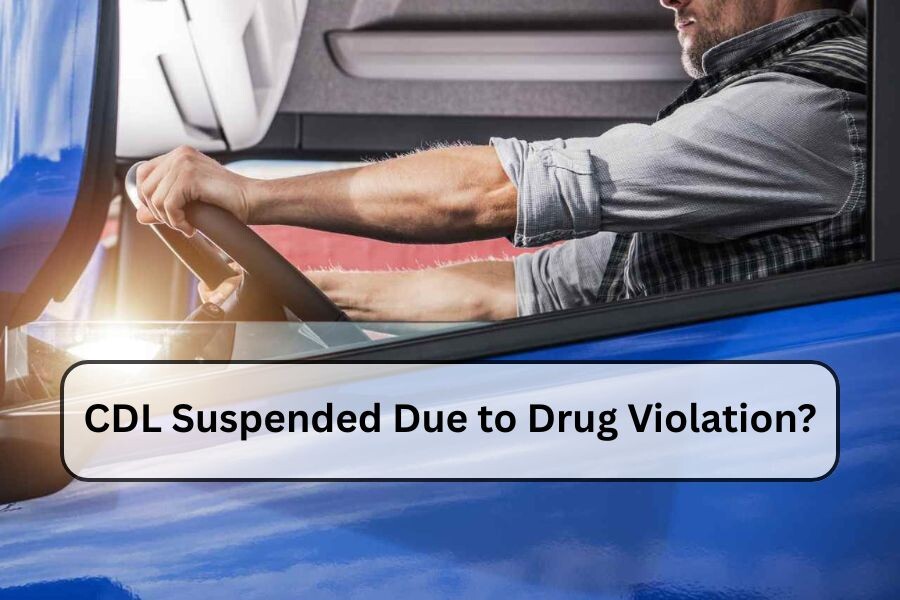
CDL Suspended Due to Drug Violation? Here’s How the SAP Program Can Help

If your CDL (Commercial Driver’s License) was suspended due to a drug violation, don’t panic. You’re not alone, and help is available. The DOT SAP Program offers a clear, structured way to get back behind the wheel legally and safely.

The SAP (Substance Abuse Professional) Program is required under DOT regulations. If a driver fails or refuses a DOT drug or alcohol test, they must complete this program before returning to work. The process begins with an evaluation by a qualified SAP. They’ll create a custom treatment or education plan based on your situation.

After completing the program, you must pass a return-to-duty drug or alcohol test. Once you do, you’re eligible to drive again. Employers can only rehire you after verifying your SAP completion.

Why the DOT SAP Program Matters

The SAP Program isn’t just a box to check. It helps you understand what led to the violation and how to avoid future problems. Most importantly, it shows employers that you’re committed to safety and improvement.

Delaying the process keeps you off the road longer. Taking action now helps restore your career faster.

Ready to Start?

We can connect you with a DOT-qualified SAP near you. Our team will guide you through the return-to-duty steps with care and speed.

👉 Explore our SAP Evaluation Services 
👉 FMCSA Drug & Alcohol Testing Program

How the DOT Return-to-Duty Process Has Changed Since 2020: What Employers & Drivers Must Know

Since 2020, the DOT Return-to-Duty process has undergone significant updates, reshaping how commercial drivers and employers manage substance abuse compliance. These changes were driven by evolving federal regulations, the integration of the FMCSA Clearinghouse, and an increasing shift toward telehealth services.

Let’s dive into what’s new—and what you must do in 2025 to remain compliant.

Key Changes to the DOT Return-to-Duty Process Since 2020

1. Mandatory FMCSA Clearinghouse Reporting

Since January 2020, all DOT drug and alcohol violations must be reported in the FMCSA Drug & Alcohol Clearinghouse. Employers are now required to:

  • Perform full queries before hiring a CDL driver.

  • Conduct annual limited queries.

  • Immediately report any drug/alcohol violations.

Keyphrase used: DOT Return-to-Duty process

2. CDL Downgrades for Prohibited Drivers (2024 Update)

As of November 2024, drivers in “prohibited” status will face automatic CDL downgrades if not enrolled in a DOT SAP program. This intensifies the urgency for drivers to begin the Return-to-Duty process immediately after violation.

Read about the CDL downgrade rule update

3. Telehealth SAP Evaluations

One of the biggest innovations post-2020 is the availability of online SAP evaluations. These sessions are DOT-compliant and help drivers:

  • Begin evaluations faster

  • Save on travel expenses

  • Access SAP professionals nationwide

This change makes the DOT Return-to-Duty process more accessible than ever.

What Employers Must Do Differently in 2025

  • Maintain up-to-date Clearinghouse records

  • Verify SAP completion before allowing a driver to return

  • Educate drivers on the consequences of violations and the steps in the RTD process

FMCSA Clearinghouse for Return-to-Duty reporting

What Drivers Must Know in 2025

  • You cannot return to safety-sensitive duties until you:

    • Complete a DOT SAP evaluation

    • Finish required treatment

    • Pass a return drug/alcohol test

Delays can now result in license downgrades and longer reentry time.

Conclusion: Stay Ahead of the Changes

The DOT Return-to-Duty process is no longer what it was in 2020. With new policies, stricter enforcement, and modern tools like telehealth, both employers and CDL drivers must stay informed and proactive.

Suggestions:

Online vs In-Person SAP Evaluations: Pros, Cons, and Legal Differences

As more CDL drivers face DOT violations, the demand for SAP evaluations is at an all-time high. One of the most frequent questions we hear is: “Should I choose an online SAP evaluation or go in person?” The answer depends on your unique situation—but legal compliance, convenience, and timelines all matter.

At AACS Counseling, we offer both online and in-person SAP evaluations, and this guide will help you understand the key differences, benefits, and DOT regulations involved in each.

What Is a DOT SAP Evaluation?

A Substance Abuse Professional (SAP) Evaluation is a mandatory step in the DOT Return-to-Duty (RTD) process after a failed drug or alcohol test. It determines what education or treatment is needed before a driver can legally return to safety-sensitive functions like driving a commercial motor vehicle (CMV).

All SAPs must meet the requirements of 49 CFR Part 40.281 and be listed on the DOT SAP Clearinghouse.

Online SAP Evaluations: What You Need to Know

Pros:

  • Convenient access from anywhere—no need to travel

  • Faster appointment availability

  • Ideal for rural areas or drivers without local providers

  • Conducted via secure, HIPAA-compliant platforms

Cons:

  • Requires stable internet and a private space

  • May not be accepted by all employers (though DOT does allow it)

  • Less personal connection compared to in-person sessions

Legal Note:

DOT does allow remote evaluations as long as they comply with Part 40 regulations, and the SAP uses video conferencing (not phone calls or emails).

In-Person SAP Evaluations: When Are They Better?

Pros:

  • Preferred by traditional employers and MROs

  • Builds stronger rapport and trust with the SAP

  • Ideal for complex cases involving multiple violations

Cons:

  • May involve travel time and higher costs

  • Fewer appointment slots available in high-demand areas

Legal Note:

In-person evaluations are always DOT-compliant and may be required by certain union contracts or employer policies.

Which Option Is Right for You?

CriteriaOnline SAP EvaluationIn-Person SAP Evaluation
DOT Legal Compliance✅ Yes (video only)✅ Yes
Faster Availability✅ Typically faster❌ May have delays
Preferred by Employers⚠️ Varies by company✅ More widely accepted
Convenience✅ No travel needed❌ Travel required
Privacy Needs✅ Remote setting✅ Private office setting
Strong Rapport⚠️ Limited✅ Stronger SAP-client connection

Both online and in-person SAP evaluations are legally valid if they meet DOT requirements. However:

  • Online evaluations are ideal for speed and convenience.

  • In-person sessions may be better if you face complex violations, multiple employers, or work with strict unions.

Ultimately, choosing a DOT SAP Program—whether online or in person—is the most important step in getting back to work legally and quickly.

Why Choose AACS Counseling?

At AACS Counseling, we offer:

  • DOT-compliant online and in-person SAP evaluations

  • Fast turnaround and flexible scheduling

  • Nationwide service across the U.S.

  • Personalized Return-to-Duty guidance

Get Back on the Road—Legally

Need an SAP Evaluation now? Whether online or in person, we’re here to help you complete your RTD process and protect your CDL.

📍 Schedule an SAP Evaluation Now
📧 info@aacscounseling.com
📞 Call Us: 800-683-7745

2025 SAP Evaluation Online Guide: Fast, Legal & DOT-Approved Telehealth Options

Completing a SAP Evaluation online has become the preferred method for many commercial drivers in 2025. Thanks to FMCSA-approved telehealth options, the entire Return-to-Duty (RTD) process can now begin from the comfort of your home. This guide walks you through the step-by-step process to legally and reliably complete your DOT SAP Evaluation online.

What Is a SAP Evaluation?

A Substance Abuse Professional (SAP) Evaluation is mandatory for CDL drivers who have violated DOT drug and alcohol testing regulations. The goal is to determine whether you’re eligible to return to safety-sensitive duties.

In 2025, drivers can now opt to complete their SAP Evaluation online via secure video conferencing, eliminating the need for travel or long delays.

Is a SAP Evaluation Online Legal in 2025?

Yes. The FMCSA officially allows telehealth SAP Evaluations, provided the SAP meets DOT’s credential requirements and follows the proper protocols.

For detailed FMCSA policy guidance, visit the official Clearinghouse website.

Step-by-Step: How to Complete Your SAP Evaluation Online

Step 1: Find a DOT-Qualified SAP

Make sure your SAP is listed in the DOT Clearinghouse and is qualified to offer telehealth evaluations.

Step 2: Schedule a Telehealth Appointment

Choose a HIPAA-compliant video platform. Most SAPs provide a secure video link.

Step 3: Attend the Initial Evaluation

Be prepared to discuss your test violation, lifestyle, and readiness to return to work.

Step 4: Follow the Recommended Treatment Plan

This may include counseling, education sessions, or follow-ups—often available online as well.

Step 5: Complete the Follow-Up Evaluation

The SAP will reassess your progress and determine if you’re eligible to return to duty.

Benefits of SAP Evaluation Online

  • Time-saving: No travel delays.

  • Nationwide Access: Get evaluated by top SAPs regardless of location.

  • Confidential: Secure, HIPAA-compliant platforms.

  • Faster RTD Process: Immediate scheduling and follow-ups.

Is It Reliable?

Absolutely. In fact, over 40% of SAP participants in 2024 completed their evaluations online, according to internal data from DOT-certified programs. The virtual format meets the same legal and therapeutic standards as in-person evaluations.

SAP Evaluation online via secure video call

Internal & External Resources:

Final Thoughts

With the growing availability of telehealth services, completing your SAP Evaluation online is not only legal—it’s often the most efficient way to return to work in 2025. Make sure to choose a qualified SAP and follow all DOT regulations to ensure a smooth RTD process.

Call Now