May 2025 - Page 6 of 6 - AACS Counseling

Why CDL Drivers Are Required to Take a DOT SAP Evaluation after Failing a Drug Test

The life of a CDL (Commercial Driver’s License) driver is demanding. Requiring long hours on the road and significant responsibility for the safety of passengers and cargo. Operating large commercial vehicles safely is paramount, which is why the Department of Transportation (DOT) enforces strict regulations to ensure drivers remain sober and capable while behind the wheel. One such regulation is the requirement for CDL drivers to undergo a DOT SAP Evaluation if they fail a drug or alcohol test. If you’re a CDL driver facing this situation, understanding why this step is essential and how to move forward is critical.

This article explores the purpose and importance of the DOT SAP evaluation, the legal framework behind it. How the process works, and why it plays a vital role in helping you return to duty. By the end, you’ll have a clear understanding of what to expect and how to make the most of this mandated process.

The Role of the DOT SAP Evaluation

A DOT SAP evaluation serves as a key step in addressing substance use concerns among CDL drivers while ensuring public safety remains a top priority. If you fail a drug or alcohol test, federal regulations stipulate that you can’t return to safety-sensitive job duties. Such as operating a commercial vehicle, without first completing this evaluation and fulfilling all required steps in the return-to-duty process.

The SAP evaluation involves working with a Qualified Substance Abuse Professional who assesses your situation. Determines the appropriate course of action, and monitors your progress toward treatment or education. This evaluation is not just a checkbox to regain employment; it is a structured approach designed to reduce the risk of substance abuse on the roads.

The Importance of Safety on the Roads

The safety risks posed by impaired driving cannot be overstated. Commercial vehicles are larger, heavier, and more difficult to maneuver than standard cars. A single moment of impaired judgment or slowed reaction time can lead to devastating accidents. Endangering not only the driver but also other road users. The DOT SAP evaluation is designed to help CDL drivers address any issues that could compromise their ability to operate safely. Providing them with a pathway to recovery and responsible driving.

The Legal and Regulatory Framework

The requirement for CDL drivers to take a DOT SAP evaluation is rooted in federal regulations set forth by the DOT’s Federal Motor Carrier Safety Administration (FMCSA). These rules are detailed under 49 CFR Part 40. A regulation that governs drug and alcohol testing procedures for employees performing safety-sensitive functions.

Under these regulations:

  • Reason for Testing: CDL drivers undergo drug and alcohol testing under various circumstances. Including pre-employment screenings, random drug tests, post-accident investigations, and reasonable suspicion testing.
  • Consequences of Failing a Test: Any violation, such as testing positive for controlled substances like marijuana, cocaine, amphetamines, or alcohol above the legal limit, immediately removes drivers from safety-sensitive duties.
  • Mandatory Steps After Failing: Drivers who fail a test must complete the DOT SAP evaluation process before they can begin the return-to-duty process and regain employment eligibility within the trucking and transportation industry.

Compliance with these stringent rules helps maintain the overarching goal of reducing road incidents involving substance-impaired drivers.

DOT SAP Evaluation

Steps in the DOT SAP Evaluation Process

If you’ve failed a CDL drug or alcohol test, the DOT SAP evaluation process will guide you toward addressing substance use issues.

Here’s an overview of the critical steps involved:

  • Initial SAP Assessment: Once notified of a failed test, you’ll need to contact a qualified DOT Substance Abuse Professional. During your initial evaluation, the SAP will assess your history, substance use patterns. And any underlying factors contributing to the failed test. This session allows the SAP to determine the severity of your case and recommend an appropriate treatment or educational program to address your needs.
  • Treatment or Education Program: Based on the SAP’s assessment, you’ll be required to participate in a rehabilitation program, counseling sessions, or substance abuse education. These programs aim to help CDL drivers understand the impact of substance abuse and develop strategies to avoid it in the future. The type and length of the program vary depending on your specific circumstances but must be completed as directed by the SAP.
  • Compliance Monitoring: Throughout your treatment or education, the SAP monitors your compliance and progress, ensuring you meet all requirements.
  • Follow-Up SAP Evaluation: After completing the recommended program, you’ll attend a follow-up evaluation. The SAP will assess whether you’ve successfully met all criteria and determine your fitness to return to duty.
  • Return-to-Duty Test: Once cleared by the SAP, you must pass a return-to-duty drug or alcohol test. This test must show no traces of prohibited substances in your system.
  • Follow-Up Testing Schedule: Even after returning to work, you’ll be required to submit to unannounced follow-up tests over a specified period, as directed by the SAP. This testing is meant to ensure ongoing compliance.

How the DOT SAP Evaluation Helps CDL Drivers Return to Duty

Completing the DOT SAP Evaluation is a lifeline for CDL drivers looking to reclaim their careers. Not only does it enable drivers to get back on the road, but it also serves as a foundation for long-term professional and personal success.

Legal Reinstatement of Driving Privileges

CDL drug test failures are recorded and made accessible in the FMCSA Drug and Alcohol Clearinghouse, a database used to track violations. Until you complete the SAP process, your record will reflect your ineligibility to operate a commercial vehicle. Successfully completing the evaluation and returning to duty clears your status.

Access to Professional Guidance and Support

Dealing with a failed drug test can feel isolating and overwhelming. A Qualified SAP offers professional, nonjudgmental support to guide you through treatment. And ensure you’re set up for success as you re-enter safety-sensitive work.

Improved Road Safety

Addressing substance use concerns through education and counseling not only helps your career but also protects others on the road. By completing the SAP process, you’re helping to build safer highways for everyone.

 Personal Development and Growth

The process can also act as a turning point in your personal life, motivating you to adopt healthier habits and make better choices. Many drivers find renewed purpose and fulfillment after completing the SAP program.

Challenges and How to Overcome Them

Navigating the DOT SAP evaluation process may seem daunting. But understanding the steps and accessing the right resources can make the experience smoother. Remember, the evaluation isn’t designed to punish; it’s a structured opportunity for self-improvement. If you encounter challenges, such as financial concerns or difficulty finding SAP providers. Prioritize reaching out to industry organizations, employers, or local resources for help.

Regaining Control of Your Career

Failing a drug test as a CDL driver is a serious setback. But it doesn’t have to spell the end of your career. The DOT SAP evaluation process is designed to ensure public safety while offering drivers a pathway back to work. By engaging with the evaluation process, committing to treatment, and demonstrating compliance. You can regain your CDL privileges and rebuild your professional reputation.

Completing the SAP evaluation is both a requirement and an opportunity. It’s a chance to learn from your mistakes, make meaningful changes, and demonstrate your commitment to safe, responsible driving. If you’re facing this challenge. Take the first step today by finding a Qualified SAP provider and getting started on the path to recovery and redemption.

Your career matters, and with perseverance, you can move past this hurdle and continue to drive toward your goals.


Why Is My Clearinghouse Record Still Prohibited?

You have done everything right. You met with a Substance Abuse Professional (SAP), you completed your education or treatment program, and you walked into a collection site and passed your observed Return-to-Duty drug test. You are ready to get back in the truck and start earning a paycheck again.

There is just one problem: You logged into the FMCSA Drug and Alcohol Clearinghouse, and big red letters still say “PROHIBITED.”

Panic sets in. Did you fail the test? Did the lab lose your sample? Is your career over?

Take a deep breath. In most cases, if you know you passed the test, the issue is not with your sample—it is a data entry error. The Clearinghouse is a rigid database that relies on specific inputs from three different parties. If one person forgets to click a button, your status freezes.

This guide will help you troubleshoot why your record hasn’t updated and give you the specific steps to fix it.

The “Invisible Wall” of Data Entry

The Clearinghouse system is automated, but it isn’t magic. It doesn’t “know” you passed a test until someone tells it. Your status will only flip to “Not Prohibited” when the system successfully links two specific documents to your CDL number:

  1. The SAP Follow-Up Eligibility Report (Uploaded by your SAP)
  2. The Negative Return-to-Duty Test Result (Uploaded by your Employer)

If either of these is missing, or if the information doesn’t match perfectly, you stay grounded. Let’s look at the four most common reasons for this delay.

Reason 1: Your Employer Has Not Reported the Result

This is, without a doubt, the most common reason for a delay.

There is a widespread misconception among employers—especially smaller trucking companies—that the Medical Review Officer (MRO) uploads the negative result. This is false.

  • The MRO’s Job: They verify the lab result and send it to the employer.
  • The Employer’s Job: They must take that verified negative result, log into their Clearinghouse portal, and manually report the result to the FMCSA.

If your employer (or their Consortium/Third-Party Administrator) hasn’t logged in and entered the data, the Clearinghouse has no idea you took a test. The result is sitting in a file on someone’s desk while you sit at home.

The Fix: Call your employer’s Designated Employer Representative (DER). Ask them specifically: “Have you reported my negative Return-to-Duty result to the Clearinghouse yet?” Remind them that for an RTD test, the regulation places the reporting responsibility on them, not the MRO.

Reason 2: The SAP Report is Missing

Before you can even take a Return-to-Duty test, your SAP must upload a report stating that you have successfully complied with their recommendations.

Sometimes, a driver rushes to take the test before the SAP has had a chance to upload this report. Other times, the SAP is waiting on you.

Did you designate your SAP?
Your SAP cannot upload anything to your profile until you log in and send them a “designation request.” If you forgot to do this, their hands are tied.

The Fix: Log into your driver dashboard.

  1. Check if you have designated your SAP.
  2. If you have, look for the section titled “SAP Report – Follow-Up Eligibility.”
  3. If it is missing, call your SAP immediately to ensure they have processed your paperwork.

Reason 3: The Wrong Test Type Was Selected

This is a clerical error that causes major headaches. When you went to the collection site, the collector had to check a box on the Federal Chain of Custody Form (CCF) indicating the “Reason for Test.”

It must be marked as Return-to-Duty.

If the employer sent you for a “Pre-Employment” test because you are a new hire, or if the collector accidentally checked “Random,” the Clearinghouse will not count it toward clearing your violation.

  • A “Pre-Employment” test—even if negative—does not satisfy the federal requirement to clear a violation.
  • The system filters specifically for “Return-to-Duty” results to lift the prohibition.

The Fix: Ask to see a copy of the Chain of Custody Form (CCF). Look at Step 1, “Reason for Test.” If the wrong box is checked, your employer may need to submit a “memo for record” to the laboratory or MRO to correct the form, or you may be forced to take the test again with the correct classification.

Reason 4: CDL Mismatch or Typo

The Clearinghouse links data based on your Commercial Driver’s License (CDL) number and the state of issuance.

If your employer makes a typo when entering your negative result—even one wrong digit—the result enters the system but floats in the digital void. It never attaches to your specific profile.

This also happens if you recently moved or renewed your license. If your Clearinghouse profile has your old license number, but the employer reports the result using your new license number, the system may not recognize you as the same person.

The Fix: Verify exactly what CDL number your employer has on file. Compare it to the profile information in your Clearinghouse account. They must match 100%.

Action Plan: How to Unstick Your Status

If you are tired of waiting, stop guessing and start investigating. Follow this checklist to resolve the issue:

Step 1: Check Your Dashboard

Log in to the Clearinghouse. Look at your violation timeline. The system is visual—it will show you exactly what is complete and what is pending.

  • Is there a checkmark next to the SAP Eligibility Report?
  • Is the Return-to-Duty test section blank?

Step 2: Contact the Missing Party

  • If the SAP report is missing: Call your SAP. Confirm they accepted your designation and ask when they will upload the report.
  • If the Test Result is missing: Call your employer. Politely explain that the MRO does not upload negative RTD results and that you need them to manually enter it so you can legally drive.

Step 3: Verify the Paperwork

If both parties swear they did their part, ask for proof. Ask the employer for a screenshot of the upload confirmation. Check the CCF form for the correct test category.

Frequently Asked Questions

How do I know which step is missing?

Your Clearinghouse Driver Dashboard is your roadmap. It lists the steps of the Return-to-Duty process in order. If a step is completed, it will be grayed out or checked off. The step that is highlighted or unchecked is the one holding up your status.

Can I contact the Clearinghouse for help?

Yes, but their power is limited. You can contact the FMCSA Clearinghouse support team for technical issues (like login problems). However, they cannot upload a test result for you, and they cannot force your employer to do it. They can only explain what data is missing from your file.

What if my employer refuses to report the test?

This is a serious regulatory violation. Employers are required by federal law (49 CFR Part 382.705) to report negative Return-to-Duty results. If an employer refuses, remind them of this regulation. If they still refuse, you may need to speak with the company’s Safety Director. In extreme cases, you can submit a grievance or report the carrier to the FMCSA, though this should be a last resort as it may damage your relationship with the company.

Conclusion

Seeing “Prohibited” when you know you are clean is incredibly frustrating. However, the Clearinghouse is strictly a data-in, data-out system. It doesn’t hold grudges; it just holds data. By identifying which piece of the puzzle is missing—usually the employer’s report—and making the right phone call, you can often resolve the issue in minutes.

Stay proactive. Don’t just wait for the screen to change. Verify the data, make the calls, and clear your path back to the road.

Understanding What the DOT SAP Program Stands For?

The DOT SAP Program plays a critical role in ensuring public safety and regulatory compliance. This program is designed to address substance abuse issues among safety-sensitive employees regulated by the DOT, such as truck drivers, pilots, and train operators. A Substance Abuse Professional is a qualified individual, Qualified to evaluate employees who have violated DOT drug and alcohol regulations. They not only assess the extent of an employee’s substance abuse problem but also guide them toward treatment and eventual recovery.

The SAP program is not just about compliance; it emphasizes rehabilitation and providing a structured path for employees to regain employment without compromising safety standards. By focusing on accountability and support, the program aims to maintain a balance between individual well-being and public safety.

When Is the DOT SAP Program Necessary?

The DOT SAP program becomes mandatory when a safety-sensitive employee violates drug or alcohol regulations set forth by the DOT. These violations can include testing positive for drugs or alcohol during a random drug test, refusing to take a test, or engaging in prohibited drug use at any time.

Once an employee tests positive or engages in any violation, they are immediately removed from safety-sensitive functions. Participation in the DOT SAP program is required if they wish to regain eligibility to perform such duties. The program ensures that individuals are assessed and receive proper treatment, offering them a chance to address the underlying issues that led to the violation. Without completion of this program, the employee remains ineligible to return to safety-sensitive work.

For employers, the program is crucial to maintain compliance with DOT regulations and ensure they are not endangering public safety by allowing unfit employees to resume their duties.

How to Transition from Prohibited Status to Employment

Being placed on prohibited status can be overwhelming for an employee, but the DOT SAP program provides a clear roadmap for transitioning back to employment. Here are the key steps to achieve this:

Evaluation by a SAP

The first step is undergoing an in-depth evaluation by a qualified Substance Abuse Professional. During this session, the SAP will assess the nature and severity of the substance use issue and determine the necessary steps for recovery.

Comply with Treatment Recommendations

Based on the assessment, the SAP will outline a treatment or education plan. This may include counseling sessions, participation in rehabilitation programs, or enrolling in education courses about substance use.

Follow-Up Evaluation

Once the treatment plan is completed, the employee must undergo a follow-up assessment with the SAP. The purpose of this meeting is to verify whether the individual has successfully adhered to the prescribed plan and is fit to return to work.

Return-to-Duty Test

After receiving an approval from the SAP, the employee must take and pass a return-to-duty drug and/or alcohol test. This test must show a negative result to proceed.

Follow-Up Testing Plan

Even after being reinstated, the employee is often subject to a follow-up testing schedule. These unannounced tests serve as additional accountability measures to ensure the individual remains compliant with the regulations.

This structured approach not only offers a second chance for the employee but also reassures employers and the public of their commitment to sobriety and safety.

The Importance of the SAP Requirement

The Importance of the SAP Requirement

The SAP requirement is a critical component of the DOT’s efforts to enhance safety in transportation industries. By mandating that employees who violate drug or alcohol rules participate in the program, the DOT addresses both immediate safety concerns and long-term behavioral change.

Rehabilitation and accountability are central to the SAP program. The assessment and treatment aspects ensure employees confront potential addiction issues while taking responsibility for their violations. The program also provides employers with a system to help employees without risking compliance penalties or public safety.

Furthermore, the SAP requirement establishes consistent standards across safety-sensitive industries. All employees, whether they work for a small logistics company or a large airline, are held to the same regulatory and ethical standards related to substance use. This creates a level playing field and reinforces trust between employers, employees, and the communities they serve.

Benefits of Partnering with AACS Counseling for Employers and DERs

Employers and Designated Employer Representatives (DERs) often bear the responsibility of implementing the DOT SAP requirements within their organizations. Partnering with a provider like AACS Counseling can simplify these responsibilities while delivering several key advantages:

Streamlined Compliance Management

AACS Counseling specializes in the complexities of DOT regulations. They provide employers with peace of mind by ensuring all steps align with federal standards, from SAP Evaluation to treatment plans and follow-up testing.

Nationwide Network of SAP Professionals

Finding a Qualified SAP can be a challenge, but AACS Counseling’s expansive network ensures access to qualified professionals across the country. This is especially beneficial for companies with employees situated in different states or regions.

Detailed Reporting

Employers and DERs can rely on AACS Counseling for thorough documentation and timely updates. These reports help demonstrate compliance during audits or inquiries from regulatory authorities.

Employee Support

By partnering with AACS Counseling, employers can offer workers comprehensive support that prioritizes wellbeing while satisfying regulatory obligations. This fosters a culture of care, which often leads to better employee retention and morale.

Collaborating with AACS Counseling lets employers focus on their business operations, knowing that a trusted partner is managing a critical aspect of compliance and safety.

Your First Step Toward Compliance

If you’ve tested positive for drugs or alcohol while performing a safety-sensitive job, the first step toward compliance is finding a qualified SAP. Taking this step can feel daunting, but it’s also a chance to reclaim your career and start building a healthier future.

Search for accredited SAP professionals who understand the DOT’s regulations and can guide you through the entire process. A trusted provider like AACS Counseling may simplify the experience, offering specialized services tailored to your needs. They’ll help facilitate the evaluation and connect you with the right resources for treatment or education.

Remember, reaching out to a SAP doesn’t just set you on the path to returning to work; it also demonstrates a commitment to personal growth and responsibility. Taking that first step shows employers and regulators that you’re serious about compliance and rehabilitation.

Completing the DOT SAP program takes effort, but with the right approach, you can successfully transition back to work and uphold the high standards of the transportation industry.

Final Thoughts for DOT SAP Program

The DOT SAP Program is not just a bureaucratic requirement. It’s a structured process that prioritizes safety, accountability, and recovery for employees in safety-sensitive roles. Understanding the program’s purpose, the conditions requiring its implementation, and the steps involved in regaining employment can make a significant difference for employees and employers alike.

Employers who partner with organizations like AACS Counseling benefit from expert guidance throughout the compliance process. While employees receive the tools they need to return to the workforce confidently.

Whether you’re an employee ready to take the first step or an employer looking to remain compliant, the DOT SAP program is an invaluable resource for ensuring safety and professionalism in transportation.

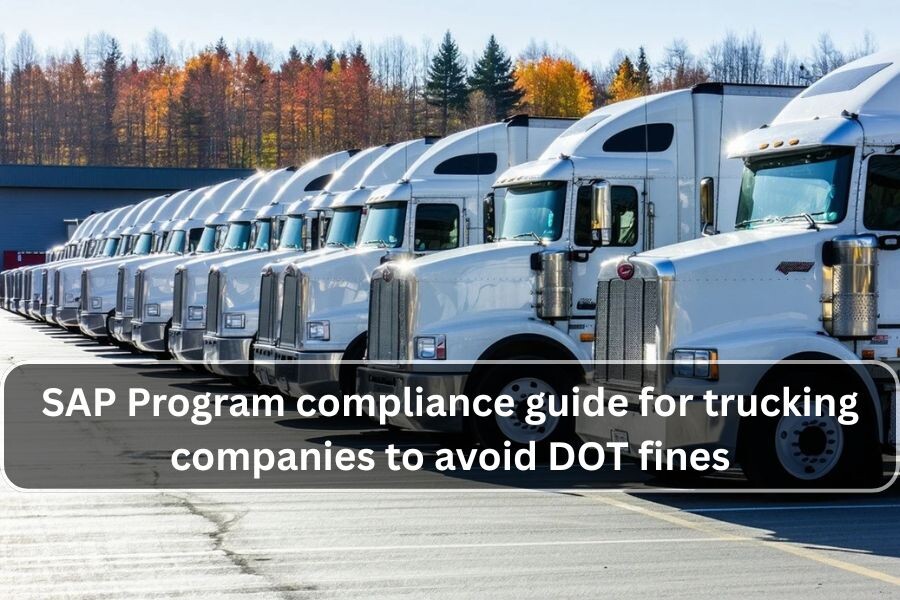
SAP Program Compliance Guide for Trucking Companies [Avoid DOT Fines]

Introduction

Running a trucking company comes with strict safety and compliance responsibilities. One of the most crucial is ensuring your drivers complete the Substance Abuse Professional (SAP) Program if they violate DOT drug and alcohol regulations. This SAP Program compliance guide for trucking companies will help you understand your legal obligations, avoid fines, and keep your fleet in line with FMCSA standards.

What is the SAP Program?

The SAP Program is a federally mandated process designed to rehabilitate drivers who have failed DOT drug or alcohol tests. Drivers must:

  • Complete an evaluation with a qualified SAP

  • Follow prescribed treatment or education plans

  • Pass a return-to-duty (RTD) test

  • Undergo follow-up testing for up to 5 years

SAP Program compliance guide for trucking companies to avoid DOT fines
Why SAP Program Compliance Matters for Trucking Companies

Failing to enforce SAP Program participation can lead to severe consequences, including:

  • DOT Fines: Up to $10,000 per violation

  • Out-of-Service Orders: Disqualified drivers cannot operate

  • Reputational Damage: Non-compliance flagged in FMCSA audits

✔ For driver SAP evaluations, check our DOT SAP Evaluation Program page.

Key SAP Program Compliance Steps for Employers

1. Identify Violations Immediately

Remove the driver from safety-sensitive functions as soon as a violation occurs.

2. Refer to a Qualified SAP

Employers must refer the driver to a DOT-qualified SAP to begin the evaluation process.

✔ Need help finding one? Visit our SAP Evaluation Services.

3. Ensure Program Completion

Confirm the driver has fully completed treatment and testing before returning to duty.


4. Conduct Return-to-Duty and Follow-Up Testing

Schedule RTD and unannounced follow-up tests as per the SAP’s written plan — failure to do so risks DOT penalties.

5. Maintain Accurate Records

Keep records of violations, SAP referrals, RTD tests, and follow-ups for at least 5 years as required by FMCSA.

Common SAP Program Mistakes by Trucking Companies

Mistake Impact
Failing to remove drivers from duty Risk of DOT fine or accident liability
Using unqualified SAPs Non-compliance citation from FMCSA
Incomplete documentation Failed DOT audit
Not following RTD testing plan Driver disqualification

✔ Protect your company by reviewing our Employer Compliance Resources.

FAQs: SAP Program Compliance Guide for Trucking Companies

Q1: How soon must I refer a driver to an SAP after a violation?
Immediately upon confirmation of a DOT violation.

Q2: Can a driver return to work before completing SAP requirements?
No — all SAP recommendations must be completed, and a negative RTD test is required.

Q3: What happens if an employer ignores SAP Program rules?
Your company may face severe DOT fines, out-of-service orders, or federal audits.

Conclusion

Following this SAP Program compliance guide for trucking companies is critical to maintaining DOT compliance and avoiding costly penalties. Partner with qualified SAP providers, follow FMCSA rules strictly, and document every step of the process.

Need Qualified SAP services for your drivers? Explore our DOT SAP Program to ensure compliance.


References:

What is DISA approved?

When discussing workplace safety, particularly in safety-sensitive industries, the term “DISA approved” frequently comes up. But what does it mean to be “DISA approved”? And why are these stringent measures so vital to both employers and employees?

DISA, or Drug Information Systems of America, plays a major role in workplace safety through its rigorous drug and alcohol testing programs. This article will explore the concept of being DISA approved, the industries that rely on this system, the testing process, substances screened for, and the implications of failing a DISA test. By understanding these components, you can grasp what this term means for workplace compliance and safety.

What Is DISA, and Why Is It Important?

DISA (Drug Information Systems of America) is a leading provider of workplace drug and alcohol testing solutions. They specialize in helping companies maintain drug-free environments, especially in industries that carry inherent risks, such as oil drilling, transportation, and construction. By implementing drug and alcohol testing protocols, DISA ensures compliance with regulations while fostering a culture of safety and accountability.

Being DISA approved essentially signifies that a company or individual complies with the drug and alcohol testing policies set by DISA. For employers, this signifies adherence to industry standards and legal requirements. For employees, passing a DISA test typically serves as a gateway to entering and continuing employment in sectors where safety is paramount.

Why Employers Choose DISA

The workplace is no place for the risks associated with drug or alcohol use. According to DISA’s findings, substance abuse costs American employers approximately $100 billion annually in lost productivity, accidents, theft, and absenteeism. Being DISA approved allows companies to reduce these risks significantly.

DISA testing programs are also known for their accuracy and reliability. By partnering with DISA, employers gain a trusted ally in mitigating potential safety hazards while also maintaining regulatory compliance.

Industries That Rely on DISA Services

DISA’s services are especially critical in industries where safety and precision are key. These sectors often deal with hazardous materials, operate heavy machinery, or serve the public. Here are some of the industries where being DISA approved is often a requirement:

1. Transportation and Department of Transportation (DOT) Compliance

For roles such as commercial truck drivers, airline personnel, and railway employees, strict adherence to federal regulations is non-negotiable. DISA helps these companies comply with Department of Transportation (DOT) testing requirements, ensuring safer roads, airways, and railways.

2. Construction and Manufacturing

Construction workers and those in manufacturing often operate heavy machinery or work in dangerous environments. A single moment of impaired judgment due to substance abuse can lead to catastrophic accidents. DISA’s drug and alcohol testing programs help mitigate these risks.

3. Energy and Utilities

Energy sectors, particularly oil and gas companies, often work in high-risk zones with volatile materials. DISA ensures employees in these industries are fit for duty, which reduces the likelihood of costly errors or accidents.

4. Government Employees

Many federal agencies and contractors require their employees to pass rigorous drug testing programs to adhere to safety and security standards. DISA’s protocols ensure that these standards are met.

5. Technology and IT Services

While not always high-risk, tech companies that work on government contracts may also require DISA approval to ensure a drug-free workforce, particularly when dealing with sensitive data or national security matters.

The DISA Drug Testing Process

The process of DISA drug testing is straightforward but comprehensive, ensuring that both employers and employees are held to the highest safety standards. Below is a step-by-step guide to how DISA’s testing protocols work:

1. Onboarding and Contracts

When a company decides to implement DISA testing, they must sign a contract outlining responsibilities and expectations. This includes how tests will be administered, the substances screened for, and the company’s responsibilities for compliance.

2. Pre-Employment Testing

DISA testing begins even before hiring. Prospective employees are required to undergo a drug screening, ensuring that only suitable candidates are permitted to join the workforce.

What is DISA approved?

3. Reasonable Suspicion Testing

Supervisors may request a drug test if they have reasonable suspicion of substance abuse. Examples could include noticing slurred speech or smelling alcohol or marijuana on an employee.

4. Post-Accident Testing

DISA protocols also require drug testing when an accident occurs at the workplace. This helps determine whether impairment played a role in the incident.

5. Routine Random Testing

Many employers incorporate regular, random drug testing to ensure ongoing compliance with safety standards.

6. Testing Methods

While various testing methods are used across industries, urinalysis is the most common testing method under DISA programs. It is non-invasive and highly accurate, detecting the presence of drugs or alcohol in the system within a specific timeframe.

Substances Tested for in DISA Programs

DISA testing covers a wide array of substances that could impair judgment or physical abilities at work. Here’s what is typically screened:

  • Marijuana (THC)
  • Cocaine
  • Opiates
  • Amphetamines
  • Methamphetamines
  • Phencyclidine (PCP)
  • MDMA (Ecstasy)
  • Barbiturates
  • Benzodiazepines
  • Methadone
  • Propoxyphene
  • Alcohol

Failing to meet the testing standards for any of these substances could carry serious consequences for employees and their careers.

Implications of Failing a DISA Test

Failing a DISA drug test has severe repercussions, especially in safety-critical industries. Employees who fail a test may find the results permanently attached to their personal record, which can negatively impact future employment opportunities.

Consequences could include:

  • Immediate Removal from Duty: By federal mandate, employees who fail a drug test must be instantly relieved of safety-sensitive roles.
  • Job Loss: Many companies have a zero-tolerance policy regarding failed drug tests.

Remediation Programs: Employees seeking reinstatement may have to undergo substance abuse counseling or rehabilitation programs, which can be both time-consuming and costly.

For individuals who fail a DISA test and wish to return to work, recovery services like those offered by Icarus Behavioral Health can help. Their customized treatment plans are designed to support individuals in overcoming substance dependency and preparing for future drug testing.

Why Companies Continue to Value DISA Testing

While the rules and restrictions surrounding DISA testing may sound rigid, companies and employees alike benefit from these programs in the long run. Employers gain peace of mind knowing their teams are drug-free and safe, while employees enjoy safer working environments and job security.

Additionally, the DISA system ensures compliance with regulatory bodies, which protects companies against hefty fines and legal issues. Whether it’s reducing risks or improving productivity, being DISA approved is a win-win for all.

Final Thoughts and Resources

DISA approval is more than just a seal of compliance; it’s a commitment to safety and excellence. By maintaining a drug-free workplace, employers reduce liability, protect employees, and excel in their industries.

For employers, partnering with DISA provides a streamlined, trustworthy process for implementing drug testing protocols. And for employees, passing a DISA test signifies not only the ability to perform high-risk tasks safely but also opens doors to rewarding careers in competitive fields.

To learn more about drug testing in the workplace and how DISA programs function, check out this comprehensive resource. It could be the key to ensuring your compliance and safety in whatever career path you choose.

Reference Article

How Long Does It Take for DISA to Clear?

Checking Your DISA Status and clearance

How Long Does It Take for DISA to Clear?

Navigating workplace safety and compliance can often feel complex, particularly in industries where these standards are essential. If you work in a high-risk or safety-sensitive field, you may have encountered the term “AC TPA” within the framework of DISA (Drug Information Systems of America). AC TPA is a key component in the employee screening and drug testing processes managed by DISA. But what exactly is AC TPA, and how can you find it to meet your compliance needs?

This guide explains AC TPA’s function, its importance to employers and employees, and how you can locate services that suit your organization’s requirements.

What is AC TPA in DISA?

AC TPA stands for “Account Coordinator Third-Party Administrator.” Within DISA’s system, AC TPAs serve as the focal point for managing workplace drug and alcohol testing programs. They collaborate with employers to oversee these programs, ensure regulatory compliance, and streamline the overall process.

Why is AC TPA Important?

AC TPAs simplify the intricate process of adhering to drug testing and compliance regulations, especially in industries governed by strict safety standards. Their role offers distinct advantages for both employers and employees:

For Employers: AC TPAs handle testing schedules, results, and follow-up processes, ensuring compliance with legal and safety standards while reducing administrative burdens.

For Employees: AC TPAs administer testing procedures accurately and consistently, fostering fairness and trust in the process.

AC TPA’s Role in DISA

Under DISA’s compliance management framework, AC TPAs provide seamless drug and alcohol testing services. By opting for DISA-approved AC TPAs, companies can ensure their testing protocols align with federal, state, and industry requirements. This not only promotes workplace safety but also helps protect organizations from potential legal or financial ramifications tied to non-compliance.

Why AC TPA Is Crucial for a Safe Workplace

Keeping workplaces free from substance abuse is critical to improving safety and performance, particularly in sectors like construction, transportation, or energy. AC TPAs significantly contribute to this goal by reducing risks associated with substance use.

Key Benefits of AC TPA Services:

Enhanced Safety and Productivity

Maintaining a drug-free workplace reduces accidents, improves decision-making, and enhances employee performance.

Cost Savings

Substance abuse imposes significant costs on employers, such as losses from absenteeism, accidents, or theft. Robust testing programs managed through AC TPAs help mitigate these expenses.

Regulatory Compliance

Certain industries, like transportation, are subject to strict drug and alcohol testing requirements from regulatory bodies such as the Department of Transportation (DOT). AC TPAs help businesses meet these requirements, thus avoiding fines or penalties.

How to Find AC TPA Services

Looking for the right AC TPA can seem overwhelming, but the process becomes manageable when broken down into these steps:

Step 1: Partner with DISA

Begin by selecting DISA as your workplace drug testing partner. DISA offers tailored solutions across various industries, making it one of the top choices for compliance and risk management.

Step 2: Understand Industry Requirements

Evaluate the drug testing standards specific to your industry. For example:

  • The transportation sector must comply with stringent DOT standards.
  • Construction companies managing government contracts often require pre-employment and random testing protocols.
  • These industry-specific needs will guide you in selecting the most suitable AC TPA provider.

Step 3: Utilize DISA’s Employer Services

DISA provides employers with an intuitive platform to access services, including AC TPA solutions. Through DISA’s Global Solutions portal, you can:

  • Register employees for testing.
  • Integrate testing procedures with your HR processes.
  • Access a network of certified collection sites for employee screenings.

This ensures you connect with reliable AC TPA providers that meet your compliance goals.

Step 4: Search AC TPA Databases

DISA-approved third-party administrators are often featured in specialized compliance databases. You can use these platforms to find providers tailored to your geographic location and industry-specific needs.

How Long Does It Take for DISA to Clear (1)

Step 5: Verify Credentials

Before committing to an AC TPA service, verify its credentials. Look for:

  • Certification for industry compliance.
  • Proven experience managing drug testing programs.

To confirm their capabilities, request case studies or references from clients in similar industries.

Step 6: Schedule a Consultation

Schedule an initial consultation to discuss your organization’s specific requirements. Use this opportunity to assess their service quality, responsiveness, and reliability before moving forward.

Best Practices for Collaborating with AC TPAs

Once you’ve partnered with an AC TPA, it’s essential to establish clear communication and working protocols. Here are a few tips to maximize the benefits of these services:

  • Maintain Organized Records: Ensure all testing records are thorough and up-to-date to support legal compliance and audits.
  • Train Supervisors: Educate supervisors on recognizing signs of substance use and initiating testing protocols.

Stay Updated on Regulations

Regularly monitor industry compliance standards and testing advancements to align your processes with current requirements.

Summary

AC TPA plays a pivotal role in DISA’s workplace compliance system by efficiently managing drug and alcohol testing programs. These services are indispensable for employers in maintaining safety, reducing risks, and meeting legal obligations.

By following the outlined steps and best practices, you can confidently select an AC TPA service that best suits your workplace needs. Investing in these services not only ensures compliance but also creates a safer, more productive work environment for your employees.

Reference Article

How to Check Your DISA Status

What is DISA approved?

Call Now