May 2025 - Page 5 of 6 - AACS Counseling

What Happens If You Refuse a DOT Drug Test?

Drug and alcohol testing under the Department of Transportation (DOT) regulations is a critical safeguard for public safety. These tests ensure that individuals performing safety-sensitive duties, such as commercial motor vehicle (CMV) drivers, airline employees, and others, are not under the influence when working. But what happens if you refuse a DOT drug test? Refusal has immediate and severe consequences, often equating to outright test failure. This article explores the implications of refusing a DOT drug or alcohol test, what constitutes a refusal, and the steps involved in the return-to-duty process.

The Consequences of Refusing a DOT Drug Test

Refusing to take a DOT drug test is treated as equivalent to failing the test. According to DOT regulations, refusal results in immediate removal from safety-sensitive duties. This applies whether the refusal occurs during pre-employment screening, random testing, or post-incident evaluations.

The consequences of refusal don’t stop at job suspension. Employers must report drug test refusals to the Federal Motor Carrier Safety Administration (FMCSA) Clearinghouse, meaning the violation and its consequences will follow employees across workplaces. Refusal to test automatically disqualifies individuals from performing safety-sensitive roles unless they complete the DOT-mandated return-to-duty (RTD) process. Furthermore, employers may have internal policies that could lead to job termination or other disciplinary actions.

For more legal implications, refer to the FMCSA guidelines on failing or refusing a drug test.

What Is Considered a Refusal to Test?

Refusing a DOT drug test is not limited to verbal refusal. According to DOT Rule 49 CFR Part 40 Section 40.191, there are various scenarios where an employee’s actions (or inactions) are classified as a refusal. Below are examples of what constitutes refusal:

  1. Failure to Appear: If an employee fails to show up for a scheduled test within a reasonable time frame after being directed, this is considered a refusal.
  2. Leaving the Collection Site Early: Before the testing process is complete, except when the appropriate authority grants pre-approval.
  3. Failing to Provide a Sample: Not enough urine or breath samples without an adequate medical justification.
  4. Interfering with the Testing Process: Refusing to empty pockets, failing to cooperate with the collector’s instructions, or tampering with the equipment are considered refusal.
  5. Using a Prosthetic Device: Possession or use of devices intended to interfere with the accuracy of the results is a direct refusal.
  6. Refusal of Observed Testing: Declining to allow observation during a sample collection, when required, is grounds for refusal.
  7. Admitting to Tampering: Telling a collector or Medical Review Officer (MRO) that the specimen was adulterated or substituted also counts as refusal.

For a detailed list of refusal scenarios, consult the official DOT guidelines on drug test refusal.

Refusal vs. Failure

It’s important to note that a refusal to test has the same regulatory and professional consequences as failing a test. Employees under FMCSA regulations, for instance, must follow the same RTD process whether they refuse or fail the test.

The Return-to-Duty Process (DOT Drug)

The Return-to-Duty Process

Employees who refuse a DOT drug test are not forever barred from resuming safety-sensitive duties. However, they must go through a rigorous return-to-duty (RTD) process set forth by the DOT.

Step 1: Substance Abuse Professional (SAP) Evaluation

The first step involves an evaluation by a DOT-qualified Substance Abuse Professional (SAP). The SAP assesses the individual to determine appropriate treatment or educational recommendations.

Step 2: Compliance with Recommendations

The employee must follow the SAP-mandated treatment or educational program. This could involve in-patient or out-patient rehabilitation, counseling, or drug education classes.

Step 3: SAP Follow-Up Evaluation

After completing the prescribed steps, the employee will meet the SAP again for a follow-up evaluation. If the SAP determines compliance, the individual advances toward reinstatement.

Step 4: Passing a Return-to-Duty Test

Before resuming safety-sensitive duties, the individual must successfully pass an observed return-to-duty drug and/or alcohol test. The test must show a negative result to move forward.

Step 5: Follow-Up Testing

After returning to work, the employer will require the individual to undergo a schedule of follow-up tests over a specified period. This acts as an additional safeguard to ensure ongoing compliance.

Failure to meet these steps can result in disqualification from safety-sensitive roles. For a deeper understanding of this process, consider this resource.

Impact on Employment

Refusal to take a DOT drug test impacts not only current employment but future job opportunities as well. Here’s how:

  • Immediate Consequences: Employment termination may result depending on internal company policies. At a minimum, the employee is barred from current safety-sensitive duties.
  • Clearinghouse Violation: The FMCSA Clearinghouse maintains a record of drug test refusals for five years or until the RTD process is completed. Other employers can access this information when considering the individual for safety-sensitive positions.
  • Legal Consequences: For CMV drivers, refusal may result in the loss of commercial driving privileges until the RTD requirements are met.
  • Reputation: A refusal can tarnish an individual’s professional reputation, making securing trustworthy and reliable positions challenging.

Employees should also know that refusal could impact unemployment benefits, as it may be considered misconduct.

Why Refusal Is Not Worth It

Given the substantial career and regulatory consequences, refusing a DOT drug test is rarely a wise decision. Regardless of personal concerns or circumstances, refusal equates to non-compliance, impacting your current job and future opportunities. Opting to participate in the test and, if necessary, addressing failures through the RTD process is almost always the better choice.

Employers, too, bear responsibility for creating clear drug and alcohol testing policies. Robust communication of potential consequences and employee support systems, such as access to SAPs, can help foster compliance and prevent refusals.

Additional Resources

For further insights and official guidelines, visit the following resources:

  • Understand the DOT’s legal stance on drug test refusal in Section 40.191.
  • Read about Drug and Alcohol Clearinghouse entry for refusals at the FMCSA portal.

By understanding the broad and often severe consequences of refusing a DOT drug test, you can make more informed decisions and better prioritize compliance over resistance. Consulting legal or professional experts may also benefit if you’re unsure about your rights or responsibilities.

Reference Article

What are the DOT Drug and Alcohol Testing Regulations?

What are the consequences of a DOT violation?

What are the DOT Drug and Alcohol Testing Regulations?

Ensuring safety on our roadways is paramount, and the U.S. Department of Transportation (DOT) reinforces this through strict drug and alcohol testing regulations. These rules aim to create a safer, drug-free work environment for Commercial Motor Vehicle (CMV) operators and ensure public safety.

This comprehensive guide explores the key aspects of DOT drug and alcohol testing regulations, including who they apply to, the types of tests required, and the procedures for handling violations.

Overview of DOT Drug and Alcohol Testing Rules

The DOT drug and alcohol testing regulations were established under the 1991 Omnibus Transportation Employee Testing Act. These regulations, governed by 49 CFR Part 40, outline the testing procedures and compliance expectations for ensuring safe operations within the transportation industry. Additional details specific to CMV drivers are outlined in 49 CFR Part 382.

Who Must Comply?

DOT regulations apply to:

  • Drivers operating CMVs with a gross vehicle weight rating (GVWR) of 26,001 pounds or more.
  • Vehicles designed to transport 16 or more passengers (including the driver).
  • Vehicles transporting hazardous materials require placards.

These rules cover CDL holders employed by federal, state, or local governments, private organizations, and owner-operators. Employers managing CDL drivers must also establish compliant testing programs to meet federal requirements.

Types of DOT Drug and Alcohol Tests

DOT regulations mandate six types of tests to ensure a substance-free workplace. These tests are conducted under stringent procedural guidelines to guarantee fairness and accuracy.

1.Pre-Employment Testing

Before a driver can operate a CMV, they must pass a drug test. Employers can include alcohol testing as part of their pre-employment process, provided it applies to all prospective drivers uniformly.

Explore the requirements for pre-employment drug testing and how employers can maintain compliance.

2.Post-Accident Testing

Testing after an accident is mandatory under specific conditions:

  • If there is a fatality.
  • The driver receives a citation for a crash-related injury or vehicle disabling.
  • Alcohol tests must be conducted within 8 hours, and drug tests within 32 hours following the accident.

Learn more about post-accident testing requirements for CDL drivers.

3.Random Testing

Drivers are subject to unannounced, random testing every year. Employers must test at least 50% of their drivers for drugs and 10% for alcohol, based on their workforce size. All tests must be performed under strict compliance with DOT standards.

Find out how to manage random testing programs effectively.

4.Reasonable Suspicion Testing

If trained supervisors observe signs of drug or alcohol use, they can require the employee to undergo testing. Behavioral, physical, or performance-based observations must be documented to initiate the test.

Learn about the procedures for reasonable suspicion testing.

5.Return-to-Duty (RTD) Testing

Employees who test positive must complete an evaluation and treatment plan provided by a DOT-Qualified Substance Abuse Professional (SAP) before returning to duty. They are then required to pass a drug test.

Explore the return-to-duty process and what it entails.

6. Follow-Up Testing

Following an RTD test, the SAP prescribes unannounced follow-up tests. DOT regulations mandate at least six follow-up tests within the first year. Depending on the violation’s severity, additional testing could continue for up to five years.

Learn more about follow-up testing protocols.

Substances Tested (Drug and Alcohol)

Substances Tested

DOT testing involves a 5-panel drug test, screening for:

  • Marijuana (THC)
  • Cocaine
  • Amphetamines (including methamphetamines)
  • Opioids (e.g., heroin, codeine, morphine)
  • Phencyclidine (PCP)

Alcohol tests measure blood alcohol concentration (BAC), with levels at or above 0.04% considered violations. Testing may involve urine or oral fluid specimens analyzed exclusively at DOT-approved laboratories.

Handling Violations

Violations occur when an employee tests positive, refuses to test, tampers with a sample or admits to substance use on duty. When a breach happens:

  1. The driver is removed from all safety-sensitive duties immediately.
  2. The employer must provide the driver with a list of DOT-qualified SAPs.
  3. After completing an SAP-mandated program and passing the RTD test, the driver must undergo regular follow-up testing.

Learn how violations are recorded and addressed through the FMCSA Drug and Alcohol Clearinghouse.

Employer Responsibilities

Employers must implement a compliant testing program encompassing:

  • A clear drug and alcohol testing policy is shared with all employees.
  • Training supervisors to identify substance use.
  • Annual queries of the Drug and Alcohol Clearinghouse for each CDL driver on their roster.

Employers can use comprehensive guides like the DOT’s Employer Handbook to streamline program management.

Consequences of Non-Compliance

Failing to comply with DOT regulations carries significant penalties:

  • Employers risk substantial fines and the loss of their operating authority.
  • Drivers may lose their CDL and face additional suspensions under the Handling Prohibited Status by November 2024 regulations.

Learn more about the consequences of non-compliance here.

Staying Compliant with DOT Regulations

To remain compliant, employers should:

  • Regularly review updates to 49 CFR Part 40 and Part 382.
  • Utilize resources like the FMCSA Clearinghouse to verify driver records.
  • Continuously educate employees and supervisors on regulatory requirements.

Access guidance on training and compliance tools to ensure you’re meeting federal standards.

Final Thoughts

DOT drug and alcohol testing regulations are instrumental in maintaining roadway safety. For employers and drivers, understanding and adhering to these rules demonstrate professionalism and a commitment to safety. Use resources like the FMCSA Clearinghouse and Qualified SAPs to simplify compliance processes, minimize risks, and contribute to a more reliable transportation industry.

By staying informed and proactive, you can help create a safer and more accountable transportation network for everyone.

Reference Article

Navigating DOT Regulations: Legal and Compliance Essentials for SAP Programs

What Happens If You Refuse a DOT Drug Test?

Navigating DOT Regulations: Legal and Compliance Essentials for SAP Programs

Staying compliant with DOT regulations is critical for employers and employees operating in safety-sensitive industries. At the heart of these regulations are SAP (SAP) programs, which are designed to handle drug and alcohol rule violations. These programs are not just about enforcing penalties; they also ensure that employees can safely return to work after meeting the necessary requirements.

This detailed guide highlights the essentials for navigating DOT regulations surrounding SAP programs, with a focus on understanding legal and compliance requirements. Whether you’re an employer, HR professional, or compliance officer, this information will equip you to meet the DOT’s rigorous standards while protecting safety and operational integrity.

Understanding DOT Regulations

The DOT is responsible for overseeing transportation industries such as aviation, trucking, railroads, and public transit. Its regulations establish strict drug and alcohol testing protocols to ensure safety in these high-risk environments. These rules are outlined in federal law, specifically in 49 CFR Part 40, which governs testing procedures and compliance measures across all safety-sensitive functions.

DOT regulations categorize the following as safety-sensitive positions:

  • Commercial motor vehicle drivers
  • Air traffic controllers
  • Locomotive engineers
  • Aircraft crew members

Employees in these roles are subject to pre-employment, random, post-accident, reasonable-suspicion, return-to-duty, and follow-up testing for controlled substances and alcohol. Testing is essential not just for public safety but also for maintaining workforce integrity.

Why DOT Compliance is Crucial

Failure to comply with DOT regulations can result in severe consequences, such as:

  • Fines and Penalties: Companies can face steep financial penalties for noncompliance.
  • Operational Interruptions: Loss of licenses or certifications can disrupt services.
  • Reputation Damage: Noncompliance can harm relationships with clients, employees, and regulators.
  • Safety Risks: Substance-related incidents jeopardize both employees and the public.

SAP programs play a major role in helping organizations address violations and create a clear path for employees to return to safety-sensitive work, making them vital to regulatory compliance.

What Are SAP (SAP) Programs?

An SAP program is a DOT-mandated framework designed to assess, treat, and evaluate employees who violate drug and alcohol regulations. It’s not just about ensuring rules are followed; these programs also support rehabilitation and recovery for individuals returning to sensitive roles.

Core Elements of an SAP Program

  • Initial Assessment: When an employee fails a drug or alcohol test, they must undergo an evaluation by a qualified SAP. The SAP’s role is to determine the severity of the issue and create an appropriate recovery plan.
  • Treatment and Education: Based on the evaluation, the SAP recommends a tailored program. This could include educational courses, counseling, or inpatient treatment, depending on the employee’s needs.
  • Compliance Monitoring: The SAP also monitors the employee’s progress, ensuring they adhere to the intervention plan. Any lapses can delay their return to work or even disqualify them altogether.
  • Return-to-Duty Testing: Once an employee completes treatment, they must pass a return-to-duty test. This ensures they are drug- or alcohol-free before resuming safety-sensitive tasks.
  • Follow-Up Testing: After returning to work, the employee undergoes scheduled and unannounced testing over an established period, often lasting up to five years. This step ensures continued compliance.

SAP Program (DOT Regulations)

The Role of Documentation in SAP Programs

Employers bear the responsibility for maintaining detailed records throughout the SAP process. These include treatment recommendations, test results, and communications between the SAP and employer. Auditors from the DOT may request these records at any time, so accurate documentation is essential.

For more information on federal DOT regulations, visit the official United States Department of Transportation website.

Legal Requirements for Employers and Employees

Both employers and employees have specific legal obligations when dealing with SAP programs.

Employer Responsibilities

  • Employee Notification: Notify the employee of their failed test result and the requirement to complete an SAP evaluation. This is a critical first step in the process.
  • Qualified SAP List: Provide employees with a list of Qualified SAP professionals. The SAP must meet DOT credentials to ensure compliance.
  • Enforcement of Program Recommendations: Confirm that employees follow through on SAP-mandated treatment and testing recommendations. Employers must refuse to allow the individual to return to safety-sensitive duties unless compliance is verified.
  • Confidentiality: Employers must maintain employee privacy throughout the SAP process. Details must not be disclosed beyond what is necessary for compliance or safety.
  • Record Management: Retain all related documentation for at least five years. These records must be available for DOT audits and inspections.

Employee Obligations

  • Immediate Removal: Employees who fail a drug or alcohol test cannot perform safety-sensitive duties until cleared by the SAP.
  • SAP Compliance: Employees must undergo an evaluation and follow all recommended treatment and testing plans. Failing to do so can lead to permanent disqualification from safety-sensitive roles.
  • Testing Participation: Employees are required to pass a return-to-duty test and participate in follow-up testing as scheduled by the SAP.
  • Financial Responsibility: While employers facilitate the SAP process, employees are typically responsible for covering associated costs, including evaluations and treatments.

Challenges in Achieving Compliance

Navigating the complexities of SAP programs can be daunting. Employers often face challenges such as:

  1. Interpreting Regulations: DOT policies are stringent but can be subject to interpretation based on the situation. Employers may need to work closely with compliance experts or legal advisors to handle nuanced cases without violating rules.
  2. Managing Follow-Up Testing: Coordinating and scheduling frequent follow-up tests over several years can be logistically overwhelming. Lack of oversight could result in missed tests and noncompliance.
  3. Employee Pushback: Many employees view SAP programs as punitive rather than supportive. Resistance to treatment recommendations or testing schedules can be a barrier to compliance.
  4. Proper Documentation: Even minor errors in paperwork or recordkeeping can result in significant penalties during an audit. Meticulous documentation and proper systems are non-negotiable.

Strategies for Ensuring Compliance

To effectively maintain compliance, consider the following best practices:

  • Invest in Regular Training: Train HR personnel and compliance officers to stay updated on DOT requirements and SAP processes. Regular briefings can help address emerging regulations and prevent mistakes.
  • Leverage Compliance Technology: Utilize software solutions to streamline recordkeeping, schedule testing, and automatically generate reports required for audits.
  • Collaborate with Qualified SAPs: Partnering with trusted professionals ensures consistent evaluations and treatment plans tailored to your organization’s needs.
  • Develop a Strong Compliance Culture: Educate employees on the importance of substance-free work environments. Creating open lines of communication can reduce stigma and encourage voluntary participation in rehabilitation.
  • Implement Pre-emptive Policies: Introduce pre-employment testing, random drug tests, and robust substance abuse policies to deter violations. A proactive stance minimizes compliance risks.

Final Thoughts

Navigating DOT regulations and ensuring compliance with SAP programs may feel overwhelming at first, but knowledge and preparation make a significant difference. Employers should prioritize understanding their responsibilities, maintain thorough documentation, and foster collaboration between compliance officers and SAP professionals.

For HR teams and compliance officers, staying informed about legislative updates is a critical part of their role. When in doubt, consulting trusted legal experts or utilizing DOT resources can clarify uncertainties and safeguard your organization against penalties.

Ultimately, substance abuse policies are about more than regulations. They are about creating safer environments, both for employees and the public. By prioritizing rehabilitation and fostering accountability, you empower individuals to meet expectations and ensure the ongoing safety of transportation operations.

Reference Article

What are the DOT Drug and Alcohol Testing Regulations?

What Happens If You Refuse a DOT Drug Test?

What are the consequences of a DOT violation?

Where to Get a SAP Evaluation for DOT & Other Court-Ordered Programs

If you’re searching for a “SAP Evaluation near me”, it’s likely you’re dealing with a DOT violation, DUI, or other legal issue requiring a qualified assessment or treatment program. Whether you’re a CDL driver needing a return-to-duty SAP Program or someone facing immigration, custody, or DUI-related assessments, finding the right provider can be overwhelming—especially when time and compliance are critical.

Below is your all-in-one guide to qualified programs available in USA and nationwide, designed to help you meet legal and DOT requirements and get back on track quickly.

✅ SAP Evaluation for DOT & Return to Duty Program Near You

A SAP Evaluation is mandatory if you’ve failed or refused a DOT-mandated drug or alcohol test. This includes:

  • CDL truck drivers
  • Bus operators
  • Airline employees
  • Pipeline and railroad workers
  • Safety-sensitive transportation professionals

The SAP Return to Duty Program involves a comprehensive process:

  1. Initial SAP Evaluation
  2. Education or Treatment Plan
  3. Follow-up SAP Assessment
  4. DOT Return-to-Duty Test
  5. Follow-up Testing Program (minimum 6 tests in 12 months)

Looking to “enroll in DOT SAP program near me”? Make sure your provider is DOT-qualified to report your progress directly to your Designated Employer Representative (DER).

🚚 SAP Program for CDL Drivers

If you’re a truck driver with a failed drug or alcohol test, your livelihood depends on getting a qualified SAP Assessment for CDL drivers. At AACSCounseling.com, we offer evaluations recognized by:

  • FMCSA (Federal Motor Carrier Safety Administration)
  • DOT Compliance Networks
  • State and Federal courts

Don’t trust your future to non-compliant providers—we’re qualified and USA-based for local accessibility and nationwide recognition.

🧾 DOT Drug and Alcohol Program Evaluation & Providers

Looking for DOT SAP Program Providers? We offer flexible, confidential appointments (in-person or virtual) to help you:

  • Fulfill court or employer requirements
  • Pass the Return-to-Duty process
  • Avoid job loss or long-term disqualification
  • Restore your CDL and employability

Additional Legal and Court-Ordered Services Available:

🛂 Immigration Hardship Waiver Evaluation

Need to prove psychological hardship for a visa or green card case? We offer professional mental health assessments for immigration waiver applications, accepted by immigration attorneys and USCIS.

🚔 Out of State DUI Evaluations

If you’ve been charged with DUI in another state, we can conduct a DUI assessment remotely that satisfies court or DMV requirements.

👨‍👩‍👧 Child Custody Mental Health Assessment

Courts often require a mental health evaluation during custody disputes. We provide objective assessments that support parental stability and child welfare.

💬 Anger Management Classes

Whether court-ordered or voluntary, our Anger Management Programs help individuals gain emotional control through evidence-based therapy.

🧠 IOP (Intensive Outpatient Program)

For individuals needing structured treatment without full-time residential care, our IOP offers daytime or evening flexibility to maintain work-life balance while getting support.

📚 ASAM Classes (Level I & II)

Our ASAM-based education and treatment meets state court standards and helps participants understand substance use patterns and recovery tools.

🌎 Spanish DUI Evaluation

Sí, hablamos español. We offer DUI Evaluations in Spanish, recognized by USA courts, ensuring language doesn’t become a barrier to compliance.

📍Where Can I Attend a SAP Program?

You can attend in-person or virtually, depending on your location and DOT regulations. Our SAP programs are open to clients from Atlanta, Augusta, Columbus, Macon, Savannah, and all over USA.

🔄 How to Get Back to Duty After Failing a DOT Test

  1. Book a qualified SAP Evaluation
  2. Complete Recommended Treatment or Education
  3. Pass Your Follow-Up SAP Evaluation
  4. Submit to Return-to-Duty Testing
  5. Resume Work in Safety-Sensitive Role

Every minute you delay, your CDL and employment prospects are at risk. Let us help you start today.

📞 Get Started Now

Don’t risk non-compliance. Whether you’re looking for a qualified SAP near you, or need help with a mental health evaluation for immigration or family court, we have licensed professionals ready to assist.

👉 Book your evaluation today at: https://www.aacscounseling.com
📍 USA-based. Nationwide services available. Virtual options supported.

Understanding the Child Custody Evaluation Process

A child custody evaluation is a process where a trained professional helps the court decide what custody and visitation plan is best for a child, which may include psychological testing . The evaluator talks to the parents, watches how the family interacts, and learns about the child’s needs. They might also look at school or medical records and speak with other important people in the child’s life. After gathering all this information, they create a custody evaluation report with suggestions for custody and visitation. This report helps the court make a decision that puts the child’s well-being first.

Referral question on joint custody and travel costs in divorce cases

What Is a Child Custody Evaluation?

A child custody evaluation is an in-depth assessment, often including psychological evaluations, conducted by a licensed mental health professional. Its purpose is to evaluate the family dynamics and provide recommendations that align with the child’s best interests, often in conjunction with family court services.

Purpose of the Child Custody Evaluation

The primary goal of a custody evaluation is to help the court determine a parenting arrangement that promotes the child’s well-being. Evaluators analyze several factors, such as the child’s emotional needs, parental capabilities, and the stability of each home environment, to inform child custody determinations . These evaluations provide an impartial perspective focusing solely on the child’s welfare.

When Will You Need a Custody Evaluation?

Not every custody case requires a formal evaluation, but there are specific circumstances where one parent is essential.

Common Reasons for Custody Evaluations

  • Disagreements Over Custody Terms: When parents cannot reach an agreement, evaluations provide the court with a professional perspective.
  • Allegations of Parental Misconduct: Claims of neglect, abuse, or substance abuse often trigger a formal evaluation.
  • Special Needs Cases: For children requiring unique care, an evaluation helps determine how each parent can meet those needs.
  • High-Conflict Co-Parenting: When ongoing disputes affect the child’s stability, an evaluation offers solutions to mitigate tension.

Whether ordered by the court or conducted voluntarily, the evaluation focuses on identifying what’s healthiest and most beneficial for the child.

Guidelines for Child Custody Evaluations in Family Law Proceedings

Car rental impact on parenting time and privacy laws.

Courts adhere to strict guidelines to maintain fairness and impartiality during custody evaluations. The guidelines include ensuring confidentiality, protecting the child’s welfare, following legal and ethical standards, and having a qualified child custody evaluator along with mental health professionals review relevant court records.

The evaluator assesses each parent’s relationship with the child, including interactions with the other parent, their ability to co-parent effectively, and how well they can provide a nurturing and secure environment, while also considering collateral sources, which may include evaluation fees . All findings and recommendations are documented in the evaluation report to support court decisions for child custody adjudication.

Choosing the Right Custody Evaluator

Your choice of evaluator can significantly influence the outcome of the custody evaluation, especially if expert testimony is involved.

Tips for Choosing an Evaluator

  1. Expertise Matters: Look for professionals with experience in family law proceedings and training in child psychology or family systems.
  2. Neutrality Is Key: Verify that the evaluator has no prior connections to your family or attorney.
  3. Understand the Costs: Private evaluations can range between $5,000 and $30,000, depending on the case’s complexity. You might also qualify for court-subsidized evaluations if affordability is an issue.
  4. Consult Your Lawyer: Lawyers often have recommendations for evaluators with a proven track record of fair, thorough work.

The right evaluator is qualified but impartial and communicative, ensuring both parents have a fair opportunity to present their case, including relevant mental health records.

Preparing for the Evaluation

Preparation ensures the process runs smoothly and presents you in the best possible light. Here’s how to get ready:

  • Compile Necessary Documentation: Gather school records, medical files, and other relevant information to highlight your child’s well-being under your care.
  • Practice Honest Communication: Be prepared to discuss your parenting approach openly and without defensiveness.
  • Maintain a Positive Environment: If home visits are part of the process, ensure your child-friendly and welcoming living space.

Conducting the Evaluation

The evaluator will conduct detailed interviews, observe interactions, and sometimes perform psychological tests or psychological assessments. This phase generally involves:

  • Interviews with both parents and the child.
  • Input from third parties like teachers or family friends.
  • Observations of parenting dynamics during home visits.

The evaluator’s goal is to gather a holistic understanding of the family and to identify a custody arrangement that supports the child’s best interests. Cooperation and honesty are critical during this stage, and any discrepancies may lead to further investigation

Litigation Consulting

Consulting with professionals versed in family law can provide additional support and may include accessing additional services if your custody case involves legal disputes, such as domestic violence

Family Court and Co-Parenting Consultants

These consultants help parents manage custody negotiations, create effective co-parenting strategies, and reduce conflict during legal proceedings. They also assist in presenting your case clearly, whether in court or during the evaluation process.

Child's psychological needs in reopened complex issues report

Advocacy in Custody Evaluations

Advocacy plays an important role, particularly in high-stakes custody cases.

Child Advocacy

A child advocate focuses on representing the child’s needs and preferences. This is especially valuable in complex cases, including situations of child sexual abuse, child abuse where the child’s emotional and child development well-being might be at risk.

Parent Advocacy

Parents can also seek advocacy to ensure their concerns are acknowledged during the evaluation process. Advocates help you articulate your strengths as a parent while addressing allegations or disputes constructively, while also being aware of their own biases.

Custody Recommendations in the Presence of Domestic Violence

When evaluating custody in cases involving domestic violence, the utmost priority must be the safety and well-being of the child and the survivor of abuse. Custody recommendations should acknowledge the trauma experienced, assess the risk of harm from the abusive parent, and propose clear, enforceable plans that minimize further exposure to harm, including supervised visitation or limited contact where necessary. Evaluators must adopt a trauma-informed approach, ensuring that the survivor’s emotional responses are interpreted through the lens of abuse rather than being misjudged as parenting deficiencies.

Additionally, custody evaluators need specialized training to recognize patterns of coercion, manipulation, and the psychological effects of domestic violence. Recommendations should aim to foster stability for the child, protect the victim-parent bond, and provide culturally sensitive, long-term solutions. Only through an informed, empathetic, and methodical process can evaluators effectively safeguard the best interests of families impacted by domestic violence.

Independent Assessment of Custody Evaluations or Parenting Plans

If you’re dissatisfied with the outcome of a custody evaluation, you can request an independent assessment. This involves hiring another professional to review the initial evaluation for accuracy, bias, or inconsistencies as outlined in the court order . They may also assess existing parenting plans to ensure they effectively serve the child’s best interests.

Key Takeaways

Understanding and navigating the child custody evaluation process is complex, but preparation and knowledge can make a significant difference. By focusing on your child’s well-being, cooperating with evaluators, and seeking professional guidance regarding socioeconomic status , you can help foster a legal custody arrangement that promotes stability and happiness for everyone involved.


Here is a link to APA.org for further assistance in understanding the importance of DFCS

Assessments https://www.apa.org/practice/guidelines/child-protection

The Real Cost of a DOT SAP Program: Fees, Tests, and Hidden Expenses

If you have failed a DOT drug test or received a refusal, your career has been put on pause. The immediate priority is getting through the Return-to-Duty (RTD) process so you can get back to earning a paycheck. But as you start making calls, a new worry emerges: How much is this going to cost?

The financial burden of a DOT violation can be significant, and it is often more than just the fee you pay the Substance Abuse Professional (SAP). The total cost is a combination of SAP fees, education or treatment expenses, multiple drug tests, and potential hidden costs that can add up quickly.

Understanding these expenses upfront helps you budget effectively and avoid surprises. This guide breaks down every potential cost you will face, from the initial evaluation to the final follow-up test.

Breaking Down the Costs: A Three-Part Financial Journey

The DOT Return-to-Duty process has distinct phases, each with its own price tag. Federal regulations require you, the employee, to bear the costs, though some company policies may offer assistance. Let’s look at what you can expect to pay at each stage.

Part 1: The Substance Abuse Professional (SAP) Fees

The SAP is the quarterback of your return-to-duty process. Their services are mandatory and specialized. Most SAPs bundle their services into a single package fee, but it’s crucial to confirm what is included.

  • What it is: This fee typically covers the initial face-to-face clinical evaluation, the referral to an education or treatment provider, the follow-up evaluation after you complete your program, and the required reporting to the FMCSA Clearinghouse.
  • Typical Cost: $400 – $600. This can vary significantly based on your location. SAPs in major metropolitan areas may charge more than those in rural regions.
  • Hidden Expenses to Watch For:
    • Separate Evaluation Fees: Some SAPs charge separately for the initial and follow-up evaluations. This can end up costing more than a bundled package.
    • Clearinghouse Reporting Fees: A reputable SAP includes Clearinghouse reporting in their fee. Be wary of anyone who tries to add an “administrative fee” later for uploading your reports.
    • Missed Appointment Fees: SAPs have busy schedules. If you miss your appointment without proper notice, you will likely be charged a fee.

When you hire an SAP, get the total cost in writing and ask for a clear breakdown of what is included.

Part 2: Education or Treatment Program Costs

This is the most variable and potentially expensive part of the process. Based on your initial evaluation, the SAP will prescribe a specific course of action. This is not negotiable; you must complete the program recommended by the SAP.

  • What it is: The SAP will determine the appropriate level of care. This could range from a short educational class to a more intensive treatment program.
  • Typical Costs:
    • Educational Program: If the SAP determines you do not have a substance abuse disorder, you may only be required to complete an educational course. These are often online and can range from $100 to $500.
    • Outpatient Treatment: If more intervention is needed, you might be referred to an outpatient program (IOP), which involves regular counseling sessions. The cost can range from $1,500 to $10,000 or more, depending on the duration and intensity.
    • Inpatient Treatment: For serious substance abuse issues, the SAP may require inpatient or residential treatment. This is the most expensive option, often costing $10,000 to $25,000+ for a 30-day program.

Your health insurance may cover some or all of the costs for clinical treatment, but it rarely covers SAP-mandated educational programs. Check your insurance policy carefully.

Part 3: The Cost of Drug Testing

Getting back to work requires passing multiple drug tests, and you will likely pay for most of them out of pocket.

  • What it is: These are urine drug tests conducted at a certified laboratory. All tests in the return-to-duty process must be directly observed.
  • Typical Costs:
    • Return-to-Duty (RTD) Test: After the SAP clears you, you must pass one negative RTD test. The cost is usually $50 to $100. An employer is not required to pay for this test.
    • Follow-Up Testing: This is a long-term expense. The SAP will create a follow-up testing plan that includes a minimum of six tests in the first 12 months, but the plan can last up to five years. You could be looking at $300 to $600+ in testing fees in the first year alone.

The employer is responsible for ensuring these follow-up tests are conducted, but they are not required to pay for them. Check your company’s policy to see if they cover this expense.

The Biggest Hidden Cost: Lost Wages

While not a direct fee, the biggest financial hit you will take is lost income. From the moment you fail the test, you are prohibited from performing safety-sensitive duties. The return-to-duty process can take anywhere from a few weeks to several months.

If the process takes two months and you typically earn $5,000 a month, you have lost $10,000 in wages on top of all the other fees. This is why choosing an efficient and organized SAP is so critical—every day of delay costs you money.

Budgeting for the Process and Avoiding Unnecessary Costs

  • Shop Around for an SAP: Your employer must give you a list of SAPs, but you can choose any qualified SAP. Call a few to compare package prices and find one that fits your budget.
  • Ask About Payment Plans: Some SAPs and treatment centers offer payment plans to help spread out the cost.
  • Check Your Insurance: Before you meet the SAP, call your insurance provider and ask specifically about coverage for “substance abuse treatment” and “outpatient counseling.”
  • Don’t Pay for “Guarantees”: Avoid any SAP who promises a quick, cheap outcome. This is a red flag that could lead to an invalid process, forcing you to start over and pay again.

Frequently Asked Questions

Who pays for the SAP program?

According to DOT regulations, the employer is not required to pay for the employee’s SAP evaluation, treatment, or testing. The financial responsibility generally falls on the driver. However, some companies may choose to cover some or all of the costs as part of their company policy or a union agreement. Always check with your employer.

Are there free SAP services?

No. The SAP process is a professional service requiring specialized training and credentials. You will not find a qualified DOT SAP who offers their services for free. While some community health centers offer low-cost counseling, it will not meet the specific requirements of the DOT Return-to-Duty process.

Can I negotiate costs with the SAP?

You can compare prices between different SAPs, but the fee for a specific SAP is generally not negotiable. They offer a professional service with a set fee structure. However, you may be able to negotiate payment schedules with the education or treatment provider that the SAP refers you to.

Conclusion

The total cost of a DOT violation is a tough pill to swallow. Between SAP fees, treatment programs, drug testing, and lost wages, the financial impact can easily reach thousands of dollars. By understanding the breakdown of these expenses, you can create a realistic budget and make informed decisions.

Treat this process as an investment in your career. By choosing a professional SAP and focusing on completing the steps efficiently, you can minimize your time off the road and get back to earning an income as quickly as possible.

The Top Guide to the DOT SAP Program Substance Abuse Process

The DOT SAP program substance abuse is crucial for employees in safety-sensitive positions who violate substance abuse policies. This program involves thorough evaluations, mandatory treatments, and strict follow-up testing to ensure these employees are fit to return to duty. Understanding each step of this program helps maintain compliance and safety.

Key Takeaways

  • The DOT SAP Program ensures employees in safety-sensitive roles are fit after substance abuse violations, emphasizing compliance and a culture of safety.
  • Substance Abuse Professionals (SAPs) assess, treat, and monitor employees’ compliance with DOT regulations throughout the return-to-duty process.
  • Employers enforce compliance with the SAP Program, provide access to qualified SAPs, and ensure employees do not perform safety-sensitive duties until they complete the required evaluations and treatments.

Understanding the DOT SAP Program

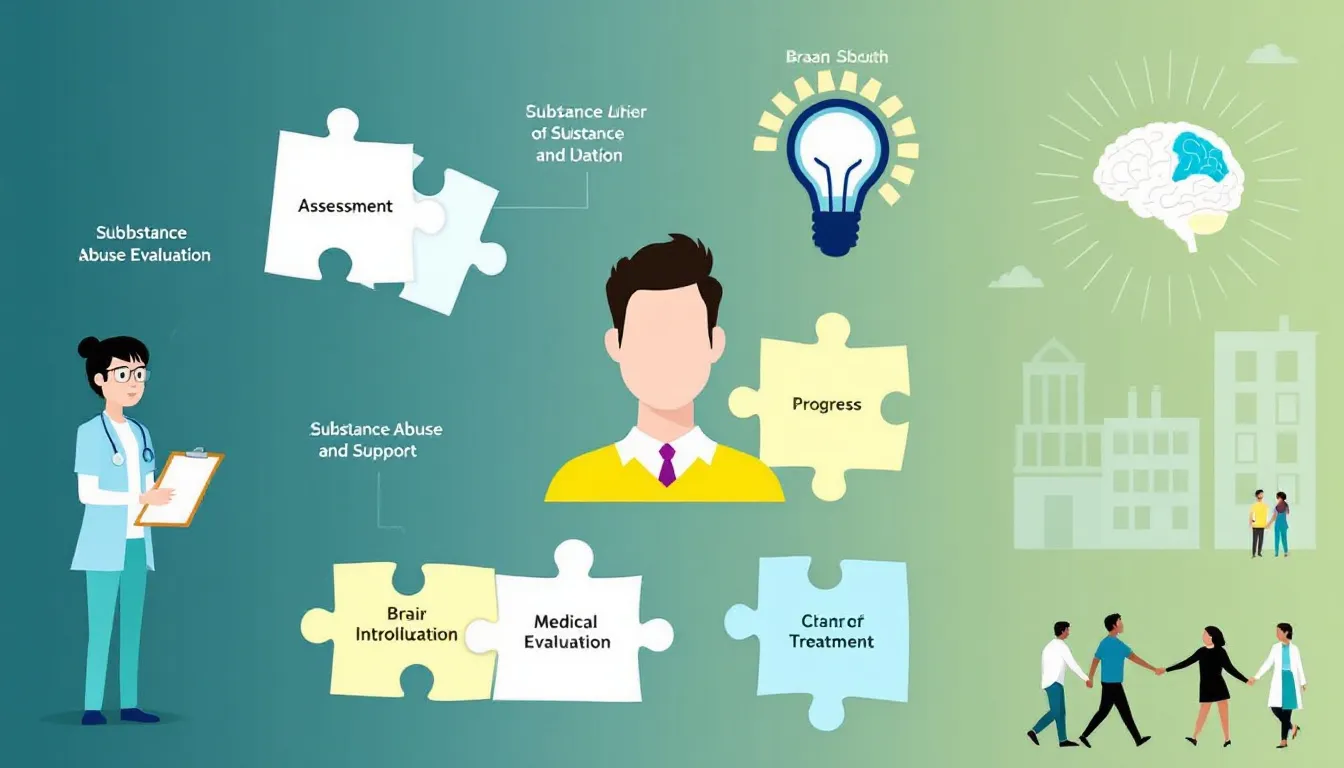
An overview of the DOT SAP program and its significance in substance abuse evaluation.

The DOT Substance Abuse Professional (SAP) program guarantees that employees performing safety-sensitive duties meet their responsibilities after a substance abuse violation. This initiative upholds safety standards in the transportation sector by enforcing drug and alcohol regulations, preventing mishaps, and protecting society’s wellbeing. Beyond being a statutory requirement, complying with these norms nurtures a secure and accountable work environment.

Employers play a pivotal role by tracking adherence to SAP guidelines and providing ongoing education on substance misuse prevention. These practices offer significant reinforcement. Failure to comply can have severe consequences for both employees and employers.

Understanding how SAPs under DOT jurisdiction operate highlights the profound importance of this protocol.

What is a Substance Abuse Professional (SAP Evaluation)?

A Substance Abuse Professional (SAP) holds a license or certification and specializes in substance-related disorders aligned with DOT regulations. To qualify, individuals must hold recognized credentials and complete specialized training. This training equips them to diagnose substance-related disorders and meet Department of Transportation drug testing requirements.

SAPs evaluate employees who breach DOT drug and alcohol standards, identify their treatment needs, and prescribe follow-up measures. Their face-to-face assessments create individualized treatment plans essential for employees aiming to return to duty.

For example, AACS Counseling offers comprehensive assessments for those who fail to comply with DOT’s drug and alcohol policies. These professionals provide thorough support using programs designed to guide individuals through recovery steps before returning to work.

The Role of the Department of Transportation (DOT)

The Department of Transportation (DOT) enforces drug and alcohol regulations as part of the SAP Program to uphold public safety in transportation. Employers oversee employees’ compliance with SAP recommendations and implement follow-up testing once employees resume their positions to ensure ongoing adherence to DOT standards.

The DOT’s enforcement safeguards the transportation industry’s integrity. It confirms that employees who meet all criteria and prove fitness for duty can safely perform safety-sensitive tasks, preventing hazards that might endanger the public. This regulatory process underscores the DOT’s central role in the SAP Program.

The Return-To-Duty Process

The return-to-duty process for substance abuse professionals and its importance.

The return-to-duty process reintegrates employees into safety-sensitive positions after substance abuse violations. This procedure maintains public safety and industry standards in transportation. Employees must undergo assessments, participate in treatment programs, and submit to follow-up testing to resume their duties.

Providers like AACS Counseling support individuals by conducting evaluations and offering treatment plans tailored to DOT mandates. These services confirm employees’ readiness for operational duties and foster a safer work environment.

Initial Substance Abuse Evaluation

The return-to-duty process begins with a comprehensive substance abuse evaluation. A Substance Abuse Professional (SAP) assesses the employee who violated DOT regulations and recommends education, treatment options, and follow-up testing schedules. This assessment addresses all aspects of the employee’s substance misuse issues.

After the evaluation, the SAP outlines treatment plans and determines if the employee is ready to return to duty. This process provides support and interventions designed to help employees overcome substance abuse and safely resume work.

Treatment and Education Requirements

Employees must complete specific treatment and continuing education programs after the initial evaluation. These programs address individual needs and prepare employees to resume their roles. Completing these programs is mandatory for reinstatement.

The SAP conducts a final evaluation to assess the employee’s readiness to return to duty. This evaluation reviews treatment progress and includes a mandatory return-to-duty test, which the employee must pass. These steps ensure the employee is fit for duty and maintain public safety.

Follow-Up Testing Plan

A follow-up testing plan maintains continuous compliance with DOT regulations. This plan requires at least six surprise tests over one year to monitor adherence to treatment recommendations.

Depending on circumstances, employees may undergo follow-up testing for up to five years. This extended monitoring ensures ongoing compliance with DOT regulations and suitability for their duties.

Implementing a follow-up testing plan protects the integrity of the return-to-duty process.

Completing the SAP Program

Completing the SAP program and the steps involved in the process.

Successfully completing the SAP Program marks a critical step for employees preparing to return to safety-sensitive roles. This achievement shows strict compliance with treatment and SAP guidelines, proving that employees have addressed substance abuse issues and are ready to resume their responsibilities.

AACS Counseling offers personalized programs tailored to each client’s needs, providing essential support for program completion. Following the SAP’s treatment plan prepares employees to return safely to their duties.

Compliance and Monitoring

Compliance and monitoring remain vital throughout the SAP Program. The SAP evaluates adherence to treatment recommendations during follow-up assessments to ensure compliance with DOT regulations. This includes specifying the frequency and duration of follow-up testing.

The SAP’s final review assesses the employee’s compliance and readiness to return to duty. Ongoing monitoring and adherence to guidelines remain essential.

Final Assessment and Return to Duty Test

The SAP conducts a final evaluation to determine if the employee can resume safety-sensitive duties. This includes reviewing treatment adherence and requiring the employee to pass a return-to-duty test.

DOT SAP Program FAQ’s- Frequently Asked Questions

What is the purpose of the DOT SAP Program?

The purpose of the DOT SAP Program is to evaluate and manage employees in safety-sensitive positions who have substance abuse violations, thereby promoting safety and compliance in the transportation industry.

This ensures a safer environment for both workers and the public.

Who is a Substance Abuse Professional (SAP)?

A Substance Abuse Professional (SAP) is a Qualified, expert tasked with evaluating employees who breach drug and alcohol regulations, recommending treatment options, and ensuring adherence to Department of Transportation guidelines.

Their role is vital for maintaining workplace safety and compliance.

What steps are involved in the return-to-duty process?

The return-to-duty process involves an initial substance abuse evaluation, fulfilling treatment and education requirements, and implementing a follow-up testing plan to ensure ongoing compliance.

This structured approach emphasizes accountability and support for a successful reintegration.

What are employers’ responsibilities in the SAP Program?

Employers are responsible for providing a list of qualified SAPs, monitoring employees’ adherence to SAP recommendations, and ensuring safety-sensitive duties are maintained without compromise.

This proactive approach is essential for maintaining workplace safety and compliance.

How does AACS Counseling support employees in the SAP Program?

AACS Counseling effectively supports employees in the SAP Program by providing specialized evaluations and treatment plans, ensuring they have the necessary resources to successfully reintegrate into their roles.

Pre-Employment Drug Test: A Complete Guide [2025]

Pre-employment drug testing has become a vital tool for employers striving to create a safe, productive, and drug-free workplace. This process helps identify whether prospective hires use illegal substances or abuse prescription drugs, offering peace of mind to employers and fostering a safer environment for all employees. For workplaces in safety-sensitive industries or environments, such as healthcare or transportation, pre-employment drug testing is particularly crucial.

This guide will explore how pre-employment drug testing works, what substances it screens for, its legal considerations, and the benefits it offers employers. Additionally, we’ll share best practices to help organizations implement a fair and compliant drug testing policy.

Types of Drug Tests

Pre-employment drug tests can vary based on the specimen collected and the detection windows for substances. Here are the most common types:

1. Urine Tests

Urine testing is the most widely used method in pre-employment drug screening. It is relatively quick, cost-effective, and capable of detecting recent drug use. Substances typically remain detectable in urine for 5 to 10 days, making these tests ideal for assessing recent consumption.

Key Features:

  • Most common method in regulated industries (e.g., DOT testing)
  • Easy to administer
  • Short detection window for recent drug use

2. Hair Tests

Hair testing provides the longest detection window, identifying drug use up to 90 days prior to the test. It involves collecting hair samples close to the scalp and is particularly effective in identifying long-term substance use.

Key Features:

  • Detects use over months
  • Ineffective for alcohol testing
  • Higher cost compared to urine testing

3. Saliva Tests

Saliva (or oral fluid) tests are non-invasive and offer a shorter detection period, ranging from a few hours up to 2-48 hours. These tests are commonly used to detect very recent drug use, which is useful in scenarios like post-accident testing or assessing on-the-spot impairment.

Key Features:

  • Non-invasive
  • Short detection period
  • Effective for monitoring recent on-duty drug use

4. Blood Tests

Blood tests are highly accurate and detect the exact levels of substances in an individual’s system at the time of testing. However, they are invasive, costly, and only effective for very short detection windows (minutes to hours).

Key Features:

  • Highly accurate
  • Short detection period
  • Best for detecting real-time drug impairment

Substances Tested

Most pre-employment drug tests focus on screening for the following substances, referred to as the “SAMHSA 5-panel test”:

  1. Amphetamines (e.g., methamphetamine, ecstasy)
  2. THC (tetrahydrocannabinol, marijuana)
  3. Cocaine (coke, crack)
  4. Opiates (heroin, morphine, codeine)
  5. Phencyclidine (PCP) (angel dust)

Employers can also request expanded panels to test for additional substances such as alcohol, barbiturates, benzodiazepines, and synthetic opioids.

For more information about standard drug testing panels, visit SAMHSA.gov.

Legal and Compliance Considerations

Drug testing in the workplace is governed by a mixture of federal, state, and industry-specific laws. Employers need to familiarize themselves with these regulations to ensure compliance and avoid litigation.

Federal Regulations

  • Drug-Free Workplace Act of 1988: This mandates that federal contractors and grant recipients have a drug-free workplace policy.
  • DOT Regulations: Employers in the transportation sector must follow strict drug and alcohol testing rules under the Omnibus Transportation Employee Testing Act.
  • Americans with Disabilities Act (ADA): Prevents discrimination against employees in drug rehabilitation programs but allows testing for current drug use.

Learn more about federal guidelines on the SAMHSA workplace resources page.

State Laws

State laws may vary widely regarding employee drug testing. Some states have specific rules about pre-employment testing, marijuana use, and disciplinary action. It’s critical to consult state-specific guidelines to align your policy with local regulations.

Best Practices for Compliance

  • Notify applicants about drug testing as part of the hiring process.
  • Use state-approved laboratories to conduct tests.
  • Offer equal treatment for all applicants in a specific role.

Benefits of Pre-Employment Drug Testing

The adoption of pre-employment drug testing comes with numerous advantages for employers, including:

1. Workplace Safety

Testing prevents individuals who misuse drugs from entering safety-critical roles, reducing workplace accidents and injuries.

2. Enhanced Productivity

Employees who misuse substances are more likely to have high absentee rates, reduced efficiency, and higher turnover. Testing ensures a healthier and more productive workforce.

3. Lower Liability

Employers can mitigate risks from workplace accidents caused by impaired employees, thus reducing their exposure to workers’ compensation claims and litigation.

4. Cost Savings

Drug screening deters substance abusers from applying, reducing turnover and lowering associated costs such as training new hires.

5. Improved Morale

A drug-free workplace promotes trust among employees and fosters a culture of safety and accountability.

Best Practices for Employers

Implementing a comprehensive and compliant drug testing program requires careful planning. Here are some best practices:

1. Establish Clear Policies

Develop a written drug-free workplace policy that outlines:

2. Use Random Testing

Random testing serves as a deterrent to ongoing drug use by employees. Companies should use statistically random selection processes for unbiased testing. DISA offers tools to create random selection programs (learn more here).

3. Maintain Confidentiality

Employers must protect the privacy of all employees during the drug screening process. Results should only be shared on a need-to-know basis.

4. Partner with Expert Providers

Work with occupational health providers that specialize in workplace drug testing. For example, providers like SAP Evaluation llc and Concentra offer end-to-end solutions for screening, ensuring compliance with legal norms.

5. Train Supervisors

Supervisors should be well-trained to identify signs of substance use and handle reasonable suspicion scenarios according to company policies.

Conclusion

Pre-employment drug testing is an essential step for businesses to ensure workplace safety, legal compliance, and employee productivity. By implementing a clear drug testing policy and staying updated on federal and state regulations, employers can maintain a safer, healthier, and more professional work environment.

With the right tools and strategies, drug testing safeguards both employee well-being and the company’s reputation. To get started, consult trusted occupational health providers, and explore resources like those on SAMHSA.gov to develop or optimize your drug testing policy.

Reference Article

Random Drug Testing Policies in the Workplace

Failed a Drug Test as a CDL Driver? Here’s Why You Must Complete a SAP Evaluation

Failing a drug test as a (Commercial Driver’s License) CDL driver can be a devastating experience. It not only disrupts your career but also raises concerns about your ability to return to work in an industry governed by strict guidelines. However, there is a structured pathway to help get you back on the road. One critical step in this process is completing a SAP (Substance Abuse Professional) evaluation. Understanding the importance of this evaluation and how it fits into the return-to-duty process can make all the difference when rebuilding your career.

This article explores the key reasons why completing a SAP Evaluation is essential. What the process entails, and how it can help you move forward after failing a drug test.

Understanding the Consequences of a Failed Drug Test

Failing a drug test as a CDL driver carries serious consequences. The Department of Transportation (DOT) mandates strict drug and alcohol testing requirements to ensure public safety. When you fail a drug test, whether it’s during pre-employment, random testing, or post-accident screenings, the results are reported to the DOT Clearinghouse. Here’s what happens next:

Immediate Removal from Safety-Sensitive Duties

According to DOT regulations, failing a drug test means you cannot perform safety-sensitive duties, including operating commercial vehicles. This policy ensures that the roads remain safe for everyone.

  • Notification to Your Employer: Your employer is required to remove you from your position immediately. CDL drivers are expected to operate with the utmost responsibility, and substance misuse is incompatible with these duties.
  • Impact on Future Employment: Failed test results are recorded in the DOT Drug and Alcohol Clearinghouse for five years or until you complete the return-to-duty process. Prospective employers will have access to this record, potentially making it difficult to secure new opportunities until corrective steps are taken.

While this situation feels overwhelming, CDL drivers need to know there is a structured process to regain compliance, re-enter safety-sensitive roles, and rebuild their careers.

What Is a SAP Evaluation?

A SAP evaluation is a standardized process designed to ensure that CDL drivers who violate DOT drug and alcohol regulations receive proper assessment and guidance. The Substance Abuse Professional (SAP) plays a pivotal role in evaluating your condition and providing recommendations for treatment or education. The ultimate goal is to promote safety while helping the individual overcome substance-related challenges. SAP evaluations are part of the DOT’s return-to-duty process, which drivers must complete following a failed drug test.

Here are the key elements of this evaluation:

  • Assessment by a Qualified SAP: An accredited SAP assesses your substance use history and the circumstances that led to the failed test. This assessment provides a foundation for the treatment or educational recommendations.
  • Customized Treatment Plan or Education: Based on the assessment, the SAP may recommend a treatment program, counseling sessions, or substance education courses tailored to your needs.
  • Monitoring and Follow-Up: After completing the recommended steps, the SAP will evaluate your progress to determine if you’re fit to return to work. This process ensures you meet the requirements to resume safety-sensitive duties.

CDL driver

Why Completing a SAP Evaluation Is Non-Negotiable

Failing a drug test as a CDL driver throws many challenges your way. However, completing a SAP evaluation isn’t just a DOT requirement; it’s also a critical step toward rebuilding your career.

Here’s why it’s essential:

  • Compliance with DOT Regulations: The DOT requires all CDL drivers who fail or refuse a drug test to complete the SAP evaluation and return-to-duty process. Without fulfilling these obligations, it’s impossible to regain compliance with DOT guidelines.
  • Restores Your Career Path: Once you’ve completed the SAP program and the return-to-duty requirements, you’ll have the opportunity to resume work in the trucking or commercial driving industry. Many employers are willing to hire CDL drivers who demonstrate that they’ve taken the necessary steps to address past issues.
  • Promotes Accountability: The SAP evaluation process encourages self-reflection and accountability. By engaging in treatment or education, you learn how to make more responsible choices moving forward.
  • Clears Your Clearinghouse Record: After successfully completing the return-to-duty process, your Clearinghouse record will indicate that you are eligible for work. This improves your chances of securing employment and rebuilding your reputation.
  • Protects Public Safety: The importance of public safety cannot be overstated. The SAP evaluation ensures that only those committed to safe practices are allowed back on the road, maintaining trust in the transportation industry.

The SAP Return-to-Duty Process Explained

Navigating the DOT’s return-to-duty process can feel complicated, but breaking it down into steps makes it more manageable.

Here’s what the process looks like:

  • Immediate Removal from Duties: After failing a DOT drug test, your employer will notify you of the failed test result. You’ll be removed from your role as a CDL driver until compliance is restored.
  • Finding a Qualified SAP: You’ll need to find a DOT-Qualified SAP through approved channels. It’s important to choose someone qualified to conduct the evaluation, as they play a critical role in your return-to-duty process.
  • SAP Evaluation: During the evaluation, the SAP will assess your situation, including your substance use history and the factors surrounding your failed test. Based on this assessment, they will recommend a tailored treatment, counseling, or education program.
  • Completing Recommended Treatment or Education: Your next step is to follow through with the SAP’s recommendations. This could involve attending substance abuse counseling, enrolling in treatment programs, or completing educational courses about the dangers of drug and alcohol misuse.
  • Follow-Up Evaluation: Once you’ve completed the treatment or education plan, you’ll undergo a follow-up evaluation with the SAP. This step determines whether you’ve successfully met the requirements and are ready to progress in the return-to-duty process.
  • Return-to-Duty Drug Test: Before resuming safety-sensitive duties, you must take and pass a DOT return-to-duty test. This test is observed, leaving no room for tampering or dishonesty. A negative result clears the way for you to get back to work.
  • Follow-Up Testing: Even after you’ve returned to work, you’ll be subject to follow-up drug or alcohol tests as mandated by the SAP. These tests, conducted at random intervals, are designed to ensure ongoing compliance and prevent relapse.

How to Move Forward After a SAP Evaluation

Completing the SAP evaluation and return-to-duty process is a significant milestone, but your career recovery doesn’t end there.

Here are some actionable tips to continue moving forward:

  • Maintain a Clean Record: Avoid repeating past mistakes by staying committed to sobriety and compliance with DOT regulations.
  • Build a Support Network: Surround yourself with supportive friends, family, or colleagues who encourage your progress. Joining support groups for CDL drivers can also provide valuable resources.
  • Demonstrate Reliability: Showing potential employers your dedication to a clean slate can go a long way. Highlight your completion of the SAP process as evidence of your commitment to safety and professional growth.
  • Stay Committed to Ongoing Testing: Follow-up testing ensures you continue meeting DOT requirements, protecting both your career and public safety.

Final Thoughts

Failing a drug test as a CDL driver can feel like a career-ending event, but it doesn’t have to be. By completing a DOT SAP Evaluation and adhering to the return-to-duty process, you can regain compliance, demonstrate responsibility, and restart your career. The road to recovery takes effort, but with the proper steps, you can get back in the driver’s seat and build a brighter future.

If you’re facing the challenge of a failed drug test, remember that help is available. Take the first step today by finding a Qualified SAP and committing to the process. Your career is worth the effort.

Crack the Code to DOT SAP Evaluation and Program Success

Are you stuck in the maze of DOT regulations after a substance abuse violation? If the phrase “return-to-duty process” fills you with dread, fear not. The DOT SAP Evaluation and DOT SAP Program are your golden tickets back to compliance and, ultimately, your job. Whether you’re a commercial driver, pilot, or in another safety-sensitive role, understanding this process is your first step toward turning things around.

This guide breaks down exactly what you need to know about these programs, how they work, and why they’re critical for getting you back in the driver’s seat (literally).

What is a DOT SAP Evaluation?

A DOT SAP Evaluation is a mandatory step for anyone in a safety-sensitive role who has violated the Department of Transportation’s drug and alcohol policy. The Substance Abuse Professional (SAP) acts as your navigator, assessing your situation and guiding you on the path to rehabilitation.

This evaluation is no mere formality. It’s a structured process designed to ensure public safety while giving you the tools you need to address substance abuse issues. It’s not about punishment; it’s about preparing you to safely resume your work.

Who Needs a DOT SAP Evaluation?

If you’ve tested positive for drugs or alcohol during any DOT-mandated screening or refused a test (final warning, that’s a violation too!), you’re required to undergo a SAP evaluation. This applies to transportation employees across industries, including commercial truck drivers, bus operators, airline pilots, pipeline workers, and more.

Failing to comply will leave you permanently excluded from performing safety-sensitive duties. This could mean losing your job and, in many cases, your livelihood.

What Does the DOT SAP Program Entail?

The DOT SAP Program isn’t just about ticking a box. It’s a comprehensive, step-by-step roadmap focused on rehabilitation and compliance.

  1. Initial Assessment: Your SAP conducts an evaluation to understand the severity of your situation. This involves discussing your history, substance use patterns, and other relevant factors. It’s a judgment-free zone, so honesty is critical.

  2. Recommendation for Education or Treatment: Based on the assessment, the SAP will recommend next steps. These could range from short-term education sessions to intensive treatment programs. This is tailored to ensure you get the support you specifically need.

  3. Complete the Program: Your job is to follow through on the SAP’s recommendations. If they prescribe treatment, ensure you actively participate and complete the program. If it’s education, attend every session. Half-measures won’t cut it.

  4. Follow-Up Evaluation: Once you finish the prescribed program, the SAP conducts a follow-up evaluation to verify that you’re ready to move forward. Only then can you transition to the next stage.

  5. DOT Return-to-Duty Process: Here’s the moment you’ve been waiting for. After successfully completing the SAP program and follow-up evaluation, you’re cleared to take a return-to-duty drug and/or alcohol test. Pass this test, and you’re finally eligible to step back into your role.

And that’s not all. Just because you’re back at work doesn’t mean you’re entirely off the radar. Expect to undergo a minimum of six random follow-up tests within the next 12 months to ensure ongoing compliance.

Why is the DOT SAP Evaluation Important?

Why is the DOT SAP Evaluation Important?

Beyond the obvious fact that it’s required, the DOT SAP Evaluation is a lifeline if you’ve fallen off course. It emphasizes personal responsibility by steering you toward a healthier, more reliable path.

Here’s why it matters:

  • Regaining Employment: Until you complete the SAP program, you’re sidelined. Airlines, trucking companies, and other DOT-regulated employers won’t allow you to work until you comply.

  • Public Safety: Look, the DOT isn’t trying to make your life harder. It’s protecting lives on the road, in the air, and across other critical areas. Completing this program proves you’re safe to perform safety-sensitive duties.

  • Professional Growth: Believe it or not, this isn’t just about keeping your job. The education and treatment pathways often empower individuals to tackle broader issues that may have been holding them back.

The Benefits of Completing the DOT SAP Program

Still debating whether it’s worth it? Completing the DOT SAP Program doesn’t just get the Department of Transportation off your back. It has tangible benefits that make it worth every moment of effort.

  1. Back On the Job: Without completing this process, you’re legally barred from safety-sensitive work. Don’t wait for your career to slip out of reach.

  2. Compliance Equals Confidence: Employers value reliability. By fulfilling every step of this process, you show them you’re committed to doing things the right way.

  3. Personal Growth: The SAP program isn’t just about passing tests. It’s about taking control of your professional and personal life. For many, it’s a wake-up call that ignites long-term change.

  4. Proving Accountability: Whether to your employer, family, or yourself, completing the DOT SAP Program demonstrates responsibility and dedication.

How to Get Started

The first step is finding a qualified DOT SAP near you. Make sure they are Qualified and well-versed in DOT regulations. You don’t want to risk wasting time or money with someone who doesn’t meet the department’s standards.

Next, commit to the process. It can feel overwhelming, but each step brings you closer to getting your life back in order. Remember, millions of people have faced similar challenges and come out stronger.

Final Thoughts

The DOT SAP Evaluation and Program may seem like hoops to jump through, but they serve an essential purpose. They protect public safety while giving individuals like you a second chance to prove your readiness to work.

If you’ve found yourself faced with this process after a substance abuse violation, don’t despair. The DOT SAP Program isn’t an obstacle; it’s an opportunity to regain control, compliance, and confidence. By following through, you’re paving the way to a brighter, more stable career—not just for today, but for every mile ahead.

Call Now