May 2025 - Page 4 of 6 - AACS Counseling

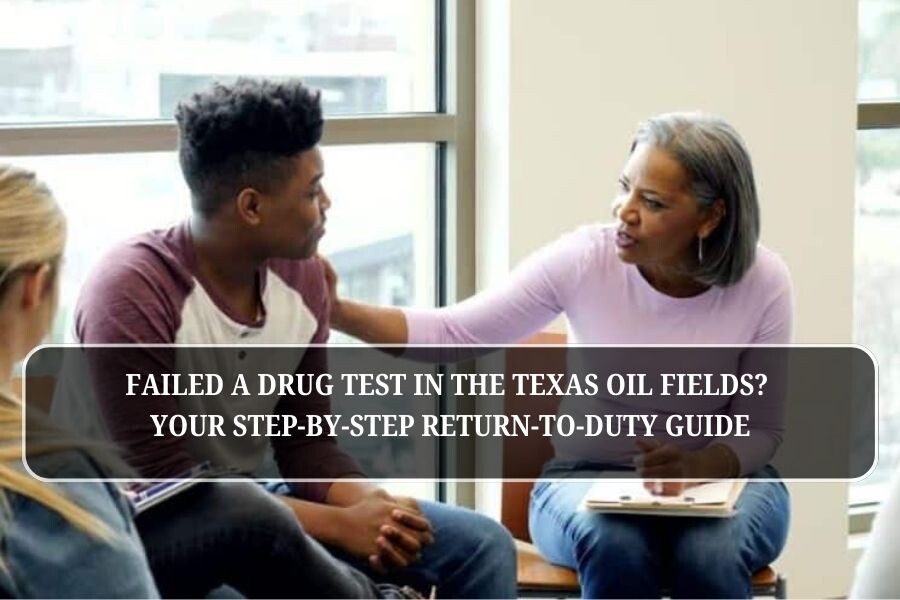
Failed a Drug Test in the Texas Oil Fields? Your Step-by-Step Return-to-Duty Guide

Don’t lose your spot in the patch. How to start your SAP evaluation in Houston, Dallas, or Midland today.

Working in the Texas oil and gas sector means dealing with high stakes. The hours are long, the work is hard, and the safety regulations are some of the strictest in the country. One failed drug test can feel like the end of your career, especially when you are working in the Permian Basin or driving rigs out of Houston.

If you have just received a positive result on a drug or alcohol test, panic is usually the first reaction. You might be wondering if you will ever drive a truck or operate heavy machinery again. The good news is that there is a defined path back to work. The bad news is that it can be complicated, involving both federal regulations and strict company policies.

This guide breaks down exactly what you need to do to get compliant and get back on the job.

Understanding the Stakes: Federal vs. Company Rules

Before you start the process, you need to understand who you are answering to. In the Texas oil fields, you are often dealing with two different sets of rules at the same time.

The Federal DOT Process

If you hold a Commercial Driver’s License (CDL) and operate a commercial vehicle, you fall under the Department of Transportation (DOT) regulations. Specifically, the Federal Motor Carrier Safety Administration (FMCSA) mandates the Return-to-Duty (RTD) process.

When you fail a DOT drug test:

  • You are immediately removed from safety-sensitive functions.
  • Your violation is recorded in the FMCSA Clearinghouse.
  • You cannot drive for any DOT-regulated employer until you complete the SAP process.

Company “Zero Tolerance” Policies

This is where it gets tricky for oil field workers. While the DOT has a path for you to return to work, many private oil and gas companies in Texas have “zero tolerance” policies that are stricter than federal law.

A company might fire you immediately upon a failed test, even if you are willing to go through the SAP process. However, completing the SAP process is still critical. Why? Because that violation stays on your DOT record until you fix it. Even if your current company won’t take you back, you will never be hired by another DOT-regulated employer until you complete the federal Return-to-Duty steps.

Step 1: Immediate Removal and the Clearinghouse

The moment a Medical Review Officer (MRO) verifies your positive test, your employer must pull you from safety-sensitive duties. You cannot drive. You cannot operate heavy equipment.

Simultaneously, this information is uploaded to the FMCSA Commercial Driver’s License Drug and Alcohol Clearinghouse. This is a national database. Every employer is required to check this database before hiring a driver. If your record shows a “prohibited” status, your career is on hold across the entire United States, not just in Texas.

Step 2: Finding a Substance Abuse Professional (SAP)

You cannot just see any counselor or therapist. You must see a DOT-qualified Substance Abuse Professional (SAP). These professionals have specific training and credentials required by federal regulations.

Finding a local SAP is crucial for getting back to work quickly. Whether you are based near the refineries in Houston, the corporate hubs in Dallas, or out in the field in Midland/Odessa, you need an evaluation.

What to look for in a Texas SAP:

  • DOT Qualification: Verify they are currently qualified under 49 CFR Part 40.
  • Availability: In the oil patch, time is money. Look for someone who can schedule you quickly.
  • Location: While some parts of the process can be handled remotely depending on current regulations, an initial face-to-face assessment is the standard.

Step 3: The Initial Evaluation

During your first meeting, the SAP will evaluate your specific situation. This isn’t an interrogation; it’s a clinical assessment to determine what kind of help you need.

Based on this evaluation, the SAP will recommend a course of education and/or treatment. This could range from:

  • Drug and alcohol education courses.
  • Outpatient treatment programs.
  • Inpatient rehabilitation (in severe cases).

The SAP will then enter the date of your initial assessment into the Clearinghouse. This is your first official step toward “not prohibited” status.

Step 4: Completing the Education or Treatment

This is the part where you have to put in the work. You must successfully complete whatever program the SAP recommended.

For workers in the Permian Basin, this can be logistically challenging if you are far from major cities. However, compliance is non-negotiable. You cannot negotiate the treatment plan with the SAP. You must finish it exactly as prescribed.

Once you have finished the program, you will return to your SAP for a follow-up evaluation. They will determine if you have successfully complied with their recommendations.

Step 5: The Return-to-Duty Test

If the SAP signs off on your progress, they will issue a report of compliance. Now, you are eligible to take a Return-to-Duty drug test.

Crucial detail: You cannot order this test yourself. An employer must order it.

This presents a “chicken and egg” problem for many Texas drivers. If your previous employer fired you, you need a new employer to hire you (contingent on a clean test) and order the Return-to-Duty test. Many trucking and oil field service companies are willing to do this for experienced drivers, but you must be upfront about your status in the Clearinghouse.

Once you pass this test with a negative result, your status in the Clearinghouse changes from “Prohibited” to “Not Prohibited.” You can legally drive again.

Step 6: Follow-Up Testing

Getting back in the cab isn’t the end of the road. The DOT requires a schedule of unannounced follow-up tests.

  • You will face a minimum of 6 unannounced tests in the first 12 months.
  • The testing plan can last up to 5 years.
  • These tests are in addition to random drug screens your company already performs.

This follow-up plan follows you, not the employer. If you switch jobs from a fracking crew in Midland to a hauling gig in San Antonio, your testing plan goes with you.

Navigating the “Oil Field Factor”

Texas oil field workers face unique pressures. The “work hard, play hard” culture can sometimes clash with safety regulations. Furthermore, the confusion between CBD oil, legalized marijuana in other states, and Texas laws trips up many drivers.

Remember this: The DOT has zero tolerance for marijuana, regardless of state laws or product labels claiming to be THC-free. If you pop hot for THC, you are in the SAP process.

Don’t let a mistake define your career. The demand for qualified, licensed drivers and operators in Texas is massive. Employers need you, but they need you compliant.

Take the First Step Today

Ignoring a failed drug test won’t make it go away. The violation will sit in the Clearinghouse forever until you complete the SAP process. You have worked too hard to get your CDL and your experience in the patch to throw it all away.

Whether you are in Houston, Dallas, or out in Midland, start your journey back to the driver’s seat today. Find a qualified SAP, follow the steps, and get back to work.

If you are looking for a Qualified SAP in Texas, we can help you start today.

Back to Basics for Substance Abuse Professionals – SAP’s

Substance Abuse Professionals (SAPs) play an essential role in ensuring public safety and compliance within safety-sensitive workplaces regulated by the U.S. Department of Transportation (DOT). Whether you are a new SAP trying to understand your responsibilities or someone seeking a refresher, this guide provides a comprehensive overview based on the official requirements outlined in DOT regulations, particularly § 40.311. Below, we’ll cover the qualifications, responsibilities, and evaluation processes that every SAP should know.

Who is a Substance Abuse Professional (SAP)?

A Substance Abuse Professional, as defined by DOT regulations, evaluates employees who test positive for drugs or alcohol in federally regulated safety-sensitive positions. These positions include drivers, pilots, and other transportation professionals. SAPs are responsible for recommending appropriate treatment, education, and follow-up testing to ensure these individuals are fit to safely return to duty.

SAPs are not advocates for employees or employers. Instead, they act as neutral evaluators to make decisions in the interest of workplace and public safety.

Qualifications for SAPs Under § 40.281

To serve as a SAP, professionals must meet specific qualifications set by the DOT under 49 CFR Part 40.281. They must be one of the following licensed  professionals:

  • A licensed physician (Doctor of Medicine or Osteopathy)
  • A licensed social worker
  • A licensed psychologist
  • A licensed employee assistance professional (EAP)
  • A state-licensed marriage and family therapist
  • A drug and alcohol counselor certified by an organization listed by the DOT (e.g., NAADAC, IC&RC).

Training Requirements

Beyond holding the appropriate licenses or certifications, SAPs must complete specialized training that equips them with the knowledge to evaluate and guide employees. The training must include the following topics as outlined in the regulations:

  • Clinical evaluation processes
  • Substance use disorder issues and diagnoses
  • DOT’s drug and alcohol testing requirements (Part 40 regulations)
  • The SAP’s role in the return-to-duty process.

Additionally, SAPs are required to pass an exam covering these areas and complete 12 hours of continuing education every three years to maintain their qualifications.

SAP Responsibilities as Outlined in § 40.311

The role of the SAP comes with clearly defined duties. According to § 40.311, SAPs must meet the following requirements throughout their work with employees and employers:

Initial Assessment

SAPs are required to conduct a face-to-face clinical evaluation (or a virtual equivalent, where applicable). This assessment involves collecting detailed information about the employee’s substance use history, employment status, and any contributing factors.

Treatment Recommendation

Based on the assessment, SAPs must recommend appropriate education, treatment, or both. This could involve outpatient counseling, inpatient rehabilitation, or educational resources focused on substance use prevention.

Monitoring Treatment Completion

Part of the SAP’s role is to ensure the employee adheres to the outlined plan. SAPs must maintain communication with treatment providers and document the employee’s participation and progress.

Follow-Up Assessment

Once treatment is complete, the SAP conducts a follow-up evaluation to verify the employee’s fitness to return to duty. This assessment determines whether the individual has achieved compliance with the recommended treatment plan.

Written Reports

SAPs must provide written documentation of their evaluations and recommendations to the employee’s employer or appropriate authority. These reports must include clear, objective findings to help stakeholders make informed decisions about the individual’s return to work.

Establish a Follow-Up Testing Plan

The SAP is responsible for creating a follow-up testing plan for the employee. The plan typically includes at least six unannounced drug or alcohol tests within the first 12 months of returning to duty, though testing may extend for up to five years under certain circumstances.

Understanding the Return-to-Duty Process

The return-to-duty process is critical for ensuring an employee is ready to resume their safety-sensitive duties. This multi-step process includes the following components:

1. Employee Violation of DOT Regulations

The process begins when an employee violates DOT drug or alcohol regulations. This could involve testing positive for a controlled substance, refusing to test, or other prohibited conduct as defined in § 40.261-§ 40.263.

2. Initial SAP Evaluation

The employee must meet with a qualified SAP for an initial assessment. This evaluation informs the treatment or education plan required for compliance and rehabilitation.

3. Treatment or Education Completion

Following the SAP’s recommendation, the employee participates in their assigned program. Treatment may include substance use counseling, inpatient care, or educational workshops designed to address risky behaviors.

4. Return-to-Duty Testing

After completing the treatment plan, the SAP conducts a final follow-up evaluation. If the SAP determines the employee is fit for duty, they must pass a return-to-duty drug and/or alcohol test before resuming safety-sensitive work. Employers are responsible for arranging this test.

5. Follow-Up Testing

Once the employee returns to their position, they are subject to the follow-up testing plan established by the SAP. This ensures ongoing compliance with DOT drug and alcohol guidelines.

Key Qualities of an Effective SAP

While meeting the qualifications outlined in § 40.281 is important, effective SAPs share several key characteristics:

  • Neutrality: SAPs must strike a balance between protecting workplace safety and ensuring employees are treated with respect and fairness.
  • Clinical Expertise: Evaluating substance use disorders and determining appropriate treatment requires specialized clinical knowledge.
  • Strong Communication Skills: SAPs must communicate clearly and compassionately with employees, employers, and treatment providers to ensure all parties understand and follow the outlined process.
  • Attention to Detail: Following DOT guidelines requires meticulous documentation and adherence to federal regulations.

Common Questions About SAP Services

How can employers ensure compliance with DOT regulations?

Employers can work with qualified SAPs to manage violations and returns-to-duty. Additionally, employers should maintain robust drug and alcohol testing programs and provide employees with access to SAP resources when needed.

Can SAP services be delivered online?

Yes, the DOT now allows virtual SAP evaluations where state regulations permit. Online evaluations must meet the same rigorous standards as in-person assessments.

Why SAPs Are Vital for Public Safety

Substance Abuse Professionals play a pivotal role in maintaining safety-sensitive work environments. By helping individuals recover and ensuring safety compliance, SAPs protect the integrity of industries like transportation, aviation, and rail. Their efforts not only rehabilitate employees but also safeguard coworkers, passengers, and the public from potential harm.

Whether you’re an aspiring SAP, an employer managing compliance, or an employee navigating the return-to-duty process, understanding these foundational principles is critical to fostering safer workplaces. By adhering to DOT guidelines, SAPs can confidently carry out their responsibilities and promote healthier, drug-free workplaces.

The Dangers of Heroin: A Silent Epidemic


Initially, heroin poses substantial threats to physical well-being, encompassing both acute and chronic effects. Upon entering the brain, it induces an initial euphoric state followed by extreme drowsiness. This is concerning for someone getting behind the wheel after recent use. It can lead to a DUI and having to get a DUI Evaluation. Below are some of the side effects of using heroin.

  • Respiratory Depression: An immediate and critical risk is the potential for respiratory depression leading to complete respiratory arrest, particularly in instances of overdose or concurrent use with other substances such as alcohol or specific medications.
  • Infectious Diseases: Intravenous heroin use increases the likelihood of contracting infections such as HIV and hepatitis C, particularly through needle sharing. These diseases can lead to long-term health complications and mortality.
  • Vascular Damage and Organ Dysfunction: Repeated intravenous administration can result in venous damage, localized infections and ulcerations, and compromised function of vital organs, including the liver, kidneys, and heart.
  • Overdose: Heroin overdose is prevalent and often fatal, exacerbated by the frequent adulteration of heroin with fentanyl, a synthetic opioid far more potent than morphine.

Heroin also disrupts neurochemistry, with potential for enduring alterations even after cessation of use.

Addiction constitutes a critical concern:

  • Addiction and Physiological Dependence: Heroin is highly addictive, and individuals rapidly develop tolerance, necessitating increased dosages to achieve the desired effect. This leads to a cycle of dependence that is exceedingly challenging to interrupt without intervention.
  • Cognitive Impairment: Prolonged heroin use can result in deficits in decision-making, memory, and emotional regulation.
  • Psychiatric Comorbidities: Depression, anxiety, and affective lability are frequently observed in individuals with heroin use disorder and may precede or result from addiction.

The Dangers of Heroin

The consequences of heroin addiction extend beyond the individual:

  • Relational Discord: Individuals struggling with addiction often prioritize substance use over familial and social responsibilities, leading to social isolation.
  • Occupational and Financial Instability: Heroin addiction can impair occupational functioning, resulting in unemployment, homelessness, and financial hardship.
  • Criminal Behavior: Individuals may engage in illicit activities to procure substances, thereby increasing their risk of legal consequences.
  • Burden on Public Resources: The management of addiction treatment, overdoses, and associated criminal activities places a substantial burden on healthcare and legal systems.

The current prevalence of fentanyl adulteration further elevates the risks associated with heroin use. Unsuspecting users who consume heroin laced with fentanyl are at significantly increased risk of overdose and mortality. This synthetic opioid has contributed to a surge in fatalities, particularly in North America.

Despite these significant challenges, recovery is attainable. Effective treatment modalities exist:

  • Medication-Assisted Treatment (MAT): Pharmacological interventions such as methadone, buprenorphine, and naltrexone can mitigate withdrawal symptoms and reduce cravings.
  • Psychotherapy: Counseling, support groups, and psychological therapies can address the psychological dimensions of addiction.
  • Community-Based Support: Sustained abstinence often necessitates the establishment of supportive social networks and pursuing meaningful life activities.

DUI Evaluation

Choosing an exemplary evaluation service is crucial to meeting your case requirements. At AACS Counseling, we specialize in DUI evaluations, which is the first step in resolving your case with the court system. For more information, please visit our website at https://www.aacscounseling.com/.

“If you’re facing a legal issue or need a professional evaluation, AACS Counseling is her

How to Find the Best DOT SAP Program Near Me

DOT SAP Program Near Me

Finding a trusted DOT SAP (Substance Abuse Professional) program near you can feel like a daunting task. If you’re navigating the consequences of a DOT drug or alcohol violation, you’re probably looking for guidance and answers. The good news is that help is closer than you think. This comprehensive guide will explain what the DOT SAP program is, who needs it, why it’s essential, and how you can find a reliable SAP program in your area.

Whether you’re a safety-sensitive employee or an employer managing compliance, understanding the SAP program is key to getting back on track.

What Is the DOT SAP Program?

The DOT SAP program is designed to help safety-sensitive employees who have violated the Department of Transportation’s drug and alcohol testing regulations. These regulations apply to employees operating in industries such as trucking, aviation, railroads, transit, and pipelines within the United States.

A SAP plays a critical role by evaluating individuals who have violated DOT rules, recommending appropriate treatment or education programs, and guiding them through what’s known as the Return-to-Duty process.

Who Needs the DOT SAP Program?

The SAP program is mandatory for:

  • CDL Drivers: Operators who test positive for drugs or alcohol under DOT regulations.
  • Aviation Employees: Such as pilots or flight crew members.
  • Transit Workers: Including bus drivers and subway operators.
  • Anyone in Safety-Sensitive Roles: Employees in any DOT-regulated industry who fail a DOT drug or alcohol test.

If you’ve failed a DOT drug test, refused to take one, or tampered with your sample, the SAP program is your pathway to return to safety-sensitive duties legally and responsibly.

Why Is the DOT SAP Program Important?

The DOT SAP program is vital for a few key reasons:

  1. Compliance with Federal Law: Completion of the SAP program is the only way to fulfill the requirements set by the DOT after a violation. Neglecting this process puts your career and livelihood at risk.
  2. Ensuring Safety: The program upholds the DOT’s commitment to public and workplace safety. Through evaluation and education, employees are better prepared to perform their roles without endangering themselves or others.
  3. Clearing Your Record in the FMCSA Clearinghouse: After completing the program, your SAP will update your status in the Federal Motor Carrier Safety Administration’s (FMCSA) Clearinghouse, making you eligible for reemployment in safety-sensitive positions.

What Is the Return-to-Duty Process?

The Return-to-Duty (RTD) process is a structured pathway for employees to regain their eligibility for safety-sensitive work. Here’s how it works:

1. SAP Evaluation

Your first step is meeting with a Qualified DOT Substance Abuse Professional. This evaluation includes a face-to-face or even virtual assessment of your situation. The SAP will determine the appropriate treatment or education you need based on your violation and circumstances.

2. Follow Treatment or Education Plan

The SAP will recommend a personalized plan, which could include counseling, rehabilitation, education courses, or other interventions. Completion of this step is mandatory before moving forward.

3. Follow-Up Evaluation

Once your treatment is complete, you’ll return to your SAP for a follow-up evaluation. This step confirms that you’ve complied with the recommended program and are fit to resume your duties.

4. Return-to-Duty Testing

To resume work, you must pass a Return-to-Duty drug or alcohol test under strict DOT guidelines. The test must be conducted by a certified drug testing laboratory.

5. Follow-Up Testing Schedule

Most employees are subject to additional, unannounced follow-up tests for 12 to 60 months to ensure continued compliance.

How to Find a Reliable SAP Program Near You

If you’re searching for a DOT SAP program near you in the US, here are a few tips to help make the process easier:

1. Use the FMCSA Clearinghouse

The FMCSA Clearinghouse provides information on Qualified Substance Abuse Professionals. This online portal ensures you’re connected with qualified programs that meet stringent DOT standards.

2. Search Online for Local Providers

A simple search for “DOT SAP Program near me” can help you find professionals operating in your area. Look for verified reviews and detailed information on services offered.

3. Check with Employers or Industry Associations

If you’re currently employed, your employer may already have a list of trusted SAPs. Alternatively, associations related to your field (e.g., trucking or aviation organizations) can also recommend  Qualified providers in your region.

4. Consider Virtual Services

Many DOT-Qualified SAPs now offer remote or virtual evaluations and follow-ups. This option is convenient, eliminates travel time, and ensures you meet compliance requirements, regardless of your location.

Benefits of Professional Help with the SAP Program

Going through the SAP program on your own can feel complicated and overwhelming. That’s why seeking professional assistance can make a big difference. Here are some of the benefits of expert help:

  • Guidance Through the Process: Professionals will walk you through each step of the DOT SAP program to ensure you complete it correctly.
  • Customized Support: Experts in resolving drug and alcohol violations will tailor their services to your specific needs and violations.
  • Compliance Confidence: Avoid costly mistakes by working with a Qualified SAP provider who understands DOT guidelines inside and out.

Frequently Asked Questions

How Long Does the SAP Program Take?

The timeline varies based on the type of treatment or education recommended by your SAP. Typically, it takes several weeks to a few months to complete the process.

Can I Work While in the SAP Program?

You cannot perform safety-sensitive duties while completing the SAP program. However, you may be eligible to work in non-safety-sensitive roles until the process is finished.

Will This Stay on My Record?

Yes, DOT violations and SAP program participation are recorded in the FMCSA Clearinghouse. Once you complete the program and meet all follow-up requirements, your record will reflect compliance, allowing future employers to verify your Return-to-Duty status.

Take Action Today

If you’ve faced a DOT drug or alcohol violation, the SAP program is your pathway to a fresh start. Finding a reliable program near you doesn’t have to be difficult when you know where to look. Take charge of your situation by contacting a Qualified DOT SAP provider who can streamline the process and guide you back to work swiftly and stress-free.

Don’t wait! Begin your Return-to-Duty process today by connecting with a trusted DOT SAP program near you.

Comprehensive Guide to the DOT SAP Program

What is the DOT SAP Program?

The DOT SAP (Substance Abuse Professional) Program is a mandatory process for individuals in safety-sensitive roles who have violated drug and alcohol testing regulations set by the Department of Transportation (DOT). It outlines a clear path to help employees regain compliance, maintain workplace safety, and return to work in regulated roles. For anyone navigating the complexities of the return-to-duty process, AACs Counseling is here to provide expert guidance and support.

Learn more about our DOT SAP Program today.

Steps to Complete the Return-to-Duty Process

When facing a DOT violation, understanding the return-to-duty process is essential to getting back on track. Below is a breakdown of the required steps in the DOT SAP Program:

1. Initial SAP Evaluation

The process starts with an in-depth evaluation conducted by a DOT-qualified Substance Abuse Professional (SAP). This one-on-one session assesses the individual’s circumstances, challenges, and readiness to address substance use concerns.

2. Personalized Treatment Plan or Education

Based on the evaluation, the SAP tailors a treatment or education plan designed to meet DOT regulations. This could include counseling, substance education, or other programs to ensure compliance.

3. Demonstrating Compliance

While participating in the recommended treatment or education plan, the SAP monitors progress to ensure the individual is following the outlined recommendations. Completion of this step marks readiness to safely rejoin the workplace.

4. Follow-Up SAP Assessment

Upon finishing the assigned treatment plan, the SAP conducts a follow-up evaluation to verify successful completion and compliance. Only after this confirmation can the individual proceed to testing.

5. Return-to-Duty Testing

A DOT-mandated return-to-duty test is required to confirm that the individual meets the safety standards set by the DOT. A negative test result allows the participant to rejoin safety-sensitive duties.

6. Follow-Up Testing Program

Even after returning to work, ongoing compliance is essential. The SAP creates an unannounced follow-up testing plan, ensuring long-term adherence to DOT regulations over a designated period.

Why Choose AACs Counseling for Your DOT SAP Program?

At AACs Counseling, we understand how challenging a DOT violation can be for your career and future. That’s why we focus on providing personalized, professional, and efficient support. Here’s what makes us stand out:

  • Expert SAP Professionals: Our team is made up of qualified Substance Abuse Professionals with extensive experience in DOT compliance.
  • Streamlined Process: From your initial evaluation to the completion of your return-to-duty requirements, we simplify every step for a stress-free experience.
  • Tailored Support: We listen to your unique concerns and create individualized plans to meet your specific needs.
  • Commitment to Privacy: Your trust matters to us, and we ensure your information is handled with the utmost confidentiality.
  • Nationwide Services: No matter where you are in the U.S., AACs Counseling is ready to assist you with your DOT SAP Program requirements.

Start your return-to-duty process with AACs Counseling now.

How the DOT SAP Program Benefits You

  1. Career Recovery: Successfully completing the program reinstates eligibility for safety-sensitive roles.
  2. Compliance with Regulations: Meeting DOT requirements ensures the maintenance of your professional credentials.
  3. Support for Long-Term Success: With education, treatment, and follow-up, the program helps prevent further violations and promotes personal growth.

Don’t Navigate the Return-to-Duty Process Alone

Facing a DOT violation can feel overwhelming, but you don’t have to manage it by yourself. At AACs Counseling, our experienced professionals are here to guide you every step of the way, making the DOT SAP Program straightforward, supportive, and effective. Taking control of your career begins with scheduling your SAP evaluation today.

Contact us now to get started on the path back to compliance and success.

Optimize your future with AACs Counseling’s trusted expertise in the DOT SAP Program.

Understanding the DOT Return-To-Duty Process

Navigating Your Return After a DOT Drug or Alcohol Violation

If you’ve experienced a DOT drug or alcohol violation, there’s a structured process you’ll need to follow before resuming work in a safety-sensitive role. This process ensures both your well-being and workplace safety. Here’s a breakdown of what to expect:

Step 1: Substance Abuse Professional (SAP) Assessment

Your first step is meeting with a Substance Abuse Professional (SAP). The SAP will:

  • Perform a detailed, face-to-face evaluation to understand your situation.
  • Design a personalized plan for treatment or education.
  • Share their recommendations with your employer.

Step 2: Follow Your Treatment Plan

Once your treatment starts, the SAP will regularly monitor your progress. This includes ensuring that you’re complying with the recommended program and making meaningful improvements.

Step 3: Follow-Up Evaluation

After completing your treatment plan, the SAP will conduct a follow-up evaluation to confirm your success. If the SAP determines that you’ve met the program’s goals, they’ll provide a compliance report to your employer.

If not, the SAP will report non-compliance. This might require further steps before you can move forward, so full cooperation is crucial.

Step 4: The Return-to-Duty Test

After receiving your SAP compliance report, your employer or future employer may request a return-to-duty drug or alcohol test. Remember, this test:

  • Must be observed to maintain accuracy.
  • Must return a negative result for you to resume DOT-regulated duties.

A positive test result would lead to a new violation, requiring you to restart the entire process.

Ongoing Monitoring with Follow-Up Testing

Once you’re cleared to return to work, your SAP will implement a follow-up testing schedule. This program includes at least six unannounced tests within the first year. Depending on your case, the SAP may extend testing requirements up to five years, with the goal of ensuring ongoing safety and compliance.

What Happens After the SAP Evaluation?

The SAP recommendations guide the next steps in your return-to-duty process. Beyond treatment and follow-up testing, your employer will decide whether to reinstate your position. Some employers may opt to terminate your employment before or after the return-to-duty test, depending on their internal policies.

If you are reinstated and successfully pass the return-to-duty test, follow-up testing will remain a critical component of staying in compliance with DOT regulations.

Have More Questions About the Return-to-Duty Process?

We’re here to help clarify every step of this process and guide you toward success. We understand the challenges you may face and are committed to supporting you with professionalism and care.

FAQs about the DOT Return-to-Duty Process

FAQs for Employees

1. What is the return-to-duty process?
The return-to-duty process is a structured protocol required by the Department of Transportation (DOT) for employees who have violated drug or alcohol regulations. It includes an assessment with a Substance Abuse Professional (SAP), a treatment or education program, and follow-up testing to ensure compliance and public safety.

2. Can I return to work after completing the process?
Yes, once you’ve successfully completed the SAP-recommended treatment or education program and received a negative result on your return-to-duty test, you may be able to return to a safety-sensitive role. Your employer makes the final decision based on their policies.

3. How long does the process take?
The length of the process varies depending on your SAP’s recommendations and your participation in treatment or education. Full cooperation ensures quicker progress.

4. Will my follow-up testing schedule be shared with my employer?
No, your SAP will create a follow-up testing plan, but specific test dates remain unannounced to ensure compliance. Your employer will only be notified of the requirements.

5. What happens if I fail the return-to-duty test?
A failed test is considered a new violation. You’ll need to start the return-to-duty process from the beginning, which includes another SAP assessment and a new treatment or education plan.

FAQs for Employers

1. What is my role in the return-to-duty process?
As an employer, you’re responsible for ensuring employees who violate DOT regulations complete the return-to-duty process with a qualified SAP. You’ll determine whether to reinstate the employee once they’ve complied with all requirements.

2. Can I terminate an employee before they complete the return-to-duty process?
Yes, termination is within your rights as an employer, depending on your company policy. However, if the employee completes the process and is reinstated, follow-up testing is obligatory.

3. Do I have to pay for the return-to-duty process?
Costs associated with the SAP process and testing are usually the responsibility of the employee. However, employers can choose to support costs as part of their internal policies.

4. Are there specific criteria for choosing a SAP?
Yes, the SAP must be qualified by DOT guidelines to perform evaluations and recommend treatment. Their credentials, training, and professional qualifications ensure compliance with federal regulations.

5. How does follow-up testing affect scheduling?
Follow-up tests are federally mandated and must be completed during work hours. These unannounced tests can last up to 5 years, with at least 6 tests required in the first 12 months.

FAQs for SAPs

1. What are my primary responsibilities as a SAP?
Your role as a SAP includes evaluating employees involved in violations, recommending treatment or education, monitoring their progress, and conducting follow-up evaluations to ensure compliance.

2. How do I make treatment recommendations?
Your recommendations are based on the employee’s clinical needs, determined during the initial face-to-face assessment. Treatment could involve counseling, education, or rehabilitation services tailored to the individual.

3. How do I manage follow-up testing schedules?
After an employee has completed their treatment successfully, you’ll develop a follow-up testing schedule. This includes unannounced tests, with a minimum of six in the first year, extending up to five years if needed.

4. Can an employer overrule a SAP’s recommendations?
No, employers must adhere to the SAP’s recommendations for the return-to-duty process, including follow-up testing plans. However, employers can decide whether or not to reinstate the employee.

5. Do I need to provide updates to the employer?
Yes, you must send a compliance or non-compliance report to the employer following the employee’s evaluation and progress through the recommended program.

What Every Fleet Manager Needs to Know About Follow-Up Testing Plans

A driver who has completed the Substance Abuse Professional (SAP) program and passed their Return-to-Duty (RTD) test can now return to safety-sensitive work. Their FMCSA Clearinghouse status shows “Not Prohibited.” For many fleet managers, this milestone seems like the end of a long process. In reality, it marks the beginning of a critical new phase: the follow-up testing plan.

This period creates a lot of confusion in DOT compliance. If you manage it incorrectly, you risk severe penalties. Missed tests or paperwork mistakes can immediately reset a driver’s status to “Prohibited” and create unnecessary challenges for your operation. Therefore, understanding the rules and your role is essential.

This guide covers exactly what fleet managers must know about follow-up testing plans. You’ll learn about the minimum testing rules, the SAP’s role, and your key responsibilities. To make the content easier to follow, we’ve added clear subheadings and used simple language throughout.

What Is a Follow-Up Testing Plan?

A follow-up testing plan requires a driver to take a series of unannounced drug or alcohol tests after returning to duty. The DOT makes this step mandatory. Without a follow-up testing plan, a driver cannot stay in a safety-sensitive job after a violation.

This process ensures the driver remains drug- and alcohol-free. It helps verify that the education or treatment worked. The plan also provides clear accountability for both the driver and the employer, helping to keep everyone safe.

Who Decides the Plan? The SAP Sets the Rules

Only the Substance Abuse Professional (SAP) designs the follow-up testing plan. During their final evaluation, the SAP reviews each driver’s case and creates a custom plan. Neither the fleet manager nor the company owner can change the SAP’s requirements.

The SAP gives you a written report. This document tells you:

  • How long the testing plan must last
  • How many tests the driver must take
  • If the tests must check for drugs, alcohol, or both

You must follow the SAP’s plan exactly as they describe.

Understanding the “6 in 12” Rule

The DOT has a strict rule for follow-up testing: every driver must complete at least six unannounced follow-up tests in the first 12 months after getting back to work.

Let’s break down what that means and why you must stay compliant.

  • Six Tests Minimum: This is the lowest number. The SAP may require more based on their professional judgment and evaluation.
  • Twelve Months: This period starts on the day the driver first returns to a safety-sensitive job after a negative RTD test.
  • Unannounced: You must not tell the driver when you will test them. These surprise tests make it more difficult for someone to hide drug or alcohol use.

How Long Can a Plan Last?

While the first year involves the most testing, a SAP can order follow-up testing for up to five years. For example, one plan could look like this:

  • Year 1: 6 tests
  • Year 2: 4 tests
  • Year 3: 2 tests
  • Year 4: 2 tests
  • Year 5: 1 test

You are responsible for tracking and organizing every test over the entire plan.

Your Responsibilities as a Fleet Manager

As the fleet manager, you play a central role in keeping your company compliant. Once you receive the SAP’s report, you must act right away. For best results, you should organize the process, document each step, and ensure your entire team understands what is required.

Scheduling Follow-Up Tests

You must create a random schedule for each test. Never develop a predictable pattern, such as always scheduling on Mondays. Instead, pick different days and surprise times. This approach keeps drivers honest and protects your company.

Ensuring Direct Observation at Every Test

Every follow-up test requires direct observation, with no exceptions. The collector or observer must watch the urine enter the collection cup. This critical step helps prevent tampering. When scheduling, remind the collection site that the test requires direct observation and check that the Chain of Custody Form reflects this.

Documenting Every Follow-Up Test

Create a confidential record for each driver in a follow-up testing plan. Keep the original SAP report and copies of all test results. Good documentation not only helps you track your responsibilities, but it also proves that your company follows DOT regulations in the event of an audit.

Distinguishing Follow-Up Tests from Random Tests

Remember, a follow-up test does not replace a random test, and vice versa. A driver who has a follow-up plan must stay in the random testing pool as well. It is possible for someone to be selected for both kinds of tests in a short period.

What Happens if You Don’t Comply?

Failing to manage a follow-up plan can create big problems for both your driver and your company. Let’s review why it’s so vital to take this phase seriously.

Consequences for Drivers

If a driver misses a scheduled follow-up test, the company must remove them from duty immediately. The Clearinghouse status switches to “Prohibited.” The driver will need to repeat the entire DOT SAP process to regain eligibility.

Consequences for Employers

If a DOT audit finds that you missed a required test, your company faces large fines and potential legal action. The FMCSA considers this a serious violation because it threatens public safety.

Frequently Asked Questions

  • Q: Can a driver refuse a follow-up test?
    A: If a driver refuses, they face a new violation. This is handled as a positive test or “Refusal to Test,” and the RTD process must start from the very beginning.
  • Q: Who pays for follow-up testing?
    A: DOT regulations do not specify responsibility for payment. Most companies require the driver to pay, but check your company’s written policy. Some companies may cover the cost.
  • Q: What happens if a driver fails a follow-up test?
    A: A failed test starts the entire process over. The driver is removed from safety-sensitive duty, and the positive result is reported in the Clearinghouse.
  • Q: Can I use our regular random testing provider for follow-up tests?
    A: Yes, you can, but you must clearly state the test is a “Follow-Up” and must be directly observed. Double-check that the Chain of Custody Form is correct.
  • Q: What if the driver quits before finishing the plan?
    A: The incomplete follow-up plan remains attached to the driver’s Clearinghouse record. Any new employer will see it and must continue the plan as required.

Conclusion: Start Strong, Stay Compliant

A follow-up testing plan is much more than paperwork. It is an active part of your company’s safety efforts. By building strong processes, using careful scheduling, keeping excellent records, and understanding DOT expectations, you protect your drivers, your company, and the public.

The end of the RTD process should not be your finish line—it should signal the start of ongoing safety and compliance.

Everything You Need to Know About DOT SAP Follow-Up Testing

The DOT SAP follow-up testing program is a critical component of the return-to-duty process for employees in safety-sensitive positions who have violated DOT drug and alcohol regulations. While completing your initial SAP evaluation and treatment plan is a major step toward compliance, follow-up testing ensures that you maintain a drug-free status and fulfill DOT requirements over time.

If you’re navigating the world of SAP programs and wondering about the role of follow-up testing, this blog will provide all the information you need—from its purpose and process to how it impacts your career.

What is DOT SAP Follow-Up Testing?

Follow-up testing is the final phase of the DOT return-to-duty process. Once an individual completes their personalized treatment or education plan, as outlined by a Qualified Substance Abuse Professional (SAP), they must undergo unannounced drug or alcohol tests over a specific period of time.

These tests are designed to provide ongoing accountability and ensure the individual maintains compliance with DOT drug and alcohol testing regulations. Employers are required to fulfill the SAP’s follow-up testing plan before fully reinstating employees into safety-sensitive duties.

How Does Follow-Up Testing Work?

Follow-up testing is not a one-time event but an ongoing program tailored to each individual. Here’s what the process typically looks like:

1. Evaluation by a Substance Abuse Professional (SAP)

The SAP determines the number and frequency of follow-up tests based on the individual’s circumstances, severity of the violation, and substance abuse history. The SAP creates a written follow-up testing plan, which becomes a mandatory part of the return-to-duty agreement.

2. Unannounced Testing

Follow-up tests are conducted without prior notice, and the dates are selected randomly throughout the testing period. This ensures that individuals stay compliant at all times.

3. Duration of the Testing Program

The SAP will specify the duration of follow-up testing, which can range from 12 months to up to 60 months (5 years). However, the DOT requires a minimum of six follow-up tests within the first 12 months.

4. Employer Responsibility

Employers play a crucial role in ensuring the follow-up tests are conducted as outlined in the SAP’s plan. They must coordinate with third-party administrators or collection sites to administer the tests and report the results as required.

5. Consequences of Non-Compliance

If an individual fails a follow-up test or refuses to take one, they are immediately removed from safety-sensitive duties and must begin the return-to-duty process again.

Why is Follow-Up Testing Important?

Follow-up testing serves multiple purposes, both for the individual and their employer:

  • Ensures Long-Term Compliance: By instituting regular and unannounced tests, follow-up testing encourages individuals to maintain a drug- and alcohol-free lifestyle.
  • Promotes Workplace Safety: For employees in safety-sensitive positions, such as commercial drivers and pipeline workers, follow-up testing ensures public and workplace safety.
  • Aids in Professional Rehabilitation: Successfully completing the follow-up testing plan demonstrates accountability and commitment to compliance, helping rebuild trust with employers.
  • Meets DOT Requirements: Federal regulations mandate follow-up testing as part of the SAP process, ensuring that violators meet the highest standards for safety and reliability.

Common Questions About DOT SAP Follow-Up Testing

1. How Long Does the Follow-Up Testing Program Last?

The SAP determines the duration, but follow-up testing must last at least 12 months and can extend up to 60 months. This duration depends on the individual’s violation history and progress during the program.

2. Who Pays for Follow-Up Testing?

Generally, the cost of follow-up testing falls on the employee, unless an employer explicitly agrees to cover the expense. Fees vary based on the testing provider and the number of tests required.

3. Where are Follow-Up Tests Conducted?

Tests are typically performed at DOT-approved collection sites, such as clinics or mobile testing facilities. Many locations offer convenient hours to accommodate safety-sensitive employees’ schedules.

4. What Substances Are Tested?

Follow-up tests screen for the same substances as initial DOT drug tests, including marijuana, cocaine, amphetamines, opiates, and phencyclidine (PCP). Alcohol tests measure blood alcohol concentration (BAC) and must be below 0.02 to pass.

5. Can Follow-Up Testing Be Done Remotely?

While initial evaluations and certain treatment plans may include online components, follow-up testing must be conducted in person by qualified substance abuse professionals to ensure accuracy and DOT compliance.

How Follow-Up Testing Impacts Your Career

Successfully completing the follow-up testing program is a significant milestone in the return-to-duty process. Here’s how it benefits your career:

  • Restores Work Eligibility: Completing the program reinstates your status in the DOT Clearinghouse, allowing you to resume safety-sensitive duties.
  • Strengthens Employer Trust: Employers view employees who fulfill all SAP and follow-up testing requirements as reliable and committed to workplace policies.
  • Prevents Future Violations: Regular testing encourages ongoing adherence to a substance-free lifestyle, reducing the likelihood of future violations.

How to Make the Follow-Up Testing Process Easier

Navigating the DOT SAP process can feel overwhelming, but the right support can make all the difference. Partnering with an experienced SAP provider ensures that you understand your requirements and receive guidance at every stage, from evaluation to follow-up testing.

At AACs Counseling, we specialize in helping individuals meet DOT compliance standards with ease and efficiency. Here’s why clients trust us:

  • Qualified Professionals: Our team is experienced in managing DOT follow-up testing programs with a focus on accuracy and reliability.
  • Convenient Locations: We coordinate with multiple collection sites nationwide, making it easier for you to complete your tests on time.
  • Personalized Plans: We tailor each follow-up testing program to fit your unique situation, ensuring you meet all SAP requirements while staying focused on your career goals.
  • Confidential Support: Your privacy and confidentiality are always our top priority throughout the process.

Start Your Follow-Up Testing Program Today

Completing the DOT SAP follow-up testing program is an important step toward restoring your career in a safety-sensitive position. It demonstrates your commitment to workplace safety, DOT compliance, and professional growth.

Don’t go through the process alone. At AACs Counseling, we’re here to guide you every step of the way, from SAP evaluations to follow-up testing and beyond. Contact us today to schedule your evaluation and begin your path to full compliance and career success.

Take charge of your future today. We’re ready to help you succeed!

What are the consequences of a DOT violation?

Understanding what happens after a DOT (Department of Transportation) violation is crucial for fleet operators, truck drivers, and businesses in the transportation industry. DOT violations are infractions of regulations set forth by the Federal Motor Carrier Safety Administration (FMCSA) to ensure the safety of vehicles, drivers, and roadways. These violations can lead to financial penalties, reputational harm, or even the suspension of operating authority. Below, we outline the consequences, corrective actions, and compliance steps associated with a DOT violation.

Types of DOT Violations

DOT violations can arise from various issues related to vehicle maintenance, driver behavior, or operational shortcomings. Common examples include:

  • Driver-Related Violations
    • Exceeding Hours of Service (HOS) limits.
    • Lack of valid commercial driver’s license (CDL).
    • Failing drug or alcohol tests.
  • Vehicle-Related Violations
    • Failure to complete required maintenance or repairs.
    • Operating with defective parts such as brakes, lights, or tires.
    • Not conducting adequate pre-trip and post-trip vehicle inspections.
  • Administrative and Safety Violations
    • Falsifying records or driver logs.
    • Improper transportation of hazardous materials.
    • Failure to provide auto insurance coverage.

Immediate Consequences of a DOT Violation

The response to a DOT violation depends on its severity and the risks it poses to road safety:

Fines and Penalties

  1. DOT violations can attract steep penalties. For instance, fines for falsifying records can reach $12,135, while failing to comply with out-of-service orders can result in fines up to $26,126. Violations involving hazardous materials can carry penalties exceeding $78,000, especially if they lead to serious injury or property damage.

Learn more about the costs of non-compliance.

Stopping Operations

  1. Severe violations can result in immediate out-of-service orders. The vehicle and driver may be sidelined until issues are corrected, which incurs downtime and financial losses.

Reputational Damage

  1. A DOT violation can tarnish the reputation of a driver or carrier. This may lead to loss of contracts as shippers often prefer to partner with compliant carriers with strong CSA (Compliance, Safety, Accountability) scores.

License and Permit Suspension

  1. Significant or repeated violations could lead to the suspension or revocation of the carrier’s operating authority or the driver’s CDL.

Steps Following a DOT Violation

1. Audit or Investigation

After a violation, the FMCSA may conduct an audit or investigation to assess compliance.

  • Audits are scheduled reviews of safety and maintenance records.
  • Investigations are more thorough and often triggered by complaints or serious incidents.

During this process, the FMCSA will examine records such as driver logs, maintenance files, and past violations.

2. Immediate Corrective Actions

Based on the findings, carriers must address all violations promptly. Common steps include:

  • Completing repairs on vehicles flagged for defects.
  • Training drivers on compliance protocols.
  • Updating documentation or implementing fleet management solutions to prevent recurrence.

Return-To-Duty Process (For Failed DOT Drug Tests)

3. Return-To-Duty Process (For Failed Drug Tests)

Drivers failing drug or alcohol tests must complete an evaluation with a Substance Abuse Professional (SAP), followed by a treatment or rehabilitation program. Afterward, they must pass a return-to-duty test and remain in a drug-testing program for at least a year. This process ensures the safety of both drivers and others on the road.


Long-Term Consequences of Non-Compliance

Failing to address DOT violations can have lasting consequences, including:

1. Higher Operational Costs

Out-of-service orders lead to downtime, increased repair costs, and potential legal fees. For example, not repairing a defect promptly could range from $5,000 to $100,000 per hour of downtime.

2. Damaged CSA Score

A low CSA score attracts additional oversight and frequent inspections. This can hinder operations and reduce competitiveness in the market.

3. Loss of Business Opportunities

A poor safety record diminishes trust with shippers and insurers, limiting opportunities for contracts and partnerships in the transportation industry.

Check out Infiniti Workforce’s guide to understand the financial impact of out-of-service violations.

Preventing Future Violations

Compliance with DOT regulations is essential to avoid fines, improve safety, and protect business reputation. Below are some best practices:

  • Implement a robust maintenance and inspection routine. Keep detailed logs of all completed repairs and inspections.
  • Use digital fleet management tools to streamline compliance and documentation processes.
  • Establish a culture of safety through regular training programs for drivers and staff.
  • Reward drivers for maintaining compliance, which incentivizes safe practices.

Final Thoughts

A DOT violation is more than just a fine; it is a wake-up call to improve compliance, safety, and operational efficiency. By addressing violations promptly and establishing proactive measures, carriers and drivers can safeguard their businesses, meet FMCSA standards, and protect public safety.

Reference Article

What Happens If You Refuse a DOT Drug Test?

Navigating DOT Regulations: Legal and Compliance Essentials for SAP Programs


DOT Drug Test Violation Help

Navigating a DOT (Department of Transportation) drug test violation can feel overwhelming, but you’re not alone. Whether you’re a driver, an employer, or anyone subject to DOT drug and alcohol testing regulations, understanding the violation process and how to resolve it is crucial. This guide will walk you through everything you need to know, from what constitutes a violation to how professional services can be your strongest ally.

What Is a DOT Drug Test Violation?

A DOT drug test violation occurs when an employee fails to meet the drug and alcohol testing requirements outlined in DOT regulations. These violations apply to all safety-sensitive employees—including CDL drivers, airline personnel, transit workers, and others working in regulated industries.

Common DOT Drug Test Violations

Here are the most frequently reported DOT violations:

  • Positive Drug or Alcohol Test Results: Failing a test for prohibited substances or having a blood alcohol content (BAC) of 0.02 or higher while on duty.
  • Refusing to Take a Test: Refusal can include anything from outright saying “no” to failing to appear for the test without a valid reason or tampering with a sample.
  • Using Drugs or Alcohol on Duty: Consuming prohibited substances before or during work hours is a direct violation.
  • Adulterated or Substituted Samples: If the lab finds that you’ve tried to tamper with the test result, it’s considered a violation.

Understanding the type of violation is the first step in resolving the situation.

Consequences of a DOT Drug Test Violation

DOT drug test violations have serious consequences—not just for employees but also for the companies they work for. Here’s what you can expect if there’s a violation:

For Employees

  • Immediate Removal from Safety-Sensitive Work: Any safety-sensitive employee who violates DOT regulations will be immediately disqualified from their duties.
  • Mandatory Return-to-Duty Process: To regain eligibility, you must complete this extensive process under the guidance of a DOT-qualified Substance Abuse Professional (SAP).
  • Impact on Your Record: A DOT violation goes on your permanent record in the Federal Motor Carrier Safety Administration’s (FMCSA) Clearinghouse, affecting future job prospects.

For Employers

  • Compliance Issues: Employers are required to take immediate action when an employee violates drug and alcohol testing regulations. Failure to comply can result in penalties or loss of DOT certification.
  • Operational Disruptions: Losing a safety-sensitive employee can create staffing shortages and operational challenges.

The takeaway? Addressing a violation quickly and correctly is vital to minimizing disruptions and protecting your career or business.

Steps to Take After a Violation

After a DOT drug test violation, it’s essential to act immediately. Follow these steps to get back on track:

1. Understand the Violation

First, ensure you’re fully aware of the type of violation and its implications. This information will help you determine the next steps in resolving the issue.

2. Work With a Substance Abuse Professional (SAP)

A qualified SAP is your key to returning to safety-sensitive duties. They’ll guide you through the mandatory Return-to-Duty process, which includes substance abuse education, treatment recommendations, and follow-up testing requirements.

3. Complete the Return-to-Duty Process

After compliance with SAP recommendations, you’ll need to successfully pass a Return-to-Duty drug or alcohol test before resuming safety-sensitive work. Be prepared for ongoing follow-up testing over the next 12-60 months, as mandated by your SAP.

4. Clear Your Record in the FMCSA Clearinghouse

Your violation will be documented in the Clearinghouse. Once you’ve completed the Return-to-Duty process and follow-ups, your SAP will update your status, showing you’re eligible for employment.

5. Seek Professional Guidance

Navigating DOT drug test violations involves a lot of moving parts. Expert services can help ensure you comply with all steps while minimizing stress and delays.

Why Seek Professional Help?

Dealing with a DOT drug test violation can feel daunting, especially if you’re unsure where to start. This is where professional services come in. Here’s how expert assistance can benefit you or your company:

  • Step-by-Step Support: Professionals understand DOT regulations inside and out, guiding you through every aspect of the process.
  • Compliance Assurance: Avoid costly mistakes or additional penalties by ensuring all steps are completed correctly.
  • Time Savings: Resolving violations quickly prevents undue disruptions to your career or business operations.
  • Personalized Care: If you’re an individual, experts will help create a tailored plan to address your specific circumstances.

Employers can also benefit greatly from professional support. From maintaining compliance to managing employee violations, outside assistance ensures your company continues to operate efficiently.

How We Can Help

At our service, we specialize in assisting with DOT drug test violations. Whether you’re an employee trying to return to work or an employer seeking compliance solutions, we’re here to help.

  • SAP Referrals: We’ll connect you with a Qualified SAP to get started on the mandatory Return-to-Duty process.
  • Clearinghouse Guidance: Need help managing the FMCSA Clearinghouse? We’ll ensure your violation cases are properly documented and resolved.
  • Ongoing Support: From follow-up testing to compliance consultations, we’ll be with you every step of the way.

It’s Time to Act

A DOT drug test violation doesn’t have to define your future. With the right help and guidance, you can resolve the issue and move forward confidently. If you or your company needs assistance, don’t wait. Take action today and reclaim control of your compliance and career.

Contact us now to learn how we can assist you with your DOT drug test violation. Together, we’ll make the process straightforward and stress-free.

Call Now