Uncategorized Archives - Page 3 of 22 - AACS Counseling

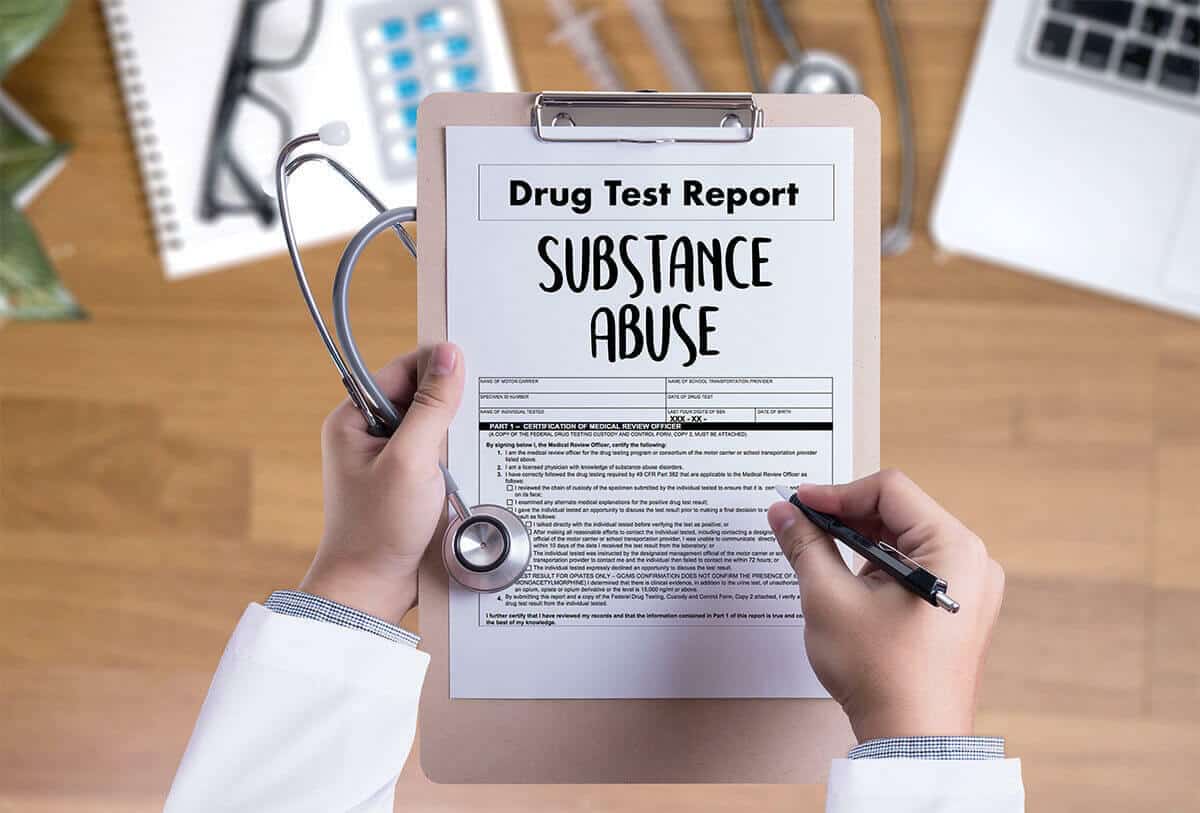
DOT SAP Evaluation: The Complete Guide to Fast, Affordable DOT SAP Compliance Nationwide | AACS Counseling

If you are a DOT-regulated safety-sensitive employee who has tested positive for drugs or alcohol, or refused a DOT test, you are legally required to complete a DOT SAP Evaluation before returning to work. This process is mandated under 49 CFR Part 40 and overseen by a DOT-qualified Substance Abuse Professional (SAP).

A DOT SAP Evaluation is not optional. It is the only legal pathway back to safety-sensitive employment after a DOT drug or alcohol violation.

At AACS Counseling, we specialize in providing the fastest, most affordable, and fully DOT-compliant DOT SAP Evaluations nationwide, delivered 100% virtually with multilingual services and flexible payment options. Thousands of drivers and safety-sensitive professionals trust us every year to help them return to duty quickly and correctly.

This comprehensive guide explains everything you need to know about the DOT SAP Evaluation, how it works, what DOT requires, and why AACS Counseling is the #1 choice for speed, affordability, and compliance.

What Is a DOT SAP Evaluation?

A DOT SAP Evaluation is a federally mandated clinical assessment required after a DOT drug or alcohol violation. The evaluation must be conducted by a DOT-qualified Substance Abuse Professional (SAP) listed under DOT regulations.

The Purpose of the Evaluation Is To:

  • Assess the circumstances of the DOT violation

  • Evaluate substance use history and risk

  • Determine education or treatment requirements

  • Ensure public safety

  • Establish a compliance pathway back to work

Without a completed DOT SAP Evaluation, you cannot legally return to any DOT safety-sensitive position.

Who Needs a DOT SAP Evaluation?

You are required to complete a DOT SAP Evaluation if any DOT agency regulates you and you have committed a violation, including:

  • Positive DOT drug test

  • Positive DOT alcohol test (0.04 or higher)

  • Refusal to test

  • Adulterated or substituted test

  • Failure to remain available for testing

DOT Agencies Covered Include:

  • FMCSA (CDL drivers, truck drivers)

  • FAA (pilots, aviation professionals)

  • FRA (railroad employees)

  • FTA (transit operators)

  • USCG (maritime employees)

  • PHMSA (pipeline workers)

DOT SAP Evaluation vs. Regular Substance Abuse Evaluation

A DOT SAP Evaluation is not the same as a general substance abuse assessment.

  • Federally mandated vs. often voluntary or court-ordered

  • Must follow 49 CFR Part 40 vs. not DOT-regulated

  • Conducted only by DOT-qualified SAPs vs. any licensed clinician

  • Required for return-to-duty vs. not sufficient for DOT compliance

Only a DOT-qualified SAP can conduct a valid DOT SAP Evaluation.

Why the DOT SAP Evaluation Is Critical

Failing to complete a DOT SAP Evaluation can result in:

  • Long-term unemployment

  • Inability to return to safety-sensitive work

  • FMCSA Clearinghouse blocks

  • Loss of income and career disruption

Completing the evaluation quickly and correctly is essential. This is why choosing an experienced SAP provider matters.

Step-by-Step: How the DOT SAP Evaluation Process Works

Step 1: Schedule Your DOT SAP Evaluation

At AACS Counseling, you can schedule your DOT SAP Evaluation the same day or the next day, completely online.

✔ No waiting lists
✔ Nationwide availability
✔ Secure telehealth platform

Step 2: Initial DOT SAP Evaluation

The initial evaluation includes:

  • Review of DOT violation

  • Substance use history

  • Risk and safety assessment

  • Behavioral patterns

  • Readiness for compliance

The SAP determines what education or treatment is required under DOT regulations.

Step 3: SAP-Mandated Education or Treatment

Based on DOT guidelines, the SAP may require:

  • DOT education program

  • Substance abuse counseling

  • Outpatient treatment

  • Combination of services

Important:
DOT SAPs do not automatically require rehab. Requirements are individualized and clinically justified.

Step 4: Follow-Up DOT SAP Evaluation

Once requirements are completed, you must attend a follow-up SAP evaluation to verify compliance.

Only after this step can the SAP authorize a return-to-duty test.

Step 5: DOT Return-to-Duty Test

Your employer arranges a directly observed DOT drug and/or alcohol test. A negative result allows you to return to work.

Step 6: Follow-Up Testing Plan

DOT regulations require a follow-up testing plan:

  • Unannounced tests

  • Up to 60 months

  • Separate from employer random testing

Virtual DOT SAP Evaluations: Fastest Option Nationwide

AACS Counseling provides 100% virtual DOT SAP Evaluations, making us one of the fastest providers in the United States.

Benefits of Virtual DOT SAP Evaluations

  • Immediate scheduling

  • No travel required

  • Confidential & HIPAA-compliant

  • Nationwide service

  • Faster documentation

Virtual evaluations are fully accepted under DOT regulations when conducted by a qualified SAP.

DOT SAP Evaluation

Why AACS Counseling Is the Fastest DOT SAP Evaluation Provider

We are trusted nationwide because we offer:

✔ Same-day appointments
✔ Rapid SAP documentation
✔ Clear DOT-compliant reports
✔ No unnecessary delays
✔ Experienced DOT SAP clinicians

Many clients begin the process within 24 hours.

The Cheapest DOT SAP Evaluation, Without Cutting Corners

AACS Counseling is committed to affordability while maintaining full DOT compliance.

Affordable Options Include:

  • Transparent pricing

  • No hidden fees

  • Afterpay (Pay-in-4)

  • In-house financing

Completing your DOT SAP Evaluation should not create financial hardship.

Multilingual DOT SAP Evaluation Services

We proudly offer DOT SAP Evaluations in multiple languages to ensure understanding and compliance.

Languages Available:
  • English

  • Spanish

  • Arabic

  • Armenian

  • French

  • Hindi

  • Tagalog

  • Togolese (Ewe/Mina)

Language barriers should never delay your return to work.

DOT SAP Evaluations for All Safety-Sensitive Professionals

We serve:

  • CDL drivers

  • Owner-operators

  • Trucking company employees

  • Pilots

  • Railroad workers

  • Transit operators

  • Maritime professionals

  • Pipeline workers

Whether employer-referred or self-referred, we can help.

Common Myths About DOT SAP Evaluations

Myth: I can switch employers to avoid SAP

❌ False. DOT violations follow you in the Clearinghouse.

Myth: Any counselor can perform a SAP evaluation

❌ False. Only DOT-qualified SAPs are authorized.

Myth: Rehab is always required

❌ False. SAP recommendations are individualized.

How Long Does a DOT SAP Evaluation Take?

  • Initial evaluation: 45–60 minutes

  • Follow-up evaluation: 30–45 minutes

  • Total timeline: Often weeks, not months, with AACS Counseling

Is a DOT SAP Evaluation Confidential?

Yes. All services are:

  • HIPAA-compliant

  • DOT-compliant

  • Shared only with authorized parties

Why Employers Trust AACS Counseling

Employers rely on us because we provide:

  • Accurate SAP documentation

  • Fast compliance verification

  • Professional oversight

  • Clear communication

Start Your DOT SAP Evaluation Today

If you have had a DOT violation, time matters.

👉 Schedule your DOT SAP Evaluation now
👉 Call: 800-683-7745
👉 Visit: https://www.aacscounseling.com/sap-evaluations/

Fast • Affordable • DOT-Compliant • Nationwide

Immigration Hardship Waiver Psychological Evaluations Online | AACS Counseling

Navigating the United States immigration system can be overwhelming, especially when your family’s stability depends on the approval of a Hardship Waiver. At AACS Counseling, we understand the emotional weight and urgency behind every immigration case. That’s why we provide high-quality, court-accepted, attorney-recommended Immigration Psychological Evaluations conducted 100% virtually, ensuring fast, professional, and culturally competent support for individuals and families nationwide.

Whether you are applying for an I-601 Waiver, I-601A Provisional Waiver, I-212 Waiver, VAWA, U-Visa, or Asylum, our licensed clinicians deliver detailed, USCIS-compliant evaluations that strengthen your immigration case. With multilingual services and flexible payment options such as Afterpay and in-house financing, AACS Counseling makes the process accessible to everyone, regardless of language, financial background, or location.

Why Immigration Psychological Evaluations Are Essential for Hardship Waivers

A psychological evaluation is often a crucial component in helping immigration attorneys demonstrate “extreme hardship,” a requirement for many waivers. USCIS wants to know exactly how a qualifying relative will suffer if their loved one is denied entry or deported.

AACS Counseling specializes in identifying and documenting:

  1. Emotional Hardship
    Our evaluations outline the emotional and psychological impact of separation, including:

    • Anxiety, depression, or trauma symptoms
    • Increased dependency on the qualifying relative
    • Mental health challenges that would worsen if separated
    • Psychological vulnerability and stability of spouses, parents, or children
  2. Financial Hardship
    We assess:

    • Loss of income
    • Increased cost of child care, medical care, or household support
    • Inability to work due to mental health impairment
  3. Medical Hardship
    We document:

    • Chronic illness requiring care
    • Mental health conditions requiring treatment
    • Disability and dependency needs
    • Lack of adequate medical care in a foreign country
  4. Educational Hardship
    Especially relevant when children are involved, such as:

    • Special education needs
    • Disruption of academic progress
    • Limited resources abroad
  5. Country Conditions Hardship
    Our clinicians integrate supporting evidence regarding:

    • Country instability
    • Violence or political unrest
    • Lack of mental health services
    • Poverty, discrimination, and limited opportunity

A psychological evaluation helps humanize your case, providing a clear narrative that connects emotional, medical, and environmental hardships to real, measurable consequences—something that attorneys, judges, and USCIS adjudicators rely on heavily.

AACS Counseling: Leading Provider of Virtual Immigration Hardship Evaluations

  • 100% Online – No Travel Required
    No matter where you live—urban, rural, international, or in transition—you can complete your psychological evaluation entirely online via secure telehealth.
  • Accepted Nationwide by USCIS, Attorneys & Courts
    Our immigration assessments are widely accepted for:

    • Waiver applications
    • Court proceedings
    • USCIS filings
    • Consular interviews
    • Humanitarian cases
  • Extensive Experience With Immigration Cases
    Our licensed clinicians specialize in immigration-related evaluations and know how to structure reports that meet USCIS expectations.
  • Multilingual Services — Languages We Offer:
    To better serve immigrant families, we provide evaluations in:

    • Arabic
    • Armenian
    • English
    • French
    • Hindi
    • Spanish
    • Tagalog
    • Togolese (Ewe/Mina)

This ensures clear communication, cultural accuracy, and greater comfort for clients who prefer to complete evaluations in their native language.

  • Affordable Pricing + Afterpay + In-House Financing
    Finances should not stand in the way of family unity. We offer:

    • Afterpay installments
    • In-house financing
    • Low upfront costs
    • Payment plans designed for every budget
  • Fast Appointments & Quick Turnaround
    Appointments are available 7 days a week, with reports typically completed in 3–5 business days. Rush report services are available for emergency filings.

Types of Immigration Psychological Evaluations AACS Counseling Provides

DOT SAP

Below is a detailed description of each assessment we offer, along with the specific ways we strengthen your immigration case:

  • I-601 Hardship Waiver Evaluation (Extreme Hardship Evaluation)
    The I-601 waiver requires proof that a qualifying relative (U.S. citizen or permanent resident) will experience extreme hardship if the applicant is removed or denied entry. AACS Counseling documents:

    • Emotional dependence
    • Mental health conditions
    • Financial loss and instability
    • Medical or caregiving needs
    • Cultural, linguistic, or safety concerns abroad
  • I-601A Provisional Waiver Evaluation
    This waiver is often required for spouses of U.S. citizens applying for legal status from abroad. Hardship is evaluated under two conditions:

    • Hardship if the applicant is not allowed to return
    • Hardship if the qualifying relative must relocate abroad

Our clinicians analyze both scenarios and provide a compelling narrative of emotional, medical, financial, and cultural hardship.

  • I-212 Waiver Evaluation (Re-entry After Removal)
    Individuals previously removed from the U.S. must prove they deserve a second chance. AACS Counseling provides assessments that highlight:

    • Evidence of rehabilitation
    • Family hardship
    • Psychological impact of separation
    • Emotional consequences of continued exclusion
  • VAWA Evaluations (Violence Against Women Act)
    VAWA allows survivors of domestic violence (women AND men) to apply for immigration relief. Our evaluations focus on:

    • Psychological impact of abuse
    • Trauma symptoms
    • Patterns of coercion and control
    • The emotional consequences of victimization
  • U-Visa Psychological Evaluations
    For victims of crimes who have experienced:

    • Assault
    • Sexual violence
    • Kidnapping
    • Domestic violence
    • Human trafficking
    • Threats or intimidation

Our evaluations document trauma symptoms and help demonstrate that the client suffered substantial mental harm as required by USCIS.

  • Asylum Psychological Evaluations
    Asylum cases often require detailed documentation of:

    • Persecution
    • War trauma
    • Torture
    • Religious or political discrimination
    • Human rights violations

AACS Counseling prepares asylum evaluations that help establish:

    • Credible fear
    • Long-term psychological effects
    • Inability to return safely to one’s home country

We integrate country condition analysis and trauma profiling.

What the Immigration Psychological Evaluation Includes?

Our reports are comprehensive and attorney-preferred, typically containing:

✔ Clinical interview
✔ Biopsychosocial assessment
✔ Psychological testing (validated tools)
✔ Trauma and hardship analysis
✔ Symptom screening
✔ Functional impairment assessment
✔ USCIS-compliant diagnostic explanation
✔ Narrative hardship section
✔ Expert clinical summary
✔ Signature of a licensed clinician

Every report is tailored to your unique situation and supported with evidence-based clinical documentation.

Why Virtual Psychological Evaluations Are the Future of Immigration Support?

Telehealth evaluations offer numerous advantages:

  1. Convenience
    You can attend your evaluation from home, work, or anywhere with an internet connection.
  2. Confidentiality
    Private, secure, and comfortable—ideal for trauma survivors.
  3. Faster Access
    No need to wait months for an in-person psychologist.
  4. Serves Clients Across All 50 States & Abroad
    Perfect for families separated by borders.
  5. Multilingual capability
    Ensures accurate understanding, cultural insight, and emotional comfort.

How AACS Counseling Supports Attorneys and Their Clients?

Immigration lawyers prefer working with AACS Counseling because we:

  • Communicate efficiently
  • Provide USCIS-standard evaluations
  • Understand legal requirements
  • Offer rush options
  • Deliver high-quality reports that strengthen cases

Attorneys regularly report significant improvement in hardship waiver approvals when psychological evaluations are included.

Who Benefits From an Immigration Psychological Evaluation?

Our evaluations support:

  • Spouses of U.S. citizens
  • Parents of U.S. citizens or permanent residents
  • Children facing separation
  • Individuals applying for VAWA, U-Visa, or asylum
  • Immigrants with a previous removal order
  • Families experiencing emotional, financial, or medical hardship
  • Individuals with trauma histories
  • Anyone whose attorney recommends evaluation

If you are unsure whether you need an evaluation, your attorney or our staff can guide you.

Affordable Immigration Evaluations — Payment Options for Everyone

At AACS Counseling, we believe no one should be denied immigration support because of financial limitations. We offer:

✔ Afterpay (pay later in four installments)
✔ In-house financing
✔ Low-cost appointments
✔ Payment plans with flexible terms
✔ Discounts for multiple family members

This makes our services accessible to families from all economic backgrounds.

How to Schedule Your Virtual Immigration Evaluation?

Booking your appointment takes just minutes:

  1. https://www.aacscounseling.com/immigration-hardship-waiver-evaluations
  2. Select Immigration Evaluations
  3. Choose your appointment time
  4. Complete the secure intake questionnaire
  5. Meet with your clinician online
  6. Receive your official hardship evaluation

Most people complete their evaluation within 48 hours, and reports are typically ready in 3–5 days.


VIRTUAL IOP PROGRAM – NATIONWIDE | AACS COUNSELING

Recover From Home Without Missing Work

AACS Counseling offers a fully Virtual Intensive Outpatient Program (IOP) designed specifically for working adults, busy parents, and individuals who need flexible, private, affordable treatment without putting life on hold.

Our nationwide Online IOP provides evidence-based therapy, group support, and individual sessions — all from the comfort of home. Stay employed, stay connected, and get the level of care you need.

Why Choose AACS Counseling’s Virtual IOP?

  •  Accepting Clients Nationwide
  • No matter where you live, our licensed clinicians can support you.
  •  Affordable & Flexible Payment Options

We offer:

  • Low-cost monthly plans
  • Interest-free financing
  • Sliding-scale affordability
  • Flexible payment schedules

No one is turned away for financial reasons.

Designed for Working Adults

Mental health professional conducting a clinical interview to diagnose psychiatric conditions and assess patient care needs

Our IOP includes evening and weekend options so you can:

  • Maintain employment
  • Care for your family
  • Recover on your schedule
  • Access treatment privately from home

 100% Virtual, HIPAA-Compliant, Confidential

  • Attend all sessions using your phone, laptop, or tablet.
  •  Evidence-Based Treatment

Our Virtual IOP uses:

  • CBT (Cognitive Behavioral Therapy)
  • DBT (Dialectical Behavior Therapy)
  • Relapse Prevention
  • Trauma-Informed Care
  • Dual Diagnosis Support

 Private, Supportive, Personalized

Get the support you need — without the shame or barriers of in-person programs.

  •  Flexible Virtual IOP Schedule
Our nationwide online IOP offers multiple weekly schedules:
  • Morning IOP
  • Afternoon IOP
  • Evening IOP
  • Weekend Programs

Choose what fits your life — recovery shouldn’t cost you your job.

 What’s Included in Our Online IOP?

  • 9–12 hours of therapy per week
  • Weekly individual counseling
  • Certified addiction counselors
  • Skill-building & relapse prevention
  • Mental health and substance use support
  • Personalized treatment planning
  • Progress tracking and documentation
  • Completion letters for work, court, or personal needs

Who Is Our Virtual IOP For?

Our Virtual Intensive Outpatient Program helps individuals struggling with:

  • Substance use (alcohol, drugs, misuse)
  • Anxiety
  • Depression
  • Trauma symptoms
  • Relapse concerns
  • Co-occurring disorders

Perfect for those who need structure without residential treatment.

Start Recovery Today — Easy, Fast Enrollment

  •  No waiting lists
  •  Immediate intake
  •  Same-week placement available
  •  Works with your schedule
  •  Nationwide access

Call now or request an appointment to begin your Virtual IOP with AACS Counseling.

 800-683-7745
 info@aacscounseling.com

Virtual Court-Ordered Mental Health Assessments by AACS Counseling: Fast, Affordable & Accepted Nationwide

When the court requires a mental health assessment, the process can feel overwhelming, stressful, and time-sensitive. At AACS Counseling, we make it simple. We specialize in virtual mental health assessments for court, providing fast, reliable, and professionally documented evaluations, all from the comfort of your home.

Whether your attorney, probation officer, CPS caseworker, employer, or a judge has requested an evaluation, our licensed clinicians are here to support you every step of the way.

Why Choose AACS Counseling for Court-Ordered Mental Health Assessments?

AACS Counseling is recognized nationwide for our expertise in court-related behavioral health evaluations.

Our assessments are widely accepted and trusted in:

  • Family Court
  • Juvenile Court
  • Superior / State Court
  • Criminal Court
  • Probation and Parole
  • CPS/DFCS agencies
  • Employment, security clearance, and fitness-for-duty cases

Because our evaluations are conducted 100% online, clients can complete required assessments quickly, privately, and without the stress of in-person appointments.

Intensive Outpatient Treatment| mental health services administration| behavioral healthcare| addiction medicine

Types of Court-Related Mental Health Assessments We Provide

AACS Counseling offers a full range of specialized evaluations, including:

1. Child Custody Evaluations

For parents navigating custody disputes, we provide comprehensive assessments that evaluate:

  • Parent-child relationship dynamics
  • Communication and co-parenting capacity
  • Household stability and safety
  • Emotional and psychological functioning

Courts and attorneys often rely on our reports to support custody decisions and parenting plans.

2. Parental Fitness Evaluations

The court or DFCS may request a parental fitness evaluation when concerns arise regarding:

  • Parenting decision-making
  • Mental health stability
  • Substance use
  • Anger management or domestic conflict
  • Safety and supervision

Our clinicians use validated tools to assess a parent’s emotional readiness and overall capacity to ensure a safe, stable home for a child.

3. Mental Health Assessments for Criminal, Civil, or Probation Cases

We provide online evaluations for:

  • Domestic violence cases
  • TPO violations
  • Anger management cases
  • Substance-related offenses
  • Diversion programs
  • Pre-sentencing or pre-trial requirements
  • Return-to-work or employment fitness

AACS Counseling offers clear, objective, clinically sound reports tailored to each court’s requirements.

Why Our Virtual Mental Health Assessments Rank Among the Best

 Fast Scheduling – Appointments Available Daily

No long waiting lists. Most clients book and complete their evaluation within 24–48 hours.

 Nationwide Acceptance

Our reports are accepted by legal systems, attorneys, judges, probation officers, and government agencies across the U.S.

 Licensed & Experienced Clinicians

Fully credentialed mental health professionals perform all assessments in accordance with evidence-based standards.

 Comprehensive, Court-Ready Reports

Every evaluation includes mental status examination, diagnostic impressions, screening tools, and detailed clinical narratives.

 100% Virtual – Private & Convenient

You can meet with your evaluator from home, at work, or anywhere with an internet connection.

Affordable Mental Health Assessments — Financing Available

We believe everyone deserves access to high-quality evaluations. That’s why we offer:

  • Afterpay
  • In-house financing
  • Payment plans
  • Low-cost, flat-rate assessments

You can get the evaluation you need without financial pressure.

How to Schedule Your Online Mental Health Assessment

Scheduling is fast and straightforward:

  1. Visit https://www.aacscounseling.com/mental-health-assessment
  2. Choose Court Evaluationsor Mental Health Assessment
  3. Select a virtual appointment time
  4. Complete your intake paperwork
  5. Attend your online session and receive your court-ready report

Most clients receive documentation within 3–5 business days, with rush options available.

AACS Counseling: Trusted Nationwide for Court-Ordered Mental Health Assessments

Whether you’re preparing for a custody case, facing a court deadline, or trying to comply with probation requirements, AACS Counseling provides the reliable, accurate mental health evaluation you need—quickly, professionally, and affordably.

For attorneys, judges, and caseworkers, our reports offer clarity, objectivity, and clinical validity to support informed decision-making.

Ready to Get Started?

Call: 800-683-7745
Schedule Online: www.aacscounseling.com
Same-day and next-day appointments available


Child Custody Evaluation Guide: Process, Costs & Preparation

Navigating a child custody dispute is one of the most stressful experiences a parent can face. When parents cannot agree on a parenting plan, the court often steps in to order a Child Custody Evaluation (sometimes called a “Best Interest Assessment” or a “730 Evaluation” in some states).

This forensic process is designed to provide the judge with a clear, objective look at the family dynamics to ensure the child’s safety and well-being. Below is a comprehensive guide to help you understand the process, the costs, and how to prepare.

What is a Child Custody Evaluation?

A child custody evaluation is a formal legal and psychological assessment conducted by a neutral third party. Unlike therapy, which is clinical and focuses on healing, a custody evaluation is forensic. This means the evaluator’s goal is not to treat the family, but to gather evidence and provide recommendations to the court regarding legal custody (decision-making) and physical custody (where the child lives).

The “North Star” of every evaluation is the Best Interest of the Child Standard, which prioritizes the child’s physical safety, emotional health, and developmental needs over the parents’ preferences.

What Happens in a Custody Evaluation?

The process is thorough and multi-faceted. It typically includes:

  •   Individual Interviews: The evaluator will meet with each parent separately to discuss their history, parenting philosophy, and concerns.
  •     Observations: The evaluator will watch how you interact with your child. This may happen in an office setting or during a home visit.
  •   Collateral Interviews: The evaluator will speak with “collateral sources” like teachers, pediatricians, therapists, and extended family members to get a 360-degree view of the child’s life.
  •  Psychological Testing: In many cases, parents undergo standardized tests (such as the MMPI-3) to assess personality traits and mental fitness.
  •   Document Review: The evaluator reviews school records, medical files, and any relevant police or Child Protective Services reports.

Who is the Custody Evaluator?

A custody evaluator is a licensed mental health professional with specialized training in forensic assessment. They are usually:

  •       Licensed Clinical Psychologists (Ph.D. or Psy.D.)
  •       Licensed Clinical Social Workers (LCSW)
  •       Licensed Marriage and Family Therapists (LMFT)

The American Psychological Association (APA) provides strict ethical guidelines for these professionals, ensuring they remain impartial and focus strictly on the child’s welfare.

How Can I Prepare for the Evaluation?

Preparation is about organization and mindset, not “rehearsing” answers.

  1. Focus on the Child: When speaking to the evaluator, emphasize your child’s needs and routines rather than the other parent’s flaws.
  2. Be Honest: Evaluators are trained to spot “impression management” (trying to look perfect). Acknowledging areas where you can improve shows self-awareness.
  3. Organize Documents: Have medical records, school report cards, and a calendar of your parenting time ready to show.
  4. Use Collaborative Language: Use “our child” instead of “my child” to demonstrate a willingness to co-parent.

Will the Children Be Interviewed?

Yes, in almost all cases. Evaluators use age-appropriate methods to gather information from children:

  1. Young Children: The evaluator may use play, drawing, or storytelling to observe the child’s attachment and emotional state.
  2. Older Children/Teens: They may be asked directly about their daily life and relationship with each parent.

While an older child’s preference is often considered, it is rarely the only deciding factor. The evaluator also checks for signs of “parental alienation” or coaching.

When are Custody Evaluations Performed?

Courts generally order evaluations in high-conflict cases, including:

  •       Allegations of substance abuse, domestic violence, or neglect.
  •       Cases where one parent wants to relocate out of state (move-away cases).
  •       Serious disputes over a child’s medical or educational needs.
  •       When parents are at an impasse and mediation has failed.

The Child Custody Evaluation Process: A Timeline

A standard evaluation takes anywhere from 3 to 6 months.

  •       Phase 1: Intake. Initial paperwork and retainers.
  •       Phase 2: Investigation. Interviews, home visits, and testing.
  •       Phase 3: Synthesis. The evaluator reviews all data and drafts the report.
  •       Phase 4: Disclosure. The report is released to the attorneys and the court.

The Custody Evaluation Report

The final product is a detailed written report. It includes a summary of all findings and, most importantly, clinical recommendations for legal and physical custody.

While a judge is not legally required to follow the evaluator’s recommendations, they carry immense weight. According to the Association of Family and Conciliation Courts (AFCC), these reports serve as the foundation for the court’s final order in a majority of contested cases.

How AACS Counseling Can Help

If you are navigating a custody evaluation and find that the process has highlighted areas of concern—such as co-parenting conflict, stress management, or substance use—taking proactive steps is vital.

At AACS Counseling, we offer professional counseling and parenting education services designed to help you become the best version of yourself for your children. Whether you need to address issues raised in an evaluation or simply want to improve your co-parenting skills, our team is here to support your family’s journey toward stability.

Contact us today to learn more about how our services can support you during this transition.

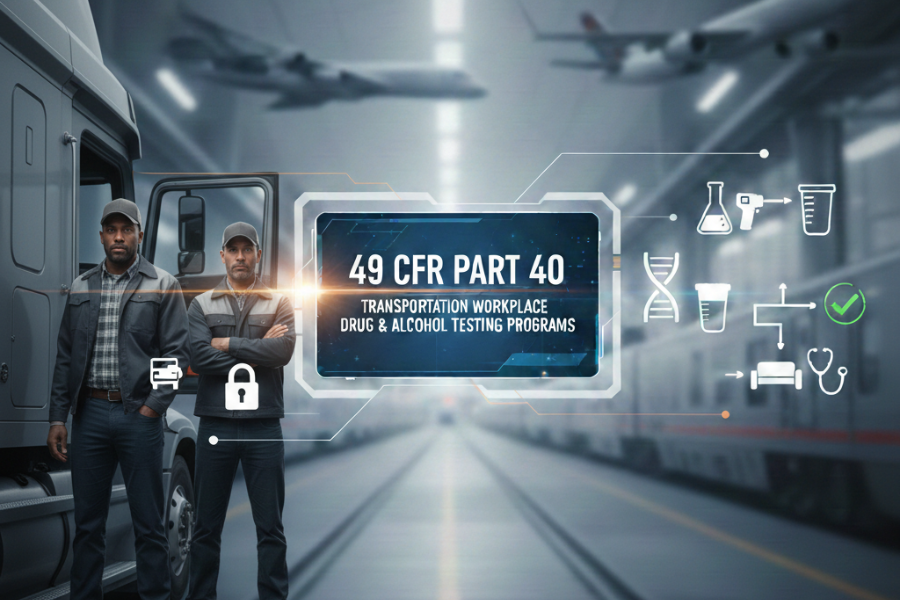
49 CFR Part 40

49 CFR Part 40 – Procedures for Transportation Workplace Drug and Alcohol Testing Programs

Subpart A - Administrative Provisions

This regulation acts as the “gold standard” for transportation safety. It covers every person and entity involved in the DOT drug and alcohol testing process. This includes all DOT-regulated employers, safety-sensitive employees (such as truck drivers, pilots, and mariners), and service agents—including collectors, Medical Review Officers (MROs), Substance Abuse Professionals (SAPs), and laboratories.

This section establishes a uniform language for the industry. It defines critical roles like the Designated Employer Representative (DER), who is the only individual authorized to take immediate action to remove employees from safety-sensitive duties, and technical terms such as “Adulterated Specimen,” which refers to a specimen containing a substance not normally found in human urine.

Official clarifications emphasize that an “employee” is anyone currently performing, or applying to perform (applicants), a safety-sensitive function. It also clarifies that Service Agents are not considered “employers” and cannot sign off on program decisions as a DER.

To prevent conflicting advice, only the DOT Office of the General Counsel (OGC) and the Office of Drug and Alcohol Policy and Compliance (ODAPC) have the power to issue binding, official interpretations. Guidance from other sources is considered “information” but not legally binding.

Exemptions are granted only in extreme circumstances. An applicant must submit a written request to the Secretary of Transportation proving that complying with the current rule is impossible and that their proposed alternative provides a level of safety equal to or greater than the original regulation.

If a private restroom isn’t available, a same-gender monitor stands outside the stall but inside the restroom to listen for sounds that suggest the employee is using a hidden device or pouring water.

Accordion Content

Subpart B - Employer Responsibilities

Employers hold the ultimate legal “buck.” They are responsible for every aspect of the program. Even if an employer hires a third party (C/TPA) to manage their testing, the employer is the one held liable by the DOT if a collector makes a mistake or if a test is missed.

DOT tests must be entirely isolated from “company” (non-DOT) tests. You cannot use a single specimen for both, and you cannot use a Federal CCF for a non-Federal test. This prevents the “mixing” of legal authorities and protects the integrity of the federal program.

For every test, the employer must provide the collector with the employee’s full name or SSN/ID, the specific authority (e.g., FMCSA), the reason for the test (Random, Post-Accident, etc.), and the DER’s contact information.

Yes, employers frequently use Consortia/Third-Party Administrators (C/TPAs). However, the employer cannot delegate the role of the DER; there must be a person within the company who can receive results and pull drivers off the road.

Clarifies that while a service agent can coordinate the random pool, the employer remains responsible for ensuring the employees actually go to the collection site when selected.

Yes. An employer must actively ensure their service agents are qualified. If a collector hasn’t been trained correctly, the employer—not just the collector—can be cited for a violation during an audit.

This is generally prohibited and called “Stand-Down.” Employers cannot remove an employee from safety-sensitive duties based on a laboratory “confirmed positive” alone. They must wait for the MRO to talk to the employee and verify the result, unless the DOT has granted that specific employer a formal waiver.

If an employee admits to drug use before verification, the employer can remove them, but they cannot do so based on a “rumor” or a preliminary lab report.

If the result is a verified positive or a refusal, the employer must immediately remove the employee from safety-sensitive duties. No “one last trip” is allowed. They must also provide a list of SAPs with contact info and locations.

Yes. Before an employee starts safety-sensitive work, the employer must (with written consent) obtain the drug and alcohol testing history from all previous DOT employers for the past two years.

If a previous employer is out of business or refuses to answer, the new employer must document every attempt they made to get those records to prove “good faith” effort.

Employers must use the standardized MIS Data Collection Form (Appendix H) to report their annual testing statistics when required by their specific DOT agency.

No. While employees sign the CCF to authorize the test itself, an employer cannot force them to sign a legal waiver that releases the employer from liability for negligence or malpractice.

Subpart C - Specimen Collection Personnel

Only individuals who have completed the specific “qualification training” and “proficiency demonstration” required by Part 40. Even a licensed doctor or nurse cannot collect unless they have specifically trained in DOT procedures.

Collectors must complete three phases: 1) Basic information/rules, 2) Qualification training, and 3) Five error-free mock collections monitored by a qualified trainer. This must be repeated every five years.

Clarifies that mock collections must include specific “problem” scenarios (like a “shy bladder” or an out-of-temperature specimen) to ensure the collector knows how to handle trouble.

The training mirrors urine collection but focuses on the specific oral fluid device used. Collectors must perform five mock collections and prove they can correctly use the volume indicator and seal the vials.

The collector must have the DER’s name and phone number. This is vital because if an employee walks out (refusal) or cannot provide a specimen, the collector needs to reach the DER immediately to report the situation.

Subpart D - Collection Sites, Forms, Equipment, and Supplies

The Federal Drug Testing Custody and Control Form (CCF). It is a five-part form (or electronic equivalent) that tracks the specimen from the donor’s hands to the laboratory’s analysis.

The DOT confirms that Electronic CCFs (eCCFs) are acceptable as long as the laboratory’s system is HHS-certified and the donor can sign electronically.

No. This is a strict “cross-contamination” rule. Using the wrong form is a violation and requires a formal “memorandum for record” to correct if it happens by mistake.

At a site that provides a “private enclosure” (usually a bathroom stall). It must have a source of water for handwashing outside the stall to prevent the donor from diluting the specimen with tap water.

Collectors must:
1) Secure the site from unauthorized people,
2) Use blue dye in the toilet,
3) Turn off water inlets.
4) Inspect the area for “cheating” materials before and after the collection.

A single-use, wrapped collection cup and two specimen bottles (Bottle A: 30mL, Bottle B: 15mL) that are leak-resistant and tamper-evident.

Shipping containers (courier bags) that are sealed with a shipping label and contain the lab’s copy of the CCF.

Anywhere that ensures privacy. Unlike urine, oral fluid does not require a bathroom, but it does require a site that prevents unauthorized people from seeing the collection.

An HHS-approved device consisting of a collection wand and a tube containing a stabilizing buffer/preservative fluid.

Similar to urine, it requires a primary and secondary leak-resistant container and a secure shipping mailer.

Subpart E - Specimen Collections


    1. 1. Verify ID.


    1. 2. Ask the employee to leave bags and coats outside.


    3.  Ask the employee to empty their pockets and display the items to ensure no tampering devices (like “Clean Stream” kits) are present.

The collector must have the employee wash their hands and then provide them with the collection container. The collector stays outside the stall while the employee provides the sample.

The collector must immediately:
1) Check for at least 45 mL of volume.
2) Check the temperature within 4 minutes (must be 90–100°F).
3) Inspect for unusual color, odor, or floating objects.
Direct observation is mandatory if:
1) The specimen is out of temperature.
2) The specimen looks tampered with.
3) The MRO orders it.
4) It is a Return-to-Duty or Follow-up test. The observer (same gender) must watch the urine flow from the body into the cup.

If a private restroom isn’t available, a same-gender monitor stands outside the stall but inside the restroom to listen for sounds that suggest the employee is using a hidden device or pouring water.

The specimen is poured into Bottle A and Bottle B. The collector applies the tamper-evident seals and has the employee initial the seals. This must all happen in full view of the employee.

The collector must check the employee’s mouth for “foreign objects” (gum, food, candy). If found, the objects are removed and the collector waits 10 minutes to ensure the oral environment is clear for a valid sample.

The collector (or employee) swabs the cheek and gum area until the device’s volume indicator turns color, showing a sufficient amount of saliva has been absorbed.

The employee signs the CCF certifying the specimen is theirs. The collector then gives the employee their copy and prepares the package for the courier. If an employee refuses to sign the final certification, it is not a refusal, but the collector must document the incident.

Subpart F - Drug Testing Laboratories

Only laboratories that have been inspected and certified by the Department of Health and Human Services (HHS). A list of these labs is published monthly.

The “DOT 5” panel:
1) Marijuana (THC),
2) Cocaine,
3) Amphetamines (including Meth and MDMA),
4) Opioids (Heroin, Codeine, Morphine, Oxycodone, etc.)
5) PCP

The lab first checks the seals. If a seal is broken, they reject the specimen. If intact, they perform a primary screen. If the screen is “non-negative,” they perform a second, highly accurate test (GC/MS or LC/MS) to confirm the specific drug.

Cutoffs are the “thresholds” for a positive result.
Drug AnalyteUrine Initial CutoffOral Fluid Initial Cutoff
Marijuana (THC)50 ng/mL4 ng/mL
Cocaine150 ng/mL15 ng/mL

Yes. Laboratories must test specimens to ensure they are human and have not been tampered with. For urine, they check pH and creatinine. For oral fluid, they check for specific proteins like Albumin or IgG to prove it is saliva.

Dilute: Low creatinine and low specific gravity (often caused by drinking massive amounts of water).
Substituted: The creatinine and specific gravity are so low (or high) that the specimen is “physiologically impossible” for a human to produce.

The lab reports the final result (Positive, Negative, Dilute, Adulterated) directly to the MRO. They do not call the employer with the results.

They must be “at arm’s length.” To prevent bias, an MRO cannot work for the lab that processes the tests they verify, nor can they have a financial stake in that lab.

Every January and July, labs must send a report to the employer and the DOT summarizing the total number of tests and the number of positives/negatives. This report contains no names—only data.

How the DOT SAP Program Ensures a Safe Return to Duty

Every time we board a plane, drive on the highway next to an 18-wheeler, or take a train to work, we place our trust in the professionals operating those vehicles. Public safety is the cornerstone of the transportation industry. But what happens when one of those safety-sensitive employees fails a drug or alcohol test? Does one mistake mean the end of a career?

The Department of Transportation (DOT) recognizes that while safety is non-negotiable, rehabilitation is possible. This is where the DOT SAP Program comes in. Far from being just a bureaucratic hurdle, the Substance Abuse Professional (SAP) program is a meticulously designed framework that balances the need for strict public safety with the opportunity for an employee to get help.

In 2026, as regulations continue to evolve to meet modern challenges, understanding how this program ensures a safe return to duty is essential for employers and employees alike.

The Dual Purpose: Safety and Support

The DOT SAP Program operates with a dual purpose that is often misunderstood.

First and foremost, it exists to protect the traveling public. A safety-sensitive employee under the influence is a risk that simply cannot be taken. Immediate removal from duty is the first step in neutralizing that risk.

However, the second purpose is equally vital: providing a structured path for the employee to address substance abuse issues. The program isn’t about punishment; it’s about assessment, education, and safe reintegration. By guiding employees through a regulated process, the program ensures that only those who have truly addressed their issues are allowed back behind the wheel or controls.

The SAP Evaluation: The First Line of Defense

The process begins with the SAP evaluation. This is not a rubber-stamp meeting. It is a comprehensive clinical assessment conducted by a qualified Substance Abuse Professional. These professionals are the “gatekeepers” of the return-to-duty process.

Assessing the Root Cause

During the initial evaluation, the SAP does more than just look at a failed test result. They conduct a face-to-face (or DOT-approved virtual) interview to understand the employee’s history with substance use.

  • Is this an isolated incident?
  • Is there a deeper dependency issue?
  • What external factors contributed to the violation?

By digging into these questions, the SAP can determine the severity of the problem. This ensures that an employee with a serious addiction isn’t just given a slap on the wrist and sent back to work, which would be a danger to themselves and others.

Prescribing the Right Solution

Based on this assessment, the SAP prescribes a specific plan for education and/or treatment. This customization is key to safety. A one-size-fits-all approach wouldn’t work because every individual’s situation is different. By tailoring the intervention, the SAP increases the likelihood of successful rehabilitation.

Education and Treatment: Building a Foundation for Safety

Once the plan is set, the employee must complete the recommended education or treatment. This phase is where the real work happens.

For some, this might mean attending educational courses on the effects of drug and alcohol abuse. For others, it might involve inpatient treatment or regular attendance at self-help groups.

This step ensures that the employee isn’t just “sober for a day” to pass a test. Instead, they are equipped with the knowledge and tools to manage their substance use long-term. This educational foundation significantly reduces the risk of recidivism (repeat offenses), thereby enhancing long-term public safety.

The Follow-Up Evaluation: Verifying Change

Completion of the treatment plan doesn’t automatically grant a return to work. The employee must undergo a follow-up SAP evaluation.

In this critical meeting, the SAP acts as an auditor. They review the employee’s participation in the prescribed program. Did they just show up, or did they actively engage? Have they demonstrated a change in attitude and behavior?

If the SAP is not satisfied that the employee has made progress, they will not sign off on the return-to-duty process. This strict verification step prevents individuals from “gaming the system” and ensures that only those who are truly ready can move forward.

Return-to-Duty and Follow-Up Testing: The Ongoing Safety Net

Perhaps the most robust safety mechanism in the entire program is the testing regimen that follows the SAP’s approval.

The Return-to-Duty Test

Before touching safety-sensitive equipment again, the employee must pass a Return-to-Duty drug and/or alcohol test. Unlike random screenings, this test is directly observed to prevent any tampering. A negative result is the only acceptable outcome.

Unannounced Follow-Up Testing

DOT compliance doesn’t end on the first day back at work. To ensure the employee maintains their sobriety, the SAP establishes a schedule of follow-up tests.

  • Frequency: At least 6 tests in the first 12 months.
  • Duration: Testing can continue for up to 5 years.
  • Nature: All tests are unannounced and directly observed.

This ongoing monitoring acts as a powerful deterrent against relapse. It provides employers with the assurance that the employee is remaining compliant over the long term, not just for a single moment in time.

Compliance with Federal Regulations

The entire SAP process is governed by 49 CFR Part 40 regulations. These federal rules ensure consistency and rigor across the entire transportation industry. Whether you are in trucking, aviation, rail, or transit, the standards remain high.

By adhering to these strict federal guidelines, the DOT SAP Program removes subjectivity from the equation. It doesn’t matter who the employer is or how much they need a driver; the safety steps cannot be skipped. This regulatory framework is what keeps our roads and skies safe.

Conclusion

The DOT SAP Program is more than a checklist; it is a comprehensive safety net. By combining clinical assessment, targeted treatment, and rigorous testing, it ensures that a return to duty is not just a possibility, but a safe reality.

For employees, completing the program is a testament to their commitment to their career and public safety. It turns a professional mistake into a milestone of recovery.

If you or an employee are facing a DOT violation, don’t view it as the end. View it as an opportunity to rebuild stronger and safer. Take the first step toward compliance today by finding a qualified SAP and starting the journey back to your career.

The Evolution of Child Custody: Why Your 2026 Assessment Should Be a “Parenting Plan Evaluation”

In 2026, family courts across the United States have moved away from the “winner-takes-all” mentality of traditional custody battles. Today, judges are looking for a Child Custody Assessment that prioritizes co-parenting harmony and developmental stability. Whether you are in a high-conflict situation or a relocation dispute, the quality of your clinical evaluation is the most influential factor in your case.

At AACS Counseling, we provide nationwide, board-certified evaluations that translate complex family dynamics into clear, court-ready parenting plans.

The Shift: From “Custody” to “Parenting Plans”

Modern forensic psychology has replaced the term “Child Custody Evaluation” with “Parenting Plan Evaluation.” This isn’t just a name change; it represents a shift in how courts view your family:

  • Traditional Model: Focused on who “wins” the child (Adversarial).

  • 2026 Model: Focused on how parents share responsibilities and time (Collaborative).

Can a Virtual Assessment Work for All 50 States?

A common concern for parents is whether a virtual evaluation will “hold up” in their specific state court. The answer lies in the UCCJEA (Uniform Child Custody Jurisdiction and Enforcement Act). Because all 50 states have adopted this act, a standardized forensic evaluation from a national expert is widely accepted as long as it follows APA and AFCC guidelines.

  • Remote Home Observations: Using high-definition, secure video, we can observe parent-child interactions in the child’s natural environment without the intrusive presence of a stranger in the home.

  • Interstate Coordination: If one parent lives in Georgia and the other is in California, our nationwide platform allows both parties to be evaluated by the same expert, ensuring zero bias.

People Also Asked: 2026 Custody FAQs

  • “Does working from home give me an advantage in custody?” Recent 2025-2026 rulings have clarified that “Remote Work” is not a primary factor for custody. Courts focus on the quality of the parent-child bond, not just physical presence.

  • “How does the evaluator determine the ‘Best Interests of the Child’?” We look at a “360-degree view,” including school records, medical history, and interviews with “collateral contacts” (teachers, coaches, or doctors) nationwide.

  • “What happens if there are allegations of domestic violence?” Our assessments are Trauma-Informed. We provide specialized screenings and safety-first recommendations that prioritize the physical and emotional security of the child.

Components of Our Nationwide Evaluation

  1. Standardized Psychological Testing: Assessing the emotional health of both parents.

  2. Child Developmental Review: Ensuring the proposed schedule fits the child’s age and needs.

  3. Co-Parenting Capacity Analysis: Measuring the ability of parents to communicate and support the child’s relationship with the other parent.

  4. UCCJEA-Compliant Reporting: A final document that is formatted specifically for your state’s judicial requirements.

Secure Your Family’s Future with a National Leader

A child custody assessment is more than a legal hurdle; it is the blueprint for your child’s future. Don’t rely on a generalist. Choose a nationwide provider that understands the forensic standards of 2026.

Start Your Nationwide Child Custody Assessment Now, Call AACS Counseling at 800-683-7745

How to Start the DOT SAP Program Today

Starting the DOT SAP Program can feel confusing, stressful, and time-sensitive especially when your ability to work depends on completing it correctly. Many drivers and safety-sensitive employees lose valuable time simply because they do not understand where to begin or whom to trust. The good news is that the DOT SAP Program follows a clear, structured process when handled properly.

This guide explains exactly how to start the DOT SAP Program today, what steps to follow, what mistakes to avoid, and how working with certified SAPs can help you return to duty without unnecessary delays.

Step 1: Confirm You Need the DOT SAP Program

Before starting anything, the first step is confirming that your situation legally requires participation in the DOT SAP Program. This program is mandatory only for DOT-regulated employees who have committed specific drug or alcohol testing violations. Starting the process without confirmation can lead to confusion and wasted effort.

Understanding whether your violation qualifies under DOT regulations ensures that you take the correct next steps immediately and avoid relying on incorrect advice.

You are required to start the DOT SAP Program if you have:

  • Failed a DOT drug test
  • Failed a DOT alcohol test
  • Refused to submit to a DOT test
  • Been removed from safety-sensitive duties under DOT rules

A violation covered by 49 CFR Part 40

Step 2: Choose a Certified DOT SAP (This Is the Most Important Step)

Choosing a certified DOT SAP is the most critical decision in the entire DOT SAP Program. Only SAPs who meet DOT qualification requirements are legally authorized to conduct evaluations and issue return-to-duty recommendations. Using a non-certified provider can invalidate your entire process.

Certified SAPs ensure that your evaluation, documentation, and recommendations are accepted by employers and meet all DOT compliance standards.

Why choosing a certified SAP matters:

  • Ensures DOT compliance
  • Prevents having to restart the process
  • Protects your return-to-duty eligibility
  • Provides legally valid documentation
  • Reduces unnecessary delays

Step 3: Schedule Your Initial SAP Evaluation

Once you select a certified SAP, the next step is scheduling your initial SAP evaluation. This evaluation determines what education or treatment, if any, is required before you can return to safety-sensitive work. Acting quickly at this stage helps move the DOT SAP Program forward without delays.

The evaluation is professional and confidential, designed to assess your situation rather than judge or punish you.

What to expect during the initial SAP evaluation:

  • Review of your DOT violation
  • Confidential discussion of history and circumstances
  • Determination of required education or treatment
  • Clear explanation of next steps in the DOT SAP Program

Step 4: Complete the Required Education or Treatment

After the initial evaluation, the SAP will recommend specific education or treatment based on DOT guidelines and your individual case. This step is mandatory and must be completed exactly as instructed. Skipping or modifying this step can stop your progress entirely.

It is important to note that SAPs cannot provide treatment themselves, ensuring unbiased and compliant recommendations.

Education or treatment requirements may include:

  • Drug or alcohol education programs
  • Outpatient counseling
  • Treatment programs (if necessary)
  • Verified proof of completion

Step 5: Attend the Follow-Up SAP Evaluation

Once you complete the assigned education or treatment, you must attend a follow-up evaluation with the same SAP. This step confirms that you complied with all recommendations and are ready to move forward in the DOT SAP Program.

Without this approval, you cannot legally proceed to the return-to-duty stage.

The follow-up SAP evaluation includes:

  • Review of completion documentation
  • Assessment of compliance
  • Written SAP report
  • Authorization to proceed to testing

Step 6: Complete the DOT Return-to-Duty Test

After receiving SAP approval, the next step is completing a DOT return-to-duty test. This test must be conducted under DOT regulations and coordinated with your employer. A negative test result is required before returning to safety-sensitive duties.

This step officially completes the core requirements of the DOT SAP Program.

Return-to-duty testing requirements include:
  • DOT-regulated drug or alcohol test
  • Employer coordination
  • Negative test result
  • Compliance with SAP recommendations

Follow-Up Testing After Returning to Work

Even after returning to duty, the DOT SAP Program may require follow-up testing. These tests are unannounced and designed to ensure continued compliance with DOT safety standards. The SAP determines the frequency and duration of this testing plan.

Follow-up testing helps protect both public safety and your professional standing.

Follow-up testing details include:

  • Up to 60 months of testing
  • Unannounced test scheduling
  • Employer involvement
  • Continued DOT compliance

How Long Does It Take to Start the DOT SAP Program?

The time required to start and complete the DOT SAP Program depends on several factors. While some steps can happen quickly, others depend on treatment length, documentation, and employer coordination. Starting promptly with certified SAPs helps reduce avoidable delays.

Understanding realistic timelines helps manage expectations and reduces frustration.

Factors that affect program length include:

  • Availability of SAP evaluations
  • Type of education or treatment required
  • Speed of documentation submission
  • Employer response times

Common Mistakes That Delay the DOT SAP Program

Many delays occur because individuals make avoidable mistakes early in the DOT SAP Program. These errors often result in restarting steps, increased costs, or extended time away from work. Knowing what to avoid can save significant time and stress.

Certified SAPs help prevent these mistakes by providing clear and accurate guidance.

Common mistakes include:

  • Choosing non-DOT-certified SAPs
  • Falling for “guaranteed fast-track” claims
  • Skipping required steps
  • Missing appointments
  • Submitting incomplete documentation

Cost Considerations When Starting the DOT SAP Program

The cost of the DOT SAP Program varies depending on individual requirements. While affordability matters, choosing services based solely on price can result in compliance issues. Transparency and professionalism are more important than low-cost promises.

Understanding typical cost components helps you plan without surprises.

DOT SAP Program costs may include:

  • Initial SAP evaluation fee
  • Education or treatment program costs
  • Follow-up SAP evaluation fee
  • Drug and alcohol testing fees

Why Starting the DOT SAP Program Today Matters

Delaying the DOT SAP Program only extends the time you are unable to work. Starting today allows you to regain control, reduce uncertainty, and move closer to returning to duty. Early action also helps avoid backlogs and scheduling delays.

With certified SAPs, the process becomes structured, clear, and manageable.

Benefits of starting today include:

  • Faster return-to-duty eligibility
  • Reduced stress and confusion
  • Full DOT compliance
  • Clear step-by-step guidance
  • Professional support throughout the process

Start the DOT SAP Program Today with Certified SAPs

Starting the DOT SAP Program does not have to be overwhelming. With the right information and certified SAP support, each step becomes clear and achievable. Taking action today puts you on the fastest compliant path back to work.

Certified SAPs ensure that your case is handled correctly, professionally, and without unnecessary delays.

Why choose certified SAPs today:

  • DOT-qualified professionals
  • Clear and compliant guidance
  • Confidential and respectful process
  • Faster, smoother progression
  • Trusted return-to-duty support

Final Thoughts

The DOT SAP Program is a required process, but it does not have to derail your career. By understanding each step and working with certified SAPs, you can move forward confidently and legally. Starting today is the most important step toward getting back to work without unnecessary delays.

Read More: What Happens After You Start the DOT SAP Program

How to Return to Duty Faster After a DOT Violation

Why Speed Matters After a DOT Violation

A DOT drug or alcohol violation can immediately stop your trucking career, place you in Clearinghouse “Prohibited” status, and put your income on hold. Many CDL drivers want to know How to Return to Duty Faster After a DOT Violation, but few understand the exact steps needed to speed up the process.

The good news: with the right DOT SAP provider and a clear strategy, you can significantly accelerate your Return-to-Duty (RTD) timeline.

Below is your step-by-step guide to getting back on the road fast—legally, safely, and fully compliant.

Step-by-Step Plan to Return to Duty Faster After a DOT Violation

1. Start the SAP Evaluation Immediately (Don’t Wait Even 24 Hours)

The biggest cause of delays?
Drivers wait too long before scheduling their SAP Evaluation.

To return to duty faster, you must:

  • Contact a DOT-qualified SAP immediately
  • Schedule your evaluation within 24–48 hours
  • Submit all required documents quickly
  • Ensure your Clearinghouse “Prohibited” status is active (required to start RTD)

Fast Tip: Virtual SAP evaluations usually schedule sooner than in-person ones.

2. Choose a SAP Provider With Fast Scheduling & Digital Processing

Not all SAPs work at the same speed.
To shorten your timeline, choose a SAP who offers:

  • ✔ Same-day or next-day evaluations
  • ✔ Virtual sessions (DOT-compliant)
  • ✔ Quick upload of Initial SAP Report to Clearinghouse
  • ✔ Clear timelines and zero delays
  • ✔ Flexible scheduling to match your work hours

A slow SAP can delay your Return-to-Duty by weeks.

3. Complete Your SAP Education/Treatment Plan Without Missing Sessions

Once the SAP creates your plan, you must finish all steps exactly as prescribed. Delays often happen because drivers:

  • Skip sessions
  • Reschedule too often
  • Miss classes or counseling
  • Delay providing proofs of completion
  • To return to duty faster:
  • Finish milestones early
  • Attend every session
  • Submit completion documents immediately
  • Ask your SAP for accelerated coursework (when allowed)

4. Schedule Your Follow-Up SAP Evaluation ASAP

Once you finish all tasks in your plan, you must complete a Follow-Up SAP Evaluation. This is the step that determines whether you are eligible for your Return-to-Duty test.

To speed up this phase:

  • Notify your SAP as soon as you finish your program
  • Request next-day appointment options
  • Keep your phone and email open for scheduling confirmation
  • Confirm that your SAP uploads the Follow-Up Report right away

5. Take Your Return-to-Duty Test Immediately After Clearinghouse Update

After your SAP uploads your “eligible for RTD” status, you must take a directly observed Return-to-Duty drug test.

To avoid delays:

  • Pre-select a testing location
  • Notify your C/TPA or employer quickly
  • Complete the test within 24 hours of SAP approval
  • Make sure the employer submits results correctly

You must receive a negative RTD test result before returning to safety-sensitive duties.

6. Maintain Follow-Up Testing Requirements to Avoid Future Delays

Once you return to duty, your SAP will assign a follow-up testing schedule—often lasting 1–5 years.

Staying compliant is crucial. Missing even one test can:

  • Put your status back to “Prohibited”
  • Restart parts of the RTD process
  • Cause new employer delays
  • To avoid future interruptions:
  • Keep your C/TPA updated
  • Add reminders for upcoming tests
  • Stay available for random testing

Top Factors That Help Drivers Return to Duty Faster

✔ Fast SAP Evaluation Scheduling

Same-day scheduling prevents week-long delays.

✔ Clear Communication With SAP

Your SAP must upload reports fast and respond quickly.

✔ Completing Treatment Without Gaps

Every missed session adds unnecessary delays.

✔ Preparing RTD Testing Ahead of Time

Know your test location before the SAP clears you.

✔ Digital Clearinghouse Management

The faster your SAP uploads reports, the sooner your employer can test you.

What Causes Delays in Returning to Duty?

Avoid these common mistakes:

  • ✘ Waiting weeks before contacting a SAP
  • ✘ Choosing a SAP with slow response times
  • ✘ Missing treatment sessions
  • ✘ Delaying your follow-up evaluation
  • ✘ Incorrect paperwork in Clearinghouse
  • ✘ Not notifying your employer/C/TPA quickly

These errors can extend your RTD process by weeks or even months.

How to Make the Entire RTD Process Much Faster

1. Use a DOT-qualified SAP with experience in fast turnaround

Some SAPs specialize in rapid RTD clearance.

2. Opt for virtual evaluations

Telehealth SAP sessions often result in the quickest scheduling.

3. Get same-day paperwork submission

Your SAP should upload reports immediately.

4. Follow your SAP’s plan without changes

Compliance = speed.

5. Stay organized with documents

Keep:

  • violation documents
  • Clearinghouse login
  • employer/C-TPA information
  • certificates of completion
6. Keep your phone available

Most delays happen because drivers miss SAP/employer calls.

The Fastest Possible RTD Timeline (Realistic Expectation)

While timelines vary, drivers who act fast often complete the RTD process within:

7–14 days (for short education plans)
3–6 weeks (for counseling-based plans)

Delays usually come from drivers waiting too long between steps—not from the DOT rules themselves.

Conclusion

Understanding How to Return to Duty Faster After a DOT Violation can dramatically reduce your downtime, protect your income, and help you get back behind the wheel quickly and legally.

With the right SAP provider, fast communication, and consistent follow-through, you can complete the SAP process efficiently and avoid costly delays.

AACSCounseling.com specializes in fast, DOT-compliant SAP Evaluations, helping U.S. drivers return to duty as quickly as possible.

Call Now