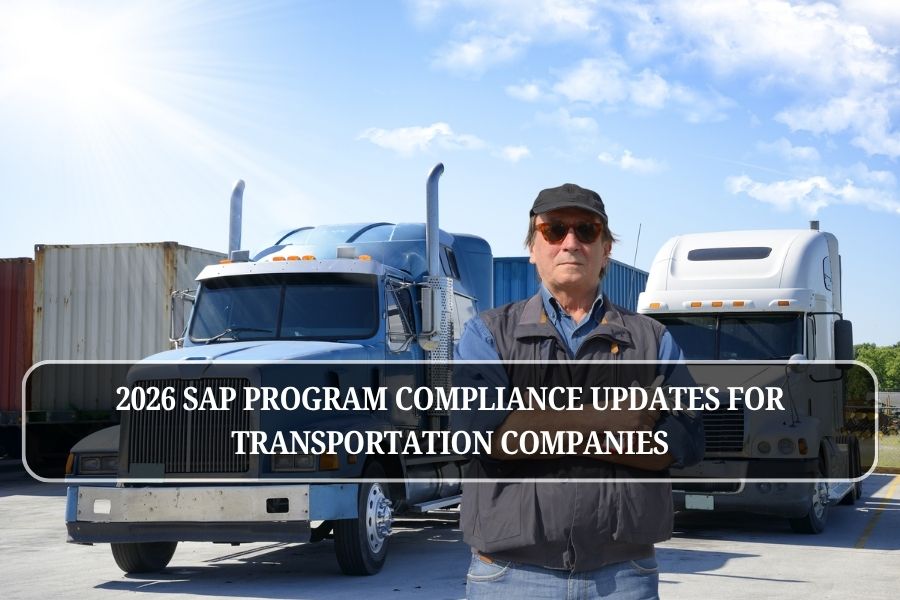
Safety on our roads is a top priority. For transportation companies, that means staying on top of ever-evolving regulations. The year 2026 brings stricter guidelines for the industry. At AACS, we understand how challenging it can be to keep track of these changes, so we’ve outlined the key updates for you.
This article breaks down the latest compliance updates for 2026. You’ll learn what these changes mean for your company, how to avoid penalties, and the steps you’ll need to take to stay compliant.
A Quick Overview of the 2026 Compliance Updates
The U.S. Department of Transportation (DOT) and the Federal Motor Carrier Safety Administration (FMCSA) have tightened regulations, focusing on enhanced documentation and faster communication.
Stricter Clearinghouse Rules
The FMCSA Clearinghouse is a centralized database that tracks violations of drug and alcohol regulations. Starting in 2026, transportation companies must report violations more quickly and accurately. Delays in reporting positive tests or refusals to test will result in significant penalties. Companies must ensure that their internal processes seamlessly align with Clearinghouse requirements.
The DOT SAP Program as a Key Component
If a driver violates regulations, they are prohibited from performing safety-sensitive duties. The only way they can return to work is through the official DOT SAP Program. Updates for 2026 emphasize the importance of certified Substance Abuse Professionals (SAPs). Employers must ensure their drivers are referred only to properly qualified SAPs. Mistakes in choosing an SAP could invalidate the entire Return-to-Duty process.
The Return-to-Duty Process in Action
A violation of DOT regulations is a serious issue, but it doesn’t have to mark the end of a driver’s career. A structured process allows for their safe return to work.
The SAP Evaluation Process
The first step after a violation is a comprehensive SAP Evaluation. A qualified evaluator will assess the driver during a one-on-one interview. Based on this evaluation, the SAP will create a personalized plan that may include education programs, specialized training, or targeted treatment.
In 2026, these plans must be documented in greater detail. The SAP will closely monitor the driver’s progress and conduct a follow-up evaluation once all steps have been completed. Only after the SAP approves can the driver take the Return-to-Duty test.
Support for Managing the Process
Managing this process can be time-consuming and stressful. Many companies choose to outsource these tasks to specialized service providers. The AACS Service Center offers invaluable support to transportation companies by coordinating appointments, tracking driver progress, and ensuring all steps comply with current DOT regulations.
Data Protection and Documentation
With stricter documentation requirements comes greater responsibility for protecting sensitive data. Medical information and evaluation results are subject to strict privacy laws. Both transportation companies and SAPs must ensure compliance with HIPAA (Health Insurance Portability and Accountability Act). The exchange of information between the SAP, employer, and employee must be secure and confidential.
The Role of Mental Health
A positive drug test or alcohol misuse often points to deeper issues. The pressure in the transportation industry is immense—long hours, time away from family, and strict deadlines take a toll on drivers. At AACS, we believe that addressing mental health openly is key to ensuring safety.
Prevention is always better than rehabilitation. Companies should proactively provide resources for their employees:
- The SAMHSA National Helpline offers 24/7 confidential support for substance abuse and mental health crises.
- The National Institute of Mental Health (NIMH) is an excellent resource for information on managing stress and mental health challenges.
By creating a supportive environment, companies can reduce the risk of violations and promote the long-term well-being of their drivers.
Conclusion: Act Now for a Safer Future
The 2026 SAP Program Compliance updates demand clear processes and strict discipline from transportation companies. Ignoring the new Clearinghouse requirements or making mistakes in the Return-to-Duty process can lead to significant fines and the loss of valuable employees.
Review your internal policies now. Make sure your management team understands the new requirements. Partner with qualified SAPs and professional service providers to streamline the process. Not only will this ensure your company’s legal compliance, but it will also contribute to safer roads for everyone.