Qualified SAP Counselor, Author at AACS Counseling - Page 27 of 37

Expansion of Telehealth SAP Evaluations: A Game-Changer for DOT Compliance

In recent years, the Department of Transportation (DOT) has taken a progressive step forward by officially embracing telehealth SAP evaluations for employees who have violated DOT drug and alcohol testing regulations. This shift toward virtual SAP assessments has not only improved accessibility but has also made the entire Return-to-Duty (RTD) process more efficient, affordable, and stress-free.

💻 What Are Telehealth SAP Evaluations?

A telehealth SAP evaluation is a virtual assessment conducted by a DOT-qualified Substance Abuse Professional (SAP) using secure video conferencing platforms. This evaluation fulfills the same requirements as an in-person session under 49 CFR Part 40—but from the comfort and convenience of your home or office.

🚀 Key Benefits of Telehealth SAP Evaluations

⏱️ 1. Shorter Duration

Traditional in-person SAP evaluations often took 3 to 4 hours due to travel time, clinic wait times, and extended interviews. With telehealth, the process is now streamlined into 60–90 minutes, saving both time and energy.

💸 2. Cost Savings

By eliminating the need for travel, lodging, or time off work, virtual SAP services offer significant cost reductions. Many providers now offer competitive pricing with no compromise on DOT compliance.

🌍 3. Nationwide Access

Perhaps the most impactful benefit is the nationwide availability. Whether you’re in a major city or a rural area, you can now access a certified SAP professional in all 50 states—without location being a barrier.

🧑‍⚕️ Why the DOT Supports Telehealth

According to trusted sources like DrugEval.com and ASAP Professionals, the DOT’s move to endorse virtual SAP evaluations is part of a larger effort to:

  • Modernize the Return-to-Duty process

  • Expand access to regulated employees across industries

  • Maintain regulatory compliance while offering flexibility

This initiative aligns with post-pandemic workplace trends where remote healthcare solutions are now a proven, practical standard.

✅ Is a Telehealth SAP Evaluation Right for You?

If you’ve tested positive on a DOT drug or alcohol test or refused testing, you’re legally required to complete a SAP evaluation to return to work. A telehealth SAP evaluation offers:

  • Same-day or next-day scheduling

  • 100% DOT-compliant services

  • Quick turnaround for Return-to-Duty clearance

📞 Get Started Today with a Virtual SAP Evaluation

AACS Counseling offers fast, confidential, and compliant telehealth SAP evaluations nationwide.

📞 Call Now: 800-683-7745
🌐 DOT Qualified SAP Program
🌐 SAP Evaluations Nationwide

Whether you’re a CDL driver, aviation worker, or public transit employee, we’re here to help you take the next right step—quickly, safely, and affordably.

Virtual DOT SAP Program with AACS Counseling: Get Back to Work Fast, From Anywhere

If you’re a CDL driver who’s tested positive or refused a DOT drug or alcohol test, the path to returning to duty can be confusing and stressful. That’s where AACS Counseling’s Virtual DOT SAP Program comes in—offering the fastest, most affordable, and 100% remote return-to-duty solution, fully compliant with DOT regulations.

✅ Nationwide Virtual Access
✅ Same-Day Evaluations
✅ Licensed DOT-Qualified SAPs
✅ 3–5 Day Completion Timeline for most Drivers
✅ Flat-Rate Affordable Pricing

What is a Virtual DOT SAP Program?

This federally mandated process includes:

  • A clinical assessment by a DOT-qualified SAP
  • A treatment or education plan
  • A follow-up evaluation
  • Return-to-duty testing and scheduled follow-ups

AACS Counseling makes this entire process virtual, accessible from any location in the U.S.

Why Choose AACS Counseling?

  • Licensed in All 50 States
  • DOT-Compliant Reports Sent to Employers/TPAs
  • Flexible Payment Options
  • Friendly, Supportive Case Managers


Top Benefits of Completing the DOT SAP Program Virtually with AACS Counseling

If you’re a CDL driver searching for a fast, affordable, and DOT-compliant solution after a failed drug or alcohol test, AACS Counseling’s Virtual DOT SAP Program is your best option. With same-day virtual evaluations and services available in all 50 states, AACS Counseling has become a trusted name in DOT SAP programs across the country.

This article will explore the key benefits of completing your DOT SAP program virtually with AACS Counseling and why it’s the smart choice for drivers and employers alike.


  1. Complete the SAP Program from Anywhere

With AACS Counseling’s 100% virtual DOT SAP process, CDL drivers can complete every step—from the initial evaluation to the follow-up assessment—remotely. No in-person visits. No unnecessary travel. Whether you’re at home, on the road, or in a remote area. you’ll have full access to your SAP provider via secure telehealth platforms.


  1. Faster Return-to-Duty Process

Time off the road means lost income. AACS Counseling offers same-day SAP evaluations and accelerated treatment plans, allowing many drivers to complete the return-to-duty process in as little as 3 to 5 business days.

  1. Lowest Cost DOT SAP Program Available

Affordability is a major concern for many drivers. AACS Counseling provides flat-rate, transparent pricing—no hidden fees, no surprise charges. They also offer flexible payment options to help drivers stay on track financially while fulfilling DOT requirements.

  1. DOT-Compliant Nationwide

AACS Counseling’s virtual SAP services are fully DOT-compliant, meeting all the requirements under 49 CFR Part 40. Their licensed, DOT-qualified SAP professionals are experienced in handling return-to-duty cases and provide all necessary documentation to employers, TPAs, or MROs.

  1. Personalized Support from SAP Experts

Each driver receives one-on-one support from a dedicated case manager throughout the process. From helping you schedule your evaluation to ensuring timely communication with your employer. AACS Counseling simplifies the entire journey back to work.

  1. Available in All 50 States

Whether you’re in Texas, Georgia, California, Florida, or anywhere in between, AACS Counseling serves CDL drivers nationwide. Their online SAP program is accessible and convenient, no matter where you’re located.

Certified SAP assessment for DOT-regulated safety-sensitive employees

Get Started Today

Don’t let a DOT violation end your career. With AACS Counseling’s virtual DOT SAP program, you can complete your return-to-duty process faster, more affordably, and from anywhere in the U.S.

📞 Call Today: 1-800-683-7745
🌐 Learn More: www.aacscounseling.com
📅 Same-Day Virtual Appointments Available


Emphasis on SAP Programs for Truck Drivers: Safety, Support & Return-to-Duty Compliance

In the ever-evolving landscape of transportation safety, truck drivers play a critical role in keeping the U.S. economy moving. Because of the high-risk, safety-sensitive nature of their job, the Department of Transportation (DOT) has placed increased emphasis on Substance Abuse Professional (SAP) programs specifically designed to address the needs of CDL holders and other commercial drivers.

Whether you’re dealing with a failed DOT drug test or a refusal to test, understanding the SAP process is vital to getting back on the road legally and responsibly.

🛠️ Structured Evaluation Process for Truck Drivers

The SAP program begins with a comprehensive evaluation by a DOT-qualified Substance Abuse Professional. This isn’t just a basic screening—it’s a structured process designed to:

  • Assess the depth and context of the violation

  • Determine whether treatment or education is required

  • Create a personalized plan for rehabilitation and compliance

At AACS Counseling, we conduct same-day SAP evaluations to minimize delays and get drivers started on their Return-to-Duty path as quickly as possible.

💬 Rehabilitation Support Tailored for Drivers

Truck drivers face unique stressors—long hours, isolation, and high-pressure deadlines. SAP programs account for these challenges by providing:

  • Targeted counseling and therapy referrals

  • Access to substance abuse education programs

  • Continued support to reduce relapse risks

Our team helps connect drivers to the right resources so they can make real progress and avoid future violations.

📝 Return-to-Duty Protocols for CDL Drivers

After treatment or education is completed, the SAP will conduct a follow-up evaluation to determine eligibility for Return-to-Duty (RTD) testing. This includes:

  • A negative DOT drug and/or alcohol test

  • Ongoing follow-up testing plans (typically 6–12 unannounced tests within 12 months)

  • Official clearance documentation from the SAP

Truck drivers cannot legally return to duty until this process is fully completed and verified.

🚦 Why SAP Programs Matter in the Trucking Industry

Failure to complete a DOT-compliant SAP program doesn’t just risk your job—it could end your commercial driving career. The SAP program:

  • Reinforces industry-wide safety standards

  • Offers a second chance to regain driving privileges

  • Helps reduce substance-related crashes and incidents

By participating in a certified SAP program, truck drivers protect themselves, their careers, and the public.

📞 Need to Start Your SAP Evaluation?

At AACS Counseling, we provide fast, confidential, and fully DOT-compliant SAP evaluations—including virtual appointments available in all 50 states.

📞 Call Now: 800-683-7745
🌐 DOT SAP Program
🌐 Nationwide SAP Evaluations

Let us help you take the next right step back to the driver’s seat.

Benefits of a Virtual Substance Abuse Assessment with AACS Counseling

In today’s digital world, accessing behavioral health services is easier and more efficient than ever. One of the most important services now available online is the substance abuse assessment a crucial step for individuals dealing with drug or alcohol-related challenges, legal issues, or DOT violations.

AACS Counseling offers a fully virtual, confidential, and professional substance abuse evaluation that can be completed from anywhere.

Whether you’re required to undergo an assessment by your employer, court system, or DOT regulations, AACS Counseling provides a fast, affordable, and compliant solution.

✅ 1. Convenience and Accessibility

A virtual substance abuse assessment through AACS Counseling allows individuals to complete the evaluation from home, work, or on the go. There’s no need to travel to a physical office, saving time, money, and stress.

🔒 2. 100% Confidential and HIPAA-Compliant

All online evaluations are conducted via secure telehealth platforms that are HIPAA-compliant, ensuring complete privacy and confidentiality. Whether you’re going through legal proceedings or returning to work, your personal information is protected.

⚡ 3. Fast Scheduling and Quick Turnaround

AACS Counseling offers same-day and next-day appointments, with reports typically completed within 24–48 hours. This is especially beneficial for individuals facing court deadlines, employment re-entry, or DOT return-to-duty requirements.

💲 4. Affordable and Transparent Pricing

With flat-rate pricing and no hidden fees, AACS Counseling makes professional assessments accessible to everyone. Compared to in-person evaluations, virtual services often cost less and offer flexible payment options.

🎓 5. Professional and Credentialed Evaluators

All assessments are conducted by licensed and experienced substance abuse counselors, Who are familiar with court mandates, DOT regulations, and workplace policies. AACS Counseling ensures your evaluation meets all necessary requirements.

🌍 6. Nationwide Availability

AACS Counseling provides virtual substance abuse assessments in all 50 states, making their services accessible to individuals across the U.S.—especially in rural or underserved areas where finding local providers can be a challenge.

🧭 7. Comprehensive Support and Guidance

From the moment you schedule your appointment, AACS Counseling provides personalized support. Whether you need help navigating court documentation, DOT compliance, or employer communication, their team is with you every step of the way.

📝 Who Needs a Virtual Substance Abuse Assessment?

A virtual drug or alcohol evaluation may be required for:

  • DUI/DWI or other court cases
  • Probation or parole compliance
  • Employer mandates or workplace violations
  • DOT return-to-duty process
  • Personal or family concerns about substance use

SUBSTANCE ABUSE EVALUATION

🚀 Start Your Virtual Substance Abuse Assessment Today

Don’t let distance or schedule delays keep you from taking the next step. AACS Counseling offers a simple, fast, and secure way to get the help—or clearance—you need.

📞 Call Now: 1-800-683-7745
🌐 Schedule Online: www.aacscounseling.com
📅 Same-Day Virtual Appointments Available

Understanding Mental Health Assessments: A Critical Tool for Well-being

Mental health is as vital as physical health, yet it’s often overlooked. One of the most effective ways to understand and address mental health concerns is through a mental health assessment conducted by a mental health professional or clinician. This process provides crucial insights into a person’s emotional, psychological, and behavioral well-being, laying the foundation for accurate diagnoses and personalized treatment plans. Whether you’re seeking help for yourself or a loved one or simply curious, here’s everything you need to know about mental health assessments.

What Is a Mental Health Assessment?

A mental health assessment, also referred to as a psychiatric evaluation, is a comprehensive evaluation designed to gauge an individual’s mental and emotional state. This assessment often involves answering questions, engaging in discussions, and, in some cases, undergoing physical exams or laboratory tests. Conducted by trained professionals like psychiatrists, psychologists, or licensed counselors, its purpose is to identify psychiatric conditions and assess their severity., evaluate their severity, and outline recommendations for treatment.

For more details on what these assessments entail, Better Health Victoria provides a helpful overview of what to expect during the process.

Why Mental Health Assessments Are Crucial

Mental health assessments serve numerous purposes, including various aspects of mental health, especially for those experiencing symptoms affecting children.

  • Treatment Planning: By evaluating the individual’s symptoms, history, and current life circumstances, professionals can devise a tailored treatment strategy. Texas Health and Human Services emphasizes that such assessments ensure treatment is uniquely suited to individual needs.
  • Crisis Management: Assessments ensure individuals receive immediate assistance during a mental health crisis, reducing risks to themselves and others. Services like the Acute Community Intervention Service in Victoria are particularly helpful in emergencies.
  • Monitoring Progress: Regular assessments allow healthcare providers to track changes in mental health, ensuring treatments remain effective over time.

Mental health professional conducting a clinical interview to diagnose psychiatric conditions and assess patient care needs

Who Is This Mental Health Assessment For?

Mental health assessments are valuable for anyone who feels they may be experiencing symptoms of mental health problems, emotionally, psychologically, or behaviorally.

They’re invaluable for consulting with a mental health professional :

  • Individuals Experiencing Symptoms: If you’re feeling persistently sad, anxious, or irritable, or if your emotions are challenging to manage, a mental health assessment can uncover the cause.
  • People in Crisis: If you’re experiencing severe stress, suicidal thoughts, or a mental health emergency, assessments provide a roadmap to immediate intervention.
  • Caregivers Concerned for Loved Ones: Parents, partners, and friends worried about someone’s unusual behavior or emotional state can encourage them to access an assessment.
  • Curious Individuals: Sometimes, people want to better understand their mental health, even without apparent symptoms.

Who Is Eligible for a Mental Health Assessment?

Mental health assessments are widely accessible and designed for people of all ages. Here are the eligibility criteria for accurate diagnoses and how they break down:

  • Adults: Anyone over 18 experiencing mental health issues can seek an assessment through clinics, hospitals, or telehealth services.
  • Children and Teens: Pediatric and adolescent mental health assessments help uncover developmental, emotional, or social challenges in young people.
  • Seniors: Elderly individuals may benefit from assessments that address age-related concerns like memory issues, dementia, or depression.
  • Eligibility often depends on location and service providers. Many local health authorities and organizations offer free or low-cost assessments, ensuring affordability is not a barrier.

What Are the Benefits of a Mental Health Assessment?

An initial psychiatric evaluation offers several advantages for improving the patient’s ability to receive care, each contributing to better mental health:

  1. Discovering Root Causes: Assessments often reveal underlying conditions such as anxiety, depression, or PTSD that other symptoms might mask.
  2. Personalized Treatment Plans: Each individual receives targeted recommendations, from therapy to lifestyle adjustments, that suit their specific needs.
  3. Improved Outcomes: Early identification leads to quicker interventions, reducing symptom severity and preventing long-term complications.
  4. Validation and Insight: Understanding your mental health can provide relief, clarity, and a sense of control over your well-being.

How Does a Mental Health Assessment Work?

The process usually varies depending on the individual’s needs, the setting, and the professional conducting the evaluation. However, here’s an overview of what you can typically expect, and if necessary, you might require a further assessment:

Adult family members undergoing psychiatric evaluation with attention to past history, symptoms, and risk factors for mental illness

1. The Initial Interview

The first step involves a detailed discussion with a healthcare provider. Topics typically include aspects that affect daily living :

  • Current symptoms and how they impact daily life.
  • Personal and family history of mental health issues.
  • Lifestyle factors, such as sleep patterns, diet, and substance use.

2. Observation and Interaction

During the assessment, the healthcare provider pays close attention to behavior, speech patterns, and emotional responses. These subtle cues can provide essential insights into underlying conditions, particularly related to mood and other aspects of mental illness.

3. Physical Examination

A physical exam might rule out contributors like hormonal imbalances or vitamin deficiencies. Ohio State Wexner Medical Center notes the importance of examining physical factors to ensure accurate diagnoses.

4. Standardized Questionnaires and Tests

Many professionals incorporate standardized tests to assess specific disorders. For instance, the Mini-Mental State Examination (MMSE) assesses cognitive functioning, while other tools evaluate symptoms of severe depression, anxiety, or psychosis. These tests are beneficial for conditions where symptoms may overlap, particularly in those who may have mental health conditions.

5. Lab Tests and Imaging

For some instances, lab tests like blood work or imaging scans might be done to detect physical causes contributing to mental health changes, such as thyroid issues or vitamin deficiencies, which can impact the prognosis.

How Do I Get a Mental Health Assessment?

Getting a mental health assessment is more accessible than you might think, especially for family members seeking to understand their loved one’s needs from a mental health specialist. Start by:

  • Contacting Your Primary Care Doctor: They can recommend specialists or conduct initial screenings.
  • Online Screening Tools: Free assessments from organizations like Texas HHS can help determine whether professional intervention is necessary.
  • Finding Local Services: Search for clinics or mental health centers in your area. Free evaluations may be available through public health programs.
  • Exploring Workplace Support: Some employers provide access to assessments through Employee Assistance Programs (EAPs).

How to Get Help with Mental Health Test

If navigating mental health resources feels overwhelming, here’s how to make collaborative management of mental health resources easier:

  • Reach Out to Hotlines: National and local mental health hotlines provide immediate support and guidance on assessments.
  • Consult Community Organizations: Nonprofits often connect individuals to mental health services.
  • Ask for Recommendations: Friends, family, and professionals you trust may have personal experiences with mental health services to share.

Your Mental Health Assessment Today Test

Curious about your mental well-being? Self-assessment tests can help describe signs of distress or unaddressed concerns. Although not a substitute for professional evaluation, tests like these can provide proper first steps:

  • Online questionnaires for anxiety or depression.
  • Cognitive function tests for memory or focus issues.
  • Burnout checks for work-related stress.

Use these tools responsibly to determine your needs, and follow up with professional advice for deeper understanding.

How Well Do You Cope?

Understanding your coping mechanisms, especially those from the past, and their impact on daily living is vital to mental health:

  • Do you express your feelings or bottle them up?
  • Are your hobbies and interests a source of happiness or distraction?
  • Is stress affecting your physical health, like sleep or eating habits?
  • Assessments explore how your coping mechanisms influence your mental well-being and whether adjustments could help.

Complete assessment for adults to describe symptoms, diagnose mental illness, and guide clinical decision-making.

Adult Mental Health Assessment

For adults, mental health assessments address everyday struggles like relationship issues, workplace stress, and personal challenges. They can also evaluate complex conditions such as substance use disorders or trauma. Adults often face high demands in their personal and professional lives, making these assessments essential for maintaining balance and quality of life.

Moving Forward After an Assessment

Having completed a mental health assessment, the following steps typically involve:

  1. Understanding Your Diagnosis: Professionals will explain what your symptoms indicate and address your questions.
  2. Starting Treatment Plans: Depending on the findings, this could include therapy, medications, or referrals to specialists.
  3. Engaging Support Systems: Mental health treatments are most effective when supported by friends, family, or peer groups.
  4. Monitoring Progress: Regular follow-ups help track improvement and tweak treatments as needed.

Take the First Step Toward Mental Wellness

Mental health assessments are invaluable tools for understanding and improving emotional and psychological well-being. Struggling with mental health can feel isolating, but free or subsidized resources are widely available. Reach out to professionals, leverage public services, or explore tools like those from NCBI for informed guidance. Taking this step today might lead you toward a more fulfilling, peaceful life.

Struggling with mental health can feel isolating, but you’re not alone. Speak to a mental health provider or trained professionals who can assist you or explore resources in your area. Taking action today might be the first step toward a healthier, more fulfilling tomorrow.

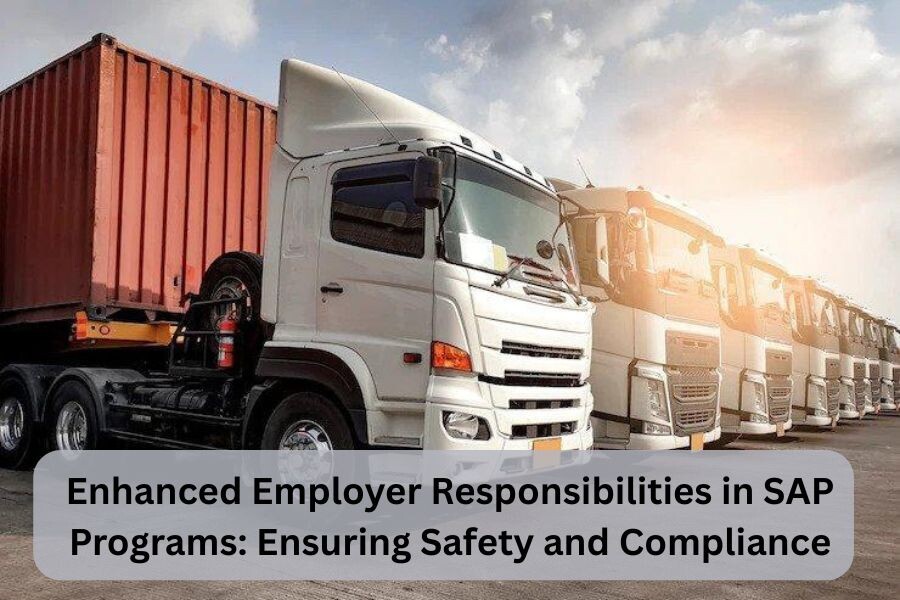
Enhanced Employer Responsibilities in SAP Programs: Ensuring Safety and Compliance

In the Department of Transportation’s (DOT) commitment to maintaining public safety, employers of safety-sensitive workers play a critical role in enforcing the Substance Abuse Professional (SAP) program guidelines. While the focus is often on the employee’s return-to-duty process, the employer’s legal and procedural responsibilities are equally important.

Understanding and fulfilling these obligations not only helps ensure DOT compliance but also supports the overall safety and productivity of the workplace.

⚠️ 1. Immediate Action: Remove Employees from Safety-Sensitive Duties

Once an employee has violated a DOT drug or alcohol regulation, employers are required by law to:

  • Immediately remove the individual from safety-sensitive functions (e.g., operating commercial vehicles, handling hazardous materials).

  • Document the incident and notify appropriate parties, including Designated Employer Representatives (DERs).

This is a non-negotiable step that prevents liability and protects public safety.


👩‍⚕️ 2. Referral to Qualified SAPs

Employers must refer the employee to a DOT-qualified Substance Abuse Professional for evaluation. The SAP will:

  • Conduct an initial assessment

  • Recommend education or treatment

  • Determine when the employee is eligible for return-to-duty testing

Employers should maintain a list of approved SAPs or partner with reputable organizations like AACS Counseling, which offers same-day evaluations and nationwide virtual access.

📋 3. Monitor Treatment and Return-to-Duty Compliance

Once the SAP has created a treatment or education plan, the employer’s responsibility continues. This includes:

  • Verifying that the employee completes all requirements

  • Ensuring that a follow-up evaluation is scheduled

  • Coordinating Return-to-Duty and Follow-Up Testing according to the SAP’s instructions

Employers must also maintain records to demonstrate compliance in the event of an audit or inquiry.

🔐 Why Employer Involvement is Essential

DOT regulations are strict for a reason—safety. When employers take a proactive role in SAP programs, they:

  • Reduce legal risks and liability

  • Maintain operational integrity

  • Support employees in returning to duty responsibly and successfully

In short, employers are not just enforcers—they’re facilitators of rehabilitation and reintegration.

📞 Need Help Managing SAP Referrals and Compliance?

AACS Counseling partners with employers nationwide to provide DOT-compliant SAP evaluations and employee support services. Whether you’re a large fleet or a small business, we ensure your organization remains compliant and your employees receive expert care.

📞 Call Now: 800-683-7745
🌐 DOT SAP Services for Employers
🌐 SAP Evaluations Across the U.S.

Agencies under DOT: The Federal Railroad Administration (FRA)

The Federal Railroad Administration (FRA), an agency within the U.S. Department of Transportation (DOT), fulfills a critical function in assuring the security, dependability, and advancement of the national railway infrastructure.

Congress established the FRA in 1966.

The FRA is mandated to enable the secure, efficient, and sustainable transportation of persons and commodities via rail. Employees in this field are considered to be safety-sensitive. If they violate a DOT drug and alcohol regulation, they will have to complete a DOT Return to Duty Program to be eligible to work again.

Principal Responsibilities

The FRA possesses regulatory and supervisory authority over virtually all dimensions of the United States railway network, encompassing safety compliance, infrastructural development, research and innovation, and the allocation of grant funding.

DOT Return to Duty Program

Its primary duties include:

  • Oversight and Regulation of Safety: The FRA enforces federal legal statutes and standards that govern the upkeep of railway tracks, signaling mechanisms, rolling stock, and train operations. It conducts audits, investigations, and inspections to ensure adherence to regulations and to avert accidents.
  • Workforce and Operational Benchmarks: The agency promulgates regulations regarding railroad employees’ hours, training mandates, and protocols for drug and alcohol screening. It fulfills a vital role in monitoring the well-being of rail personnel and enforcing policies regarding fatigue management.
  • Investment in Rail Infrastructure: The FRA administers grant initiatives and funding mechanisms aimed at modernizing railway infrastructure, enhancing safety standards, and augmenting rail capacity. This includes high-speed rail initiatives and the modernization of freight and passenger rail lines.
  • Research and Advancement: Through its Office of Research, Development & Technology, the FRA investigates methods to optimize railway systems for greater safety and efficiency. One such method is the implementation of Positive Train Control (PTC), a system engineered to automatically halt or decelerate a train to preempt accidents.

Significant Initiatives

  • Positive Train Control (PTC): The FRA’s paramount contemporary safety undertaking, PTC, is a system that monitors train velocities and movements to obviate accidents caused by human error, such as derailments and collisions.
  • Railroad Rehabilitation & Improvement Financing (RRIF): This initiative provides direct federal loans and loan guarantees to underwrite the expansion of railroad infrastructure.
  • Grade Crossing Security: The FRA endeavors to curtail incidents at highway-rail intersections through advocating for education, regulatory enforcement, engineering resolutions, and statistical analysis.
  • Ecological and Sustainability Efforts: The FRA facilitates environmentally conscious rail proliferation by championing energy-conserving technologies and aiding projects in meeting environmental review criteria as specified by the National Environmental Policy Act (NEPA).Repercussions for the U.S. Economy and Public Security

Railways constitute an indispensable segment of America’s transportation grid, moving over 1.6 billion tons of freight and millions of passengers annually. The FRA’s efforts ensure that this system operates securely and remains a competitive, sustainable mode of transport. The agency’s oversight assists in diminishing derailments, fatalities, and occurrences involving hazardous materials while bolstering economic advancement via infrastructural investment.

DOT Return to Duty Program

When looking for a provider, check to see if they are licensed and certified to offer this service. At AACS Counseling, we specialize in the DOT Return to Duty Program to help safety-sensitive employees get back to work as soon as possible. For more information, please visit our website at www.aacscounseling.com.

“If you’re facing a legal issue or need a professional evaluation, AACS Counseling is here to help. Call us today at 800.683.7745 or visit our website to schedule your appointment.”

The Dangers of Fentanyl

Fentanyl, a synthetic opioid initially developed for severe pain management, has rapidly become a driving force in the opioid crisis due to its extraordinary potency and widespread illicit use. While medically valuable in controlled environments, its unregulated presence in the drug market poses a grave threat to public health. It’s essential to get an Alcohol and Drug Evaluation if you think you’re having any drug related issues.

What Is Fentanyl?

Fentanyl is a potent synthetic opioid, estimated to be 50 to 100 times stronger than morphine and about 50 times stronger than heroin. While it has legitimate medical uses for severe pain management, particularly in cancer patients and post-surgery, the current surge in fentanyl-related overdoses is mainly due to illegally manufactured versions. These are frequently mixed with other illicit drugs like heroin and cocaine, or pressed into counterfeit prescription pills, often without the user’s knowledge.

Why Fentanyl Poses a Significant Danger

  • Extreme Potency: Even a tiny amount of fentanyl, just a few milligrams, can be fatal. This makes it exceptionally difficult for users to gauge a safe dosage, especially when it is unknowingly present in other drugs.
  • Invisible Nature: Fentanyl is odorless and tasteless, rendering it undetectable when mixed into other street drugs. Users can unknowingly consume a lethal dose, believing they are taking a different substance.
  • Rapid Overdose: Fentanyl acts very quickly, often causing respiratory arrest within minutes. This rapid onset leaves minimal time for intervention and significantly increases the risk of death.
  • Naloxone Resistance: While naloxone (Narcan) can reverse opioid overdoses, fentanyl’s high potency often necessitates higher or repeated doses. This can overwhelm even prepared first responders.

The Escalating Fentanyl Crisis

The U.S. CDC reports that synthetic opioids, predominantly fentanyl, were implicated in approximately 70% of the over 100,000 drug overdose deaths in recent years in the United States. Factors contributing to this crisis include the ease of production, simple distribution methods, low manufacturing costs, and high profitability for drug traffickers, making it a common adulterant in the illegal drug supply. Strategies to Combat the Fentanyl Epidemic

Fentanyl is a synthetic opioid

Efforts to combat the fentanyl crisis include:

  • Public Awareness Campaigns: Educating the public about the dangers of fentanyl-laced drugs.
  • Naloxone Accessibility: Expanding the availability of naloxone kits to communities and law enforcement agencies.
  • Enhanced Regulation: Strengthening the monitoring and control of precursor chemicals and supply chains involved in fentanyl production.
  • Treatment Expansion: Increasing access to addiction treatment and mental health services for individuals struggling with substance use disorders.

Where To Get an Alcohol and Drug Evaluation

At AACS Counseling, we specialize in Alcohol and Drug Evaluation(s) that help individuals get their lives back on track. We offer in-person and virtual assessments. We are a nationwide service that also works with the legal system for cases involving the courts. For more information, please visit our website at www.aacscounseling.com.

“If you’re facing a legal issue or need a professional evaluation, AACS Counseling is here to help. Call us today at 800.683.7745 or visit our website to schedule your appointment.”

The Federal Motor Carrier Safety Administration (FMCSA) is a vital agency under the United

States Department of Transportation (DOT). It is tasked with one of the most essential missions in American transportation: ensuring the safety of commercial motor vehicles (CMVs) on the nation’s roadways. Established in January 2000, the FMCSA’s primary goal is to reduce crashes, injuries, and fatalities involving large trucks and buses. As such, employees under this agency are required to follow the alcohol and drug regulations set by the DOT. If an employee is found in violation of one of these regulations, they will be subject to the DOT SAP Program to be eligible to return to duty.

Principal Responsibilities

The FMCSA administers a comprehensive array of safety initiatives, enforcement actions, and regulatory frameworks that govern the commercial trucking and passenger-carrying sectors.

Its core responsibilities include:

  • Establishing and Enforcing CMV Safety Standards: The agency promulgates and implements regulations governing commercial drivers and their vehicles, encompassing stipulations for licensure, hours of service (HOS), vehicle maintenance, and driver qualifications.
  • Monitoring Driver Compliance: Through systems such as the Drug and Alcohol Clearinghouse and the Compliance, Safety, Accountability (CSA) program, the FMCSA tracks violations and hazardous driving practices to identify carriers and drivers exhibiting elevated risk profiles.
  • Oversight of Drug and Alcohol Testing Programs: The FMCSA mandates drug and alcohol testing for drivers occupying safety-sensitive positions. Employers are obligated to adhere to stringent testing protocols, and individuals found in violation are required to fulfill the return-to-duty process, which incorporates an evaluation by a Substance Abuse Professional (SAP).
  • Enforcement of Hours-of-Service (HOS) Regulations: To mitigate driver fatigue, the FMCSA establishes limitations on the permissible hours of on-duty or driving time for commercial drivers without prescribed rest periods. These regulations are reinforced by the Electronic Logging Device (ELD) mandate, which automates the recording of moving time.
  • Conducting Safety Audits and Investigations: Newly established motor carriers are subject to mandatory safety audits, and all carriers are liable for inspections at any juncture. The FMCSA also collaborates with state and local agencies to undertake roadside inspections and compliance assessments.

DOT SAP

Key Safety Programs

  • CSA (Compliance, Safety, Accountability): This program leverages data from inspections, accident reports, and violations to assess carrier safety performance and assign scores that may trigger interventions in instances of heightened risk.
  • Drug and Alcohol Clearinghouse: A secure digital repository that enables employers and authorities to identify commercial drivers who have contravened federal drug and alcohol testing regulations.
  • New Entrant Safety Assurance Program: This initiative, targeted at nascent motor carriers, ensures comprehensive comprehension and adherence to all safety regulations during their initial 18 months of operation.

Impact on Public Safety

The FMCSA’s endeavors are indispensable for preventing commercial vehicle incidents and ensuring that only duly qualified and unimpaired drivers operate on United States highways. By regulating over 500,000 motor carriers and more than 5 million commercial drivers, the FMCSA plays a critical role in reducing accidents, preserving human life, and upholding the integrity of interstate commerce.

DOT SAP Program

At AACS Counseling, we specialize in the DOT SAP Program, which helps guide employees through the necessary steps to return to work. Our qualified Substance Abuse Professionals (SAPs) can make the process smoother. For more information, please visit our website at www.aacscounseling.com.

“If you’re facing a legal issue or need a professional evaluation, AACS Counseling is here to help. Call us today at 800.683.7745 or visit our website to schedule your appointment.”

Understanding the DOT SAP Program Substance Abuse Process and Support

Introduction to DOT SAP Program

  • The DOT SAP program helps employees who have violated DOT substance abuse regulations. It guides them through the return to duty process with support from a certified substance abuse professional (SAP).
  • Substance abuse professionals (SAPs) hold certifications to manage DOT drug and alcohol testing and ensure compliance with DOT rules.
  • The program includes substance abuse evaluation, treatment, and follow-up testing to confirm employees are fit to return to safety-sensitive duties.
  • A key part of the program is the substance abuse evaluation, which identifies the extent of substance abuse and creates a personalized treatment plan.
  • The DOT SAP program aims to provide support and resources so employees can successfully complete the return to duty process.

DOT Regulations and Compliance

  • DOT regulations require employers to give a list of qualified substance abuse professionals (SAPs) after an employee fails or refuses a drug test.
  • A SAP guides the return to duty process following DOT regulation 49CFR Part 40, ensuring full compliance with substance abuse rules.
  • Employers must ensure employees who violate DOT rules complete the required return to duty process, including evaluation and follow-up testing.
  • The DOT SAP program meets DOT requirements for substance abuse recovery and promotes safety in transportation roles.
  • Following DOT regulations is essential to maintain safety and avoid further substance abuse violations.

Substance Abuse Evaluation and Treatment

  • A substance abuse professional (SAP) meets face-to-face with employees to assess their substance use history and behavior. This helps determine the severity of substance abuse.
  • The SAP creates a tailored treatment plan that includes education, treatment, and follow-up testing to help employees return safely to duty.
  • This plan addresses the employee’s specific needs and supports successful completion of the return to duty process.
  • SAPs recommend treatment, follow-up testing, and aftercare to ensure a full recovery.
  • The goal of evaluation and treatment is to prepare employees to safely resume safety-sensitive duties.

Alcohol Testing and Support Services

  • Alcohol testing plays a vital role in the DOT SAP program. It ensures employees who violate alcohol rules can safely return to work.
  • The program offers counseling and education to help employees understand alcohol abuse risks and DOT compliance.
  • These services prevent future substance abuse violations and maintain safety in transportation.
  • The DOT SAP program supports employees struggling with alcohol abuse to complete the return to duty process.
  • Alcohol regulations and testing are strictly enforced to ensure compliance.

Continuing Education and Training

  • Continuing education keeps SAPs certified and informed about the latest substance abuse recovery methods.
  • The DOT SAP program offers training to ensure SAPs have the skills to support employees effectively.
  • SAPs complete ongoing education to maintain their certification and handle complex substance abuse issues.
  • This training helps SAPs guide employees through the return to duty process successfully.
  • Continuing education is a critical part of the DOT SAP program’s effectiveness.

Drug and Alcohol Testing Procedures

  • DOT enforces strict drug and alcohol testing to ensure safety and compliance.
  • The DOT SAP program provides clear guidance on testing procedures for employers and employees.
  • SAPs conduct tests to hold employees accountable and provide necessary support.
  • Testing ensures employees are safe to return to duty and prevents further violations.
  • Drug and alcohol testing is a key part of the DOT SAP program.

Consequences of Non-Compliance

  • Ignoring DOT substance abuse rules can lead to job loss and legal penalties.
  • Employers who fail to comply may face fines, penalties, and reputational harm.
  • Employees who do not follow rules risk discipline, termination, and loss of benefits.
  • These serious consequences highlight the importance of compliance and effective support.
  • Non-compliance underscores the need for a strong DOT SAP program.

Program Resources and FAQs

  • The DOT SAP program offers resources like counseling, education, and follow-up testing.
  • FAQs help employees and employers understand the program’s steps and requirements.
  • The program provides a list of qualified SAPs to assist employees through the return to duty process.
  • Additional training and education resources support compliance with DOT rules.
  • The program’s goal is to help employees and employers navigate the DOT SAP process successfully.

📌 Frequently Asked Questions About the DOT SAP Program and Return-to-Duty Process

What is the DOT SAP Program?

The DOT SAP Program is a mandatory rehabilitation process set by the Department of Transportation (DOT) for employees in safety-sensitive roles who violate drug and alcohol testing regulations. It includes an evaluation by a certified Substance Abuse Professional (SAP), treatment or education, and clearance for the Return to Duty process.


❓ What Happens if You Fail a Drug Test While in the SAP Program?

Failing a drug or alcohol test during the SAP Program for DOT can restart or extend the process. You will undergo re-evaluation, additional treatment, and your Return to Duty test will be delayed. Employers may also suspend or terminate you.


❓ How Long Does SAP for DOT Take?

The DOT SAP Program has no fixed timeline. Duration depends on the Substance Abuse Professional’s recommendations, your compliance, and the type of treatment needed. On average, it takes 30–120 days, but longer cases occur.


❓ How Does the SAP Program Work?

  1. Initial SAP Evaluation
  2. Treatment or Education Recommendation
  3. Program Completion
  4. Follow-Up SAP Evaluation
  5. Return-to-Duty Testing
  6. Follow-Up Testing Plan (Minimum 6 tests in 12 months)

You can only return to safety-sensitive duties after full completion under DOT regulations.


❓ What is a DOT SAP Program?

The DOT SAP Program is a DOT safety initiative. It ensures employees who violate DOT drug and alcohol rules are evaluated, treated, and cleared before returning to work.


❓ How Long Does It Take to Complete the DOT SAP Program?

Duration varies by case, but the average time is around 4–12 weeks, depending on the violation severity, treatment plan, and client cooperation.


❓ How Much Does a DOT SAP Evaluation Cost?

DOT SAP Evaluation costs range from $300 to $500+, based on location, provider experience, and service type. Avoid cheap or uncertified SAPs—they may not meet DOT standards.


❓ Can You Do DOT SAP Online?

Yes. The DOT SAP Evaluation and some treatment or education sessions can be done online through certified providers. This option suits CDL drivers, pilots, and remote workers needing virtual SAP programs.


❓ What is the DOT Return-to-Duty Process?

The Return-to-Duty process is the final step of the SAP Program for DOT. After completing treatment and follow-up evaluation, you take a Return-to-Duty test. Passing this test lets you return to a DOT-regulated safety-sensitive role.


❓ What Happens if You Fail a DOT Test?

If you fail or refuse a DOT drug or alcohol test, you are immediately removed from safety-sensitive duties. You must complete the SAP Return-to-Duty Program to regain eligibility. Employers must enforce this by law.


❓ What is the SAP Evaluation Process?

  1. Assessment Interview – With a DOT-qualified SAP
  2. Treatment/Education Plan – Based on risk level
  3. Compliance Monitoring – Full completion required
  4. Follow-Up Evaluation – SAP determines readiness
  5. Reporting – SAP updates employer and DOT

❓ What is the Substance Abuse Professional (SAP) Program?

The SAP Program involves certified professionals who evaluate and assist employees after DOT violations. They determine fitness for duty, recommend rehabilitation, and manage the recovery-to-work transition under federal law.


Can I Find a SAP (Substance Abuse Professional) Near Me?

Yes, use DOT’s Clearinghouse, your employer, or trusted platforms like aacscounseling.com to find certified SAP evaluators nearby. Many offer virtual SAP services nationwide.


❓ What is a DOT Drug and Alcohol Program Evaluation?

This mandatory evaluation by a certified SAP follows a DOT violation. It includes history review, risk analysis, and a rehabilitation roadmap—deciding when and how you can safely return to duty.

Call Now