Recent Posts Archives - Page 8 of 20 - AACS Counseling

Out of State DUI Evaluation: The Complete Guide to License Reinstatement After DUI, OWI, or OUI

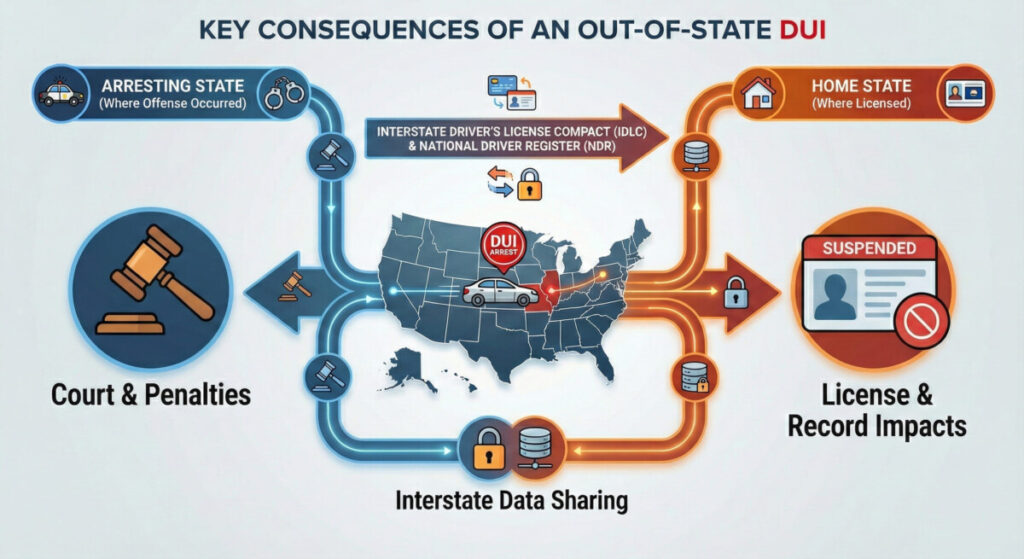
If your driver’s license has been suspended or revoked due to a DUI, OWI, or OUI, and you now live in a different state than where the offense occurred, you may feel stuck in a frustrating legal limbo. Many individuals discover that they cannot reinstate their license until they complete an Out of State DUI Evaluation, even if the DUI happened years ago.

An out-of-state DUI Evaluation is a specialized clinical assessment required by many state Departments of Motor Vehicles (DMVs) or licensing authorities to determine whether a driver meets the criteria for license reinstatement after a DUI-related suspension or revocation. At AACS Counseling, we specialize in out-of-state DUI, OWI, and OUI evaluations for license reinstatement. We provide 100% online virtual evaluations, offer in-house financing, and help clients nationwide complete required evaluations efficiently and correctly, without unnecessary travel or delays.

This comprehensive guide explains what an out-of-state DUI evaluation is, when it is required, how the process works, and why choosing an experienced provider like AACS Counseling matters.

What is an out-of-state DUI Evaluation?

An out-of-state DUI Evaluation is a formal substance-related assessment conducted by a qualified professional when:

  • A DUI, OWI, or OUI occurred in one state, and
  • The individual now resides in a different state, and
  • The original state requires an evaluation before restoring driving privileges

The purpose of the evaluation is to assess:

  • Alcohol or substance use history
  • Risk of future impaired driving
  • Compliance with past DUI requirements
  • Readiness for license reinstatement

The evaluation is then submitted to the state that suspended or revoked the license, not necessarily the state where the person currently lives.

DUI, OWI, and OUI: Understanding the Differences

Different states use different terminology, but the legal concept is similar.

  • DUI (Driving Under the Influence) – Most common term nationwide
  • OWI (Operating While Intoxicated) – Used in states like Wisconsin and Indiana
  • OUI (Operating Under the Influence) – Used in states like Massachusetts and Maine

Regardless of the terminology, all refer to driving while impaired by alcohol or drugs and all can result in license suspension or revocation requiring an evaluation for reinstatement.

Why an Out-of-State DUI Evaluation Is Required

Many states will not reinstate a driver’s license until all DUI-related requirements are completed, even if the individual no longer lives in that state.

Common Reasons an Evaluation Is Required

  • DUI conviction with license revocation
  • Failure to complete required DUI programs
  • Long-term or indefinite license suspension
  • Multiple DUI offenses
  • Refusal of chemical testing
  • Administrative license actions

An out-of-state DUI evaluation allows the licensing authority to determine whether reinstatement conditions have been met.

Driver’s License Reinstatement After DUI

One of the most common reasons people seek an out-of-state DUI evaluation is license reinstatement.

Why Reinstatement Gets Delayed

Many drivers believe that time alone will restore their license. Unfortunately, most states require specific documentation, including a DUI evaluation, before reinstatement, even years later.

Without completing the required evaluation:

  • The license remains suspended or revoked
  • Other states may refuse to issue a new license
  • Driving privileges remain blocked nationwide

AACS Counseling helps clients break this cycle by completing evaluations that meet state-specific requirements.

States Commonly Requiring Out-of-State DUI Evaluations

While requirements vary, many states require evaluations from drivers living out of state, including but not limited to:

  • California
  • Michigan
  • Wisconsin
  • Illinois
  • Florida
  • Georgia
  • Texas
  • Colorado
  • Arizona
  • Ohio

AACS Counseling works with clients nationwide and tailors evaluations to meet the specific standards of the requesting state.

What Does an Out-of-State DUI Evaluation Include?

Although requirements vary by state, most DUI evaluations include several core components.

1. Clinical Interview

A structured interview covering:

  • DUI, OWI, or OUI history
  • Alcohol and substance use patterns
  • Driving history
  • Treatment or education completed
  • Current lifestyle and stability

2. Substance Use Screening Tools

Standardized screening instruments may assess:

  • Alcohol use severity
  • Risk of relapse
  • Impaired decision-making patterns

3. Record Review (When Required)

This may include:

  • DUI conviction details
  • Court or DMV documentation
  • Prior treatment records

4. Clinical Determination

The evaluator provides professional conclusions regarding:

  • Risk level
  • Need for education or treatment (if any)
  • Compliance status

5. Written DUI Evaluation Report

The final report is prepared in accordance with DMV or state licensing requirements and submitted as instructed.

100% Online Virtual Out-of-State DUI Evaluations

AACS Counseling offers fully online out-of-state DUI evaluations, allowing clients to complete the entire process remotely.

Benefits of Virtual DUI Evaluations

  • No travel required
  • Faster scheduling
  • Nationwide access
  • HIPAA-compliant video sessions
  • Accepted by most states when properly conducted

Our virtual process is especially valuable for clients who live hundreds—or thousands—of miles away from the state requiring the evaluation.

In-House Financing Options Available

We understand that DUI-related expenses can add up quickly. That’s why AACS Counseling offers in-house financing options to help clients move forward without unnecessary financial strain.

Financing Benefits

  • Affordable payment plans
  • No high-interest third-party lenders
  • Ability to start immediately
  • Transparent pricing

Delaying your evaluation due to cost can keep your license suspended longer. Financing helps you take action now.

DUI Evaluations and Other Related Issues

An out-of-state DUI evaluation may also be required for additional reasons beyond reinstatement.

Common Related Situations

  • Probation or compliance requirements
  • Court documentation
  • Employment or professional licensing
  • Background checks
  • Immigration-related driving documentation

AACS Counseling ensures evaluations are professionally written and clearly documented.

Why Choosing the Right DUI Evaluation Provider Matters

Not all DUI evaluations are accepted by state licensing authorities. Errors, missing details, or non-compliant reports can lead to delays or rejection.

What Sets AACS Counseling Apart

  • Nationwide service
  • Experience with out-of-state DUI cases
  • 100% online virtual evaluations
  • State-specific documentation
  • In-house financing available
  • Fast scheduling and efficient process

We understand that each state has unique requirements—and we tailor evaluations accordingly.

Common Myths About Out-of-State DUI Evaluations

“I can just apply for a new license in my current state.”
Most states will not issue a license until the original suspension is resolved.

“My DUI was years ago, so I don’t need an evaluation.”
Many states still require one regardless of how much time has passed.

“Any counselor can do the evaluation.”
States often require evaluations from qualified, recognized providers.

“Online DUI evaluations aren’t accepted.”
When conducted properly, virtual evaluations are widely accepted.

Who We Serve

AACS Counseling provides out-of-state DUI evaluations for individuals who:

  • Have a suspended or revoked license due to DUI
  • Live in a different state than where the DUI occurred
  • Need documentation for license reinstatement
  • Have DUI, OWI, or OUI convictions
  • Need fast, compliant evaluations

Start Your Out-of-State DUI Evaluation Today

If your license reinstatement is being held up due to a required Out-of-State DUI Evaluation, taking action now can save months—or even years—of continued suspension.

With AACS Counseling, you receive:

  •  Fast scheduling
  • 100% online convenience
  • Financing options
  • State-compliant documentation
  • Confidential, professional care

Contact AACS Counseling

To schedule an out-of-state DUI evaluation or speak with our team:

Phone: 800-683-7745
Email: info@aacscounseling.com

An Out of State DUI Evaluation is often the final—and most important—step toward restoring your driving privileges after a DUI, OWI, or OUI. When completed correctly, it clears the path toward driver’s license reinstatement and helps you move forward.

AACS Counseling is committed to providing professional, accessible, and compliant out of state DUI evaluations nationwide through secure virtual services.
CDL Downgrades and the Clearinghouse: What You Need to Know

Your Complete Guide to the DOT SAP Evaluation and DOT SAP Program After a DOT Violation

For commercial drivers, nothing is more disruptive than a CDL downgrade connected to a DOT violation. One moment you are working; the next, your status in the FMCSA Drug & Alcohol Clearinghouse is marked “Prohibited,” and your livelihood is paused.

Understanding how CDL downgrades work, especially in connection with the Clearinghouse and the DOT SAP Program, is critical for returning to safety-sensitive work as quickly as possible.

At AACS Counseling, we are recognized as a leading nationwide provider of DOT SAP Evaluations and DOT SAP Program services, with over 30 years of experience and some of the most trusted substance abuse professionals in the field. We provide the FASTEST return-to-duty program nationwide, at the most affordable rates, through a fully virtual system designed to expedite CDL reinstatement.

We also provide SAP services for:

  • FMCSA (Commercial Drivers)
  • DISA violations
  • FAA (Aviation)
  • FRA (Railroad)
  • FTA (Transit)
  • USCG (Maritime)
  • PHMSA (Pipeline & Hazardous Materials)

This comprehensive guide will walk you through everything you need to know.

What Is a CDL Downgrade?

A CDL downgrade occurs when your commercial driving privileges are reduced or removed, often reverting your license to a non-commercial status.

Common reasons for CDL downgrades include the following:

  • Failure to maintain DOT medical certification
  • Missed CDL renewal deadlines
  • Administrative suspensions
  • DOT drug or alcohol violations
  • Failure to complete the DOT SAP Program
  • “Prohibited” status in the FMCSA Clearinghouse

Among these, DOT violations are the most serious cause.

Understanding the FMCSA Drug & Alcohol Clearinghouse

The FMCSA Clearinghouse is a federal database that tracks drug and alcohol violations for CDL drivers.

When you:

  • Fail a DOT drug test
  • Fail a DOT alcohol test
  • Refuse a DOT test
  • Provide an adulterated or substituted specimen

The violation is reported to the Clearinghouse.

Your status becomes:

❌ Prohibited

This means:

  • You cannot perform safety-sensitive duties
  • Employers cannot allow you to drive
  • You cannot switch employers to bypass the violation
  • CDL reinstatement is blocked until compliance

How CDL Downgrades and Clearinghouse Status Connect

While Clearinghouse status and CDL license status are separate systems, they directly impact each other.

If you are listed as “Prohibited” in the Clearinghouse:

  • Employers cannot legally use you in safety-sensitive roles
  • Your income stops
  • Some states may eventually downgrade your CDL

Even if your physical CDL card remains valid, you cannot drive commercially until the DOT SAP Program is completed.

The Only Path Back: The DOT SAP Program

The DOT SAP Program is the federally mandated return-to-duty process required under 49 CFR Part 40.

There is no shortcut.
There is no alternative.
There is no appeal that bypasses it.

The SAP program is the only legal path back to safety-sensitive driving after a DOT violation.

What Is a DOT SAP Evaluation?

The DOT SAP Evaluation is the first step in the return-to-duty process.

A qualified Substance Abuse Professional (SAP) conducts a clinical assessment to determine the following:

  • Substance use history
  • Risk factors
  • Level of education or treatment needed
  • Compliance requirements

The SAP does not work for the employer.
The SAP does not work for the driver.
The SAP works under federal DOT regulations to ensure public safety.

Step-by-Step Breakdown of the DOT SAP Program

Here is exactly how CDL reinstatement works after a Clearinghouse violation:

Step 1: Schedule the Initial DOT SAP Evaluation

This is where everything begins.

Delays at this stage extend downtime. At AACS Counseling, we provide:

  • Same-day or next-day appointments
  • 100% virtual evaluations
  • Nationwide service
  • Immediate documentation processing

This is why we are known for providing the FASTEST return-to-duty program nationwide.

Step 2: Complete Education or Treatment Requirements

The SAP may recommend:

  • Education only (often 2–3 weeks)
  • Outpatient counseling (4–8 weeks)
  • Intensive treatment (longer cases)

Each case is individualized.

Step 3: Follow-Up SAP Evaluation

After completing the requirements, you return to the SAP for confirmation of compliance.

If approved:

  • You are eligible for a Return-to-Duty test

Step 4: Return-to-Duty (RTD) Test

This test must:

  • Be directly observed
  • Be negative
  • Be employer coordinated.

Once negative, your Clearinghouse status changes from “Prohibited” to “Eligible.”

Step 5: Follow-Up Testing Plan

The SAP establishes a follow-up testing plan:

  • Minimum 6 unannounced tests
  • Up to 5 years

This does not prevent you from working — it ensures continued compliance.

DOT SAP Evaluation

How Long Does CDL Reinstatement Take?

Time depends on:

  • How quickly can you schedule your SAP evaluation
  • The level of recommended services
  • Employer coordination of RTD testing

Fast-Track Cases:

2–4 days

Average Cases:

1–4 weeks

Complex Cases:

4–8+ weeks

AACS Counseling focuses on minimizing delays at every step.

Why AACS Counseling Is the Leading Nationwide SAP Provider

With over 30 years of experience, AACS Counseling is trusted nationwide for:

  • DOT SAP Evaluations
  • DOT SAP Program completion
  • CDL reinstatement support
  • Clearinghouse compliance guidance
  • DISA violation services
  • FAA, FRA, FTA, USCG SAP services

What Sets AACS Counseling Apart?

1. The FASTEST Return-to-Duty Program Nationwide

We understand drivers cannot afford months off work.

2. The Most Affordable DOT SAP Program

We offer competitive nationwide pricing.

3. In-House Financing Available

Financial hardship should not delay compliance.

4. 100% Virtual SAP Services

No travel required.
Faster scheduling.
Convenient nationwide access.

CDL Downgrades Due to Medical Certification vs. DOT Violations

It’s important to distinguish:

Medical Downgrade

  • Caused by an expired Med Card
  • Often reversible with an updated medical certificate

DOT Violation Downgrade

  • Caused by drug/alcohol violation
  • Requires full SAP Program completion

These are separate issues.

DISA Violations and Clearinghouse-Like Systems

Many industrial and refinery workers are regulated under DISA.

AACS Counseling provides:

  • DISA SAP Evaluations
  • Return-to-duty documentation
  • Compliance monitoring

DOT SAP Services for Other Federal Agencies

We provide SAP services for:

FAA (Aviation)

Pilots, mechanics, safety personnel.

FRA (Railroad)

Engineers and operators.

FTA (Transit)

Public transit employees.

USCG (Maritime)

Coast Guard-regulated positions.

Each agency follows federal SAP guidelines.

Common Mistakes Drivers Make After a Clearinghouse Violation

  • Waiting to schedule SAP evaluation
  • Choosing unqualified providers
  • Missing treatment sessions
  • Failing RTD test again
  • Ignoring Clearinghouse updates

Speed and compliance matter.

Frequently Asked Questions

Can I renew my CDL while prohibited?

Renewal may occur, but you cannot drive until SAP completion.

Can I switch employers while prohibited?

No. Clearinghouse status follows you.

Can SAP be done virtually?

Yes. AACS Counseling provides 100% virtual services.

Does AACS Counseling serve all 50 states?

Yes.

The Bottom Line

CDL downgrades and Clearinghouse violations are serious but not permanent.

The DOT SAP Program provides a structured path back to eligibility.

Choosing the right provider determines how quickly you return to work.

With over 30 years of experience, trusted substance abuse professionals, nationwide virtual access, and in-house financing, AACS Counseling provides the FASTEST and most affordable DOT SAP Program nationwide.

Start Your CDL Reinstatement Today

If you are facing:

  • CDL downgrade
  • Clearinghouse “Prohibited” status
  • DOT drug or alcohol violation
  • DISA violation
  • FAA, FRA, FTA, USCG compliance issues

Contact AACS Counseling today.

800-683-7745
info@aacscounseling.com

The sooner you begin the DOT SAP Evaluation, the sooner you return to duty.

How Long Is the DOT SAP Program Follow-Up Testing Plan?

What CDL Drivers and DOT-Regulated Employees Need to Know About Return-to-Duty Monitoring

If you have recently completed a DOT SAP Evaluation or are preparing to enter the DOT SAP Program, one of the most important questions you may have is:

How long does the DOT SAP follow-up testing plan last?

Understanding the follow-up testing plan is critical for anyone seeking CDL reinstatement, returning from a Clearinghouse violation, or regaining eligibility after a DOT drug or alcohol violation.

At AACS Counseling, we provide expert guidance through every phase of the DOT SAP Program, including follow-up testing requirements. With over 30 years of experience and some of the most trusted Substance Abuse Professionals (SAPs) nationwide, we are recognized as a leading agency for DOT compliance services.

We offer:

  • The FASTEST return-to-duty program nationwide
  • The most affordable DOT SAP Program
  • 100% virtual DOT SAP evaluations
  • In-house financing options
  • Services for FMCSA, DISA, FAA, FRA, FTA, USCG, and other DOT-regulated agencies

This guide will break down everything you need to know about the follow-up testing plan, including how long it lasts, how it works, and what it means for your CDL reinstatement.

Understanding the DOT SAP Program Structure

Before discussing the follow-up testing plan, it’s important to understand where it fits within the full DOT SAP process.

The DOT SAP Program, mandated under 49 CFR Part 40, includes:

  • Initial DOT SAP Evaluation
  • Education and/or treatment recommendation
  • Completion of required services
  • Follow-up SAP Evaluation
  • Return-to-Duty (RTD) test
  • Follow-up testing plan

The follow-up testing plan begins only after you pass your Return-to-Duty test and resume safety-sensitive duties.

What Is the DOT SAP Follow-Up Testing Plan?

The follow-up testing plan is a structured period of unannounced drug and/or alcohol testing that occurs after you return to safety-sensitive work.

It is:

  • Mandatory
  • Established by the Substance Abuse Professional (SAP)
  • Monitored by your employer
  • Legally required under federal regulation

The plan is designed to ensure continued compliance and promote long-term safety.

How Long Is the DOT SAP Follow-Up Testing Plan?

Minimum Duration: 12 Months

Maximum Duration: Up to 60 Months (5 Years)

The SAP determines the length based on clinical judgment and case specifics.

Federal Requirements

Under DOT regulations:

  • A minimum of 6 unannounced follow-up tests must occur within the first 12 months after returning to duty.
  • The SAP may extend the follow-up testing plan for up to 5 years.

Important: The SAP determines the duration, not the employer.

Why Does Follow-Up Testing Last So Long?

The DOT SAP Program is designed to protect public safety. The follow-up testing period serves several purposes:

  • Reinforces accountability
  • Deters relapse
  • Monitors continued compliance
  • Protects employers and the public

The program is not punitive — it is preventative and safety-focused.

What Does “Unannounced” Mean?

Follow-up tests are:

  • Random
  • Unscheduled
  • Directly observed (for drug tests)
  • Conducted without prior warning

You will not know when testing will occur.

Who Oversees the Follow-Up Testing?

The process involves:

  • The SAP (who establishes the plan)
  • The employer (who implements testing)
  • A testing facility or consortium (which conducts the test)

The SAP does not administer the tests; it defines the structure.

Can the Follow-Up Plan Be Shortened?

No.

Once the SAP establishes the duration:

  • It cannot be reduced by the employer
  • It cannot be waived
  • It cannot be transferred to another SAP

However, if you change employers, the new employer must continue the follow-up plan.

What Happens If You Fail a Follow-Up Test?

Failing a follow-up test triggers:

  • Immediate removal from safety-sensitive duties
  • A new DOT violation
  • Re-entry into the DOT SAP Program

This can significantly extend your compliance timeline.

Follow-Up Testing and CDL Reinstatement

It’s important to understand:

  • Passing the Return-to-Duty test restores eligibility.
  • Follow-up testing does not prevent you from working.
  • It operates alongside your active CDL.

Once your Clearinghouse status changes to “Not Prohibited,” you can resume commercial driving.

Clearinghouse Status During Follow-Up Testing

Your Clearinghouse status will reflect:

  • Completion of the return-to-duty process
  • Active follow-up testing requirement

Employers reviewing your record will see compliance progress.

How AACS Counseling Helps You Navigate the Follow-Up Plan

At AACS Counseling, we do more than conduct the initial DOT SAP Evaluation.

We provide:

  • Clear explanation of follow-up testing requirements
  • Documentation support
  • Employer coordination guidance
  • Return-to-duty compliance tracking
  • Nationwide virtual services
  • Our goal is to make the process clear and efficient.

How We Deliver the FASTEST Return-to-Duty Program Nationwide

Speed depends on:

  • Immediate SAP scheduling
  • Rapid documentation processing
  • Efficient coordination
  • Prompt follow-up evaluation

Our virtual platform lets drivers get started quickly, no travel delays.

The Most Affordable DOT SAP Program Nationwide

AACS Counseling offers:

  • Competitive pricing
  • Transparent cost structure
  • In-house financing
  • No hidden fees

Financial barriers should not delay CDL reinstatement.

Follow-Up Testing for DISA Violations

Workers regulated under DISA also face follow-up monitoring requirements.

We provide:

  • DISA SAP Evaluations
  • Return-to-duty compliance
  • Ongoing monitoring guidance

Follow-Up Testing for FAA, FRA, FTA, and USCG

Each DOT-regulated agency follows federal SAP regulations.

We provide SAP services for:

  • FAA (aviation professionals)
  • FRA (railroad personnel)
  • FTA (public transit operators)
  • USCG (maritime workers)

Follow-up testing duration rules remain consistent under federal standards.

Frequently Asked Questions

How many follow-up tests are required?

Minimum of 6 in the first 12 months.

Can follow-up testing last 5 years?

Yes, depending on SAP determination.

Do I lose my CDL during follow-up testing?

No, as long as you remain compliant.

Can I change employers during follow-up?

Yes. The new employer must continue the plan.

Key Takeaways

  • Minimum follow-up testing duration: 12 months
  • Maximum possible duration: 5 years
  • Minimum 6 unannounced tests in the first year
  • Failure during follow-up restarts the SAP process
  • Compliance restores and protects CDL eligibility

Why Choosing the Right SAP Provider Matters

Not all SAP providers operate with the same level of experience or efficiency.

With over 30 years of experience, AACS Counseling has helped thousands of drivers and safety-sensitive employees successfully complete the DOT SAP Program.

We are known for:

  • Expertise
  • Integrity
  • Efficiency
  • Nationwide service
  • Virtual accessibility
  • Affordability

Start Your DOT SAP Program Today

If you are dealing with:

  • A DOT violation
  • CDL downgrade
  • Clearinghouse “Prohibited” status
  • Follow-up testing concerns
  • DISA violation
  • FAA, FRA, FTA, or USCG compliance issues

Contact AACS Counseling today.

800-683-7745
info@aacscounseling.com

The sooner you begin, the sooner you return to duty — and the sooner you move confidently through your follow-up testing plan.

Alcohol and Drug Evaluation for Professional Health Programs, Impaired Professional Programs, and Fitness for Duty

What Licensed Professionals Need to Know About Substance Abuse and Chemical Dependency Assessments

If you are a licensed professional who has been told you need an Alcohol and Drug Evaluation, you may be navigating one of the most stressful moments of your career.

Whether the request comes from:

  • A Professional Health Program (PHP)
  • An Impaired Professional Program
  • A State Licensing Board
  • An employer
  • A hospital or medical staff office
  • A monitoring contract
  • Or as part of a Fitness for Duty evaluation

One thing is certain: the evaluation carries significant professional consequences.

The terms Alcohol and Drug Evaluation, Substance Abuse Assessment, Chemical Dependency Evaluation, Professional Health Program Evaluation, Impaired Professional Assessment, and Fitness for Duty Substance Use Evaluation are often used interchangeably. While the terminology varies, the purpose remains consistent:

To determine whether substance use is present, whether it affects professional functioning, and whether education, monitoring, or treatment is necessary to ensure safe practice.

At AACS Counseling, we conduct professional Alcohol and Drug Evaluations nationwide. We provide:

  • Same-day appointments (when available)
  • Expedited written reports
  • 100% secure virtual services
  • Affordable pricing
  • Financing options
  • Over 30 years of experience working with licensed professionals and State Boards

Our evaluators have extensive experience collaborating with regulatory bodies and professional monitoring programs to expedite return to work whenever clinically appropriate.

This guide will walk you through:

  • What a Professional Health Program evaluation involves
  • How Fitness for Duty substance use assessments work
  • What State Boards are looking for
  • What possible outcomes mean for your license
  • How AACS Counseling provides timely, credible evaluations nationwide

Understanding Professional Health Programs (PHP) and Impaired Professional Programs

Many states operate Professional Health Programs (PHPs) or Impaired Professional Programs designed to:

  • Protect public safety
  • Support professionals struggling with substance use or mental health concerns
  • Provide structured monitoring when necessary
  • Offer alternatives to disciplinary action

These programs commonly serve:

  • Physicians
  • Nurses
  • Pharmacists
  • Dentists
  • Therapists
  • Attorneys
  • Accountants
  • First responders
  • Other licensed professionals

A referral to a PHP or impaired professional program does not automatically mean your license is revoked. It means an evaluation is required to determine the next steps.

What Is a Fitness for Duty Alcohol and Drug Evaluation?

Fitness for Duty Evaluation assesses whether a professional can safely perform their job responsibilities.

When substance use is a concern, the evaluation focuses on:

  • Current substance use patterns
  • Risk of impairment
  • Impact on professional functioning
  • Diagnostic criteria
  • Monitoring or treatment recommendations

Fitness for Duty evaluations may be requested by:

  • Employers
  • Human resources departments
  • Hospital credentialing committees
  • State licensing boards
  • Monitoring contracts

Why State Boards Require Substance Abuse Assessments

State licensing boards have a duty to protect the public. When a professional is:

  • Arrested for DUI
  • Found diverting medication
  • Suspected of impairment at work
  • Reported for behavioral concerns
  • Identified through a failed drug test
  • Subject to a complaint involving substance use

The Board may require a Chemical Dependency Evaluation.

The purpose is not automatically punitive. It is to determine:

  • Whether impairment exists
  • Whether a diagnosable disorder is present
  • Whether education, monitoring, or treatment is appropriate
  • Whether safe practice can continue

Alcohol and Drug Evaluation vs. Treatment: Understanding the Difference

One common misconception is that an evaluation automatically leads to treatment.

That is not accurate.

An Alcohol and Drug Evaluation is an assessment process. Treatment is recommended only if clinically indicated.

Possible outcomes include:

  • No diagnosis and no treatment required
  • Education-only recommendation
  • Short-term counseling
  • Structured monitoring
  • Intensive treatment (when warranted)

At AACS Counseling, our role is to provide objective clinical findings—not to predetermine outcomes.

What Happens During a Professional Substance Abuse Assessment?

Our evaluation process is structured, evidence-based, and professionally formatted for Board or employer submission.

1. Comprehensive Clinical Interview

The evaluator reviews:

  • Referral source and reason
  • Substance use history
  • Prescription medication history
  • Occupational performance history
  • Prior disciplinary history
  • Mental health history
  • Family and social factors
  • Risk factors for impairment

This process is thorough, professional, and respectful.

2. Standardized Assessment Tools

We may administer validated instruments to assess:

  • Severity of substance use
  • Risk of relapse
  • Behavioral indicators
  • Co-occurring mental health concerns

Objective measures strengthen the report’s credibility.

3. DSM-5 Diagnostic Criteria Review

We evaluate whether the criteria are met for:

  • Alcohol Use Disorder (mild, moderate, severe)
  • Substance Use Disorder
  • Other related conditions

Many professionals referred for evaluations do not meet the full diagnostic criteria.

4. Risk Assessment and Professional Impact Analysis

This component is critical in Fitness for Duty cases.

We assess:

  • Impact on professional performance
  • Insight and accountability
  • Protective factors
  • Support systems
  • Risk of recurrence
  • Ability to practice safely

5. Written Evaluation Report

The final report includes:

  • Referral source
  • History and findings
  • Diagnostic impressions (if applicable)
  • Clinical recommendations
  • Monitoring recommendations (if appropriate)
  • Professional opinion regarding fitness for duty

Reports are formatted to meet regulatory and employer standards.

Expedited Evaluations and Timely Reporting

Professional licenses often depend on deadlines.

At AACS Counseling, we offer:

  • Same-day appointments when available
  • Flexible scheduling
  • Expedited written reports
  • Prompt communication

We understand that delays can impact your ability to work.

Nationwide Virtual Services for Licensed Professionals

We provide 100% virtual evaluations across the United States.

Benefits include:

  • Confidential telehealth platform
  • Flexible scheduling
  • No travel required
  • Faster access to experienced evaluators
  • Secure document handling

Virtual services allow professionals nationwide to access experienced evaluators without geographic limitations.

Over 30 Years of Experience Working with Professionals and State Boards

Our evaluators have:

  • Worked alongside State Boards
  • Participated in professional monitoring cases
  • Provided testimony when required
  • Collaborated with Professional Health Programs
  • Helped expedite safe return to work when clinically appropriate

Experience matters when your license is involved.

Expediting Return to Work Through Proper Assessment

When an evaluation demonstrates:

  • No diagnosable disorder
  • Low risk of impairment
  • Strong protective factors
  • Appropriate insight

Boards and employers are often more comfortable allowing return to practice.

Clear, thorough documentation supports timely resolution.

Common Reasons Professionals Are Referred for Evaluations

Referrals may occur after:

  • DUI arrest
  • Positive workplace drug test
  • Diversion investigation
  • Anonymous complaint
  • Behavioral concerns at work
  • Prescription misuse concerns
  • Self-reporting to a PHP

Each case requires individualized assessment.

Alternative to Punitive Discipline: Education and Monitoring

Professional Health Programs often aim to:

  • Reduce public risk
  • Support rehabilitation
  • Encourage accountability
  • Promote education rather than automatic license revocation

Our evaluations reflect modern, evidence-based approaches that emphasize treatment and monitoring when appropriate.

Affordable Pricing and Financing Options

Professional evaluations can be costly.

We provide:

  • Transparent pricing
  • Competitive national rates
  • Financing options available
  • No hidden fees

Affordability should not delay compliance.

How to Prepare for Your Evaluation

To ensure accuracy:

  • Bring referral documentation
  • Be honest and forthcoming
  • Provide relevant history
  • Clarify professional concerns
  • Ask questions about the process

Honesty leads to accurate recommendations.

Frequently Asked Questions

Is this the same as a drug test?

No. It is a comprehensive clinical evaluation.

Will I automatically lose my license?

No. The evaluation provides clinical findings, not disciplinary action.

How long does the evaluation take?

Typically 60–90 minutes.

Can it be completed virtually?

Yes, nationwide.

How fast can I receive my report?

Expedited reporting is available.

Why Choose AACS Counseling for Your Professional Health Program Evaluation?

We are trusted nationwide for:

  • Over 30 years of experience
  • Same-day appointment availability
  • Expedited written reports
  • Virtual nationwide services
  • Affordable pricing
  • Financing options
  • Professional, defensible documentation
  • When your license, career, and livelihood are at stake, experience and credibility matter.

Final Thoughts

An Alcohol and Drug Evaluation for a Professional Health Program, Impaired Professional Program, or Fitness for Duty matter is not just paperwork.

It is a professional assessment that can determine:

  • Your ability to continue practicing
  • Whether monitoring is required
  • Whether education or treatment is appropriate
  • Whether a safe return to work is supported

At AACS Counseling, we approach every evaluation with:

  • Clinical integrity
  • Objectivity
  • Professional respect
  • Timeliness
  • Experience

We work with professionals and regulatory bodies nationwide to provide thorough, fair, and expedited evaluations.

Schedule Your Alcohol and Drug Evaluation Today

If you need a:

  • Professional Health Program Evaluation
  • Impaired Professional Program Assessment
  • Fitness for Duty Substance Abuse Evaluation
  • State Board Chemical Dependency Evaluation
  • Employment Alcohol and Drug Assessment

Contact AACS Counseling today.

800-683-7745
info@aacscounseling.com

Same-day appointments available.
Expedited results.
Nationwide virtual services.
Affordable pricing with financing options.

Does CBD Show Up on a DOT Drug Test?

What CDL Drivers Need to Know About CBD, THC, and the DOT SAP Program?

CBD products are everywhere; gummies, oils, creams, drinks, and supplements are marketed as safe, legal, and non-intoxicating. Many commercial drivers and DOT-regulated employees use CBD for stress, sleep, pain, or anxiety relief. But one critical question continues to come up:

Does CBD show up on a DOT drug test?

For CDL drivers and safety-sensitive workers, this is not a casual concern. A failed DOT drug test can immediately remove you from duty and require completion of the federally mandated DOT SAP Program before you can return to work.

At AACS Counseling, we offer the fastest and most cost-effective DOT SAP Program nationwide, with 100% virtual services and in-house financing to help drivers return to duty quickly and affordably after a DOT violation.

In this article, we’ll answer the most important questions about CBD and DOT testing, including:

  • Can CBD cause a positive DOT drug test?
  • Does DOT test for CBD or THC?
  • What happens if you fail due to CBD?
  • How does the DOT SAP program work?
  • How does AACS Counseling help drivers nationwide?

Understanding DOT Drug Testing Requirements

The Department of Transportation (DOT) requires drug and alcohol testing for all safety-sensitive employees regulated under the following:

  • FMCSA (Commercial Truck Drivers)
  • FAA (Aviation)
  • FRA (Railroad)
  • FTA (Transit)
  • PHMSA (Pipeline)
  • USCG (Maritime)

DOT drug testing is federally regulated under 49 CFR Part 40 and is not optional.

The DOT drug test panel includes:

  • Marijuana (THC)
  • Cocaine
  • Amphetamines
  • Opioids
  • PCP

CBD is not directly tested, but THC is.

Does CBD Show Up on a DOT Drug Test?

The Short Answer:

CBD itself does not show up on a DOT drug test.

DOT drug tests do not test for cannabidiol (CBD). However…

The Real Answer Drivers Need to Know:

CBD products can cause you to test positive for THC, which WILL fail a DOT drug test.

That is where the danger lies.

Why CBD Can Cause a Positive DOT Drug Test?

Most CBD products are not perfectly pure. Many contain trace amounts of THC, even if labeled.

  • THC-Free
  • Pure CBD
  • Legal Hemp Product

Because the supplement industry is not tightly regulated, CBD products may contain enough THC to trigger a positive test.

Key Point:

DOT drug tests look for THC metabolites, not CBD.

If THC enters your system—even unintentionally—you can fail.

Full-Spectrum vs Broad-Spectrum vs CBD Isolate

Understanding CBD types is essential:

Full-Spectrum CBD

  • Contains CBD + small amounts of THC
  • Highest risk for DOT drivers

Broad-Spectrum CBD

  • CBD with other cannabinoids, usually THC removed
  • Still carries contamination risk

CBD Isolate

  • Pure CBD only
  • Lowest risk, but still not guaranteed safe due to mislabeling

DOT’s Official Position on CBD Use

The DOT has made it clear:

CBD use is not a valid medical explanation for a positive THC test.

Even if you legally purchased CBD, the DOT considers THC-positive results a violation.

Important Reminder:

  • Medical marijuana cards do not protect DOT drivers
  • CBD products are used at your own risk
  • Employers must treat THC positives as violations

Can You Fail a DOT Drug Test From CBD Gummies or Oils?

Yes, drivers have failed DOT drug tests after using the following:

  • CBD gummies
  • CBD oils
  • CBD sleep aids
  • CBD pain creams
  • Hemp supplements

Even small THC contamination over time can accumulate.

What Happens If You Fail a DOT Drug Test Because of CBD?

Failing a DOT drug test, regardless of the reason, triggers the same consequences.

Immediate Outcomes:

  1. Removal from safety-sensitive duty
  2. DOT violation recorded (Clearinghouse for FMCSA)
  3. Ineligibility to work until compliance is completed
  4. Mandatory entry into the DOT SAP Program

CBD is not an excuse under DOT rules.

What Is the DOT SAP Program?

The DOT SAP Program is the federally required return-to-duty process after a DOT drug or alcohol violation.

SAP stands for Substance Abuse Professional, a DOT-qualified clinician who evaluates and monitors compliance.

The program includes:

  1. Initial SAP evaluation
  2. Treatment or education recommendation
  3. Completion of required services
  4. Follow-up SAP evaluation
  5. Return-to-Duty test authorization
  6. Follow-up testing plan

You cannot legally resume driving until this process is complete.

How Long Does the DOT SAP Program Take After a CBD-Related Failure?

The timeline depends on the SAP’s recommendation.

Fast-Track Cases (Education Only)

2-4 days

Average Cases

1–4 weeks

More Intensive Treatment Cases

4–8 weeks

The faster you begin, the faster you return to work.

Why Drivers Choose AACS Counseling After a Failed DOT Drug Test

At AACS Counseling, we specialize in helping drivers nationwide complete the DOT SAP Program quickly and affordably.

We Are Known As:

  •  The Fastest DOT SAP Program Nationwide
  •  The Cheapest DOT SAP Program Option Available
  •  100% Virtual SAP Evaluations
  •  In-House Financing Available
  •  Same-Day Scheduling
  •  Nationwide Service in All 50 States

Drivers trust us because we understand urgency.

100% Virtual DOT SAP Evaluations

AACS Counseling offers secure, HIPAA-compliant virtual services, including:

  • Initial SAP evaluation
  • Follow-up SAP evaluation
  • Documentation support
  • Return-to-duty guidance
Benefits:
  • No travel required
  • Faster appointments
  • Convenient scheduling
  • Nationwide access
In-House Financing for DOT SAP Services

Many drivers face lost income after a failed test. We make the process accessible through:

  • Affordable payment plans
  • In-house financing options
  • Transparent pricing

You should not delay compliance because of cost.

How to Avoid CBD-Related DOT Drug Test Failures

DOT drivers should be extremely cautious.

Best Practices:

  • Avoid all CBD products entirely
  • Never assume “THC-Free” means safe
  • Understand that DOT does not accept CBD as an excuse
  • Consult your employer’s drug policy
  • Focus on DOT-compliant wellness alternatives

The safest choice is abstinence from CBD.

Frequently Asked Questions

Does DOT test for CBD?

No, DOT tests for THC, not CBD.

Can CBD cause a positive marijuana test?

Yes, due to THC contamination.

Will the MRO accept CBD as an explanation?

No. CBD is not a valid medical explanation.

Can I return to work after failing due to CBD?

Yes, but only after completing the DOT SAP Program.

Does AACS Counseling offer virtual SAP evaluations?

Yes. We provide nationwide virtual DOT SAP services.

The Bottom Line: Does CBD Show Up on a DOT Drug Test?

CBD itself does not appear on DOT drug tests. However:

THC contamination in CBD products can cause a positive test
DOT does not accept CBD as an excuse
A positive THC test requires the DOT SAP Program
The fastest way back is an immediate SAP evaluation

Start the DOT SAP Program Today with AACS Counseling

If you failed a DOT drug test, whether from CBD or any other reason, do not wait.

AACS Counseling provides the fastest and cheapest DOT SAP Program nationwide, with the following:

  • 100% virtual evaluations
  • Same-day scheduling
  • In-house financing options
  • Nationwide service

Call: 800-683-7745
Email: info@aacscounseling.com

The sooner you start, the sooner you return to work.


How Long Does the DOT SAP Program Take?

If you are a CDL driver or DOT-regulated employee who has failed or refused a DOT drug or alcohol test, one of the first questions you will ask is:

How long does the DOT SAP Program take?

This is one of the most common and most urgent questions in the transportation industry. When your livelihood depends on returning to safety-sensitive work, every day matters. The DOT SAP Program is a federally required process, but the timeline depends heavily on when you begin, how efficiently your case is managed, and the provider you choose.

At AACS Counseling, we specialize in helping drivers complete the DOT SAP Program as fast and affordably as possible. We are known as one of the fastest and most cost-effective providers of the DOT SAP Program nationwide, offering 100% virtual SAP evaluations, rapid scheduling, and clear, step-by-step guidance.

In this article, we will break down:

  • The full DOT SAP Program timeline
  • What affects how long it takes
  • The fastest possible return-to-duty timeframe
  • Common delays drivers face
  • How AACS Counseling helps speed up the process

What Is the DOT SAP Program?

The DOT SAP Program is required under U.S. Department of Transportation regulations (49 CFR Part 40) for any safety-sensitive employee who violates DOT drug and alcohol testing rules.

This includes:

  • Failed DOT drug test
  • Failed DOT alcohol test
  • Refusal to test
  • Adulterated or substituted sample

The SAP Program is the only federally recognized pathway back to safety-sensitive work.

Substance Abuse Professional (SAP) is responsible for evaluating the employee, recommending education or treatment, and determining when the employee can return to duty.

The Big Question: How Long Does the DOT SAP Program Take?

The DOT SAP Program can take anywhere from:

  • A few days (fast-track cases)
    to
  • Several months (complex treatment cases)

Most drivers complete the process in:

2 to 8 weeks, depending on compliance requirements.

The timeline depends on:

  • How quickly can you schedule your SAP evaluation
  • Whether education or treatment is required
  • Provider responsiveness
  • Your ability to complete recommendations
  • Testing availability

At AACS Counseling, we focus on minimizing unnecessary delays and helping drivers return to work as quickly as permitted by DOT regulations.

DOT SAP Program Timeline: Step-by-Step Breakdown

Let’s walk through each phase and the typical timeline.

Step 1: Scheduling the Initial SAP Evaluation

Timeframe: 1–2 days

The first step is completing your initial SAP evaluation.

Many drivers delay this step due to confusion or cost, but the truth is:

Your timeline does not start until you meet with a SAP.

At AACS Counseling, we offer:

  • Same-day or next-day appointments
  • 100% virtual evaluations
  • Affordable pricing and financing options

Fast scheduling is one of the biggest reasons we are considered one of the fastest DOT SAP providers nationwide.

Step 2: Initial DOT SAP Evaluation Appointment

Timeframe: 1 day

The evaluation itself typically takes:

  • 30–60 minutes

During this appointment, the SAP will:

  • Review your DOT violation
  • Assess substance use history
  • Determine clinical risk
  • Recommend education or treatment
  • Create your compliance plan

This evaluation is required before you can move forward.

Step 3: Completing SAP Education or Treatment Recommendation

Timeframe: 2 – 4 Days or 1–12 weeks

This phase determines most of the overall timeline.

The SAP may recommend:

Education Only (Fastest Option)

  • Typically 8–20 hours
  • Can often be completed in A few days

Outpatient Treatment (Moderate Timeline)

  • Weekly counseling or structured program
  • Usually 1–8 weeks

Intensive Outpatient or Higher Care (Longer Timeline)

  • Required for higher-risk cases
  • May take 8–12+ weeks

The SAP—not the employer—determines the required level.

AACS Counseling helps clients quickly enroll in approved services, reducing wasted time.

Step 4: Follow-Up SAP Evaluation

Timeframe: 1 days after completion

Once you complete the required education or treatment, you must return to the SAP for a follow-up evaluation.

This appointment confirms:

  • Compliance completion
  • Readiness for return-to-duty testing
  • Follow-up testing plan requirements

At AACS Counseling, follow-up evaluations are scheduled quickly, often within days.

Step 5: Return-to-Duty Drug Test

Timeframe: 1-2 days

After SAP approval, you must take a Return-to-Duty (RTD) test.

Important details:

  • Must be directly observed
  • Must be negative
  • Must be arranged through the employer/consortium

Testing availability depends on location and employer coordination, but AACS Counseling helps ensure documentation is processed rapidly.

Step 6: Follow-Up Testing Plan (After Return to Work)

Timeframe: 12–60 months

Once you return to duty, the SAP establishes a follow-up testing plan:

  • Minimum of 6 unannounced tests
  • Up to 5 years of monitoring

This does not delay your return to work, but it is mandatory compliance afterward.

Fastest Possible DOT SAP Program Timeline

So, what is the fastest you can realistically complete the DOT SAP Program?

Fast-Track Timeline (Education Only Case)

  • Initial SAP evaluation: 1–2 days
  • Education requirement: 2-4 days or 1–2 weeks
  • Follow-up evaluation: 1–2 days
  • RTD test scheduling: 1 day

Total: 2–3 weeks

This is possible when:

  • No high-risk substance history is present
  • Education is the only recommendation
  • The client acts immediately
  • Provider is efficient

AACS Counseling specializes in helping drivers complete the process in the shortest allowable timeframe.

Average DOT SAP Program Timeline

Most clients fall into this range:

  • Evaluation + treatment: 2-4 Days or 1–6 weeks
  • Follow-up + RTD test: 1-2 Days

Total: 1– 6 weeks

This is the most common timeline nationwide.

Longest DOT SAP Program Timeline (High-Need Cases)

Some cases take longer due to:

These cases may take:

1– 3 months

AACS Counseling helps reduce unnecessary delays even in complex cases through structured case management.

What Causes Delays in the DOT SAP Program?

The DOT SAP Program is straightforward, but drivers often lose weeks or months due to preventable issues.

Common Delays Include:

  • Waiting too long to schedule an evaluation
  • Choosing slow or unresponsive SAP providers
  • Not completing education/treatment promptly
  • Misunderstanding requirements
  • Employer delays with testing
  • Lack of documentation coordination

AACS Counseling eliminates these delays with rapid scheduling and step-by-step support.

Why AACS Counseling Is the Fastest and Cheapest DOT SAP Program Nationwide

Drivers choose AACS Counseling because we combine speed, affordability, and compliance.

Our Advantages Include:

  • Same-day virtual SAP evaluations
  • Nationwide service in all 50 states
  • Clear DOT-compliant documentation
  • Fast follow-up scheduling
  • Affordable pricing
  • In-house financing available
  • Support through the entire return-to-duty process

We understand that time off work is expensive. Our goal is to get you back to work as quickly as possible.

100% Virtual DOT SAP Program Services

AACS Counseling offers fully virtual services, including:

  • Initial SAP evaluation
  • Follow-up SAP evaluation
  • Case management support
  • Documentation processing

Benefits:

  • No travel required
  • Faster appointment access
  • Convenient scheduling
  • Confidential HIPAA-compliant sessions

Virtual SAP services are ideal for drivers nationwide.

DOT SAP Program Cost and Financing Options

Many drivers ask:

How much does the DOT SAP Program cost?

Costs vary based on education or treatment requirements, but AACS Counseling is known as one of the most affordable nationwide providers.

We offer:

  • Transparent pricing
  • No hidden fees
  • In-house financing options

This allows drivers to begin immediately rather than delay due to financial stress.

Frequently Asked Questions: DOT SAP Program Timeline

Can I complete the DOT SAP Program in one week?

Yes,  where education is minimal, and testing is immediate. 2- 4 Days

Only in rare cases, treatment may be recommended. Most cases take 2–8 weeks.

Does the DOT SAP Program expire?

No, but follow-up testing plans remain active for years.

Can I choose my SAP provider?

Yes. You may choose a qualified SAP.

Does my employer control the timeline?

Employers coordinate RTD testing, but SAP steps are clinical and independent.

What if I fail the Return-to-Duty test?

You must restart the SAP process, which adds significant time.

The Bottom Line: How Long Does the DOT SAP Program Take?

The DOT SAP Program timeline depends on clinical requirements, but most drivers complete it in:

2–4 Days

Fast-track cases may take:

2–3 weeks

Complex treatment cases may take:

3–6 months

The fastest way to return to duty is to choose an experienced provider who schedules quickly, communicates clearly, and guides you through compliance without delay.

Start the DOT SAP Program Today with AACS Counseling

If you need the fastest and cheapest DOT SAP Program nationwide, AACS Counseling is here to help.

We provide:

  • Fast virtual SAP evaluations
  • Affordable nationwide services
  • Clear step-by-step compliance guidance
  • In-house financing options
  • Rapid return-to-duty support

Call today: 800-683-7745
Email: info@aacscounseling.com

Don’t wait. The sooner you start, the sooner you can return to work.

FTA SAP Program Online – Fast Return-to-Duty with AACS Counseling

For public transportation workers, safety is everything. The Federal Transit Administration (FTA) requires all safety-sensitive employees to complete a Substance Abuse Professional (SAP) program if they test positive, refuse a test, or otherwise violate drug and alcohol rules.

At AACS Counseling, we provide the cheapest FTA SAP program nationwide, with every step done virtually from your home. Our efficient process helps transit employees return to work within just a few days, not weeks.

📞 Call Today: 800-683-7745

✉️ Email Us: info@aacscounseling.com

What is the FTA SAP Program?

The FTA SAP Program is required for employees in transit systems who hold safety-sensitive positions, including:

  • Bus drivers
  • Rail operators
  • Maintenance technicians
  • Dispatchers and control center staff
  • Transit supervisors and managers in safety-sensitive roles

Under 49 CFR Part 40, any violation requires completion of the SAP return-to-duty process before resuming work.

The FTA Return-to-Duty Process with AACS Counseling

Our streamlined SAP program is affordable, fast, and DOT-compliant:

  1. Initial SAP Evaluation – Conducted online with a DOT-qualified SAP counselor.
  2. Education or Treatment Plan – Customized to your specific violation and FTA/DOT requirements.
  3. Compliance & Monitoring – We help you complete steps quickly and accurately.
  4. Follow-Up SAP Evaluation – Confirms successful completion.
  5. DOT Reporting & Clearance – We submit your compliance to allow return to transit duties.

Most FTA-regulated employees are cleared to return to duty in just a few days.


Why Transit Employees Trust AACS Counseling

  • Cheapest Nationwide FTA SAP Program – Lowest total cost across the U.S.
  • Convenient Online Evaluations – 100% virtual, no travel required.
  • Fast Turnaround – Most employees cleared in days, not weeks.
  • DOT/FTA Compliance Guaranteed – Full adherence to 49 CFR Part 40.
  • Trusted SAP Counselors – Thousands of successful DOT return-to-duty cases.

DOT-Regulated vs. Non-DOT Transit Employees

  • DOT-Regulated (FTA Employees) – Required for federally regulated safety-sensitive positions in public transit.
  • Non-DOT Transit Employees – Many private transit companies also require SAP programs; AACS Counseling manages both regulated and non-regulated cases.

Get Back to Serving the Public with AACS Counseling

Don’t let a violation keep you off duty longer than necessary. With AACS Counseling, the FTA SAP Program is the most affordable, convenient, and DOT-compliant option nationwide—helping you return to safety-sensitive work quickly.

📞 Call Today: 800-683-7745

✉️ Email Us: info@aacscounseling.com

The PHMSA Return-to-Duty Process with AACS Counseling

AACS Counseling makes the process affordable, convenient, and fully DOT-compliant:

  1. Initial SAP Evaluation – Conducted virtually by a DOT-qualified SAP counselor.
  2. Education or Treatment Plan – Customized to meet PHMSA/DOT standards and your specific case.
  3. Compliance & Monitoring – We guide you through required steps while ensuring documentation accuracy.
  4. Follow-Up SAP Evaluation – Confirms successful completion of requirements.
  5. Clearinghouse/DOT Reporting – Official documentation is submitted, restoring eligibility for PHMSA safety-sensitive work.

Most of our clients complete the process and return to duty in just a few days.

Failed Drug Test

Why AACS Counseling is the Best Choice for PHMSA SAP Programs

  • Cheapest Nationwide Cost – Lowest total program price in the U.S.
  • 100% Online & Convenient – No travel, everything from home.
  • Fast Return-to-Duty – Most PHMSA employees are cleared in days, not weeks.
  • DOT Compliance Guaranteed – We strictly follow 49 CFR Part 40 and PHMSA requirements.
  • Trusted Agency – Thousands of DOT-regulated employees have completed their SAP process with AACS Counseling.

DOT-Regulated vs. Non-DOT Pipeline Employees

  • DOT-Regulated Employees (PHMSA) – If your position falls under PHMSA’s safety-sensitive categories, your SAP program must comply with federal DOT rules. We ensure every step is handled correctly.
  • Non-DOT Employees in Hazardous Materials Industries – Even if your role is not federally regulated, many private companies follow similar SAP requirements. AACS Counseling handles both regulated and non-regulated programs.

Get Back to Work Quickly with AACS Counseling

Don’t let a violation keep you out of work longer than necessary. At AACS Counseling, our PHMSA SAP Program is affordable, fully virtual, and DOT-compliant—helping you return to duty quickly and confidently.

📞 Call Today: 800-683-7745
✉️ Email Us: info@aacscounseling.com

FRA SAP Program Online – Fast & Affordable Return-to-Duty with AACS Counseling

Railroad employees in safety-sensitive positions must comply with strict Federal Railroad Administration (FRA) and DOT regulations. If you test positive, refuse a test, or violate substance use policies, you are required to complete a Substance Abuse Professional (SAP) program before returning to duty.

At AACS Counseling, we provide the cheapest FRA SAP program nationwide, fully online and virtual. Our streamlined process ensures that most railroad employees are cleared to return to duty within just a few days.

📞 Call Today: 800-683-7745
✉️ Email Us: info@aacscounseling.com

What is the FRA SAP Program?

The FRA SAP Program applies to railroad workers in safety-sensitive positions who must meet DOT compliance standards after a violation. These include:

  • Locomotive engineers
  • Conductors
  • Signal maintainers
  • Train dispatchers
  • Railroad maintenance-of-way workers
  • Other FRA-regulated employees

Without completing the FRA SAP program, railroad employees are prohibited from performing safety-sensitive duties.

Mental Illness| Mental Health Specialist| Attention deficit hyperactivity disorder| physical examination| Clinical Decision Making| drugs| note| history| past| answer| clinicians| evaluation| child| psychiatric evaluation

The FRA Return-to-Duty Process with AACS Counseling

AACS Counseling makes the process fast, affordable, and DOT-compliant:

  1. Initial SAP Evaluation – Conducted online with a DOT-qualified SAP counselor.
  2. Personalized Recommendations – Education or treatment tailored to FRA/DOT standards.
  3. Program Compliance & Monitoring – We help you complete requirements quickly and accurately.
  4. Follow-Up SAP Evaluation – Confirms successful completion.
  5. DOT Reporting & Clearance – Documentation is submitted so you may legally return to FRA safety-sensitive duties.

Most railroad professionals complete the program and are cleared to return to duty in days, not weeks.

Why Railroad Employees Choose AACS Counseling

  • Lowest-Cost FRA SAP Program Nationwide – Affordable for individuals and companies.
  • Convenient Virtual Process – No travel required, all online.
  • Fast Return-to-Duty – Most FRA employees cleared within a few days.
  • DOT/FRA Compliance Guaranteed – Strict adherence to 49 CFR Part 40.
  • Trusted Agency – Thousands of DOT-regulated employees trust AACS Counseling.

DOT-Regulated vs. Non-DOT Railroad Programs

  • DOT-Regulated (FRA Employees) – Required for federally regulated railroad positions; we ensure every step follows FRA and DOT compliance.
  • Non-DOT Railroad Employees – Some private or non-regulated companies also require SAP return-to-duty. We manage both regulated and non-regulated cases.

Get Back on Track with AACS Counseling

Don’t let a violation sideline your railroad career longer than necessary. With AACS Counseling, the FRA SAP Program is fast, affordable, and entirely online—helping you return to safety-sensitive duties quickly and with full compliance.

📞 Call Today: 800-683-7745
✉️ Email Us: info@aacscounseling.com


What is DISA RTD?

The DISA Return-to-Duty Program is modeled after the Department of Transportation (DOT) guidelines but includes unique employer-driven policies that may be even stricter than federal requirements. Like the DOT process, the DISA RTD begins with a Substance Abuse Professional (SAP) Evaluation conducted by a qualified clinician.

DISA RTD Process

Step 1. Violation occurs

An individual tests positive for drugs or alcohol, refuses a test, or otherwise violates their employer’s substance use policy. DISA marks the individual as “Ineligible” in their system.

Step 2. SAP Evaluation

The employee must complete an evaluation with a DISA-approved, DOT-qualified Substance Abuse Professional (SAP).

  • The SAP conducts a clinical assessment to determine:
  • The nature and extent of substance use
  • Mental health or behavioral factors
  • The appropriate course of treatment or education

DISA RTD

Step 3. Treatment or Education Requirement

Based on SAP’s clinical judgment, the individual is required to complete one or more of the following:

  • Education program (e.g., substance misuse awareness)
  • Outpatient counseling
  • Intensive outpatient or residential treatment
  • Relapse prevention program
  • Anger management or behavioral therapy (if applicable)

Note: Failure to comply with or complete the SAP’s recommendations will prevent the individual from progressing.

Step 4. Follow-Up SAP Evaluation

After completing the treatment or education, the employee must return to the same SAP for a

Follow-Up Evaluation.

  • The SAP reviews records of completion, progress, and readiness to return to
  • If successful, the SAP will issue a “Recommendation for Return-to-Duty “

Step 5. Return-to-Duty Drug Test

The individual must complete a Return-to-Duty test—a directly observed drug and/or alcohol test conducted under strict conditions.

  • This test must be negative to be eligible to return to
  • If passed, DISA updates the employee’s status in its system (e.g., “Eligible – SAP Complete” or “Eligible Pending”, depending on employer policy)

Step 6. Follow-Up Testing Plan

The SAP will create a Follow-Up Testing Plan (usually 6 to 12 months of random, observed testing). DISA and the employer will monitor compliance with this plan.

  • Refusal or failure at any point will result in restarting the RTD
  • Employers may impose additional compliance

Where to Find a DISA RTD Program

First, ensure that the person you consult is qualified to provide this service to you. At AACS Counseling, we specialize in the DISA RTD process and walk employers through the necessary steps to return to duty. For more information, please visit our website at www.aacscounseling.com.

“If you’re facing a legal issue or need a professional evaluation, AACS Counseling is here to help. Call us today at 800.683.7745 or visit our website to schedule your appointment.”

Call Now