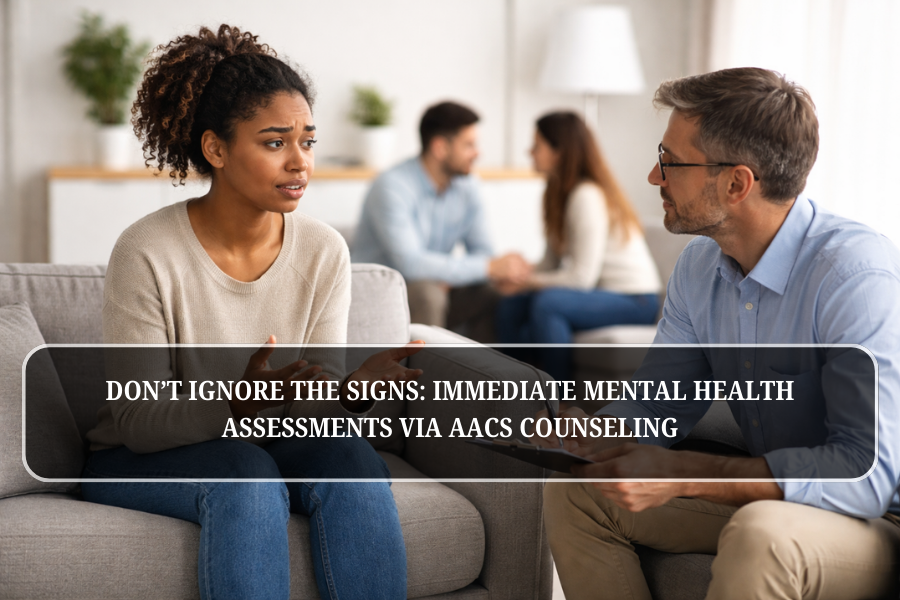
The Slow Heat: Why We Ignore the Signs
You have likely heard the metaphor of the boiling frog. If you drop a frog into a pot of boiling water, it will immediately jump out to save itself. But if you place it in lukewarm water and slowly turn up the heat, the frog doesn’t perceive the danger. It adjusts to the rising temperature until it is too late. Mental health struggles often operate on this same “slow heat” principle.
Rarely does a crisis appear out of nowhere. Instead, it begins with subtle shifts. A few nights of poor sleep turn into chronic insomnia. Occasional stress at work morphs into a persistent sense of dread on Sunday evenings. A glass of wine to unwind becomes a nightly necessity to numb out. Because these changes happen gradually, we normalize them. We tell ourselves, “I’m just tired,” or “This is just a busy season.”
This tendency to minimize our pain is a dangerous strategy. By the time the water is boiling—by the time you are experiencing a full-blown panic attack or a depressive episode—the path to recovery becomes longer and more difficult.
At AACS Counseling, we believe that a Mental Health Assessment should not be the thing you do when you are already boiling. It should be the thermometer you use to check the temperature before things get critical. It is an act of preventative self-care, a way to reclaim control before the heat becomes unbearable.
Red Flags You Shouldn’t Ignore
To stop the “slow heat,” you must be able to recognize the warning signs. Mental health issues are not invisible; they leave clues in your body, your emotions, and your thinking patterns.
However, these behavioral red flags can be easy to dismiss if you aren’t looking for them. At AACS Counseling, we categorize these signs into three distinct areas to help you identify if it is time for a professional diagnostic screening.
Physical Signs: The Body Keeps the Score
Your physical health and mental health are inextricably linked. Often, the body screams what the mind is trying to suppress.
- Sleep Disruptions: This is often the first domino to fall. Are you sleeping too much but still waking up exhausted? Or are you staring at the ceiling at 3 AM, unable to shut your brain off?
- Appetite Changes: Have you lost interest in food entirely, or are you overeating to soothe emotional distress? Significant weight fluctuation without a change in diet or exercise is a major indicator.
- Unexplained Aches: Chronic headaches, muscle tension (especially in the jaw or shoulders), and digestive issues that doctors can’t explain often have roots in anxiety or stress.
- Low Energy: A persistent feeling of lethargy or “heaviness” that a cup of coffee can’t fix.
Emotional Signs: Beyond “Just Sad”
It is normal to have bad days. It is not normal to feel stuck in a pervasive emotional state that disrupts your life.
- Irritability and Anger: If you find yourself snapping at loved ones over minor inconveniences, it may be a sign of underlying depression or anxiety.
- Numbness or Apathy: Sometimes, the warning sign isn’t sadness; it’s the absence of feeling. Losing interest in hobbies you once loved or feeling “flat” is a hallmark of psychological symptoms related to depression.
- Excessive Worry: A constant, buzzing anxiety that something bad is about to happen, even when things are going well.
- Feeling Overwhelmed: A sense that you are drowning in responsibilities, leading to tearfulness or panic over small tasks.
Cognitive Signs: The Fog of War
Mental health struggles often impair our ability to think clearly.
- Brain Fog: Difficulty focusing, forgetting appointments, or struggling to make simple decisions (like what to make for dinner).
- Racing Thoughts: A mind that won’t quiet down, jumping rapidly from one worry to the next.
- Negative Self-Talk: A persistent internal monologue that is critical, hopeless, or shaming.
- Disassociation: Feeling detached from reality, as if you are watching your life happen on a movie screen rather than living it.
The Logic of “Immediate” Assessment: Preventing the Crisis
Why the urgency? Why do we emphasize “immediate” assessment?
In medicine, we understand the concept of early intervention. You treat an infection before it becomes sepsis. You set a broken bone before it heals incorrectly. Mental health operates by the same rules. It is measurable, treatable, and responsive to early care.
The “Stages of Escalation” model illustrates why waiting is not the answer:
- Stage 1: Mild Distress (The “Yellow” Zone)
- Symptoms: Occasional sleep issues, mild worry, “Sunday Scaries.”
- Intervention: A Mental Health Assessment here creates a roadmap for lifestyle changes and light support. Recovery is often quick.
- Result: You learn coping skills and return to baseline.
- Stage 2: Moderate Impairment (The “Orange” Zone)
- Symptoms: Social withdrawal, missed deadlines, persistent anxiety, strained relationships.
- Intervention: Assessment leads to structured therapy or counseling.
- Result: You prevent the damage from spreading to your career or marriage.
- Stage 3: Severe Crisis (The “Red” Zone)
- Symptoms: Panic attacks, inability to function at work, hopelessness, substance abuse.
- Intervention: Urgent, intensive care is required.
- Result: Recovery is possible but requires significantly more time, energy, and resources.
By seeking a Mental Health Assessment at AACS Counseling immediately—when you are in the Yellow or Orange zone—you are engaging in effective mental health intervention. You are saving your future self from the pain and disruption of the Red zone.
What to Expect at AACS Counseling: Demystifying the Process
Fear of the unknown is a massive barrier. Many people avoid scheduling an assessment simply because they don’t know what will happen behind closed doors. They fear judgment, or they fear a process that feels cold and clinical.
At AACS Counseling services, we strive to make the process warm, transparent, and empowering. Here is exactly what you can expect when you reach out to us.
Step 1: The First Contact
When you visit our website or call our office, you won’t be met with a complex medical bureaucracy. You will connect with a compassionate intake coordinator who understands that making this call took courage. We will ask basic questions to match you with the right clinician for your needs.
Step 2: The Assessment Session
This is not an interrogation. It is a conversation.
- The Environment: Whether you meet us in our comfortable offices or via secure Telehealth, the space is designed to be safe and private.
- The Dialogue: Your clinician will ask about your history, your current struggles, and your goals. We want to know you, not just your symptoms. We might use standardized questionnaires to gather objective data, but your personal narrative is the most important tool we have.
- The Atmosphere: You can expect empathy, not judgment. We have heard it all, and nothing you say will shock us. We are here to help, not to critique.
Step 3: The “Debrief” and Roadmap
We don’t just hand you a diagnosis and send you on your way. The most important part of the assessment is the feedback session.
- Clarifying the “Why”: We help you connect the dots. “You aren’t just lazy; you are experiencing executive dysfunction caused by high-functioning anxiety.”
- The Action Plan: We collaborate on a treatment plan. This isn’t a life sentence; it’s a strategy. It might include cognitive-behavioral therapy (CBT), stress management techniques, or referrals for medication management if needed.
Overcoming the Barrier of Fear
Even when you know you need help, fear can paralyze you. It is the voice that whispers, “What if?”
“What if I can’t afford it?”
Mental health care is an investment, but the cost of untreated mental illness—in lost wages, medical bills for physical ailments, and damaged relationships—is far higher. We offer transparent pricing and work with various insurance plans to make care accessible.
“I don’t have time.”
This is the “slow heat” trap again. If you don’t make time for your wellness, you will eventually be forced to make time for your illness. An assessment takes one hour. A breakdown can take months to recover from.
“What if they find something ‘wrong’ with me?”
This is the most common fear. We worry that a diagnosis confirms we are “broken.”
Let’s reframe this: A Mental Health Assessment doesn’t create the problem; it identifies it so you can solve it.
If you had a persistent pain in your foot, an X-ray revealing a fracture would be a relief. It would explain the pain and tell you how to heal it. A psychological assessment does the exact same thing. It validates your experience. It proves that your struggle is real, it has a name, and most importantly, it has a solution.
Checklist: Should I Get an Assessment?
If you are still on the fence, use this checklist. If you check more than three of these boxes, it is a strong indicator that you should schedule an appointment with AACS Counseling today.
- Sleep has become a battle: You are chronically tired or can’t fall asleep/stay asleep.
- Your fuse is short: You are snapping at people you love for reasons that feel small later.
- Work feels impossible: You stare at your screen unable to focus, or you feel dread about going in.
- You have lost your spark: Hobbies, friends, or activities you used to love now feel like chores.
- You are self-medicating: You are using food, alcohol, scrolling, or substances to numb out.
- Your body hurts: Unexplained headaches, stomach issues, or tension.
- You feel “stuck”: A pervasive sense of hopelessness or feeling trapped in your life.
- Others have noticed: A friend or partner has asked, “Are you okay?” or commented on your mood.
- You are “white-knuckling” it: You feel like you are barely holding it together every day.
Frequently Asked Questions
Q: Do I need a referral from a doctor to get an assessment?
A: generally, no. You can reach out to AACS Counseling directly to schedule an assessment. However, check your specific insurance plan as some may require a referral for coverage.
Q: Is the assessment confidential?
A: Absolutely. We adhere to strict HIPAA regulations. What you share with us stays with us, with very rare exceptions related to immediate safety (harm to self or others).
Q: How long does an assessment take?
A: A typical initial assessment session lasts between 60 to 90 minutes.
Q: Can I do the assessment online?
A: Yes! We offer secure, HIPAA-compliant Telehealth assessments for your convenience and comfort.
Q: What happens if I get a diagnosis I don’t agree with?
A: Assessment is a collaborative process. We encourage open dialogue. If you have questions or concerns about a diagnosis, we want to discuss them. You are the expert on your life; we are the experts on clinical patterns. Together, we find the truth.
Conclusion: Clarity is Kindness
Ignoring the signs doesn’t make them go away; it just allows the water to get hotter.
You have been resilient for a long time. You have pushed through, masked the pain, and tried to handle it all on your own. But you don’t have to keep swimming in boiling water.
A Mental Health Assessment is the kindest thing you can do for yourself. It is the moment you stop guessing and start knowing. It is the moment you put down the heavy weight of “not knowing what’s wrong” and pick up a roadmap to feeling better.
AACS Counseling is ready to walk this path with you. We offer the expertise, the empathy, and the safe space you need to find clarity.
Don’t wait for the crisis. Choose yourself today. Schedule Your Confidential Assessment with AACS Counseling Now