DOT SAP Program Archives - Page 8 of 32 - AACS Counseling

Psychological Evaluations for Immigration Hardship Waivers

Immigration proceedings are among the most stressful experiences a family can face. The fear of separation, the complexity of legal paperwork, and the uncertain timeline can take a massive toll on mental health. For many families, the key to keeping a loved one in the United States lies in proving “extreme hardship.”

This is where a psychological evaluation becomes critical. It serves as objective evidence of the emotional and psychological impact separation would have on a qualifying relative (usually a U.S. citizen or Lawful Permanent Resident).

In 2026, the process for these evaluations has evolved. Families no longer need to find a local specialist in their specific zip code. Through secure, 50-state immigration evaluations, qualified clinicians can now conduct these assessments virtually, ensuring that applicants everywhere—from rural towns to major cities—have access to high-quality forensic mental health services.

This guide provides a comprehensive look at the Immigration Hardship Waiver Assessment process, explaining how to navigate USCIS requirements, the role of virtual assessments, and the specific needs of VAWA and U-Visa cases.

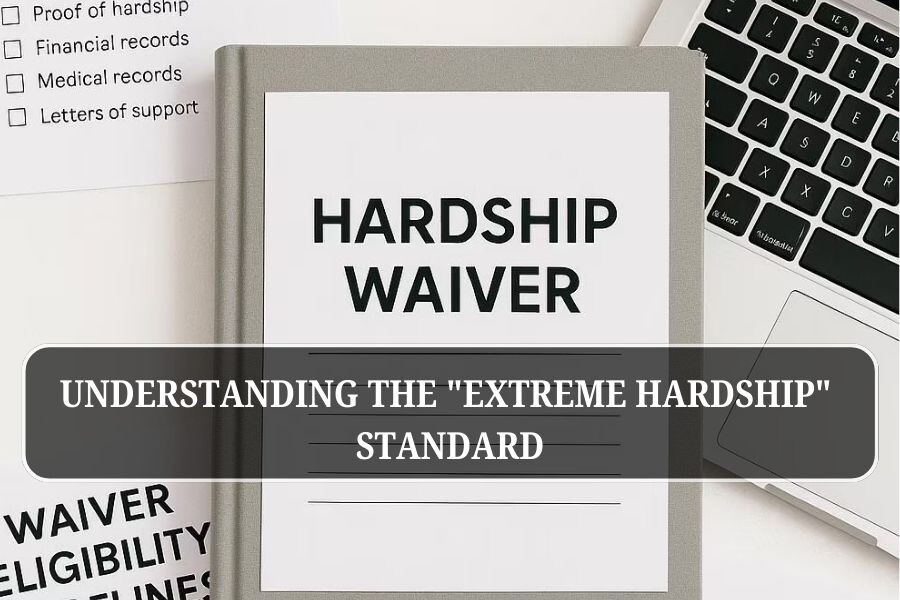
Understanding the “Extreme Hardship” Standard

To qualify for an I-601 or I-601A waiver, an applicant must demonstrate that their qualifying relative would suffer “extreme hardship” if the applicant were denied admission to the United States.

It is important to understand that USCIS (United States Citizenship and Immigration Services) considers standard hardship—such as missing a spouse or the financial cost of relocation—to be a normal consequence of deportation. To meet the threshold for a waiver, you must prove that the suffering goes beyond the common results of separation.

Defining Extreme Hardship

There is no single definition of extreme hardship in the statute, but case law and USCIS policy manuals point to several factors that are weighed in totality. A strong Extreme Hardship Psychological Evaluation will investigate and document the following areas:

  1. Mental Health Impacts: Does the qualifying relative suffer from depression, anxiety, or PTSD? Would separation exacerbate these conditions to a dangerous degree?
  2. Medical Conditions: Does the relative require care that only the applicant can provide? Would moving abroad to be with the applicant compromise the relative’s medical care?
  3. Financial Consequences: Would the loss of the applicant’s income lead to poverty, loss of housing, or an inability to pay for essential needs?
  4. Educational Impact: Would the relative (or their children) lose access to special education services or higher education opportunities?
  5. Country Conditions: If the relative were forced to relocate, would they face danger, war, or persecution in the applicant’s home country?

The Role of the Psychologist

A clinical psychologist or licensed clinical social worker (LCSW) does not decide if the hardship is “extreme”—that is the job of the immigration officer. Instead, the clinician’s role is to provide a detailed, clinical roadmap of the suffering.

Using standardized psychological testing and clinical interviews, the evaluator connects the dots. They don’t just say, “The spouse is sad.” They explain, “The spouse meets the clinical criteria for Major Depressive Disorder, Recurrent, Severe. Their condition has historically deteriorated without the support of the applicant, and separation poses a significant risk of hospitalization.” This clinical specificity is what transforms a personal story into powerful legal evidence.

The Virtual Assessment Process: Access Across 50 States

Historically, finding a therapist trained in forensic immigration evaluations was difficult. If you lived outside of a major immigration hub like Los Angeles, New York, or Miami, you might have had to travel hours to find an expert.

Today, telehealth has democratized access to justice. USCIS clinical assessment guidelines allow for evaluations to be conducted via secure video conferencing, provided the clinician is licensed and follows ethical standards. This means a family in rural Wyoming can work with a top-tier forensic expert based in Chicago.

How Virtual Evaluations Work

The process for a virtual evaluation is rigorous and mirrors an in-person visit, with added convenience.

  1. Identity Verification: At the start of the video call, the clinician will verify the identity of the person being evaluated using government-issued ID. This ensures the integrity of the process for USCIS.
  2. Secure Technology: All sessions are conducted on HIPAA-compliant video platforms. These platforms use end-to-end encryption to protect sensitive legal and medical information.
  3. The Clinical Interview: This is a deep-dive conversation, usually lasting 2 to 4 hours (sometimes split into two sessions). The clinician will ask about family history, the relationship history, traumatic experiences, and daily functioning.
  4. Digital Psychological Testing: Many standardized tests used to measure anxiety, depression, and trauma are now available in secure digital formats. The applicant can complete these on their computer or tablet under the clinician’s observation.

Advantages of the Virtual Model

  • Reduced Anxiety: Being in a home environment can make it easier for applicants to open up about traumatic or painful subjects.
  • No Travel Required: This removes a significant barrier for families who may not have reliable transportation or cannot afford to take a full day off work.
  • Flexible Scheduling: Virtual providers often offer evening or weekend appointments to accommodate working families.
  • Wider Selection of Experts: You can choose an evaluator based on their experience with your specific type of case (e.g., specific country conditions or medical knowledge) rather than just their location.

Psychological Evaluations for VAWA Cases

The Violence Against Women Act (VAWA) allows certain non-citizens who have been abused by a U.S. citizen or Lawful Permanent Resident spouse (or parent/child) to self-petition for legal status. This protects victims from being forced to stay in abusive relationships out of fear of deportation.

The Unique Nature of VAWA Evaluations

A VAWA evaluation differs significantly from a hardship waiver. In a hardship case, the focus is on the future impact of separation. In a VAWA case, the focus is on the past and present impact of abuse.

The “abuse” defined by VAWA includes physical violence, but it also encompasses “extreme cruelty.” This can include psychological manipulation, isolation, financial control, and threats of deportation.

A forensic evaluator in a VAWA case looks for the psychological sequelae of abuse. They document symptoms consistent with:

  • Battered Spouse Syndrome
  • Post-Traumatic Stress Disorder (PTSD)
  • Complex Trauma
  • Depression and Anxiety related to chronic fear

The evaluation serves as a vital piece of evidence, especially when there are no police reports or medical records of physical injury. The psychologist’s report validates the victim’s narrative, explaining how the abuser’s behavior constitutes “extreme cruelty” from a clinical perspective.

Psychological Evaluations for U-Visas

The U-Visa is designed for victims of certain crimes who have suffered mental or physical abuse and are helpful to law enforcement in the investigation or prosecution of criminal activity.

Proving Substantial Physical or Mental Abuse

To qualify for a U-Visa, the victim must demonstrate that they suffered “substantial physical or mental abuse” as a result of the crime. A USCIS clinical assessment for a U-Visa focuses heavily on the trauma caused by the specific criminal event (e.g., domestic violence, sexual assault, trafficking, felonious assault).

The evaluator assesses the long-term impact of the crime on the victim’s life.

  • Has the victim developed phobias related to the crime?
  • Do they suffer from flashbacks or nightmares?
  • Has their ability to work or parent been compromised by the trauma?

Because U-Visa cases often involve cooperation with police, the evaluation may also address how the victim’s trauma affects their ability to recall events or participate in the legal process.

Remote Immigration Testimony in 2026

As we move deeper into the digital age, the courtroom itself is changing. In 2026, the trend of ‘Remote Immigration Testimony’ has gained significant traction. Immigration courts, which are often backlogged, have increasingly adopted video teleconferencing (VTC) for hearings.

This shift has major implications for psychological evaluations.

The Evaluator as an Expert Witness

In some complex cases, a written report is not enough. An attorney may call the psychologist to testify as an expert witness to explain their findings or rebut a government challenge.

With remote testimony becoming standard, forensic experts can now testify in courts across the country without flying to the location. This reduces the cost for the applicant significantly. Instead of paying for an expert’s flight, hotel, and travel time, the family only pays for the hour the expert is on the screen.

Preparing for Remote Scrutiny

However, remote testimony requires high-quality preparation.

  • Tech Readiness: The evaluator must have professional lighting, high-quality audio, and a stable connection to maintain credibility. A pixelated or glitchy feed can subtly undermine the expert’s authority.
  • Document Access: During remote testimony, the expert needs to have instant access to their notes and the DSM-5-TR standards on their screen to answer cross-examination questions precisely.
  • Virtual Etiquette: Professional demeanor on camera is essential. The evaluator must look directly at the camera lens (simulating eye contact with the judge) rather than at the screen.

When choosing a provider for 50-state immigration evaluations, ask them about their experience with remote testimony. An evaluator who is comfortable and authoritative on video can be a decisive asset in a contested hearing.

Selecting the Right Evaluator for Your Case

Not every therapist is qualified to write an Immigration Hardship Waiver Assessment. A clinical therapist focuses on treatment and healing. A forensic evaluator focuses on assessment, objectivity, and legal standards.

When looking for a professional, consider the following checklist:

1. License and Jurisdiction

Ensure the provider is a licensed mental health professional (Psychologist, LCSW, LPC, or LMFT). While 2026 regulations often allow for interstate practice via compacts (like PSYPACT for psychologists), you must verify that the clinician is authorized to evaluate a client in your specific state.

2. Forensic Training

Ask specifically about their training in immigration evaluations. Have they been trained on the nuances of the I-601 waiver? Do they understand the specific legal definitions of “extreme hardship” versus “exceptional and extremely unusual hardship”? A general therapist may write a letter that is supportive but legally weak.

3. Report Quality and Turnaround

Ask to see a sample (redacted) report. A strong report should be 12-20 pages long, citing specific academic research, DSM-5-TR criteria, and detailed personal history. Also, confirm their turnaround time. Immigration deadlines are strict; you cannot afford to wait six weeks for a report when your filing date is in two weeks.

4. Language Access

If the applicant or qualifying relative does not speak English fluently, it is vital to have an evaluation conducted in their native language or with a certified interpreter. Nuance is everything in these interviews. A clinician who relies on family members to interpret violates ethical standards and risks producing an inaccurate report. Many nationwide firms now offer bilingual clinicians or integrated professional interpretation services.

Conclusion: Empathy Meets Evidence

The journey to legal status is rarely easy, but you do not have to walk it without support. An Extreme Hardship Psychological Evaluation is more than just a document; it is an opportunity to have your story heard, validated, and professionally documented.

In 2026, the barriers to accessing this critical service have lowered. With the rise of 50-state immigration evaluations via secure telehealth, families across the nation can access the expertise they need to present the strongest possible case to USCIS.

Whether you are filing for an I-601 hardship waiver, a VAWA petition, or a U-Visa, remember that the “hardship” you feel is real. The goal of a forensic evaluation is to translate that human reality into the legal language that decision-makers understand. By partnering with a qualified, empathetic, and tech-savvy forensic evaluator, you are taking a powerful step toward keeping your family together.

Next Steps for Applicants

  1. Consult Your Immigration Attorney: Before booking an evaluation, confirm which waiver you are applying for and who the “qualifying relative” is.
  2. Gather Medical Records: If your relative has physical health issues, gather those records now. The psychologist will need to review them to integrate them into the mental health report.
  3. Find a Forensic Specialist: Search for clinicians who specialize specifically in immigration law. Look for “immigration evaluation” or “forensic psychologist” rather than just “counselor.”
  4. Prepare for the Interview: Be ready to discuss difficult topics. It is normal to cry or feel emotional during the assessment. A good evaluator will create a safe, non-judgmental space for you to share your story.

Legal Consequences of Ignoring or Delaying the DOT SAP Program

Introduction: DOT Rules Are Federal Law, Not Optional Guidelines

If you fail or refuse a DOT-regulated drug or alcohol test, the DOT SAP Program becomes a legal requirement. It is not a suggestion, and it is not optional.

However, many drivers delay the SAP process because they feel overwhelmed or confused. As a result, they unknowingly create bigger legal problems than the original violation.

Because the DOT SAP Program is governed by federal law (49 CFR Part 40), ignoring or delaying it can lead to serious consequences. For this reason, understanding the legal risks of non-compliance is critical for protecting your CDL and long-term career.

Can You Work Without Completing the DOT SAP Program?

❌ Short Answer: No, Not in a Safety-Sensitive Role

Under DOT Return-to-Duty law, drivers and safety-sensitive employees are legally prohibited from working until the SAP process is completed.

However, some drivers believe they can continue working while “sorting things out.” Unfortunately, this misunderstanding often leads to severe penalties.

For example, if an employer allows safety-sensitive work without RTD clearance, both the employer and the driver may face compliance violations. As a result, many companies immediately remove drivers from duty to avoid legal exposure.

👉 Working without SAP completion is a direct violation of DOT regulations.

CDL Suspension vs CDL Disqualification: What’s the Legal Difference?

A CDL suspension is usually temporary. In most cases, it can be lifted once the SAP Program is completed correctly.

In contrast, CDL disqualification is more serious. It may occur due to repeated violations, refusal to test, or ongoing non-compliance with SAP requirements.

Because delays often signal continued risk, ignoring the DOT SAP Program increases the chance of disqualification. Therefore, timely compliance is often the best way to protect your CDL status.

👉 Delays can turn a temporary suspension into a long-term career setback.

Employer Legal Liability for DOT SAP Non-Compliance

DOT compliance is not only the driver’s responsibility. Employers also carry legal obligations.

For instance, employers may face penalties if they:

  • Allow safety-sensitive work without RTD clearance
  • Fail to check FMCSA Clearinghouse status
  • Ignore follow-up testing requirements
  • Use non-DOT-qualified SAP providers

As a result, many employers refuse to hire drivers with unresolved SAP violations. This decision is not personal. Instead, it is a legal safeguard.

👉 Employer caution is driven by federal compliance rules, not lack of trust.

FMCSA Clearinghouse: Permanent Record Risks You Must Know

Once a DOT violation is entered into the FMCSA Drug & Alcohol Clearinghouse, it does not disappear automatically.

Instead, the record remains visible until:

  • The SAP process is completed
  • RTD eligibility is granted
  • Required updates are properly reported

Because of this, delaying the SAP Program keeps your status marked as “Prohibited.” As a result, employers nationwide can see the unresolved violation.

Most importantly, Clearinghouse records follow you across states and employers. Therefore, ignoring SAP requirements can damage your job prospects long after the original incident.

What Happens If You Quit the SAP Program Halfway?

Stopping the SAP Program before completion is treated as non-compliance under DOT rules.

In this situation:

  • RTD eligibility is denied
  • Clearinghouse status remains unresolved
  • Employers are legally blocked from hiring you

Although you can restart the process later, delays often mean additional evaluations or repeated treatment. Consequently, quitting halfway usually makes the situation worse.

👉 Partial compliance is not accepted under FMCSA SAP compliance rules.

DOT SAP Compliance Rules You Cannot Skip

To remain legally compliant, the DOT SAP Program requires:

  • An initial SAP evaluation
  • Completion of all recommended treatment or education
  • A follow-up SAP evaluation
  • A negative Return-to-Duty test
  • A follow-up testing plan (up to 5 years)

Skipping any step creates legal non-compliance. Therefore, it is essential to follow the SAP plan exactly as written.

Why Legal Awareness Protects Your CDL and Career

Most drivers do not lose their CDL because of the test itself. Instead, they lose it because they delay action or misunderstand DOT rules.

By understanding the legal consequences of the DOT SAP Program, you can:

  • Avoid long-term Clearinghouse damage
  • Protect your CDL status
  • Improve employer trust
  • Return to work faster and legally

Ultimately, knowledge reduces risk.

Why Drivers Trust AACSCounseling.com

At AACSCounseling.com, we focus on compliance-first guidance. We help drivers:

✔ Understand DOT legal requirements
✔ Complete SAP evaluations correctly
✔ Avoid costly delays and mistakes
✔ Navigate FMCSA Clearinghouse reporting
✔ Protect long-term employability

Our DOT-qualified SAP professionals provide clear, lawful, and supportive guidance from start to finish.

Final Thoughts: Delay Equals Legal Risk

The DOT SAP Program is enforced under federal law. Ignoring or delaying it increases legal exposure for both drivers and employers.

However, timely compliance protects your CDL, career, and future job opportunities.

👉 If you’ve had a DOT violation, the safest legal move is to begin the SAP Program immediately and complete it correctly.

Refrence:

DOT SAP Program Mistakes That Delay or Deny RTD Clearance

Introduction: Why So Many RTD Processes Fail

Failing or refusing a DOT drug or alcohol test doesn’t end your career—but making mistakes during the DOT SAP Program can.

Every year, thousands of CDL drivers and safety-sensitive employees experience:

  • Delayed RTD clearance
  • Denied SAP evaluations
  • Clearinghouse blocks
  • Lost job offers

Most of these problems aren’t caused by the violation itself—but by avoidable mistakes during the DOT SAP Program.

This guide breaks down the most common DOT SAP Program mistakes that delay or deny Return-to-Duty (RTD) clearance, what happens when they occur, and how to avoid restarting the process.

Mistake #1: Choosing the Wrong SAP Provider

❌ What Goes Wrong

Many drivers unknowingly choose:

  • Non-DOT counselors
  • General substance abuse therapists
  • Court-approved evaluators
  • Online “cheap SAP” services without DOT credentials

🚫 Why This Is a Serious Problem

Only DOT-qualified SAPs listed under 49 CFR Part 40 are legally allowed to:

  • Conduct SAP evaluations
  • Recommend treatment
  • Clear you for RTD

If your SAP is not DOT-certified:

  • Your SAP evaluation may be rejected
  • Employers cannot accept your RTD clearance
  • You may have to start over completely

✅ How to Avoid It

Always verify your SAP provider:

  • Is DOT-qualified
  • Understands FMCSA Clearinghouse reporting
  • Has experience with RTD cases

👉 Using the wrong SAP is one of the top reasons the RTD process gets denied.

Mistake #2: Skipping or Incompletely Following SAP Recommendations

❌ What Drivers Often Do

  • Stop treatment early
  • Skip required education sessions
  • Switch treatment providers without SAP approval
  • Assume partial completion is “good enough”

🚫 What Happens Next

DOT rules require 100% compliance with SAP recommendations.

If you skip steps:

  • Your SAP cannot issue RTD eligibility
  • Follow-up evaluation will be marked non-compliant
  • Clearinghouse updates may stall indefinitely

✅ How to Avoid It

  • Follow the SAP treatment plan exactly
  • Keep documentation of completion
  • Communicate with your SAP before making changes

👉 Incomplete compliance = delayed or denied RTD clearance.

Mistake #3: Incorrect or Missing SAP Paperwork

❌ Common Paperwork Errors

  • Missing signatures
  • Incorrect violation details
  • Incomplete treatment completion proof
  • Mismatched names or DOT numbers

🚫 Why Paperwork Errors Are Dangerous

DOT audits rely heavily on documentation.

Incorrect SAP paperwork can result in:

  • SAP evaluation denial
  • Employer rejection
  • Clearinghouse status stuck as “Prohibited”
  • Audit failures for employers

✅ How to Avoid It

Certified SAP providers:

  • Review all documentation
  • Ensure DOT-compliant formatting
  • Submit reports correctly and on time

👉 Paperwork mistakes are one of the most overlooked DOT SAP clearance problems.

Mistake #4: FMCSA Clearinghouse Reporting Errors

❌ Where Things Go Wrong

Drivers assume:

  • Employers will handle Clearinghouse updates
  • SAP reports automatically sync
  • Errors will “fix themselves”

None of that is true.

🚫 Consequences of Clearinghouse Errors

If milestones aren’t reported correctly:

  • Employers can’t legally return you to duty
  • Job offers may be withdrawn
  • Your CDL remains blocked

Common issues include:

  • Late reporting
  • Incorrect status updates
  • Missing follow-up evaluation confirmation

✅ How to Avoid It

Work with a SAP provider who:

  • Actively manages Clearinghouse reporting
  • Understands milestone timelines
  • Confirms RTD eligibility is visible

👉 Clearinghouse errors are a top reason RTD processes get delayed even after treatment is complete.

Mistake #5: Using a Non-DOT Counselor Instead of a SAP

❌ Why Drivers Make This Mistake

  • Court recommends a counselor
  • Employer EAP referral
  • State DUI program participation

🚫 Why DOT Rejects These Evaluations

Non-DOT counselors:

  • Cannot report to Clearinghouse
  • Cannot approve RTD
  • Cannot issue follow-up testing plans

Even if treatment is completed, DOT will not recognize it without a SAP evaluation.

✅ Correct Approach

Non-DOT treatment is only valid if:

  • Approved by a DOT-qualified SAP
  • Completed as part of a SAP-directed plan

👉 DOT SAP evaluations are not interchangeable with court or private counseling.

Mistake #6: Employer Missteps That Delay RTD Clearance

❌ Employer Errors Include

  • Allowing work before RTD authorization
  • Failing to schedule RTD test
  • Misunderstanding follow-up testing requirements
  • Not verifying Clearinghouse status

🚫 Impact on Drivers

Employer mistakes can:

  • Invalidate RTD eligibility
  • Trigger compliance violations
  • Delay return to safety-sensitive duties

✅ What Helps

Certified SAP providers often:

  • Educate employers
  • Coordinate RTD timelines
  • Ensure compliance on both sides

👉 Even compliant drivers can be delayed by employer SAP mistakes.

What to Do If Your RTD Process Is Delayed or Denied

If you’re experiencing:

  • SAP evaluation denial
  • RTD clearance delays
  • Clearinghouse confusion

Take action immediately:

  1. Confirm SAP credentials
  2. Review treatment compliance
  3. Verify Clearinghouse status
  4. Request a SAP review

Delays only worsen outcomes.

Why Drivers Trust AACSCounseling.com

At AACSCounseling.com, we specialize in helping drivers:
✔ Avoid DOT SAP Program mistakes
✔ Fix delayed or denied RTD cases
✔ Navigate Clearinghouse correctly
✔ Complete SAP evaluations the right way
✔ Return to work legally and faster

We work only with DOT-qualified, experienced SAP professionals who understand what goes wrong—and how to fix it.

Final Thoughts

The DOT SAP Program is strict by design.
But most RTD delays and denials are preventable.

By avoiding these common DOT SAP Program mistakes, you protect:

  • Your CDL
  • Your career
  • Your future employability

👉 If your RTD process feels stuck, confused, or denied—don’t guess. Get expert SAP guidance immediately.

Refrence:

Who is Subject to DOT Drug Testing? The 2026 Guide

The term “safety-sensitive” can be misleading. Many people believe it only applies to specific job titles, like “pilot” or “truck driver.” However, the U.S. Department of Transportation (DOT) defines it much more broadly. A safety-sensitive position is determined by the functions you perform, not what your business card says. If your role involves tasks that could impact public safety, you are likely subject to DOT drug and alcohol testing regulations.

Understanding whether your duties fall under this classification is critical. A drug or alcohol violation in a safety-sensitive role has serious consequences, including the mandatory requirement to complete the return-to-duty process with a DOT-qualified Substance Abuse Professional (SAP). This guide provides a comprehensive DOT safety sensitive functions list for 2026, helping you determine if your position is regulated and what happens if a violation occurs.

The Core Principle: Function, Not Title

Before we dive into the specific agencies, let’s reinforce the main idea. The DOT’s primary concern is public safety. It has identified specific tasks across transportation industries that, if performed while under the influence of drugs or alcohol, could lead to catastrophic accidents.

Therefore, you could be an aircraft mechanic, a pipeline controller, or a train dispatcher and still be considered a safety-sensitive employee. If you perform even one of the designated safety-sensitive functions—even infrequently—you are covered by DOT testing rules. This is why knowing who needs an SAP evaluation after a violation is essential for both employees and employers.

DOT Drug Testing by Agency

The DOT delegates oversight to six key agencies, each with its own set of rules defining safety-sensitive work. A positive test result or refusal to test under any of these agencies will trigger the need for an SAP evaluation.

Federal Motor Carrier Safety Administration (FMCSA)

The FMCSA regulates commercial motor vehicles (CMVs), primarily focusing on the trucking and bus industries. You are performing FMCSA safety sensitive duties if you operate a CMV that requires a Commercial Driver’s License (CDL).

This includes anyone who is on duty and responsible for:

  • Driving: Operating a CMV on public roads. This includes vehicles with a gross weight of 26,001 pounds or more, vehicles designed to transport 16 or more passengers (including the driver), or vehicles of any size used to transport hazardous materials.
  • Waiting to be Dispatched: A driver waiting for a load is considered on duty.
  • Inspecting Equipment: Performing pre-trip or post-trip vehicle inspections.
  • Loading and Unloading: Supervising or assisting in the loading or unloading of the vehicle, and ensuring the cargo is properly secured.
  • Repairing: Performing or supervising maintenance and repairs on a vehicle while on the road.

Federal Aviation Administration (FAA)

The FAA oversees civil aviation, and its rules cover a wide range of personnel beyond just pilots. A common search, “FAA drug test violation,” highlights the severe consequences for anyone in these roles.

Safety-sensitive functions under the FAA include:

  • Flight Crew Members: Pilots, flight engineers, and flight navigators.
  • Flight Attendants: Responsible for cabin safety and passenger security.
  • Aircraft Dispatchers: Individuals who exercise operational control over a flight.
  • Aircraft Maintenance and Preventive Maintenance: Anyone who performs, supervises, or inspects maintenance or overhaul of an aircraft. This includes technicians and inspectors.
  • Ground Security Coordinators: Personnel responsible for security screening and procedures on the ground.
  • Air Traffic Controllers: Employees at FAA facilities or contract towers who control the movement of air traffic.
  • Operations Control Specialists: Individuals who initiate, conduct, or terminate flights.

Federal Railroad Administration (FRA)

The FRA governs the safety of the nation’s railway systems. Its regulations apply to employees whose actions could endanger train operations or public safety.

Regulated service positions include:

  • Engine and Train Service: Conductors, brakemen, switchmen, and locomotive engineers who are involved in the movement of a train.
  • Dispatching: Employees who dispatch train movements (dispatchers and operators).
  • Signal Service: Workers who install, repair, or maintain signal systems.
  • Train and Engine Crew for Tourist Railroads: Even scenic or tourist railroad operations fall under these rules if they are part of the general railroad system of transportation.

Federal Transit Administration (FTA)

The FTA oversees public transportation systems, including buses, subways, light rail, and ferries. Safety-sensitive employees are those who operate, dispatch, or maintain revenue service vehicles.

These functions include:

  • Operating a Revenue Service Vehicle: This applies whether the vehicle is in service or not.
  • Controlling Dispatch or Movement: Employees who control the movement of revenue service vehicles, such as transit police or dispatchers.
  • Maintaining Vehicles: Mechanics and other personnel who perform maintenance or repairs on revenue service vehicles or equipment.
  • Armed Security Personnel: Any employee who carries a firearm for security purposes.

Pipeline and Hazardous Materials Safety Administration (PHMSA)

PHMSA regulates the safe transport of gas and hazardous liquids through pipelines. Given the potential for disaster, its definition of safety-sensitive is very specific.

Safety-sensitive functions include:

  • Operations, Maintenance, and Emergency Response: Anyone who performs an operation, maintenance, or emergency-response function on a pipeline or at a liquefied natural gas (LNG) facility.
  • Patrolling: Inspecting pipelines to prevent and detect leaks or damage.
  • Controlling and Monitoring: Working in a control room to monitor pipeline pressure, flow, and temperature.

U.S. Coast Guard (USCG)

The USCG oversees maritime safety and requires drug and alcohol testing for any “crewmember” on a U.S.-flagged commercial vessel. This is a broad definition that goes beyond the vessel’s captain.

A crewmember is defined as any individual engaged or employed in any capacity on board a vessel, whose duties are vital to the safe operation of the vessel. This includes:

  • Navigating and Operating the Vessel: Captains, mates, pilots, and operators.
  • Engineering Functions: Chief engineers and other engineering officers responsible for the vessel’s propulsion and systems.
  • Deckhands and Able Seamen: Individuals involved in mooring, docking, and other vessel operations.
  • **All other individuals whose failure to perform their duties could jeopardize the vessel’s safety or the marine environment.

When Is an SAP Evaluation Required?

If you perform any of the functions listed above and have a DOT drug or alcohol rule violation, you will be immediately removed from your safety-sensitive duties. You cannot return to any DOT-regulated safety-sensitive role, for any employer in any transportation industry, until you have successfully completed the return-to-duty process with a qualified SAP. This process involves an initial evaluation, a prescribed plan of education and/or treatment, and a follow-up evaluation.

Navigating these regulations can be complex. The definitions are specific, and the consequences of a violation are significant. Ensuring compliance is not just about following rules—it’s about protecting lives.

Unsure if your role is DOT-regulated? Contact our compliance experts for a consultation.

Failed a DOT Drug Test? Meet With a Qualified Counselor Today & Get Back to Work

Failing a DOT drug test can feel like your career has come to a sudden stop—but it doesn’t have to end there. Thousands of CDL drivers, safety-sensitive employees, and transportation professionals successfully return to duty every year by completing the DOT SAP Program with a qualified Substance Abuse Professional (SAP Evaluation).

If you’ve failed a DOT drug test, meeting with a certified DOT counselor is your first and most critical step toward getting your job—and your future—back on track.

What Happens After You Fail a DOT Drug Test?

Under FMCSA and DOT regulations, a failed drug or alcohol test immediately removes you from safety-sensitive duties. You cannot legally drive or work in a DOT-regulated position until you complete the DOT Return-to-Duty (RTD) process.

Here’s what DOT requires:

  • Immediate removal from duty
  • A DOT SAP evaluation
  • Completion of recommended education or treatment
  • A follow-up SAP evaluation
  • A Return-to-Duty drug test
  • Follow-up testing plan (up to 60 months)

Skipping any step can result in long-term career damage.

Why You Must Meet With a Qualified DOT SAP Counselor

A DOT-qualified Substance Abuse Professional (SAP) is the only authority allowed to:

  • Evaluate your case
  • Recommend the correct treatment or education
  • Approve your eligibility to return to duty

⚠️ Important:

Not all counselors are DOT-qualified. Choosing the wrong provider can delay or invalidate your return-to-duty process.

At AACS Counseling, our SAPs are:
✔ FMCSA-compliant
✔ Fully certified
✔ Experienced with CDL & DOT cases
✔ Approved nationwide (telehealth options available)

Step-by-Step Assistance From Start to Finish

We understand that failing a DOT drug test is stressful. That’s why we provide clear, step-by-step guidance so nothing is missed.

Our DOT SAP Process Includes:

  1. Initial SAP Evaluation (confidential & judgment-free)
  2. Customized treatment or education plan
  3. Documentation & compliance tracking
  4. Follow-Up SAP Evaluation
  5. RTD eligibility clearance
  6. Employer & Clearinghouse guidance

You’re never left guessing what comes next.

Confidential Counseling You Can Trust

Your privacy matters. All DOT SAP evaluations and counseling sessions are:

  • 100% confidential
  • HIPAA-compliant
  • Handled professionally without stigma

Failing one test does not define your career—how you respond does.

Failed a DOT Drug Test? Time Matters More Than You Think

Delaying your SAP evaluation can:

  • Prolong unemployment
  • Increase financial stress
  • Create Clearinghouse complications
  • Make employers hesitant to hire

The faster you start, the faster you can return to work.

Easy EMI Payment Options – Start Without Financial Stress

We believe financial hardship should never block compliance.

That’s why we offer:
✔ Affordable SAP evaluation packages
Easy EMI payment options
✔ No hidden fees
✔ Transparent pricing

You can start today, even if money is tight.

Why Choose AACS Counseling for DOT SAP Evaluation?

✔ Nationwide service across the U.S.
✔ Experienced DOT SAP counselors
✔ Fast appointment availability
✔ Telehealth & in-person options
✔ Employer-trusted documentation
✔ Proven success helping drivers return to duty

👉 Learn more about our DOT SAP Evaluation services

Frequently Asked Questions

Can I still work after failing a DOT drug test?

No. DOT regulations prohibit safety-sensitive work until the SAP process is completed.

How long does the DOT SAP program take?

It varies by individual, but starting early significantly reduces delays.

Will this permanently affect my CDL?

No—if you complete the SAP program correctly and remain compliant.

Failed a DOT Drug Test? Take Control Today

Don’t let one mistake derail your career.

✔ Confidential counseling
✔ Step-by-step expert assistance
✔ Quick & reliable help
✔ Easy EMI payment options

Meet with a Qualified DOT Counselor Today

Start your DOT SAP evaluation now and move forward with confidence.

DOT SAP Evaluation & DOT SAP Program: Fastest Return-to-Duty Process in 2026 | AACS Counseling

The DOT SAP Evaluation is a required step for CDL drivers who test positive for drugs or alcohol under federal regulation. In 2026, the DOT SAP Program continues to be the only FMCSA-approved path for returning to safety-sensitive duty. At AACS Counseling, we help drivers complete the process faster, easier, and with full compliance—so you can get back to work as soon as possible.

Whether you’re a driver who just failed a test, an employer needing compliance support, or a driver returning to duty after years away, this guide outlines exactly what to expect in 2026.

What Is a DOT SAP Evaluation? (2026 Definition)

A DOT SAP Evaluation is a mandatory clinical assessment led by a Substance Abuse Professional. During this evaluation, the SAP determines:

  • What caused the violation
  • Your level of risk
  • What treatment or education is required
  • When you are eligible to return to safety-sensitive work

No driver can return to duty without completing this process.

What Is Included in the DOT SAP Program in 2026?

The DOT SAP Program consists of:

1️⃣ Initial SAP Evaluation

A licensed evaluator completes your clinical assessment (telehealth or in-person).

2️⃣ Personalized Treatment Plan

May include education, counseling, or treatment requirements.

3️⃣ Follow-up Evaluation

SAP confirms whether you completed the process successfully.

4️⃣ RTD Drug Test

Must be negative before reinstatement.

5️⃣ Follow-up Testing Plan

SAP creates a mandatory testing schedule for up to 5 years.

The DOT SAP Program ensures driver safety, federal compliance, and long-term recovery success.

How AACS Counseling Provides the Fastest Return-to-Duty Program (2026 Update)

Most CDL drivers want one thing—to get back to work fast.
AACS Counseling offers:

✔ Immediate appointment scheduling
✔ Telehealth SAP Evaluations
✔ Faster follow-up clearance
✔ 7-day processing availability
✔ Support for the FMCSA Clearinghouse uploads
✔ Experience with employer coordination

Many drivers complete the first SAP meeting within 24-48 hours.

⏩ Our average Return-to-Duty timeline is significantly faster compared to traditional providers.

Who Needs a DOT SAP Evaluation in 2026?

You must complete the DOT SAP Program if you failed or refused a:

  • DOT random test
  • DOT post-accident test
  • DOT pre-employment test
  • DOT reasonable suspicion test
  • DOT follow-up test

You also must enter the program if you refused testing in any form.

Is Telehealth Accepted for DOT SAP Evaluations in 2026?

Yes. Telehealth SAP Evaluations are fully allowed as long as the evaluator is DOT-qualified.
At AACS Counseling, telehealth appointments help drivers begin the process immediately—no travel delays.

📌 Faster appointments = Faster clearance

Frequently Asked Questions DOT SAP Program (2026 Version)

How long does a DOT SAP Evaluation take?

Your first session usually lasts 60–90 minutes.

How long does the Return-to-Duty process take?

Varies by case, but AACS Counseling helps drivers complete it faster than most providers.

Can I choose my own SAP provider?

Yes. Drivers have full freedom to choose their evaluator.

Will my employer see my SAP details?

Only required status updates are shared—not private medical information.

2026 FMCSA Compliance Reminder

Under FMCSA Clearinghouse regulations, employers cannot allow a driver to return to safety-sensitive work until:

✔ SAP marks you “eligible”
✔ RTD test results are recorded
✔ Follow-up testing plan is active

Compliance is mandatory—not optional.

Why Choose AACS Counseling for the DOT SAP Program?

📌 Fast Appointment Scheduling
📌 Rapid Clearance Processing
📌 Experienced DOT-Certified SAP Evaluators
📌 Telehealth or Office Visits
📌 Driver-Focused Support
📌 Employer Communication Help

Our goal is simple:
Get you back to work legally, safely, and quickly.

Ready to Start Your DOT SAP Evaluation?

AACS Counseling offers same-day and next-day appointments.

📌 Call Today: 800-683-7745
📌 Book Online: https://www.aacscounseling.com/contact-us/

Get back to duty fast—with confidence, compliance, and clarity.

Telehealth SAP Evaluations: Are They Accepted by FMCSA & DOT?

Telehealth SAP evaluations are rapidly becoming one of the most common ways commercial drivers complete their substance abuse evaluation requirements. But many CDL drivers still ask:

👉 Are telehealth SAP evaluations accepted by DOT?
👉 Does FMCSA approve virtual SAP assessments?
👉 Will online SAP sessions satisfy Return-to-Duty compliance?

This blog answers every question with clarity — based on official DOT rules, FMCSA regulations, and current SAP program standards in 2026.

What Are Telehealth SAP Evaluations?

Telehealth SAP evaluations are virtual, online, or remote substance abuse assessments conducted through:

  • Video conferencing
  • Secure telehealth platforms
  • HIPAA-compliant online systems

Rather than meeting in person, drivers can complete:

  • SAP assessment
  • Education sessions
  • Treatment follow-ups

—all through digital platforms.

For many CDL drivers, telehealth SAP evaluations offer faster scheduling and less downtime after a DOT violation.

Are Telehealth SAP Evaluations Accepted by DOT & FMCSA?

📌 YES — telehealth SAP evaluations ARE accepted by DOT and FMCSA, as long as:

1️⃣ The SAP is DOT-qualified
2️⃣ The platform is secure
3️⃣ The SAP follows official DOT SAP protocol
4️⃣ The driver participates via live video

DOT does not require in-person SAP contact.
FMCSA does not restrict virtual assessments.
The Clearinghouse recognizes telehealth results.

Benefits of Telehealth SAP Evaluations for CDL Drivers

✔ Faster Appointments

Drivers can start SAP within 24–48 hours — sometimes same day.

✔ No Travel Costs

No need to drive across cities or states for appointments.

✔ Greater Scheduling Flexibility

Even late-evening or weekend sessions are available through tele-SAP providers.

✔ Privacy and Comfort

Many drivers feel more relaxed talking from home.

✔ Faster Return-to-Duty Completion

Quicker SAP approval = quicker re-hire + quicker CDL reinstatement.

Does DOT Treat Telehealth SAP the Same as In-Person SAP?

Yes — the DOT makes no distinction between delivery methods.

Telehealth SAP evaluations are equally valid for:

✔ FMCSA
✔ FRA
✔ FAA
✔ PHMSA
✔ FTA
✔ USCG

As long as the SAP is qualified, the evaluation counts.

What Parts of SAP Can Be Done Telehealth?

📍 Allowed Telehealth Components:

Initial SAP Evaluation
✔ Follow-Up Clinical Recommendations
✔ Education Sessions
✔ Treatment Oversight
✔ Return-to-Duty Check-In Calls
✔ Follow-Up Testing Review

❌ Must Be In-Person:

NONE — unless state-level treatment providers require otherwise.

The DOT does not mandate in-person interaction at any stage.

Why Telehealth SAP Is Growing in 2026

Commercial drivers are demanding faster, easier RTD pathways.

Telehealth eliminates:

❌ Waitlists
❌ Travel delays
❌ Scheduling gaps
❌ CDL downtime

For employers, this means:

✔ Faster return to work
✔ Lower productivity loss
✔ Smoother re-hire decisions

Do Employers Accept Telehealth SAP Evaluations?

Yes — in fact, most employers prefer telehealth because:

✔ Results are documented faster
✔ Compliance tracking is easier
✔ SAP communication is quicker

Once the RTD test is passed, employers can legally re-hire immediately.

Do Transportation Attorneys Support Telehealth SAP?

Increasingly, yes — because it:

✔ Reduces violation damage
✔ Shortens unemployment time
✔ Improves compliance outcomes

Many CDL attorneys now recommend telehealth SAP as the first step after a violation.

FMCSA Clearinghouse & Telehealth SAP

Telehealth evaluations fully integrate with the Clearinghouse:

✔ Violations are tracked
✔ SAP status updates are uploaded
✔ RTD test eligibility recorded
✔ Follow-up obligations listed

Nothing is excluded or blocked because of delivery method.

Does Insurance Cover Telehealth SAP?

Sometimes — coverage depends on:

✔ Provider
✔ Employer
✔ Treatment program
✔ Individual state regulations

Even without insurance, telehealth SAP evaluations tend to cost less than in-person visits.

How Long Does a Telehealth SAP Evaluation Take?

Typical timeline:

⏱ 1–2 hours for initial virtual assessment
⏱ 1–6 weeks for treatment/education
⏱ 1–2 days for RTD testing clearance

Drivers using telehealth complete RTD faster than in-person methods.

Are Telehealth SAP Evaluations Legal in All States?

YES — because SAP requirements are federal.
DOT rules override state-to-state variances.

Commercial drivers across:

📍 Georgia
📍 Florida
📍 Texas
📍 California
📍 Pennsylvania
📍 New York
📍 Ohio
📍 Illinois

can all legally use telehealth SAP Evaluation today.

Do Telehealth SAP Evaluations Help Drivers Keep Their CDL?

YES — they can prevent:

✔ License downgrade
✔ CDL suspension risk
✔ Job loss
✔ Extended unemployment

Telehealth SAP allows drivers to complete RTD even if:

📍 They are traveling
📍 They move states
📍 They don’t have local providers

How Telehealth SAP Improves Mental Health Outcomes

Drivers feel safer.
Drivers feel supported.
Drivers recover faster.

Virtual SAP makes treatment more accessible during substance misuse recovery.

Common Myths About Telehealth SAP Evaluations

❌ Myth #1: “DOT requires in-person SAP sessions.”

✔ FALSE — telehealth is accepted.

❌ Myth #2: “Employers don’t allow virtual SAP.”

✔ FALSE — most prefer it.

❌ Myth #3: “Telehealth SAP is lower quality.”

✔ FALSE — standards are identical.

When Telehealth May NOT Be Recommended

📍 Severe withdrawal
📍 Critical addiction cases
📍 Dual-diagnosis conditions
📍 Emergency psychiatric symptoms

In these situations, in-person treatment may be required — but SAP evaluation can still begin telehealth.

Choosing a Telehealth SAP Provider: What to Look For

✔ DOT-Qualified
✔ FMCSA-Approved
✔ Clearinghouse Registered
✔ Licensed Clinicians
✔ Flexible Scheduling
✔ Fast Report Delivery

Conclusion

Telehealth SAP evaluations are:

✔ Legal
✔ Accepted
✔ FMCSA-Approved
✔ DOT-Compliant
✔ Faster
✔ Easier
✔ Safer
✔ More affordable

For most drivers, it is the best possible RTD pathway in 2026.

What Happens if You Fail or Refuse a DOT Drug Test in 2026? (Driver Survival Guide)

Failing or refusing a DOT drug or alcohol test can instantly stop your career — but it does not end it.

In 2026, FMCSA rules are stricter, faster, and fully automated through the FMCSA Drug & Alcohol Clearinghouse.
That means every mistake shows up immediately — but so does every step you take to fix it.

This guide explains exactly what happens after a failed or refused DOT test, what drivers must do next, and how to get back to work as fast as legally possible.

Fail vs. Refusal: What’s the Difference?

Both outcomes trigger the SAP Program, but they are logged differently.

Failing a DOT Test Means:

  • Positive drug test
  • Alcohol result ≥ 0.04
  • Verified by Medical Review Officer (MRO)

Refusing a DOT Test Means:

  • Leaving the test site
  • Not providing a sample
  • Adulterated or substituted sample
  • Not cooperating with the collector
  • Failing to appear when directed
Important:

Refusals carry the same consequences as a positive test — sometimes worse.

Immediate Consequences in 2026

The moment a fail or refusal is verified:

✔ Employer removes driver from safety-sensitive duties
✔ Violation is reported to the Clearinghouse
Driver status becomes PROHIBITED
✔ Driver cannot drive any CMV
✔ Employers nationwide can see the violation

There is no grace period.

What Shows Up in the Clearinghouse

Employers see:

  • Type of violation (fail/refusal)
  • Date of violation
  • Prohibited status
  • SAP requirement
  • RTD eligibility once completed

Employers do not see personal health or treatment details.

Can You Keep Driving After a Failed or Refused Test?

❌ NO.

DOT law is clear:

You cannot drive, work, or perform any safety-sensitive function until:

✔ SAP Program is completed
✔ RTD test is passed
✔ Clearinghouse status changes to Not Prohibited

Driving anyway can lead to:

  • CDL disqualification
  • Heavy fines
  • Employer penalties


Here’s the fastest legal path forward:

Step 1: Schedule a SAP Evaluation Immediately

This starts the recovery process.

Step 2: Complete SAP Recommendations

Your SAP may require:

  • Education program (fastest option)
  • Counseling sessions
  • Outpatient treatment

The faster you complete these, the faster you move forward.

Step 3: SAP Follow-Up Evaluation

Once requirements are done:

  • SAP reviews completion
  • SAP uploads follow-up report
  • You become eligible for RTD testing

Step 4: Take an Observed Return-to-Duty Test

This must be:

  • DOT-approved
  • Observed
  • Negative

A non-DOT or unobserved test will not count.

Step 5: Begin Follow-Up Testing Plan

Once back at work:

  • Employer conducts random follow-up tests
  • Duration: 6–60 months (SAP decides)
  • Missing a test = restart SAP Program

How Long Does Recovery Take in 2026?

Step Typical Timeline
SAP Evaluation Same day
Education/Treatment 1–14 days
Follow-Up Evaluation 1–2 days
RTD Test Same or next day
Clearinghouse Update 24 hours

Fast-track drivers can return in 7–10 days.

Common Driver Mistakes After a DOT Test Failure

Avoid these delays:

  • Waiting weeks to contact a SAP
  • Trying to drive anyway
  • Taking non-DOT tests
  • Ignoring Clearinghouse notifications
  • Not completing follow-up tests
  • Assuming CDL renewal fixes the issue

Only SAP completion fixes Prohibited status.

Does a Failed or Refused Test Ruin Your Career?

NO.

In fact:

✔ Thousands of drivers return every month
✔ Employers hire SAP-cleared drivers
✔ Follow-up testing improves safety record
✔ Violations do not permanently ban drivers

What matters is how fast and correctly you respond.

Recommended SEO Images

  1. “DOT Drug Test Failure Process Chart”

  2. “Refusal vs Positive Test Comparison”

  3. “SAP Program Recovery Timeline”

Use ALT text with fail or refuse a DOT drug test.

Call to Action

At AACS Counseling, we help drivers recover FAST after DOT test failures:

Same-day SAP evaluations
✔ Telehealth nationwide
✔ Fast Clearinghouse uploads
✔ RTD testing guidance
✔ Affordable pricing

Failed or refused a DOT test? Start your DOT SAP Program today and get back to work legally and fast.

How Employers View SAP-Cleared Drivers in 2026 (Hiring Reality Check)

One of the biggest questions CDL drivers ask after a DOT violation is:

“Will any company hire me after the SAP Program?”

The short answer in 2026:

YES — thousands of companies actively hire SAP-cleared drivers.

In fact, SAP-completed drivers are now one of the most in-demand CDL groups in the industry.

Why? Because:

  • Driver shortages are at an all-time high
  • Clearinghouse rules make hiring safer
  • SAP-cleared drivers must follow strict testing
  • Companies know SAP drivers are monitored and compliant

This blog explains exactly how employers view SAP-cleared drivers — the good, the bad, and what helps you get hired fast.

Do Trucking Companies Hire SAP-Cleared Drivers in 2026?

✔ Yes, and more than ever before.

Over 60% of medium and large carriers hire drivers who:

Most carriers know:

“SAP drivers are the safest hires because they’re monitored.”

You are NOT banned from the trucking industry after SAP — you are eligible to work nationwide.

What Employers Actually See in Your Clearinghouse Record

When employers run a Clearinghouse query, they see:

Employers DO see:
  • Your violation date
  • Whether you completed SAP
  • RTD test result
  • Follow-up testing plan
  • Prohibited / Not Prohibited status
Employers DO NOT see:
  • Treatment details
  • Private counseling notes
  • Personal health history
  • Why you failed or refused the test

Your privacy is protected.

Why Many Employers Prefer SAP-Cleared Drivers in 2026

Here’s the truth most drivers don’t know:

SAP-cleared drivers are considered LOW-RISK hires.

Why?

✔ You’ve gone through treatment/education
✔ You’ve passed a supervised RTD test
✔ You’re under a follow-up testing plan
✔ Your future tests are random and monitored
✔ Employers know you’re closely watched by DOT

Compared to a driver with no testing history, an SAP-completed driver is often safer from a compliance standpoint.

How Employers Evaluate SAP Drivers (What Matters Most)

Employers look for three things:

1. How FAST You Completed the SAP Program

Fast completion signals:

  • Responsibility
  • Professionalism
  • Reliability
  • Commitment to safety

Drivers who finish SAP in 5–10 days get hired much faster than those who take months.

2. Your RTD Test Result

A negative observed RTD test tells employers:

  • You’re compliant
  • You’re ready to work
  • You’re safe to put behind the wheel

It’s the strongest hiring indicator.

3. Your Follow-Up Testing Plan

Employers want to see:

  • How many tests are required
  • Testing duration
  • Whether you stick to your schedule
  • No missed appointments

Missing follow-up tests is a red flag for employers.

Why Some Employers Reject SAP-Completed Drivers

A small percentage of companies will still reject drivers who:

  • Never completed follow-up tests
  • Took months to finish SAP
  • Had multiple violations
  • Gave inconsistent information
  • Have a poor employment history

Most rejections are NOT because of SAP completion — they’re because of other factors.

What You Can Do to Improve Your Hiring Chances

These actions help SAP-cleared drivers get hired much faster:

1. Print Your RTD + SAP Completion Documents

Bring them to every interview.

Employers love organized drivers.

2. Stay Current With Your Follow-Up Testing

Never miss a test.

One missed test = immediate Prohibited status.

3. Apply to SAP-Friendly Carriers

Examples:

  • Mega carriers
  • Regional fleets
  • Oilfield companies
  • Final-mile delivery fleets
  • Reefer and dry van companies
  • Logistics contractors

These companies hire SAP drivers every week.

4. Use a Strong “SAP-Cleared” Resume Section

Include:

  • “SAP Program Completed”
  • “RTD Test Completed”
  • FMCSA Clearinghouse Status: Not Prohibited”
  • “Active Follow-Up Testing Plan (Fully Compliant)”

Recruiters search for this.

Do SAP-Cleared Drivers Earn Less?

No.

In fact, SAP-cleared drivers often earn:

  • Higher CPM
  • Hiring bonuses
  • Retention bonuses

Because companies urgently need qualified drivers.

How Long Does SAP Stay on Your Record?

Clearinghouse Entry Visibility
Violation 5 years or until follow-up tests done
SAP completion Permanent internal record
RTD test Permanent
Follow-up plan Visible during duration

Employers focus on your present compliance — not your past violation.

Call to Action

At AACS Counseling, we help drivers get hired FAST after SAP:

Same-day SAP evaluations
Fast RTD clearance
Telehealth nationwide
✔ Proper documentation for employers
✔ Support until you’re back to work

Start your DOT SAP Program today — get cleared, compliant, and hire-ready fast.

Why Some Drivers Stay “Prohibited” in the Clearinghouse (And How to Fix It Fast)

Tens of thousands of CDL drivers in the U.S. are stuck in “Prohibited” status inside the FMCSA Clearinghouse — some for months, some for YEARS.
Many of them don’t even know why.

The reality is simple:

👉 Drivers stay “Prohibited” because they didn’t complete the SAP Program or Return-to-Duty test correctly.
👉 You CANNOT get hired, renew your CDL, or drive legally until this is fixed.

This guide explains why drivers remain prohibited — and how to restore your eligibility FAST.

What Does “Prohibited” Mean in the Clearinghouse?

When your Clearinghouse profile shows:

PROHIBITED

You are legally banned from:

  • Driving any CMV
  • Applying for CDL jobs
  • Taking road tests
  • Renewing your CDL in most states
  • Working in safety-sensitive positions

Your career is paused until you fix the violation.

Top Reasons Drivers Stay Prohibited in the Clearinghouse

These are the 8 most common reasons drivers remain stuck — often without realizing it.

1. You Never Started the SAP Program

The #1 reason drivers stay prohibited:

❌ They never scheduled their SAP Evaluation.

A SAP Evaluation is REQUIRED before anything else happens.

Until the SAP submits your Initial Assessment to the Clearinghouse:

  • Your status remains prohibited
  • You cannot take an RTD test
  • No employer can hire you

2. You Completed SAP Requirements, But Your SAP Didn’t Upload the Follow-Up Report

This is extremely common.

Drivers finish treatment/education, but:

❌ SAP forgets to upload
❌ SAP delays paperwork
❌ SAP waits for extra verification
❌ SAP works slowly or only part-time

Without the Follow-Up Evaluation Report, the Clearinghouse does NOT allow RTD testing.

3. You Took an RTD Test, But the MRO Never Uploaded It

Another major issue:

  • The lab runs the test
  • MRO confirms negative
  • BUT the result is NOT uploaded to the Clearinghouse

Until that upload happens, you remain Prohibited.

4. You Did the Wrong Type of RTD Test

Return-to-Duty tests MUST be:

  • Observed
  • DOT-compliant
  • Specific to Part 40 Subpart O

If your test was:

❌ Unobserved
❌ Non-DOT
❌ Pre-employment instead of RTD

…it does NOT count.

Drivers get stuck for months because of this mistake.

5. You Missed a Follow-Up Drug Test After Returning to Work

If you miss ANY test in your Follow-Up Testing Plan:

  • Your employer must report it
  • You are immediately returned to Prohibited
  • You must restart the SAP Program again

Many drivers do not know this.

6. You Logged Into Clearinghouse With the Wrong Account Type

If any of these are wrong:

  • CDL number
  • State of issuance
  • License expiration date
  • Driver profile verification

…your SAP or MRO uploads might not attach to your profile.

You stay prohibited even though everything was “completed.”

7. Your Employer Never Marked You as “RTD Completed”

Some carriers forget to report:

  • That you completed your RTD test

  • That you are back on duty

  • That follow-up testing has started

If the employer doesn’t update it — YOU stay prohibited, even though you did everything right.

8. You Thought Your CDL Renewal Would Fix the Issue (It Doesn’t)

Renewing or updating a CDL does NOT:

  • Fix Prohibited status
  • Remove violations
  • Restore eligibility

Only a SAP + RTD test can change your status.

How to Fix Your Prohibited Status FAST (2026 Guide)

Follow these steps to restore your eligibility as fast as possible.

Step 1: Schedule a SAP Evaluation Immediately

This is the ONLY way to start the process.

Choose a provider who offers:

  • Same-day appointments
  • Telehealth
  • Fast document uploads
  • RTD support

Step 2: Complete SAP Recommendations ASAP

These may include:

  • Education modules (fastest option)
  • Short-term counseling
  • Outpatient sessions

The faster you complete them, the faster SAP can clear you.

Step 3: Request Your SAP Follow-Up Evaluation SAME DAY

Don’t wait for the SAP to contact you.

Message them immediately:

“I’m ready for my follow-up evaluation.”

This accelerates the upload to the Clearinghouse.

Step 4: Take Your RTD Observed Test Within 24 Hours

Find a testing center that offers:

  • Same-day appointments
  • 24/7 RTD testing
  • DOT-certified collectors

The sooner the negative result hits the Clearinghouse, the sooner you are cleared.

Step 5: Confirm the MRO Upload

Call the MRO if needed:

“Please upload my negative RTD test to the Cleaninghouse today.”

This step changes your status to:

🟢 NOT PROHIBITED — Eligible to Work

Step 6: Stay Compliant With Your Follow-Up Testing Plan

Missing even one test can return you to prohibited.

Follow-up plans typically include:

  • 6–12 months testing
  • 6+ random tests
  • Observed tests if required

Clearinghouse: Prohibited vs. Not Prohibited (Driver Impact)

Status What It Means
🔴 Prohibited Cannot work, cannot renew CDL, cannot be hired
🟢 Not Prohibited Can work, apply, drive, and re-enter the industry

Call to Action

At AACS Counseling, we help CDL drivers clear Prohibited status FAST:

Same-day SAP Evaluations
✔ Fast uploads to Clearinghouse
✔ Telehealth nationwide
✔ Affordable payment options
5-10 day RTD completion timeline

Start your DOT SAP Program today and restore your CDL eligibility fast.

Call Now