Ayesha, Author at AACS Counseling - Page 12 of 16

Psychological Evaluations for Immigration Hardship Waivers

Immigration proceedings are among the most stressful experiences a family can face. The fear of separation, the complexity of legal paperwork, and the uncertain timeline can take a massive toll on mental health. For many families, the key to keeping a loved one in the United States lies in proving “extreme hardship.”

This is where a psychological evaluation becomes critical. It serves as objective evidence of the emotional and psychological impact separation would have on a qualifying relative (usually a U.S. citizen or Lawful Permanent Resident).

In 2026, the process for these evaluations has evolved. Families no longer need to find a local specialist in their specific zip code. Through secure, 50-state immigration evaluations, qualified clinicians can now conduct these assessments virtually, ensuring that applicants everywhere—from rural towns to major cities—have access to high-quality forensic mental health services.

This guide provides a comprehensive look at the Immigration Hardship Waiver Assessment process, explaining how to navigate USCIS requirements, the role of virtual assessments, and the specific needs of VAWA and U-Visa cases.

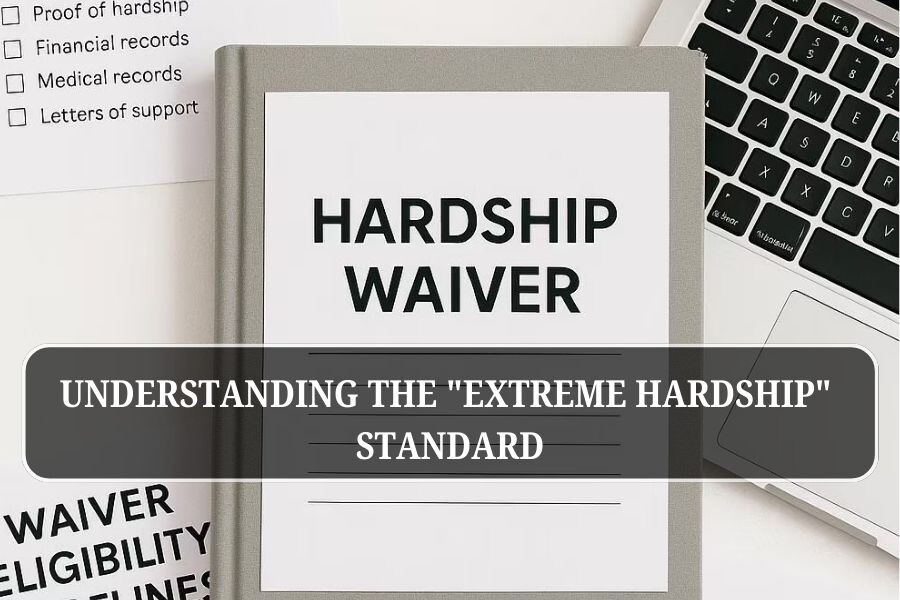
Understanding the “Extreme Hardship” Standard

To qualify for an I-601 or I-601A waiver, an applicant must demonstrate that their qualifying relative would suffer “extreme hardship” if the applicant were denied admission to the United States.

It is important to understand that USCIS (United States Citizenship and Immigration Services) considers standard hardship—such as missing a spouse or the financial cost of relocation—to be a normal consequence of deportation. To meet the threshold for a waiver, you must prove that the suffering goes beyond the common results of separation.

Defining Extreme Hardship

There is no single definition of extreme hardship in the statute, but case law and USCIS policy manuals point to several factors that are weighed in totality. A strong Extreme Hardship Psychological Evaluation will investigate and document the following areas:

  1. Mental Health Impacts: Does the qualifying relative suffer from depression, anxiety, or PTSD? Would separation exacerbate these conditions to a dangerous degree?
  2. Medical Conditions: Does the relative require care that only the applicant can provide? Would moving abroad to be with the applicant compromise the relative’s medical care?
  3. Financial Consequences: Would the loss of the applicant’s income lead to poverty, loss of housing, or an inability to pay for essential needs?
  4. Educational Impact: Would the relative (or their children) lose access to special education services or higher education opportunities?
  5. Country Conditions: If the relative were forced to relocate, would they face danger, war, or persecution in the applicant’s home country?

The Role of the Psychologist

A clinical psychologist or licensed clinical social worker (LCSW) does not decide if the hardship is “extreme”—that is the job of the immigration officer. Instead, the clinician’s role is to provide a detailed, clinical roadmap of the suffering.

Using standardized psychological testing and clinical interviews, the evaluator connects the dots. They don’t just say, “The spouse is sad.” They explain, “The spouse meets the clinical criteria for Major Depressive Disorder, Recurrent, Severe. Their condition has historically deteriorated without the support of the applicant, and separation poses a significant risk of hospitalization.” This clinical specificity is what transforms a personal story into powerful legal evidence.

The Virtual Assessment Process: Access Across 50 States

Historically, finding a therapist trained in forensic immigration evaluations was difficult. If you lived outside of a major immigration hub like Los Angeles, New York, or Miami, you might have had to travel hours to find an expert.

Today, telehealth has democratized access to justice. USCIS clinical assessment guidelines allow for evaluations to be conducted via secure video conferencing, provided the clinician is licensed and follows ethical standards. This means a family in rural Wyoming can work with a top-tier forensic expert based in Chicago.

How Virtual Evaluations Work

The process for a virtual evaluation is rigorous and mirrors an in-person visit, with added convenience.

  1. Identity Verification: At the start of the video call, the clinician will verify the identity of the person being evaluated using government-issued ID. This ensures the integrity of the process for USCIS.
  2. Secure Technology: All sessions are conducted on HIPAA-compliant video platforms. These platforms use end-to-end encryption to protect sensitive legal and medical information.
  3. The Clinical Interview: This is a deep-dive conversation, usually lasting 2 to 4 hours (sometimes split into two sessions). The clinician will ask about family history, the relationship history, traumatic experiences, and daily functioning.
  4. Digital Psychological Testing: Many standardized tests used to measure anxiety, depression, and trauma are now available in secure digital formats. The applicant can complete these on their computer or tablet under the clinician’s observation.

Advantages of the Virtual Model

  • Reduced Anxiety: Being in a home environment can make it easier for applicants to open up about traumatic or painful subjects.
  • No Travel Required: This removes a significant barrier for families who may not have reliable transportation or cannot afford to take a full day off work.
  • Flexible Scheduling: Virtual providers often offer evening or weekend appointments to accommodate working families.
  • Wider Selection of Experts: You can choose an evaluator based on their experience with your specific type of case (e.g., specific country conditions or medical knowledge) rather than just their location.

Psychological Evaluations for VAWA Cases

The Violence Against Women Act (VAWA) allows certain non-citizens who have been abused by a U.S. citizen or Lawful Permanent Resident spouse (or parent/child) to self-petition for legal status. This protects victims from being forced to stay in abusive relationships out of fear of deportation.

The Unique Nature of VAWA Evaluations

A VAWA evaluation differs significantly from a hardship waiver. In a hardship case, the focus is on the future impact of separation. In a VAWA case, the focus is on the past and present impact of abuse.

The “abuse” defined by VAWA includes physical violence, but it also encompasses “extreme cruelty.” This can include psychological manipulation, isolation, financial control, and threats of deportation.

A forensic evaluator in a VAWA case looks for the psychological sequelae of abuse. They document symptoms consistent with:

  • Battered Spouse Syndrome
  • Post-Traumatic Stress Disorder (PTSD)
  • Complex Trauma
  • Depression and Anxiety related to chronic fear

The evaluation serves as a vital piece of evidence, especially when there are no police reports or medical records of physical injury. The psychologist’s report validates the victim’s narrative, explaining how the abuser’s behavior constitutes “extreme cruelty” from a clinical perspective.

Psychological Evaluations for U-Visas

The U-Visa is designed for victims of certain crimes who have suffered mental or physical abuse and are helpful to law enforcement in the investigation or prosecution of criminal activity.

Proving Substantial Physical or Mental Abuse

To qualify for a U-Visa, the victim must demonstrate that they suffered “substantial physical or mental abuse” as a result of the crime. A USCIS clinical assessment for a U-Visa focuses heavily on the trauma caused by the specific criminal event (e.g., domestic violence, sexual assault, trafficking, felonious assault).

The evaluator assesses the long-term impact of the crime on the victim’s life.

  • Has the victim developed phobias related to the crime?
  • Do they suffer from flashbacks or nightmares?
  • Has their ability to work or parent been compromised by the trauma?

Because U-Visa cases often involve cooperation with police, the evaluation may also address how the victim’s trauma affects their ability to recall events or participate in the legal process.

Remote Immigration Testimony in 2026

As we move deeper into the digital age, the courtroom itself is changing. In 2026, the trend of ‘Remote Immigration Testimony’ has gained significant traction. Immigration courts, which are often backlogged, have increasingly adopted video teleconferencing (VTC) for hearings.

This shift has major implications for psychological evaluations.

The Evaluator as an Expert Witness

In some complex cases, a written report is not enough. An attorney may call the psychologist to testify as an expert witness to explain their findings or rebut a government challenge.

With remote testimony becoming standard, forensic experts can now testify in courts across the country without flying to the location. This reduces the cost for the applicant significantly. Instead of paying for an expert’s flight, hotel, and travel time, the family only pays for the hour the expert is on the screen.

Preparing for Remote Scrutiny

However, remote testimony requires high-quality preparation.

  • Tech Readiness: The evaluator must have professional lighting, high-quality audio, and a stable connection to maintain credibility. A pixelated or glitchy feed can subtly undermine the expert’s authority.
  • Document Access: During remote testimony, the expert needs to have instant access to their notes and the DSM-5-TR standards on their screen to answer cross-examination questions precisely.
  • Virtual Etiquette: Professional demeanor on camera is essential. The evaluator must look directly at the camera lens (simulating eye contact with the judge) rather than at the screen.

When choosing a provider for 50-state immigration evaluations, ask them about their experience with remote testimony. An evaluator who is comfortable and authoritative on video can be a decisive asset in a contested hearing.

Selecting the Right Evaluator for Your Case

Not every therapist is qualified to write an Immigration Hardship Waiver Assessment. A clinical therapist focuses on treatment and healing. A forensic evaluator focuses on assessment, objectivity, and legal standards.

When looking for a professional, consider the following checklist:

1. License and Jurisdiction

Ensure the provider is a licensed mental health professional (Psychologist, LCSW, LPC, or LMFT). While 2026 regulations often allow for interstate practice via compacts (like PSYPACT for psychologists), you must verify that the clinician is authorized to evaluate a client in your specific state.

2. Forensic Training

Ask specifically about their training in immigration evaluations. Have they been trained on the nuances of the I-601 waiver? Do they understand the specific legal definitions of “extreme hardship” versus “exceptional and extremely unusual hardship”? A general therapist may write a letter that is supportive but legally weak.

3. Report Quality and Turnaround

Ask to see a sample (redacted) report. A strong report should be 12-20 pages long, citing specific academic research, DSM-5-TR criteria, and detailed personal history. Also, confirm their turnaround time. Immigration deadlines are strict; you cannot afford to wait six weeks for a report when your filing date is in two weeks.

4. Language Access

If the applicant or qualifying relative does not speak English fluently, it is vital to have an evaluation conducted in their native language or with a certified interpreter. Nuance is everything in these interviews. A clinician who relies on family members to interpret violates ethical standards and risks producing an inaccurate report. Many nationwide firms now offer bilingual clinicians or integrated professional interpretation services.

Conclusion: Empathy Meets Evidence

The journey to legal status is rarely easy, but you do not have to walk it without support. An Extreme Hardship Psychological Evaluation is more than just a document; it is an opportunity to have your story heard, validated, and professionally documented.

In 2026, the barriers to accessing this critical service have lowered. With the rise of 50-state immigration evaluations via secure telehealth, families across the nation can access the expertise they need to present the strongest possible case to USCIS.

Whether you are filing for an I-601 hardship waiver, a VAWA petition, or a U-Visa, remember that the “hardship” you feel is real. The goal of a forensic evaluation is to translate that human reality into the legal language that decision-makers understand. By partnering with a qualified, empathetic, and tech-savvy forensic evaluator, you are taking a powerful step toward keeping your family together.

Next Steps for Applicants

  1. Consult Your Immigration Attorney: Before booking an evaluation, confirm which waiver you are applying for and who the “qualifying relative” is.
  2. Gather Medical Records: If your relative has physical health issues, gather those records now. The psychologist will need to review them to integrate them into the mental health report.
  3. Find a Forensic Specialist: Search for clinicians who specialize specifically in immigration law. Look for “immigration evaluation” or “forensic psychologist” rather than just “counselor.”
  4. Prepare for the Interview: Be ready to discuss difficult topics. It is normal to cry or feel emotional during the assessment. A good evaluator will create a safe, non-judgmental space for you to share your story.


Who is Subject to DOT Drug Testing? The 2026 Guide

The term “safety-sensitive” can be misleading. Many people believe it only applies to specific job titles, like “pilot” or “truck driver.” However, the U.S. Department of Transportation (DOT) defines it much more broadly. A safety-sensitive position is determined by the functions you perform, not what your business card says. If your role involves tasks that could impact public safety, you are likely subject to DOT drug and alcohol testing regulations.

Understanding whether your duties fall under this classification is critical. A drug or alcohol violation in a safety-sensitive role has serious consequences, including the mandatory requirement to complete the return-to-duty process with a DOT-qualified Substance Abuse Professional (SAP). This guide provides a comprehensive DOT safety sensitive functions list for 2026, helping you determine if your position is regulated and what happens if a violation occurs.

The Core Principle: Function, Not Title

Before we dive into the specific agencies, let’s reinforce the main idea. The DOT’s primary concern is public safety. It has identified specific tasks across transportation industries that, if performed while under the influence of drugs or alcohol, could lead to catastrophic accidents.

Therefore, you could be an aircraft mechanic, a pipeline controller, or a train dispatcher and still be considered a safety-sensitive employee. If you perform even one of the designated safety-sensitive functions—even infrequently—you are covered by DOT testing rules. This is why knowing who needs an SAP evaluation after a violation is essential for both employees and employers.

DOT Drug Testing by Agency

The DOT delegates oversight to six key agencies, each with its own set of rules defining safety-sensitive work. A positive test result or refusal to test under any of these agencies will trigger the need for an SAP evaluation.

Federal Motor Carrier Safety Administration (FMCSA)

The FMCSA regulates commercial motor vehicles (CMVs), primarily focusing on the trucking and bus industries. You are performing FMCSA safety sensitive duties if you operate a CMV that requires a Commercial Driver’s License (CDL).

This includes anyone who is on duty and responsible for:

  • Driving: Operating a CMV on public roads. This includes vehicles with a gross weight of 26,001 pounds or more, vehicles designed to transport 16 or more passengers (including the driver), or vehicles of any size used to transport hazardous materials.
  • Waiting to be Dispatched: A driver waiting for a load is considered on duty.
  • Inspecting Equipment: Performing pre-trip or post-trip vehicle inspections.
  • Loading and Unloading: Supervising or assisting in the loading or unloading of the vehicle, and ensuring the cargo is properly secured.
  • Repairing: Performing or supervising maintenance and repairs on a vehicle while on the road.

Federal Aviation Administration (FAA)

The FAA oversees civil aviation, and its rules cover a wide range of personnel beyond just pilots. A common search, “FAA drug test violation,” highlights the severe consequences for anyone in these roles.

Safety-sensitive functions under the FAA include:

  • Flight Crew Members: Pilots, flight engineers, and flight navigators.
  • Flight Attendants: Responsible for cabin safety and passenger security.
  • Aircraft Dispatchers: Individuals who exercise operational control over a flight.
  • Aircraft Maintenance and Preventive Maintenance: Anyone who performs, supervises, or inspects maintenance or overhaul of an aircraft. This includes technicians and inspectors.
  • Ground Security Coordinators: Personnel responsible for security screening and procedures on the ground.
  • Air Traffic Controllers: Employees at FAA facilities or contract towers who control the movement of air traffic.
  • Operations Control Specialists: Individuals who initiate, conduct, or terminate flights.

Federal Railroad Administration (FRA)

The FRA governs the safety of the nation’s railway systems. Its regulations apply to employees whose actions could endanger train operations or public safety.

Regulated service positions include:

  • Engine and Train Service: Conductors, brakemen, switchmen, and locomotive engineers who are involved in the movement of a train.
  • Dispatching: Employees who dispatch train movements (dispatchers and operators).
  • Signal Service: Workers who install, repair, or maintain signal systems.
  • Train and Engine Crew for Tourist Railroads: Even scenic or tourist railroad operations fall under these rules if they are part of the general railroad system of transportation.

Federal Transit Administration (FTA)

The FTA oversees public transportation systems, including buses, subways, light rail, and ferries. Safety-sensitive employees are those who operate, dispatch, or maintain revenue service vehicles.

These functions include:

  • Operating a Revenue Service Vehicle: This applies whether the vehicle is in service or not.
  • Controlling Dispatch or Movement: Employees who control the movement of revenue service vehicles, such as transit police or dispatchers.
  • Maintaining Vehicles: Mechanics and other personnel who perform maintenance or repairs on revenue service vehicles or equipment.
  • Armed Security Personnel: Any employee who carries a firearm for security purposes.

Pipeline and Hazardous Materials Safety Administration (PHMSA)

PHMSA regulates the safe transport of gas and hazardous liquids through pipelines. Given the potential for disaster, its definition of safety-sensitive is very specific.

Safety-sensitive functions include:

  • Operations, Maintenance, and Emergency Response: Anyone who performs an operation, maintenance, or emergency-response function on a pipeline or at a liquefied natural gas (LNG) facility.
  • Patrolling: Inspecting pipelines to prevent and detect leaks or damage.
  • Controlling and Monitoring: Working in a control room to monitor pipeline pressure, flow, and temperature.

U.S. Coast Guard (USCG)

The USCG oversees maritime safety and requires drug and alcohol testing for any “crewmember” on a U.S.-flagged commercial vessel. This is a broad definition that goes beyond the vessel’s captain.

A crewmember is defined as any individual engaged or employed in any capacity on board a vessel, whose duties are vital to the safe operation of the vessel. This includes:

  • Navigating and Operating the Vessel: Captains, mates, pilots, and operators.
  • Engineering Functions: Chief engineers and other engineering officers responsible for the vessel’s propulsion and systems.
  • Deckhands and Able Seamen: Individuals involved in mooring, docking, and other vessel operations.
  • **All other individuals whose failure to perform their duties could jeopardize the vessel’s safety or the marine environment.

When Is an SAP Evaluation Required?

If you perform any of the functions listed above and have a DOT drug or alcohol rule violation, you will be immediately removed from your safety-sensitive duties. You cannot return to any DOT-regulated safety-sensitive role, for any employer in any transportation industry, until you have successfully completed the return-to-duty process with a qualified SAP. This process involves an initial evaluation, a prescribed plan of education and/or treatment, and a follow-up evaluation.

Navigating these regulations can be complex. The definitions are specific, and the consequences of a violation are significant. Ensuring compliance is not just about following rules—it’s about protecting lives.

Unsure if your role is DOT-regulated? Contact our compliance experts for a consultation.

Everything You Should Know About Court-Ordered Assessments in Georgia

Introduction

A court-ordered assessment is an evaluation mandated by a judge to evaluate an individual’s mental health, behavior, or substance use. In Georgia, court-ordered assessments play a crucial role in the legal process, especially for individuals involved in criminal, family, or probation-related matters. If you’ve been instructed to undergo a court-ordered psychological assessment or a substance abuse evaluation, this article will guide you through the entire process, from preparation to what happens after the assessment.

What Is a Court-Ordered Assessment?

A court-ordered assessment is an evaluation required by the court to assess an individual’s psychological, emotional, or behavioral state. Courts in Georgia may order such evaluations to gather crucial information that will aid in legal decision-making.

Who Orders a Court-Ordered Assessment in Georgia?

  • Judges: Often, a judge orders an assessment as part of a ruling in a case.

  • Probation Officers: If an individual is on probation, a probation officer might request an assessment.

  • Family Court: In cases of child custody or family disputes, family courts may require evaluations.

  • Criminal Court: For criminal sentencing, evaluations are sometimes ordered to assess an individual’s fitness to stand trial or their risk level.

Types of Court-Ordered Assessments

Georgia courts may order various types of assessments, each serving different legal purposes:

Psychological Assessments

These evaluations help determine a person’s mental health status and are often used in family and criminal court cases.

Substance Abuse Evaluations

Ordered in cases involving drug-related offenses, DUI charges, or suspected substance abuse issues, these evaluations determine whether a person has a substance use disorder and what treatment may be necessary.

Mental Health Assessments

Used to evaluate conditions such as depression, anxiety, or other mental health disorders, these assessments are common in criminal, probation, or family court cases.

Child Custody Assessments

When parents are involved in child custody disputes, Georgia courts may order an evaluation to assess the well-being of the child and the suitability of each parent to provide care.

Anger Management & Behavioral Evaluations

These evaluations are frequently required in domestic violence cases or situations where aggressive behavior is in question.

Why Courts in Georgia Order Assessments

Courts in Georgia may require assessments for various reasons. Here are some common scenarios:

  • DUI Cases: For individuals arrested for driving under the influence (DUI), a court may order a substance abuse assessment to determine the level of addiction and treatment needs.

  • Child Custody Disputes: In contentious child custody cases, courts may use mental health or psychological evaluations to determine the best interest of the child.

  • Criminal Sentencing: When a person is convicted of a crime, a court may order a mental health evaluation to assess the defendant’s mental fitness for sentencing or rehabilitation.

  • Probation & Compliance: Probation officers often request assessments to ensure compliance with conditions of probation, especially in cases involving substance abuse or mental health disorders.

  • Domestic or Family Court Matters: In cases of domestic violence, family disputes, or allegations of abuse, courts use assessments to understand the dynamics and decide on appropriate actions.

What Happens During a Court-Ordered Assessment?

Here’s what you can expect during a court-ordered evaluation:

  1. Interview: The evaluator conducts a detailed interview to understand your history, current situation, and the context of the assessment.

  2. Testing: Standardized tests or screenings may be conducted, especially in psychological and substance abuse evaluations.

  3. Documentation: The evaluator will document all findings, including the results of any tests, interviews, and observations.

  4. Timeline: The assessment can take anywhere from a few hours to several days, depending on the type of evaluation required.

Georgia-Specific Court Requirements

In Georgia, specific legal requirements govern court-ordered assessments:

  • Licensed Professionals: Only licensed and court-approved professionals can perform these assessments.

  • Court-Accepted Reports: The results of the evaluation must be in a form that is acceptable in Georgia courts.

  • Compliance: The assessment must follow Georgia’s legal guidelines for mental health or substance abuse evaluations, ensuring that it aligns with state and federal regulations.

How to Prepare for a Court-Ordered Assessment

Preparation is key to a successful assessment. Here’s how you can get ready:

  • Bring Required Documents: Make sure to bring all relevant documents such as identification, legal papers, and any medical or mental health records.

  • Understand the Process: Be familiar with what will happen during the evaluation so you can be mentally prepared.

  • Avoid Common Mistakes: Don’t lie or withhold information during the assessment. Be honest, as the results will be used in court.

How Long Does a Court-Ordered Assessment Take in Georgia?

The evaluation timeline can vary, but most assessments are completed within a few weeks. Once completed, the evaluator will submit their report to the court, which may take additional time to process depending on the court’s schedule.

What Happens After the Assessment?

Once the court-ordered assessment is complete:

  1. Court Report: The evaluator will provide a detailed report to the judge. This report includes their findings, conclusions, and any recommendations for treatment or intervention.

  2. Possible Outcomes: Depending on the evaluation, the court may adjust sentencing, issue treatment mandates, or make other legal decisions.

  3. Follow-Up Recommendations: The evaluator might recommend ongoing therapy, counseling, or other interventions that may be required as part of the legal proceedings.

Why Choose AACS Counseling for Court-Ordered Assessments

At AACS Counseling, we are committed to providing reliable, professional court-ordered assessments that meet the legal standards of Georgia courts. Our team of licensed professionals ensures:

  • Confidential & Court-Accepted Reports: We ensure that all reports are accurate, professional, and compliant with Georgia law.

  • Experienced with Georgia Courts: We are familiar with the specific needs of Georgia courts and provide assessments that help inform legal decisions.

  • Fast Scheduling: We understand the urgency of court deadlines and offer quick, professional scheduling to meet your needs.

Frequently Asked Questions (FAQs)

Is a court-ordered assessment mandatory?
Yes, if a judge or legal authority mandates an assessment, it is a legal requirement.

Can I choose my provider in Georgia?
In most cases, yes, but the provider must be licensed and accepted by the court.

Will the results go directly to the judge?
Yes, the evaluation results will be submitted to the judge for consideration in your case.

What happens if I fail to complete it?
Failure to complete the assessment may result in legal consequences, including further legal action or penalties.

Call-to-Action

If you’ve been ordered to undergo a court-ordered assessment in Georgia, trust AACS Counseling to provide the support you need. Our licensed professionals are here to help you navigate the process smoothly and ensure that your assessment meets all legal requirements. Book your assessment today and ensure compliance with court deadlines.

Domestic Violence Assessment in Georgia: What You Need to Know

Introduction

If you are involved in a legal matter related to domestic violence in Georgia, a domestic violence assessment may be a critical part of the process. Whether you’re facing a criminal charge, involved in a family law dispute, or complying with a court order, understanding what to expect from this evaluation can help you navigate the legal and emotional challenges ahead.

In Georgia, courts may order domestic violence assessments for a variety of reasons, including to determine the level of risk, assess treatment needs, or guide sentencing or custody decisions. This article will explain everything you need to know about domestic violence assessments in Georgia, the evaluation process, and how AACS Counseling can support you with professional, court-accepted reports.

What Is a Domestic Violence Assessment?

A domestic violence assessment is a professional evaluation used to evaluate an individual’s behavior, mental health, and risk factors related to domestic violence. It is typically ordered by a judge or legal authority as part of a legal proceeding and is conducted by licensed mental health professionals who are qualified to assess individuals accused of domestic violence.

Clinical vs Legal Purpose

The assessment serves two main purposes:

  1. Clinical Purpose: To assess the individual’s mental health, emotional state, and patterns of behavior that may contribute to domestic violence.
  2. Legal Purpose: To help the court determine the severity of the situation, identify treatment needs, and assess the potential risk of reoffending. It may also influence legal decisions, such as sentencing, probation, or custody arrangements.

When Is a Domestic Violence Assessment Court-Ordered in Georgia?

In Georgia, domestic violence assessments are often ordered in the following situations:

1. Criminal Cases

If someone is charged with domestic violence, a court may order an assessment as part of the criminal justice process. This assessment can help determine the individual’s risk of reoffending and their suitability for anger management or batterer intervention programs.

2. Family Court & Custody Cases

Domestic violence assessments may be required in family court, particularly when custody or visitation rights are at stake. The assessment helps the court determine whether it is safe for children to remain in the care of one parent and whether supervision or restrictions are necessary.

3. Protective Orders

If someone is seeking a protective order (restraining order) due to domestic violence, the court may require the respondent (alleged abuser) to undergo an evaluation. This helps the court assess the need for further legal action or intervention.

4. Probation or Sentencing

In cases where a defendant is sentenced for domestic violence, the court may mandate a domestic violence evaluation to determine whether rehabilitation programs, such as batterer intervention, are necessary. The evaluation helps guide the length of probation, treatment options, and other sentencing decisions.

Who Conducts Domestic Violence Assessments in Georgia?

In Georgia, domestic violence assessments must be conducted by licensed professionals who are court-approved and trained in forensic evaluations. These professionals typically include:

1. Licensed Mental Health Professionals

  • Psychologists, social workers, and marriage/family therapists are commonly responsible for conducting these assessments. They evaluate the individual’s mental health, risk factors, and behavioral history.

2. Court-Accepted Evaluators

The Georgia court system requires that the evaluator be recognized and approved by the court. This ensures the evaluation process adheres to legal standards and results in a valid, reliable report that can be used in legal proceedings.

3. Importance of Georgia Compliance

Georgia courts have specific standards and guidelines for domestic violence evaluations, which must be followed by evaluators. It is important to work with professionals who are familiar with Georgia’s legal framework and who provide court-compliant assessments.

What Happens During a Domestic Violence Assessment?

A domestic violence assessment typically involves several key components:

1. Intake & Interview

The process begins with an intake session where the evaluator collects basic information about the individual’s background, the nature of the allegations, and any history of violence or abuse. This often includes:

  • Personal history
  • Family dynamics
  • Past incidents of violence or aggression

2. Behavioral History

The evaluator will examine past behavior patterns, including any previous charges or incidents of domestic violence, alcohol or substance abuse, mental health concerns, or issues with anger management.

3. Risk Assessment

A critical part of the evaluation is assessing the individual’s potential for future violence. This is done by analyzing factors such as:

  • Previous violence
  • Triggers or stressors
  • Emotional regulation and impulse control

4. Psychological Testing (if applicable)

If necessary, the evaluator may administer psychological tests to assess mental health conditions that could contribute to violent behavior, such as depression, anxiety, or personality disorders.

Georgia-Specific Court Expectations

In Georgia, courts have very specific reporting standards and confidentiality rules when it comes to domestic violence assessments:

1. Reporting Standards

The evaluator’s report must be:

  • Objective and neutral
  • Based on the assessment process and documented findings
  • Written in a format that is acceptable to the court, detailing the individual’s risk, treatment recommendations, and suitability for any intervention programs

2. Confidentiality Rules

Georgia law requires that the information collected during the assessment process remain confidential, except when it is necessary for legal proceedings or when there is a risk of harm to others. Only the court, legal representatives, and authorized individuals will have access to the evaluation report.

3. Compliance with Georgia Courts

Evaluators must adhere to Georgia court rules to ensure the assessment is legally valid and accepted. This is why it is crucial to choose a provider like AACS Counseling that is familiar with Georgia’s court requirements and can produce court-accepted reports.

How to Prepare for a Domestic Violence Assessment

Preparation for a domestic violence assessment is key to ensuring the process goes smoothly and the results are accurate. Here’s what you should expect and how to prepare:

1. Required Documents

You may need to bring certain documents, including:

  • Proof of identification
  • Any court orders, legal documents, or police reports related to the case
  • Prior medical or mental health records (if relevant)

2. What to Expect

During the assessment, expect to discuss your background, any history of domestic violence, your mental health, and how you manage stress and emotions. The evaluator will ask questions related to your relationships, behavior, and any incidents that led to the current legal situation.

3. Common Mistakes to Avoid

  • Do not minimize the situation. Be honest about past behaviors, as withholding information can lead to inaccurate recommendations.
  • Avoid rushing the process. Take your time during the interview and assessment to provide thoughtful and accurate responses.

How Long Does a Domestic Violence Assessment Take in Georgia?

The length of a domestic violence assessment can vary depending on the complexity of the case. On average, the evaluation process takes between 1-3 hours for the interview and testing, but it may take longer if additional assessments or collateral interviews are required.

Report Submission Timeline

Once the evaluation is complete, the evaluator typically submits the report to the court within 2-4 weeks, depending on court deadlines and the complexity of the case.

What Happens After the Assessment?

After the domestic violence assessment is complete, the evaluator will submit a report to the court with their findings and recommendations. This report may include:

1. Court Report Explanation

The report will explain the individual’s risk level, treatment recommendations, and any behavioral concerns. It may also recommend participation in anger management or batterer intervention programs.

2. Possible Recommendations

  • Court-mandated treatment programs
  • Probation
  • Supervised visitation (in family court cases)
  • Other legal consequences or outcomes

3. Next Legal Steps

Depending on the evaluation findings, the next steps may involve court hearings, treatment mandates, probation requirements, or other legal actions.

Why Choose AACS Counseling for Domestic Violence Assessments?

At AACS Counseling, we provide licensed, professional domestic violence assessments that are designed to meet the legal requirements of Georgia courts. Our services include:

  • Experienced evaluators who are familiar with Georgia’s court systems
  • Confidential and court-ready reports that help inform legal decisions
  • Neutral, professional approach to ensure fair evaluations
  • Timely scheduling to meet court deadlines

Domestic Violence Assessment FAQs

1. Is a domestic violence assessment mandatory in Georgia?

Yes, if it is court-ordered, participation in a domestic violence assessment is typically mandatory in Georgia.

2. Will the results be sent to the judge?

Yes, the results of the assessment will be sent to the judge or legal authority who ordered the evaluation.

3. Can I choose my evaluator?

In some cases, you may have the option to choose your evaluator, but they must be licensed and court-approved.

4. Does this assessment affect custody or sentencing?

Yes, the results of the assessment may impact custody decisions, sentencing, or probation requirements depending on the legal case.

Call to Action

If you’ve been ordered to undergo a domestic violence assessment in Georgia, it’s important to choose a trusted provider who understands the legal requirements and can deliver court-accepted, professional evaluations. At AACS Counseling, we specialize in providing confidential, professional, and timely assessments that meet the needs of Georgia courts.

Book your assessment today to ensure compliance with court deadlines and protect your rights.

What is the Difference Between I-601 and I-601A Hardship Waivers?

Navigating the U.S. immigration system can feel like walking through a legal labyrinth, especially when your family’s future is on the line. If you or a loved one is considered “inadmissible” to the United States, you may have heard of the I-601 and I-601A waivers. While they both address the concept of “Extreme Hardship,” they serve very different purposes.

At AACS Counseling, we help families bridge the gap between legal requirements and clinical proof. Understanding which waiver you need is the first step toward a successful application.

1. Form I-601: The Traditional Waiver

The I-601 Application for Waiver of Grounds of Inadmissibility is the broader of the two. It is designed for individuals who are either outside the U.S. and have been denied a visa at a consulate, or those inside the U.S. who are applying for an Adjustment of Status.

What it Covers:

  • Multiple Grounds: Unlike the I-601A, this waiver covers criminal history, immigration fraud, misrepresentation, and certain health-related grounds.
  • Unlawful Presence: It can also waive the 3- or 10-year bar for staying in the U.S. without a visa.

Timing and Location:

Historically, the I-601 is filed after a consular officer has officially determined you are inadmissible. This often means the applicant is already outside the U.S. and must wait abroad for a decision, which can lead to prolonged family separation.

2. Form I-601A: The Provisional Waiver

The I-601A Provisional Unlawful Presence Waiver was created specifically to reduce the time families spend apart.

What it Covers:

  • Unlawful Presence ONLY: This is the most critical distinction. If you have a criminal record or a history of fraud, the I-601A cannot help you. It only “forgives” the time you spent in the U.S. without legal status.

Timing and Location:

The I-601A is filed while the applicant is still inside the United States. You wait for the approval here with your family. Once approved, you then travel to your home country for your consular interview with the “provisional” waiver already in hand.

Key Comparison: I-601 vs. I-601A (2026 Data)

Feature Form I-601 Form I-601A
Primary Use Fraud, Criminal, Health, Unlawful Presence Only Unlawful Presence
Applicant Location Usually Outside the U.S. Must be Inside the U.S.
Qualifying Relative Spouse or Parent (Citizen/LPR) Spouse or Parent (Citizen/LPR)
2026 Filing Fee $1,050 $715 (Online) / $795 (Paper)
Median Processing ~20.5 Months 28.5 – 32 Months
Where to File USCIS Lockbox USCIS (HART Service Center)

The “Extreme Hardship” Requirement

Both waivers require you to prove that a Qualifying Relative (a U.S. citizen or Green Card holder spouse or parent) would suffer “extreme hardship” if you were not allowed to stay.

Note: Hardship to children is not directly considered as a “qualifying” factor for these waivers, though their suffering can be used to demonstrate the secondary impact on the qualifying spouse or parent.

Why a Clinical Evaluation is Essential

USCIS officers are trained to look for hardship that goes beyond the “normal” emotional distress of separation. This is where AACS Counseling plays a vital role. A professional psychological evaluation provides the objective, clinical evidence needed to prove your case:

  • Clinical Diagnoses: Documenting conditions like Major Depressive Disorder or PTSD that would worsen with separation.
  • Financial & Functional Stress: Assessing how the loss of a caregiver or provider would lead to a mental health crisis for the qualifying relative.
  • Expert Credibility: Moving your case from a “personal story” to a “professional clinical assessment.”

2026 Processing: The HART Service Center

In 2026, most I-601A applications are handled by the HART (Humanitarian, Adjustment, Removing Conditions and Travel Documents) Service Center. While the center is digitizing files to speed up the 30-month backlog, the scrutiny on “Extreme Hardship” evidence has never been higher. A well-documented file at the start can prevent a Request for Evidence (RFE), which can add another 6–12 months to your wait.

Frequently Asked Questions

  • Can I travel while my I-601A is pending?

Generally, no. Leaving the U.S. before the waiver is approved and your interview is scheduled can trigger the very bar you are trying to avoid.

  • What if I have an old DUI?

Even a minor criminal record can disqualify you from an I-601A. In this case, your attorney may recommend the I-601 instead.

  • Is an evaluation mandatory?

While not a legal requirement, most immigration attorneys highly recommend a psychological evaluation from a specialist like AACS Counseling to meet the high evidentiary bar.

Next Steps for Your Journey

Choosing the wrong waiver can lead to years of unnecessary delay or even a permanent bar from the United States. Always consult with a qualified immigration attorney before filing.

DOT SAP Program in Georgia: A Complete Guide by AACS Counseling [2026]

If you’re a CDL driver in Georgia and have failed or refused a Department of Transportation (DOT) drug or alcohol test, your job and future as a commercial driver, including your commercial driving privileges, are at risk. Before you can get back behind the wheel, you are required to complete the SAP (Substance Abuse Professional) program, which includes a substance abuse professional evaluation. At AACS Counseling, our team offers fast DOT SAP evaluations, education, support groups, and counseling referrals for drivers in Atlanta and throughout Georgia.

Below, you’ll find everything you need to know about the DOT SAP program, the step-by-step return-to-duty process, key laws, and what to look for in an SAP provider that adheres to DOT regulations.

Key Takeaways

  • Completion is mandatory: Commercial drivers in Georgia who fail or refuse a DOT drug/alcohol test must finish a SAP evaluation and the return-to-duty program before resuming safety-sensitive work.
  • Multiple steps required: The return-to-duty process includes removal from duty, SAP evaluation, treatment or education, a follow-up evaluation, return-to-duty testing, and compliance with follow-up drug/alcohol testing for up to five years.
  • AACS Counseling is here to help. We offer speedy SAP Evaluations, education, support groups, and counseling referrals, with flexible and convenient options for clients across Georgia.

What is a DOT SAP Program?

A DOT SAP program is a federally regulated process for safety-sensitive employees—including commercial truck, bus, and HAZMAT drivers—who fail or refuse a DOT drug or alcohol test. The SAP assessment determines your specific education or treatment needs, guides you back to compliance, and helps you return safely to work. For official details, you can review 49 CFR Part 40 and 49 CFR Part 382.

Who is Required to Complete the SAP Program?

You must complete the SAP program if you are:

  • A commercial truck driver with a CDL license
  • A hazardous materials (HAZMAT) driver
  • A commercial driver transporting 16+ people (e.g., bus driver)
  • A part-time or full-time DOT-regulated driver
  • A local, state, or federal government driver in a safety-sensitive position

Georgia drivers must undergo pre-employment, random, and post-accident drug and alcohol tests as required by alcohol regulations. The FMCSA’s Drug and Alcohol Clearinghouse tracks the statuses of drivers. If you fail or refuse a test, your status becomes “prohibited,” and you cannot perform safety-sensitive duties until you complete the SAP process.

DOT Return-to-Duty Process in Georgia

After a violation, here’s exactly what you can expect, step by step:

1. Immediate Removal from Safety-Sensitive Duties

If you violate the DOT’s drug and alcohol regulations, your employer will immediately remove you from safety-sensitive duties, as required by 40 CFR part 40. They will notify you that you must complete the SAP return-to-duty (RTD) process before resuming work.

2. Referral to a Substance Abuse Professional (SAP)

You’ll receive a list of DOT-qualified SAPs. Only these professionals can provide official Evaluations.

3. Initial SAP Evaluation

After selecting a DOT-qualified SAP and scheduling your appointment, you will attend an initial evaluation.

The SAP may conduct this evaluation either in person or virtually. During the session, they will review your case, ask detailed questions, and have you complete one or more assessment tools.

By analyzing your behavior, substance use history, and the circumstances surrounding your violation, the SAP will create a personalized treatment and education plan tailored to your needs.

4. Completion of Recommended Treatment/Education Program

You must complete the SAP’s recommended treatment and education plan before returning to work.

This plan may require you to fully participate in and complete any of the following, depending on your specific needs:

  • Alcohol and drug education
  • Outpatient treatment
  • Alcohol and drug counseling
  • Inpatient treatment, if necessary

Throughout the process, the SAP will closely monitor your compliance to ensure you meet all requirements.

5. Follow-Up SAP Evaluation

Once you’ve completed the recommendations, you’ll have a follow-up evaluation and assessment. The SAP checks your progress and determines if you’re ready to return to duty.

6. Return-to-Duty Test

If the SAP clears you, your employer will arrange a directly observed return-to-duty test, a DOT drug test (and/or an alcohol test). You must test negative to proceed.

7. Employer Decision on Return to Safety-Sensitive Duties

With a negative result and a substance abuse professional SAP clearance, your employer will decide whether you will be reinstated. While passing the process is required, employment is not guaranteed.

8. Follow-Up Testing Program

If you’re reinstated, the SAP will prescribe a follow-up testing plan. This includes at least six unannounced drug/alcohol tests in the first year, and could continue for up to five years.

9. Ongoing Compliance and Monitoring

You’ll need to remain compliant with ongoing testing and program requirements. Any violation may restart the SAP process.

Important Laws & Regulations

Federal Laws and Regulations

  • FMCSA Drug Testing Requirement for CDL Drivers: The Federal Motor Carrier Safety Administration (FMCSA) requires random, post-accident, and return-to-duty drug and alcohol testing for all commercial drivers (49 CFR part 382).
  • Prohibited Status in Clearinghouse: If you fail or refuse a test, the FMCSA Drug and Alcohol Clearinghouse will update your status to “prohibited,” which can lead to CDL suspension or revocation.
  • Reporting Process for Employers: Employers are required to report positive drug/alcohol test results or refusals to the Clearinghouse and cannot permit drivers to return to safety-sensitive work until all SAP steps are completed.
  • Conclusion of the Return-to-Duty Process: Employers must ensure that all SAP recommendations are met and that the driver tests negative before returning to duty. Final re-employment decisions rest with the employer.

State Laws and Regulations

  • Lower BAC for Commercial Drivers: Georgia’s legal limit for CDL drivers is 0.04% BAC, compared to 0.08% for regular drivers (OCGA § 40-6-391(i). Conviction can lead to a minimum one-year CDL suspension(OCGA § 40-6-391(i)).
  • Loss of CDL Privileges: Under state rules, a first conviction for DUI or certain serious offenses results in a minimum one-year license suspension, with a second offense triggering lifetime revocation(Georgia CDL Rule 1-1-14).

How to Select a SAP Program in Georgia

Choosing the right SAP provider can impact how quickly and smoothly you return to work with their services :

  • Speed and Availability: Look for providers who offer same- or next-day appointments and virtual options so you can start right away.
  • DOT Qualifications: Only DOT-qualified professionals can conduct SAP Evaluations and guide you through compliance.
  • Transparent Communication: Providers should keep you and your employer updated throughout the process.
  • Affordable Pricing: Clear pricing is crucial. AACS Counseling offers flexible payment options and no surprise fees.
  • Experience and Credentials: The best SAPs are certified, experienced, and up-to-date with DOT regulations and Georgia state laws.
  • Ongoing Support: Beyond evaluation, a top SAP provider should offer support groups, counseling referrals, and assistance with documentation.

For more details and regulations, visit the FMCSA Clearinghouse, DOT Drug & Alcohol Testing Guidelines, and the U.S. Department of Transportation.

Looking for a SAP Program Near You in Georgia? 

If you’re facing a DOT violation, you need a trusted partner at your side. At AACS Counseling, we’re dedicated to providing fast, professional, and supportive SAP services for drivers and employers across Georgia—including Atlanta and surrounding areas. With remote/virtual evaluations, ongoing support, and a proven track record, we’ll guide you step by step so you’re ready to get back on the road.

Ready to start? Contact AACS Counseling today for a free consultation or to schedule your SAP evaluation.

Ready to get back on the road? Contact AACS Counseling today to schedule a consultation or to arrange your SAP evaluation.

How to Navigate the 2026 FMCSA Clearinghouse & Return-to-Duty Process

Finding yourself in a “Prohibited” status in the FMCSA Drug and Alcohol Clearinghouse is a stressful experience for any commercial driver. In 2026, the stakes are higher than ever due to tighter integration between federal databases and State Driver Licensing Agencies (SDLAs). If you are a CDL holder currently sidelined by a violation, understanding the exact steps to clear your name and return to work is not just important—it is urgent.

This guide will walk you through the 2026 landscape of the Return-to-Duty (RTD) process. We will cover the critical timelines you face with your state licensing agency, how to find a qualified Substance Abuse Professional (SAP Evaluation), and the six mandatory steps required to get back behind the wheel.

The Urgency: State CDL Downgrades in 2026

The most significant change affecting drivers in 2026 is the speed at which a violation impacts your actual license status. In the past, there was often a lag between a Clearinghouse violation and state-level action. That gap has closed.

If you are a driver in Texas (or your specific licensing state), you need to be aware of the “60-Day Clock.” Under current regulations, the State Driver Licensing Agency (SDLA) is notified immediately when a driver enters “Prohibited” status in the Clearinghouse. The state is then federally mandated to initiate a downgrade of your Commercial Driver’s License to a non-commercial status.

In many states, including Texas, this downgrade process typically finalizes within 60 days of the violation appearing in the Clearinghouse. Once your CDL is downgraded, you cannot legally operate a commercial motor vehicle (CMV) for any reason. To get your CDL reinstated, you will not only have to complete the SAP process but also navigate the bureaucratic hurdles of license reinstatement at the DMV, which may involve additional fees and paperwork.

The takeaway is simple: Do not wait. The longer you sit in “Prohibited” status without taking action, the closer you get to losing your CDL privileges entirely.

FAQ: How Do I Find a SAP in the Clearinghouse?

One of the most common questions we receive is, “How do I find a local SAP in the Clearinghouse?”

When you log into the FMCSA Clearinghouse to designate your SAP, you will see a search tool. Many drivers make the mistake of limiting their search to a tiny radius around their home zip code. While finding a provider down the street sounds convenient, it often leads to delays. Local providers may have long waitlists or limited availability.

The Faster Solution: Remote Providers

Federal regulations allow for SAP evaluations to be conducted remotely via secure video conferencing in many situations. This is a game-changer for getting you back to work faster. Instead of waiting two weeks for an appointment with the only SAP in your town, you can select a qualified remote provider who can often see you within 24 to 48 hours.

When searching in the Clearinghouse:

  1. Look for SAPs who are licensed to operate in your state.
  2. Prioritize speed and responsiveness.
  3. Remember that “local” isn’t required by federal law—”qualified” is.

Selecting a remote provider allows you to start the process immediately, beating the clock on the SDLA downgrade.

The 6 Steps of the Return-to-Duty Process

The path back to the driver’s seat is rigid. You cannot skip steps, and you cannot rush the clinical aspects. However, knowing what to expect will help you move through the system efficiently.

Step 1: Designation and Evaluation

Before anything happens, you must log in to the Clearinghouse and designate your chosen SAP. They cannot interact with your file until you do this. Once they accept your designation, you will undergo an initial face-to-face evaluation (or video evaluation). This assessment determines the extent of the issue and what education or treatment is necessary.

Step 2: The Recommendation

Your SAP will prescribe a plan based on your evaluation. This could range from an educational course to outpatient treatment. This plan is mandatory. Under DOT regulations, the SAP’s recommendation is the final authority. You must comply with it fully to move forward.

Step 3: Education and Treatment

You must complete the prescribed plan. During this phase, you are focusing on your health and safety. It is crucial to engage sincerely with the process. Going through the motions can lead to a negative follow-up evaluation, which sends you back to square one.

Step 4: The Follow-Up Evaluation

Once you finish your education or treatment, you will return to your SAP for a follow-up evaluation. They will assess if you have successfully complied with their recommendations and if you are ready to return to safety-sensitive duties.

  • Our Speed Guarantee: We understand that every day off the road is lost income. Our SAPs are committed to uploading your eligibility status to the Clearinghouse within 24 hours of a successful follow-up evaluation. We don’t let paperwork sit on a desk while you are waiting to work.

Step 5: The Return-to-Duty (RTD) Test

After the SAP updates your status to “Eligible for RTD Testing,” your employer (or prospective employer) can send you for a drug (and/or alcohol) test.

  • Crucial 2026 Note: Per federal guidelines, all Return-to-Duty tests must be Directly Observed. This means a collector of the same gender will accompany you into the restroom to observe the specimen collection. This is non-negotiable and is strictly enforced to prevent cheating. A refusal to undergo a directly observed test is considered a refusal to test, which is a new violation.

Step 6: Follow-Up Testing Plan

Passing the RTD test gets you back on the road, but you are still subject to monitoring. Your SAP will create a follow-up testing schedule consisting of at least six unannounced tests in the first 12 months. This schedule follows you even if you change employers.

Support When You Need It Most

Navigating a DOT violation can feel isolating. You might feel like your career is hanging by a thread. But remember, the Return-to-Duty process exists to help you, not just to punish you. It is a pathway designed to ensure you are healthy, safe, and ready to handle the heavy responsibility of commercial driving.

We specialize in guiding drivers through this complex regulatory environment. We know the 2026 rules inside and out, from the SDLA downgrades to the direct observation requirements. Our goal is to make the administrative side of things as smooth as possible so you can focus on completing your program.

Your CDL is valuable. Don’t let a temporary setback become a permanent roadblock. By acting quickly, choosing the right SAP, and following the steps diligently, you can reclaim your “Not Prohibited” status and get back to earning a living.

Start Your Evaluation Today

Time is of the essence. Avoid the license downgrade and start your journey back to the road now. Click here to visit our Texas SAP page and schedule your evaluation with a qualified expert today.

The National DOT SAP Program: 50-State Return-to-Duty Experts

A single violation of Department of Transportation (DOT) drug and alcohol regulations creates an immediate and nationwide stoppage of your commercial driving career. It doesn’t matter if the violation occurred in Oregon or Ohio; federal regulations are uniform, and the consequences are immediate. However, the solution is also standardized. The Nationwide DOT SAP Program provides the federally mandated pathway for every Commercial Driver’s License (CDL) holder to return to safety-sensitive duties, regardless of their location.

As we move through 2026, the Federal Motor Carrier Safety Administration (FMCSA) continues to tighten its digital infrastructure, making compliance more transparent and critical than ever. This guide serves as your central resource for understanding universal federal compliance. We will break down the return-to-duty (RTD) process from a national perspective, explain how the Clearinghouse impacts drivers in every state, and show you how to access expert-led Substance Abuse Professional (SAP) evaluations wherever you are parked.

Universal Federal Compliance: One Standard for All 50 States

The trucking and logistics industry is the backbone of the American economy, operating across state lines every minute of the day. Because the industry is interstate by nature, the regulations governing it are federal. This means the return-to-duty process is not a patchwork of different state laws; it is a single, rigorous standard set by the DOT and FMCSA (49 CFR Part 40).

Whether you are an independent owner-operator based in Texas or a fleet driver for a logistics giant in New York, the steps to get back on the road are identical. This uniformity is designed to ensure public safety. It ensures that a driver returning to duty in one state has met the same strict rehabilitation and education standards as a driver in another.

Our Nationwide DOT SAP Program reflects this universal standard. We provide uniform, expert-led SAP evaluations available in all 50 U.S. states. This consistency is vital for:

  • National Fleets: Companies managing drivers across multiple regions need a partner who understands that federal compliance doesn’t change when you cross a state border.
  • Long-Haul Drivers: If you are grounded far from home, you need access to a qualified SAP who can manage your case effectively, regardless of your physical location.
  • Compliance Officers: Safety managers need assurance that the return-to-duty process is being handled correctly to protect their operating authority.

The 2026 FMCSA Return-to-Duty Process

The FMCSA Clearinghouse has fundamentally changed how violations are tracked and resolved. In 2026, the system is more integrated than ever. State Driver Licensing Agencies (SDLAs) are now fully synced with the Clearinghouse in real-time. This means a “Prohibited” status in the Clearinghouse can trigger an almost immediate downgrade of your CDL license status at the state level.

Navigating this digital landscape requires a clear understanding of the steps involved. Here is the breakdown of the federally mandated process:

1. The Initial Evaluation

The process begins when you select a qualified SAP from the FMCSA Clearinghouse. You must designate them in the system before they can accept your case. Once connected, the SAP conducts a face-to-face assessment (or an allowable telehealth equivalent where permitted) to evaluate your specific situation. This is a clinical evaluation, not an interrogation. The goal is to determine the appropriate level of education and/or treatment needed.

2. The Recommendation

Based on the initial evaluation, your SAP will prescribe a specific plan. This could range from an educational course on substance abuse to inpatient treatment, depending on the severity of the assessment findings. This plan is mandatory. You cannot shop around for a “better” or “easier” plan; under federal law, the SAP’s recommendation is final.

3. Compliance and Monitoring

You must complete the prescribed education or treatment. During this time, your SAP may monitor your progress. This phase is about demonstrating a commitment to safety and personal responsibility. It is not just about ticking a box; it is about ensuring you are safe to return to the road.

4. The Follow-Up Evaluation

Once you have completed the required plan, you return to your SAP for a follow-up evaluation. The SAP determines if you have successfully complied with the recommendations and if you have demonstrated a successful rehabilitative outcome. If the SAP is satisfied, they will issue a report of compliance.

5. Return-to-Duty Testing

With the SAP’s approval entered into the Clearinghouse, you are eligible for a return-to-duty drug and/or alcohol test. This test must be directly observed. A negative result allows you to resume safety-sensitive functions.

6. Follow-Up Testing Plan

The process doesn’t end when you get back in the cab. The SAP will establish a schedule for unannounced follow-up testing. This must include at least six tests in the first 12 months, but it can extend up to five years. This ongoing monitoring ensures sustained compliance.

Why “Local” Expertise Matters in a National Program

While the regulations are federal, access is local. You need an SAP who is accessible to you. Our network connects you with qualified professionals across the country. We understand that while the rules are the same, the logistics of finding a provider can vary whether you are in a rural area or a major metropolitan hub.

That is why this hub page serves as a gateway to our specific state resources. Whether you are looking for guidance in Florida, California, or Maine, we have dedicated resources to help you find an SAP near you.

  • Check our specific State Pages: We have detailed guides for every state, outlining local resources and specific considerations for drivers in those regions. Georgia, New york, Florida, Texas, California

Expert-Led Evaluations: The Key to Speed and Safety

The biggest bottleneck in the return-to-duty process is often administrative errors or delays in finding a qualified provider. A generic counselor cannot help you; you must see a DOT-qualified SAP who has passed specific exams and maintains continuing education requirements on DOT rules.

Choosing an expert from our Nationwide DOT SAP Program ensures:

  • Clearinghouse Proficiency: Our SAPs are experts in the FMCSA Clearinghouse portal. They know exactly how to accept designations and upload reports without delay, preventing administrative hang-ups that keep you out of work longer than necessary.
  • Regulatory Knowledge: They understand the nuances of 49 CFR Part 40. This protects you from having to restart the process due to a procedural error.
  • Fair and Objective Assessments: Our goal is public safety and your career recovery. We provide objective assessments that are fair, standardized, and focused on getting you back to work safely.

Avoiding Common Pitfalls

In our experience managing cases nationwide, we see drivers make avoidable mistakes that cost them months of income.

  • Ignoring the Clearinghouse: Some drivers believe that if they just wait, the violation will disappear. In 2026, this is impossible. The violation remains on your record until you complete the SAP process. Ignoring it will eventually lead to a permanent license downgrade.
  • Using Non-Qualified Professionals: Seeing a marriage counselor or a general therapist does not count. The FMCSA will reject any evaluation not performed by a qualified SAP.
  • Failing to Designate: You cannot just walk into an SAP’s office. You must digitally designate them in the Clearinghouse first. Without this digital handshake, no official work can begin.

Your Partner for National Return-to-Duty Success

Your CDL is your livelihood. Protecting it requires adhering to federal standards with precision. The Nationwide DOT SAP Program offers the reliability and expertise you need to navigate this complex regulatory environment. We provide a bridge between the strict federal requirements and the practical need to get back on the road.

We are committed to providing uniform, expert-led SAP evaluations available in all 50 U.S. states. No matter where you are, we have the network and the knowledge to guide you through to the finish line.

Ready to Start Your Return-to-Duty Journey?

Don’t let a violation define your career. The path back to the driver’s seat is clear, standardized, and waiting for you. Whether you are in a major freight hub or a remote town, expert help is available. Browse our state-specific pages for local details or contact us directly to get matched with a qualified SAP today. Secure your livelihood by starting the official FMCSA return-to-duty process now.

Florida DOT SAP Program: Fast Return-to-Duty Solutions for CDL Drivers

A violation of the Department of Transportation (DOT) drug and alcohol policy can feel like the end of the road for a commercial driver. The path back to duty can seem complicated and filled with uncertainty. For Florida’s vast community of CDL holders, especially independent owner-operators and those in the maritime sector, understanding the process is critical. The Florida DOT SAP Program provides the official framework for your return-to-duty journey, and finding the right Substance Abuse Professional (SAP Evaluation) is your first and most important step.

This guide will walk you through the return-to-duty process, focusing specifically on the needs of Florida’s diverse workforce. We will cover how to navigate the FMCSA Clearinghouse to designate your SAP and explain why accessible, multi-lingual support is essential for a smooth and successful outcome. Your career is valuable, and with expert guidance, you can get back behind the wheel efficiently and safely.

Understanding the Role of a DOT-Qualified SAP

After a drug or alcohol violation, the Federal Motor Carrier Safety Administration (FMCSA) mandates that you complete a return-to-duty process overseen by a qualified Substance Abuse Professional. An SAP is not just a counselor; they are a specially trained and credentialed professional who serves as the gatekeeper for your return to safety-sensitive duties.

An SAP’s primary responsibilities include:

  • Initial Evaluation: Conducting a comprehensive, face-to-face assessment to understand the specifics of your situation and determine the extent of your needs.
  • Prescribing a Plan: Developing a personalized plan of education and/or treatment based on the evaluation. This is not a one-size-fits-all solution; the SAP tailors the requirements to your unique circumstances.
  • Monitoring Progress: Ensuring you comply with the prescribed plan and are making satisfactory progress.
  • Follow-Up Evaluation: Performing a final evaluation to confirm you have successfully completed the program and are ready to be considered for a return to duty.
  • Reporting: Communicating your eligibility status to your employer or prospective employer and updating the FMCSA Clearinghouse.

The SAP’s role is to protect public safety while providing you with a clear, structured path to resume your career. Their expertise is central to the entire Florida DOT SAP Program.

Navigating the FMCSA Clearinghouse to Designate Your SAP

The FMCSA Clearinghouse is a secure online database that gives employers, the FMCSA, state driver licensing agencies, and state law enforcement personnel real-time information about CDL driver drug and alcohol program violations. If you have a violation, you must use the Clearinghouse to select and designate your SAP. This is a mandatory step before you can begin the return-to-duty process.

Here’s how the designation process works:

  1. Register for an Account: If you haven’t already, you must create an account on the official FMCSA Clearinghouse website. You will need your commercial driver’s license (CDL) information to do so.
  2. Access Your Dashboard: Once logged in, your dashboard will show your violation status. You will have a prompt to begin the return-to-duty process.
  3. Select Your SAP: The system will allow you to search for and designate a qualified SAP. You must have the SAP’s information ready. Once you designate them, the SAP will receive a notification and must accept your request within the Clearinghouse.
  4. Complete the Program: After your SAP accepts, they will manage your case. They will conduct the initial evaluation and provide their recommendations.
  5. Final Update: Upon successful completion of your program, your SAP will update your status in the Clearinghouse, marking you as eligible for the required return-to-duty drug test.

Choosing an SAP who is not only qualified but also familiar with the Clearinghouse system is vital. An experienced SAP can guide you through the digital process, preventing delays and ensuring every step is correctly documented.

The Importance of Accessibility and Multi-Lingual Support in Florida

Florida is a major hub for the logistics, transportation, and maritime industries, attracting a workforce from diverse cultural and linguistic backgrounds. For many, English is a second language. When facing a stressful and complex process like a DOT violation, language barriers can create significant obstacles. This is where accessible, multi-lingual support becomes a necessity, not just a convenience.

Expert SAP guidance for Florida’s diverse logistics and maritime workforce means providing services that everyone can understand. For the large population of Spanish-speaking drivers in cities like Miami, Orlando, and Tampa, finding a Spanish-speaking SAP is crucial.

Benefits of a Spanish-speaking SAP include:

  • Clear Communication: A driver can express themselves fully and accurately during the clinical evaluation, ensuring the SAP gets a complete picture of the situation.
  • Enhanced Understanding: The SAP can explain complex regulations, treatment requirements, and expectations in the driver’s native language, eliminating confusion and misinterpretation.
  • Greater Comfort and Trust: Discussing personal matters is easier in a language you are comfortable with. This builds trust and rapport, which are essential for a successful therapeutic outcome.
  • Improved Compliance: When a driver clearly understands what is required of them, they are more likely to successfully complete the prescribed education or treatment plan.

The goal of the Florida DOT SAP Program is rehabilitation and a safe return to work. By removing language barriers, we ensure the process is fair, effective, and accessible to every single CDL holder in the state.

Your Fast-Track Solution for Return-to-Duty

We understand that time off the road means lost income and uncertainty for you and your family. That is why we are committed to providing fast, efficient, and culturally competent services within the Florida DOT SAP Program. We offer a streamlined process designed to get you through the requirements as quickly as possible without sacrificing quality or compliance.

Our team includes Spanish-speaking SAPs who are experts in DOT regulations and experienced in working with Florida’s owner-operators and maritime professionals. We handle the Clearinghouse reporting, provide clear guidance every step of the way, and connect you with the resources you need to succeed.

Your career is too important to navigate this process alone or with someone who doesn’t understand your unique needs. A DOT violation does not have to be a career-ending event. With the right professional support, it can be a manageable hurdle.

Take the Next Step Today

If you have a DOT drug or alcohol violation, don’t wait. The sooner you begin the return-to-duty process, the sooner you can get back to earning a living. Contact us to schedule your initial evaluation with a qualified SAP. We are here to provide the expert, accessible, and supportive guidance you need to successfully navigate the Florida DOT SAP Program and get your career back on track.

Texas DOT SAP Evaluations: Keeping Lone Star State Drivers Moving

Hitting a roadblock like a positive drug or alcohol test can feel overwhelming, especially for commercial drivers in Texas’s busy oil and gas industry. In these cases, the Department of Transportation’s (DOT) return-to-duty process is your only way back on the road. A key step in this process is the Substance Abuse Professional (SAP) evaluation. Traditionally, this meant you had to find a qualified SAP, schedule an in-person appointment, and possibly drive for hours. For long-haul drivers or oilfield haulers working far out in the Permian Basin, all that travel time meant lost income.

Thankfully, there’s a better way. Telehealth technology now lets drivers access the Texas DOT SAP program without ever leaving their trucks or job sites. Drivers can complete no-travel SAP evaluations online, connecting with professionals directly and conveniently. In this article, you’ll learn how virtual evaluations work, why they help Texas’s energy workforce, and how you can finish your SAP evaluation from wherever you are.

Understanding the DOT SAP Process in Texas

If you hold a CDL and fail a DOT drug or alcohol test, the rules require you to stop driving immediately. To earn back your spot in the driver’s seat, you must complete a clear set of DOT steps. This is where the SAP comes in. Your SAP guides you through the process, evaluates your needs, and recommends the right treatment or education.

Here are the main steps in Texas’s SAP process:

  1. Initial Evaluation: Start by meeting with your SAP. During this meeting, you’ll discuss your history and what happened. The SAP listens, asks questions, and chooses the best way forward.
  2. Recommendation: Next, your SAP recommends a plan tailored to your needs. This may include education, counseling, or specific treatment.
  3. Follow-Up Evaluation: After finishing your recommended program, you’ll meet with the SAP again. This follow-up proves you have met the requirements and are ready to drive again.
  4. Return-to-Duty Testing: When you complete the process, your SAP reports to your employer. You must then take a DOT drug or alcohol test with someone watching. Only a negative result allows you to return to safety-sensitive duties.

The SAP helps keep Texas roads safe for everyone, but the journey can be difficult for drivers far from large cities.

The Challenges for Oilfield and Long-Haul Drivers

In-person SAP evaluations can create real problems, especially for drivers in Texas’s oil and gas sector or long-haul trucking. Many of these men and women work on tight schedules and in remote places. For example, drivers serving the fracking sites of West Texas or hauling between Houston and El Paso often find SAP offices are hours away.

In the past, a driver based in Midland might spend all day getting to Dallas or Fort Worth for an appointment, then face a return trip—eight hours just for one evaluation. On top of the lengthy drive, you lose a day’s pay, burn fuel, rack up meal costs, and add stress. For drivers who live in their trucks, finding safe parking for a big rig near an office only adds to the headache. These frustrations can delay your return to work, costing you and your company time and money.

Telehealth: No-Travel SAP Evaluations for Texas DOT

Here’s good news: telehealth SAP evaluations solve nearly all these problems. Secure video calls allow you to meet face-to-face with a certified SAP from anywhere, using your phone or laptop. You can stay in your sleeper cab, relax at home, or even sit in a quiet spot at a truck stop. As long as you have internet, you are ready to go.

Let’s look at the top benefits of telehealth SAP evaluations:

  • Skip the Travel: With no need to visit an office, you save hours or even days. Complete your SAP evaluation right from your truck or home.
  • Save Money: No driving means no extra costs for fuel, meals, or hotels. In most cases, you won’t lose income from missed work.
  • Flexible Scheduling: Many SAPs offer daytime, evening, and weekend appointments. This flexibility lets you find a time that works with your route or rest break.
  • Comfort and Privacy: You can talk openly about personal issues in a space that feels safe, such as your sleeper cab.
  • Faster Service: With more SAPs available online, you can usually book an appointment quickly. You spend less time waiting and get back to work sooner.

Even better, these telehealth evaluations meet all DOT rules. As long as both you and the SAP join a live video session and talk in real time, your evaluation checks every legal box.

Why This Matters for Texas’s Energy Sector

The oil and gas industry fuels the Texas economy, and drivers are a vital part of that machine. Their work is tough and sometimes risky, especially in isolated places like the Permian Basin or Eagle Ford Shale. Losing even one driver can slow down projects and disrupt the entire supply chain.

When a driver gets sidelined by a DOT violation, every hour counts. Speedy, remote SAP evaluations help get skilled workers back where they belong—behind the wheel. Removing the barrier of travel helps keep projects moving, reduces downtime, and avoids costly delays across the sector. Telehealth has become an essential tool for keeping Texas energy running strong.

Your Next Steps to Get Back on the Road

If you drive in Texas and face a DOT drug or alcohol violation, you don’t have to feel stranded. No-travel telehealth evaluations give you a clear, fast, and private way to complete the SAP process. Instead of letting a long trip steal your time and income, you now have options.

Getting started is simple. Choose a certified telehealth SAP, schedule an appointment, and connect from your phone, tablet, or laptop when it’s time. You can open your laptop from your cab or join the call from a quiet room at home. Either way, you take back control of your career and get back to earning as soon as possible.

Call Now