DOT SAP Program Archives - Page 16 of 32 - AACS Counseling

Can You Choose Your Own SAP Provider? Rights Every Driver Should Know

After a DOT drug or alcohol violation, the Substance Abuse Professional (SAP) process is the only path back to safety-sensitive duties. But many drivers have one big question: Can you choose your own SAP provider? The answer is yes—with important conditions. This guide breaks down your rights, what DOT regulations allow, and how to make the best choice for your career.

Do DOT Regulations Allow You to Choose?

The Department of Transportation (DOT) does not assign you a SAP. Instead:

  • Employers must provide a list of qualified SAPs.
  • Drivers have the right to select from that list or find their own, provided the SAP meets DOT qualification requirements (per 49 CFR Part 40).
  • The choice is ultimately yours, as long as the provider is properly credentialed.

This ensures you aren’t locked into one option and can seek the provider that best suits your needs.

Why Your Choice Matters

Choosing your own SAP provider isn’t just about convenience. The right choice can affect:

  • Cost – Some SAP programs are far more affordable than others.
  • Speed – A responsive SAP can help you move through the Return-to-Duty process faster.
  • Location & Accessibility – Many providers now offer virtual SAP evaluations, saving travel time.
  • Experience with DOT cases – An experienced SAP knows exactly how to handle FMCSA, FAA, FRA, FTA, PHMSA, and USCG cases.

Rights Every Driver Should Know

  1. You are not required to use your employer’s preferred SAP.
  2. You can seek affordable or virtual SAP options as long as they meet DOT requirements.
  3. Employers cannot delay your process by restricting your choice of provider.
  4. You can switch SAP providers if your current one is unresponsive, but you must document the change properly.
  5. How to Verify a Qualified SAP
To make sure your chosen provider is compliant:
  • Confirm they meet DOT’s Subpart O qualification standards.
  • Check their credentials and licenses.
  • Ask if they report directly to the FMCSA Clearinghouse.
  • Request clear cost and timeline expectations upfront.

FAQ: Can You Choose Your Own SAP Provider?

Q1: Can I choose my own SAP provider after a DOT violation?

Yes, drivers have the right to choose their own SAP provider, as long as the provider is DOT-qualified under 49 CFR Part 40.

Q2: Can an employer force me to use a specific SAP provider?

No, employers cannot force you. They may give recommendations, but the final choice of SAP provider is yours.

Q3: How do I verify if a SAP provider is DOT-qualified?

You can check the provider’s credentials and verify their listing through the FMCSA Clearinghouse or ask for proof of DOT qualification.

Q4: Can I change my SAP provider after I’ve started the program?

Yes, you can switch providers, but it may delay your Return-to-Duty process, and you must inform your employer.

Q5: Are virtual SAP providers accepted by DOT and FMCSA?

Yes, virtual DOT SAP evaluations are accepted as long as the provider is DOT-qualified and follows compliance rules.

Final Thoughts

Yes, you can choose your own SAP provider—and it’s one of the most important decisions you’ll make in your Return-to-Duty journey. Always prioritize compliance, experience, and responsiveness when selecting a provider. By knowing your rights, you can protect your career and get back to work without unnecessary delays.

Fastest DOT SAP Evaluation: Can You Really Return to Duty Quickly?

After a DOT drug or alcohol violation, every commercial driver must complete a Substance Abuse Professional (SAP) evaluation before returning to safety-sensitive duties. Many drivers ask the same question: “What’s the fastest way to complete my DOT SAP evaluation and return to duty?”

While there are ways to speed up the process, it’s important to understand that DOT regulations—not the provider—set the timeline. In this blog, we’ll break down how fast a DOT SAP evaluation can be completed, what factors influence the timeline, and how to avoid delays.

Why the SAP Evaluation Matters

The SAP evaluation isn’t just paperwork—it’s a federally required process designed to protect public safety and help drivers succeed. During the evaluation, the SAP will:

  • Assess your substance use history
  • Recommend treatment or education if needed
  • Monitor your progress through follow-ups
  • Submit documentation to the FMCSA Clearinghouse

Skipping or rushing through this process can result in delays, non-compliance, and losing your CDL eligibility.

How Fast Can You Get a DOT SAP Evaluation?

  • Same-Day Appointments – Many providers (including telehealth SAPs) offer same-day or next-day evaluations.
  • Virtual Evaluations – Telehealth appointments allow drivers to connect quickly without travel delays.
  • Immediate Clearinghouse Updates – Once completed, the SAP updates your record in the FMCSA Clearinghouse, which speeds up employer verification.

👉 However, the treatment or education plan recommended by the SAP may take longer, depending on your situation.

What Determines the Speed of Your Return to Duty?

Several factors influence how quickly you can complete the DOT SAP process:

  1. Appointment Availability – Virtual SAPs often provide faster scheduling than in-person sessions.
  2. Driver Cooperation – Completing recommended education or treatment promptly helps avoid delays.
  3. Follow-Up Testing – Your employer must conduct a Return-to-Duty drug test after SAP clearance.
  4. Employer Readiness – Even if your SAP clears you, your employer must be ready to place you back in safety-sensitive duty.

Can You Really Return to Duty Quickly?

Yes—but only if you:

  • Choose a qualified DOT SAP provider with fast availability
  • Actively complete all recommended steps (education, treatment, testing)
  • Stay in communication with your SAP and employer
  • Avoid providers promising “shortcuts” (non-compliance risks your CDL and career)

Fast doesn’t mean skipping recovery—it means working efficiently within DOT rules.

Tips for the Fastest SAP Process

  1. Book a virtual SAP evaluation – No travel = faster results.
  2. Prepare your documents – Have CDL info, violation details, and employer contact ready.
  3. Follow recommendations promptly – The sooner you complete your program, the sooner your SAP clears you.
  4. Stay proactive – Don’t wait for reminders; stay ahead in your recovery plan.

Conclusion

The fastest DOT SAP evaluation is possible when you choose the right provider, act quickly on recommendations, and comply with every DOT regulation. While no provider can “skip steps,” you can absolutely return to duty quickly by working with a qualified, responsive SAP.

👉 At AACS Counseling, we provide same-day and virtual SAP evaluations nationwide—helping drivers get back on the road efficiently while meeting every compliance requirement.

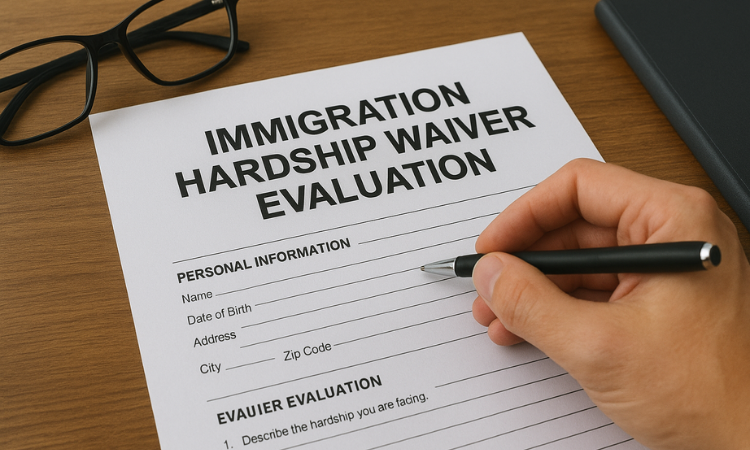
Get a professional Immigration Hardship Waiver Evaluation | AACS

For many families, the immigration process can be overwhelming—especially when facing possible family separation or denied entry to the United States. In these situations, an immigration hardship waiver evaluation becomes essential. This professional report, prepared by a licensed psychologist, helps demonstrate to U.S. Citizenship and Immigration Services (USCIS) how a qualifying relative would suffer extreme hardship if a waiver is not approved.

At AACS Counseling, we provide thorough immigration hardship waiver evaluations that strengthen waiver applications, documenting the emotional toll, psychological distress, and financial hardship that families may face.

Hardship Evaluations for Immigration Services

An immigration evaluation—sometimes referred to as a psychological hardship assessment—is a detailed report created by a trained mental health professional. It provides evidence about the emotional well-being, mental health issues, and financial difficulties that would result if a loved one were removed from the country or forced to relocate.

Our immigration evaluation services are designed to support:

  • Extreme hardship waivers
  • Provisional unlawful presence waivers
  • Violence Against Women Act (VAWA) petitions
  • Political asylum applications
  • Cases involving domestic violence, human trafficking, or past trauma

Who Qualifies For An Extreme Hardship Waiver?

A hardship waiver is available to immigrants who can demonstrate that removal or denial of entry would create extreme hardship for a qualifying relative, such as:

  • U.S. citizen spouse
  • Lawful permanent resident spouse
  • Citizen or resident parent

To qualify, families must prove that separation or relocation would significantly affect the emotional well-being, mental health conditions, or financial stability of the relative. An experienced immigration attorney will determine eligibility for your immigration case and guide applicants through the process.

Psychological Evaluation For Extreme Hardship Waivers

A key part of the waiver application is the psychological evaluation. At AACS Counseling, our licensed psychologists conduct compassionate, in-depth interviews and assessments to evaluate:

  • Mental health conditions such as anxiety, depression, or PTSD
  • Psychological distress from possible family separation
  • The psychological impact of relocating to a native country where safety, resources, or healthcare may be limited
  • Effects of domestic abuse, physical abuse, or sexual assault

The result is a detailed report in legal language that your immigration lawyer can use as evidence to support your hardship petition.

What Factors Determine Extreme Hardship?

When reviewing waiver requests, USCIS looks at many extreme hardship factors, including:

  • Medical conditions requiring care in the U.S.
  • Limited access to treatment, education, or employment in the native country
  • Caregiving responsibilities for children, elders, or other family members
  • The emotional toll and psychological impact of family separation
  • The effect of financial hardship and loss of shared financial responsibilities
  • Exposure to civil unrest, criminal history, or unsafe living conditions abroad

These extreme hardship factors must be carefully documented in the hardship evaluation.

What Is An Extreme Hardship Letter, And What Should It Include?

Along with a professional evaluation, applicants often submit an extreme hardship letter. This personal statement explains, in detail, the challenges that the qualifying relative would face.

A strong letter typically includes:

  • Family dynamics and the role of the immigrant in the household
  • Financial obligations and financial difficulties if separated
  • Emotional being and psychological impact of removal
  • Evidence of caregiving responsibilities or dependence on the applicant

Your immigration attorney will help organize the hardship letter with the immigration evaluation services and psychological evaluation to create a powerful waiver petition.

What is Extreme or Exceptional Hardship?

“Extreme” or “exceptional hardship” goes beyond the usual difficulties that any family would face during relocation. It means that the impact is severe, lasting, and would constitute extreme hardship under immigration law.

Examples include:

  • A permanent resident spouse who cannot access proper medical care abroad
  • A citizen spouse whose emotional well-being would collapse due to separation
  • Children who would lose access to educational opportunities or face emotional distress
  • Families are forced to live in countries with civil unrest or a lack of healthcare

Examples of Extreme Hardship

Some real-life examples of extreme hardship include:

  • A mother with a serious medical condition who depends on her immigrant spouse for daily care
  • A child with mental wellness concerns who would lose stability and treatment if forced to relocate
  • A survivor of domestic violence applying under the Violence Against Women Act (VAWA) who faces danger if returned to their native country
  • Families suffering psychological distress and financial hardship due to lost shared financial responsibilities

What to Expect From a Hardship Assessment for Immigration?

When you schedule a hardship assessment at AACS Counseling, you can expect:

  1. Initial Consultation – We gather details about your immigration case and circumstances.
  2. Comprehensive Interviews – A licensed psychologist conducts one-on-one sessions to explore mental health, family dynamics, and the emotional toll.
  3. Mental Health Evaluation – We assess psychological impact, past trauma, and potential mental distress.
  4. Documentation of Financial Hardship – We evaluate how financial difficulties would affect your qualifying relative.
  5. Written Report – A thorough, evidence-based psychological evaluation ready for submission with your waiver.

How Much Does an Extreme Hardship Evaluation Cost?

The hardship evaluation cost depends on the complexity of the immigration case, the number of sessions required, and whether multiple family members need assessments. At AACS Counseling, we provide transparent pricing and flexible options, making sure professional support is accessible to those in need.

Investing in a proper immigration hardship evaluation can make the difference between an approved or denied waiver, as it provides your immigration attorney with the professional documentation needed to present a strong case.

Why Choose AACS Counseling for Immigration Hardship Evaluations?

  • Experienced Evaluator who understand both mental health and the immigration process
  • Reports tailored to meet immigration proceedings standards
  • Compassionate, trauma-informed care for sensitive cases involving domestic abuse, human trafficking, or past trauma
  • Affordable hardship evaluation cost and flexible scheduling
  • Close collaboration with your immigration lawyer to strengthen your petition

Start Your Evaluation Today

If you or a loved one is navigating the immigration process and may suffer extreme hardship due to separation or relocation, AACS Counseling is here to help. Our compassionate immigration hardship evaluations are designed to support your hardship waiver petition and provide your immigration attorney with the tools to fight for your qualifying relative’s future.

Contact AACS Counseling today to schedule your immigration hardship evaluation and begin building a stronger case for your family’s security.

Are Virtual DOT SAP Evaluations Legal Under FMCSA Rules?

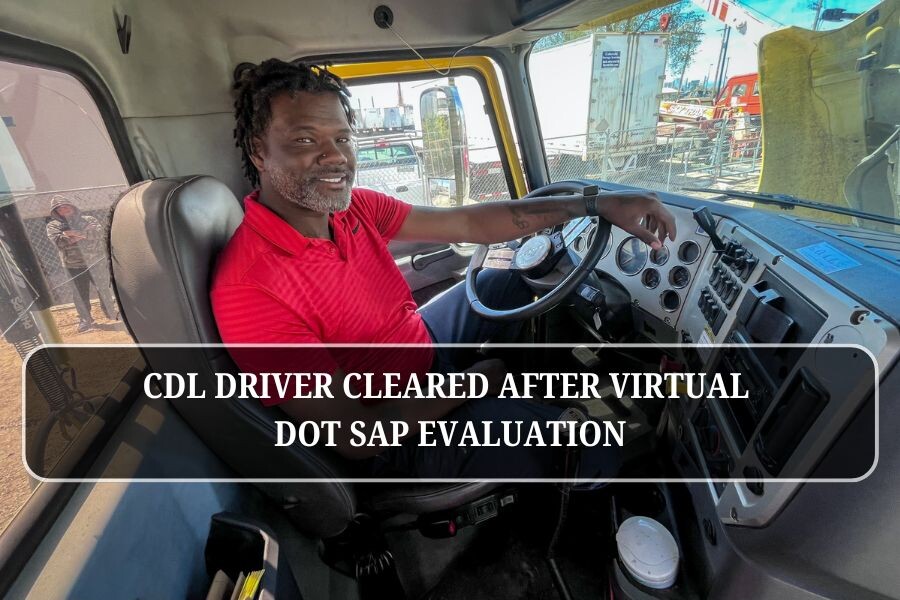
When a commercial driver tests positive for drugs or alcohol, the Return-to-Duty process begins with a DOT SAP evaluation. Today, many drivers choose Virtual DOT SAP Evaluations, which are fully legal under FMCSA rules. In this blog, we’ll explain their legality, benefits, and how online assessments work.

But many drivers now ask: “Can I do my SAP evaluation virtually instead of in person? And is it legal under FMCSA rules?”

The short answer: Yes, virtual DOT SAP evaluations are legal and accepted—as long as they are conducted by a qualified DOT-approved SAP and follow all FMCSA guidelines. In this blog, we’ll explain the legality, benefits, and things drivers should know before choosing telehealth SAP services.

What the FMCSA Says About Virtual SAP Evaluations

The Federal Motor Carrier Safety Administration (FMCSA) allows DOT SAP evaluations to be conducted via telehealth/virtual platforms.

  • Virtual evaluations must be performed by a qualified SAP listed in the DOT guidelines.
  • The process must include the same assessment standards as in-person evaluations.
  • All reports and recommendations are documented in the FMCSA Clearinghouse just like in traditional evaluations.

👉 In other words, the method (in-person vs. virtual) doesn’t change the legal requirements. What matters is compliance and accuracy.

Benefits of Choosing Virtual SAP Evaluations

  1. Faster Scheduling – No travel; same-day appointments often available.
  2. Nationwide Access – You aren’t limited to local providers.
  3. Convenience – Conduct your evaluation from home, work, or even on the road.
  4. DOT Compliance – Virtual evaluations carry the same legal weight as in-person ones.
  5. Lower Costs – Save on travel expenses and time off work.

Are Virtual Evaluations Always Accepted?

Yes—employers, DOT, and FMCSA all accept virtual SAP evaluations as long as:

⚠️ Warning: Some unqualified providers claim to offer “quick SAP clearance” online. If your SAP is not DOT-approved, your evaluation will be rejected, delaying your Return-to-Duty process.

Step-by-Step: How a Virtual SAP Evaluation Works

  1. Book an appointment online with a DOT-approved SAP.
  2. Meet via secure telehealth video session (phone-only calls are not valid).
  3. Complete the assessment about your history, violation, and recovery needs.
  4. Receive a treatment/education recommendation.
  5. Finish required steps (classes, treatment, or counseling).
  6. SAP follow-up evaluation & clearance entered into FMCSA Clearinghouse.
  7. Employer Return-to-Duty drug test before resuming driving.

Conclusion

Virtual DOT SAP evaluations are 100% legal under FMCSA rules and offer a faster, more convenient way for CDL drivers to start the Return-to-Duty process. The key is choosing a qualified SAP provider who understands DOT regulations and ensures every step is compliant.

👉 At AACS Counseling, we offer nationwide virtual SAP evaluations that meet FMCSA standards—helping drivers return to duty safely, quickly, and legally.

How to Choose an SAP Who Won’t Waste Your Time

You are off the road. Your paycheck has stopped. You are likely frustrated, anxious, and worried about the future of your career. When you are sitting in this position, time is your most valuable currency. Every day you spend navigating the Department of Transportation (DOT) Return-to-Duty process is a day you aren’t earning a living.

Finding a Substance Abuse Professional (SAP) is the mandatory first step to getting back in the driver’s seat. But here is the hard truth: not all SAPs are created equal.

Choosing the wrong professional can turn a difficult situation into a nightmare. A disorganized or unqualified SAP can delay your paperwork, prescribe unrealistic treatment plans, or worse—invalidate your entire return-to-duty process, forcing you to start over from scratch.

You need someone efficient, qualified, and professional. This guide will help you spot the red flags immediately so you can hire an SAP who helps you solve your problem, rather than becoming a new one.

Why Your Choice of SAP Matters

The SAP is the gatekeeper of your career right now. Under 49 CFR Part 40 regulations, you cannot return to safety-sensitive duties until an SAP evaluates you, prescribes a plan, and re-evaluates you to confirm compliance.

They hold significant power over your timeline. They determine:

  • Whether you need education or inpatient treatment.
  • When you are eligible for a return-to-duty test.
  • How many follow-up tests you will face over the next 1-5 years.

If you choose poorly, you might end up with a counselor who doesn’t understand the trucking industry, doesn’t answer their phone, or isn’t actually DOT-qualified.

Red Flags: Run Away From SAPs Who Do This

When you are calling around from the list your employer provided (or one you found online), listen carefully. If you encounter any of these red flags, hang up and call the next number.

Red Flag #1: They Guarantee a “Quick Fix” Before Meeting You

If an SAP tells you over the phone, “Don’t worry, I’ll get you back to work in two weeks,” or “I usually just prescribe a short online class,” run.

Why it’s a problem: An SAP is federally required to make a clinical evaluation based on a face-to-face assessment. They cannot ethically or legally predict your treatment plan before they have evaluated you. An SAP who promises a specific outcome to get your business is cutting corners, and the DOT audits these records. If their “rubber stamp” process is discovered, your return-to-duty status could be revoked.

Red Flag #2: They Are Hard to Contact

You call to set up an appointment and get a voicemail. You leave a message. Two days pass. You call again.

Why it’s a problem: If they are unresponsive when they are trying to get your money, imagine how unresponsive they will be when you need them to send critical paperwork to the Clearinghouse. The Return-to-Duty process requires the SAP to upload specific reports to the FMCSA Drug and Alcohol Clearinghouse. If they are slow to upload these reports, you remain ineligible to drive, even if you have finished your treatment. You need someone who picks up the phone.

Red Flag #3: They Don’t Ask About Your Specific DOT Mode

The rules for the Federal Motor Carrier Safety Administration (FMCSA) are generally the same as the Federal Aviation Administration (FAA) regarding the testing process, but the industry context matters.

Why it’s a problem: You want an SAP who specializes in your industry. If you are a long-haul trucker, you need an SAP who understands that requiring you to attend a support group every Tuesday night at 7:00 PM in your hometown is impossible if you are on the road. A good SAP understands the logistical challenges of safety-sensitive work and tailors the follow-up plan accordingly.

Red Flag #4: Their Credentials Are Vague

“I’m a certified counselor” is not enough. To be a DOT SAP, a professional must have specific licensure (like a licensed physician, social worker, or psychologist) AND must have completed specific qualification training and exams.

Why it’s a problem: If a counselor is not currently DOT-qualified, their evaluation is worthless. You will pay for the session, complete the treatment, and then find out that the DOT won’t accept it. You will have to start over with a new SAP and pay again. Always ask, “Are your DOT qualifications current?”

Red Flag #5: Hidden Fees

Some SAPs charge a low initial fee for the assessment but then nickel-and-dime you for every step after that.

Why it’s a problem: The process involves an initial evaluation, a referral to education/treatment, a follow-up evaluation, and entering data into the Clearinghouse. Some less reputable providers will charge you extra for the follow-up report or for “administrative fees” to update the Clearinghouse. Demand a clear, written breakdown of the total cost for the entire SAP process before you book the appointment.

Green Flags: What a Good SAP Looks Like

So, what should you look for? A professional SAP who respects your time will usually display these traits:

  • Transparency: They explain the process clearly, including the fact that they cannot guarantee a timeline until after the assessment.
  • Knowledge: They reference specific DOT regulations and the Clearinghouse without hesitation.
  • Technology: They use professional systems to manage appointments and paperwork, ensuring nothing gets lost.
  • Decisiveness: They give clear instructions on where to go for education or treatment and provide a list of providers who fit your budget and location.

The Cost of “Cheap”

It is tempting to pick the cheapest SAP on the list, especially when you aren’t working. However, the cheapest option is often the most expensive in the long run.

If a “cheap” SAP delays your paperwork by two weeks because they are disorganized, you have lost two weeks of wages. That loss is likely much higher than the $100 or $200 you saved on the assessment fee. Treat this as an investment in getting your career back.

Frequently Asked Questions

What qualifications should an SAP have?

An SAP must have a specific professional credential (such as being a licensed physician, licensed social worker, licensed psychologist, or certified employee assistance professional). Additionally, they must have completed qualification training specific to DOT regulations and passed an exam. They must also complete continuing education credits to maintain this status.

Can I switch SAPs if I’m unhappy?

This is tricky. Once you complete the initial evaluation with an SAP, you are generally “locked in” to that SAP for the duration of the process. You cannot “doctor shop” just because you don’t like their treatment recommendation. However, if the SAP becomes unresponsive or unable to complete the process, there are specific protocols for transferring your case, but it is difficult and causes delays. It is much better to choose the right one first.

How much does an SAP cost?

Prices vary by region and provider, but you can generally expect to pay between $400 and $600 for the SAP services (which usually includes the initial evaluation and the follow-up evaluation). Note that this fee usually does not cover the cost of the education or treatment program they prescribe; you will pay for that separately.

Conclusion

Failing a drug test puts your career on pause, but choosing a bad SAP puts it in quicksand. Don’t let panic drive your decision. Take an hour to call a few providers. Ask about their Clearinghouse experience. Ask about their timeline for paperwork. A professional SAP will understand the urgency of your situation and work efficiently to help you regain your eligibility.

The road back to duty is strict, but with the right partner guiding you, it is absolutely navigable. Choose wisely, follow the plan, and you will be back behind the wheel before you know it.

DUI Evaluations: What to Expect During the Court-Ordered Process

If you’ve been arrested for driving under the influence, the court may require you to complete a DUI evaluation before moving forward. DUI evaluations are designed to determine whether substance use played a role in your offense and what steps are necessary for compliance. Understanding what to expect during this process can ease anxiety and help you prepare.

What Are DUI Evaluations?

DUI evaluations are structured assessments ordered by a judge to determine the extent of alcohol or drug involvement. The results guide the court in assigning education classes, treatment, or counseling.

What Happens During a Court-Ordered DUI Evaluation?

The DUI evaluation process generally includes:

  • Personal & Legal History Review – arrest details, prior offenses, and driving record.
  • Substance Use Questionnaire – questions about alcohol or drug patterns.
  • One-on-One Interview – to explore your background and risks.
  • Screening Tools – standardized tests like AUDIT or DAST.
  • Evaluation Report – recommendations for classes or treatment.

How Long Do DUI Evaluations Take?

Most DUI evaluations last 60–90 minutes, depending on your case.

Cost of Court-Ordered DUI Evaluations

On average, DUI evaluations cost between $100 and $250. Additional treatment, if required, may add to the cost.

Why DUI Evaluations Are Important

Completing a DUI evaluation:

  • Meets court requirements.
  • Identifies if treatment is needed.
  • Helps reduce repeat offenses.
  • Shows the court you are responsible.
  • Tips to Prepare for a DUI Evaluation
  1. Be honest about your substance use.
  2. Bring required documents (arrest reports, court orders).
  3. Stay calm—it’s an evaluation, not a punishment.
  4. Complete any follow-up requirements promptly.

Conclusion

DUI evaluations are a crucial part of the court-ordered process. By understanding the steps, costs, and outcomes, you can complete the evaluation confidently and meet your legal obligations.

Need a professional DUI evaluation? Contact AACS Counseling today for confidential and court-approved DUI assessments.

California: The Remote SAP Evaluation Guide

How California CDL holders can navigate the FMCSA Clearinghouse from home.

For a truck driver, time is money. But if you have failed a drug or alcohol test, your ability to earn that money comes to a screeching halt. You receive a “Prohibited” status in the FMCSA Clearinghouse, and suddenly, you are grounded. The path back to the driver’s seat involves seeing a Substance Abuse Professional (SAP), but for many California drivers, getting to that appointment is a logistical nightmare.

If you live in a rural part of the state, like up in the High Sierras or out in the Mojave, a qualified SAP might be three hours away. If you are in Los Angeles or the Bay Area, the clinic might be only ten miles away, but traffic turns that ten miles into a two-hour ordeal.

This guide answers the most pressing question for California drivers facing this hurdle: Can you complete your SAP evaluation online? We will break down the legality, the Department of Transportation (DOT) rules, and how you can get back on the road without leaving your living room.

Is an Online SAP Evaluation Legal in California?

The short answer is yes. But it is important to understand why it is legal so you can feel confident in the process.

Historically, the DOT required face-to-face assessments. The goal was to ensure the SAP could properly evaluate the driver’s condition, demeanor, and physical signs of substance use. However, the world changed in 2020. The COVID-19 pandemic made in-person medical visits difficult or impossible.

In response, the DOT’s Office of Drug and Alcohol Policy and Compliance (ODAPC) issued a “Statement of Enforcement Discretion.” This guidance allowed SAPs to conduct remote evaluations under specific conditions. While the public health emergency has evolved, the utility and acceptance of telehealth have remained strong.

Understanding the “Statement of Enforcement Discretion”

This technical-sounding term is actually your best friend right now. The Statement of Enforcement Discretion essentially says that the DOT will not enforce the strict requirement for in-person interviews if certain criteria are met.

This flexibility allows SAPs to use technology to conduct the assessment. This isn’t just a phone call, though. To be compliant, the evaluation must be conducted via video conferencing. The SAP needs to see you, and you need to see them. This visual connection satisfies the requirement for a “face-to-face” interaction, even if you are hundreds of miles apart.

Key requirements for a valid remote evaluation include:

  • Real-time video and audio: Both parties must communicate without delay.
  • Quality connection: The video must be clear enough for the SAP to observe physical cues.
  • Privacy: You must be in a private setting where the interview cannot be overheard or interrupted.

Why California Drivers Need Remote Options

California presents unique challenges for commercial drivers. The state is massive, covering over 163,000 square miles. The distribution of qualified Substance Abuse Professionals does not always match where drivers live.

The Rural Driver’s Dilemma

Imagine you are based in a rural town in Humboldt County or the Central Valley. There may not be a single DOT-qualified SAP in your zip code, or even in your county. Before remote options, you would have to drive—or find a ride, since you might be suspended from driving commercially—to a major city. This adds stress and cost to an already difficult situation.

The Urban Traffic Trap

Drivers in urban hubs face a different beast: congestion. Trying to get from Long Beach to a clinic in downtown LA during business hours is a nightmare. You could lose half a day just sitting in traffic. Remote evaluations eliminate the commute entirely. You can log in from your home office or kitchen table, complete the assessment, and get back to your day immediately.

How the Remote SAP Process Works

If you are ready to clear your “Prohibited” status, here is what the remote process generally looks like. It mirrors the traditional process but adds the convenience of technology.

1. Verification of Technology

Before your appointment, the SAP office will likely check that you have a device with a working camera and microphone. This could be a smartphone, tablet, or laptop. They will send you a secure link to a video platform (like Zoom or a secure medical portal).

2. The Initial Evaluation

You will log in at your scheduled time. The SAP will conduct a comprehensive clinical interview. They will ask about your substance use history, the circumstances of your violation, and other personal factors. Because the video is high-quality, they can still assess your demeanor and engagement just as they would in an office.

3. Recommendation and Education

Based on the interview, the SAP will recommend a course of education and/or treatment. This is a mandatory step. You cannot return to duty without completing it. The beauty of the digital age is that many of these education courses or counseling sessions can also be coordinated locally or online, depending on the provider’s network.

4. The Follow-Up Evaluation

Once you finish your education or treatment, you must have a follow-up evaluation. This determines if you have successfully complied with the SAP’s recommendations. Under the current guidance, this can also be done remotely via video.

5. Return-to-Duty Testing

If the SAP determines you have successfully complied, they will issue a report to your employer (or prospective employer). This clears the way for you to take a Return-to-Duty (RTD) urine or breath test. Once that test is negative, you are eligible to drive again.

Ensuring Your Online Evaluation is Legitimate

While remote evaluations are legal, you must ensure you are working with a legitimate, DOT-qualified professional. The internet is full of scams, and the DOT is strict about credentials.

Here is how to protect yourself:

  • Check the Credentials: Ensure the provider is a qualified SAP. They must have specific credentials (like a licensed physician, social worker, or psychologist) and have completed DOT-specific training and exams.
  • Confirm Video Usage: If a provider offers to do the evaluation over a regular phone call or via email only, run away. That is not compliant with DOT rules and will not be accepted by the Clearinghouse. It must be a video call.
  • Clearinghouse Registration: A legitimate SAP will ask you to designate them in the FMCSA Clearinghouse before they conduct the evaluation. If they don’t mention the Clearinghouse, they may not be qualified.

The Benefit of Speed and Privacy

Beyond just saving gas money, remote evaluations offer privacy. Walking into a clinic for a substance abuse evaluation can feel stigmatizing for some. doing it from the privacy of your own home can reduce anxiety, allowing for a more honest and productive conversation with the SAP.

Furthermore, remote appointments often have better availability. You aren’t limited to the one SAP in your town who is booked out for three weeks. You can look for qualified SAPs anywhere in California who offer remote services, helping you get an appointment sooner. The faster you get evaluated, the faster you can start your return-to-duty process.

Clearing Your Status: The Road Ahead

Navigating a DOT violation is stressful. You are worried about your job, your license, and your income. The option to complete your SAP evaluation remotely removes one major headache from the equation.

By using video technology, you leverage the flexibility the DOT has provided to keep drivers moving through the system efficiently. Whether you are avoiding the 405 freeway or saving a four-hour trip from the mountains, remote evaluations are a valid, legal, and smart choice for California drivers.

Don’t let distance or traffic delay your return to work. Take advantage of modern tools to get your career back on track.

Need to schedule your evaluation?
Find a qualified SAP who offers remote video assessments today and take the first step toward clearing your status in the FMCSA Clearinghouse.

If you are looking for a Qualified SAP in California, we can help you start today.

Hiring Drivers with Past DOT Violations in 2025: Legal Guidelines

In 2025, employers often wonder if hiring drivers with past DOT violations is legally allowed. The answer is yes—provided the driver has completed the DOT-mandated Substance Abuse Professional (SAP) process and Return-to-Duty (RTD) testing. This blog explains what the law allows, employer responsibilities, and compliance rules.

Can Employers Hire Drivers with Past DOT Violations?

Hiring drivers with past DOT violations is legal if:

  • The driver has completed a SAP evaluation.
  • All treatment and education requirements are fulfilled.
  • A negative return-to-duty test is on record.
  • The driver’s status in the FMCSA Clearinghouse shows compliance.

👉 Employers cannot place drivers with unresolved violations into safety-sensitive roles.

Employer Responsibilities When Hiring Drivers with Past DOT Violations

  1. Run a Clearinghouse Query – Employers must check for violations or RTD status.
  2. Verify SAP Completion – The SAP must confirm compliance.
  3. Follow-Up Testing – Employers must carry out the SAP’s follow-up plan (12–60 months).
  4. Maintain Records – Keep SAP reports, RTD tests, and follow-up logs.

What the Law Allows in 2025

Federal regulations (49 CFR Part 40) permit hiring drivers with past DOT violations if they:

  • Are not prohibited from safety-sensitive duties.
  • Have completed the return-to-duty process.
  • Are monitored under follow-up testing if required.

🚫 Employers cannot bypass the Clearinghouse or ignore SAP recommendations.

Risks of Hiring Drivers with Past DOT Violations

  • Insurance Premiums may rise.
  • Reputation Risks with clients.
  • Legal Liability if a violation-related crash occurs.

Still, many drivers who finish the SAP process return as safe, compliant employees.

Benefits of Hiring Rehabilitated Drivers

  • Expands the Talent Pool amid driver shortages.
  • Shows Recovery Commitment—SAP completion proves responsibility.
  • Retention Opportunities—reinstated drivers are often motivated to perform.

Staying Compliant in 2025

Employers hiring drivers with past DOT violations should:

  • Use qualified SAP providers.
  • Run FMCSA Clearinghouse queries before hiring.
  • Train HR on DOT compliance rules.
  • Follow all testing schedules carefully.

Conclusion

In 2025, hiring drivers with past DOT violations is legal if employers follow DOT and FMCSA compliance steps. By verifying SAP completion, RTD testing, and Clearinghouse records, companies can confidently give drivers a second chance while protecting safety and reducing risk.

Need SAP compliance support? Contact AACS Counseling for DOT-qualified SAP evaluations and return-to-duty guidance.

Can Employers Get Insurance Discounts for SAP Program Compliance?

Many employers in the transportation industry ask: Can compliance with the DOT SAP program actually reduce insurance costs? The answer is increasingly yes. Insurers reward companies that demonstrate a commitment to safety, accountability, and compliance. By following the Substance Abuse Professional (SAP) program guidelines, employers can reduce liability risks, strengthen safety records, and sometimes qualify for better insurance rates.

This blog explains how insurance discounts for SAP program compliance work, what factors insurers consider, and why employers should take compliance seriously.

What Is SAP Program Compliance?

SAP program compliance means that an employer properly manages drivers who:

  • Tested positive for drugs or alcohol under DOT regulations.
  • Were immediately removed from safety-sensitive duties.
  • Completed a SAP evaluation and treatment process.
  • Successfully passed a return-to-duty test.
  • Are subject to follow-up testing for up to 60 months, as directed by the SAP.

When companies follow these rules under 49 CFR Part 40, they reduce risks of accidents, lawsuits, and federal penalties.

How SAP Program Compliance Affects Employer Insurance

Insurance companies assess risk when determining premiums. Employers who can demonstrate SAP program compliance show that they:

  • Actively manage high-risk drivers.
  • Maintain DOT and FMCSA safety standards.
  • Reduce the likelihood of repeat violations.
  • Prioritize prevention through follow-up testing.

By lowering risk exposure, insurers are more likely to reward employers with discounted premiums or more favorable policy terms.

Can Employers Really Get Insurance Discounts for SAP Program Compliance?

Yes—while not all insurers advertise it directly, many take compliance and safety programs into account when calculating rates.

Ways compliance can translate to insurance discounts:

  1. Lower Risk Ratings – Safer companies often qualify for lower premiums.
  2. Fewer Claims – Compliance reduces accidents, cutting claim costs.
  3. Safety Incentives – Some insurers offer rewards for documented safety programs.
  4. Negotiation Power – Employers can use SAP compliance as leverage when renewing policies.

Benefits Beyond Insurance Savings

Even if discounts are modest, employers still benefit from SAP compliance:

  • Avoiding DOT fines for non-compliance.
  • Protecting company reputation with clients and regulators.
  • Retaining drivers who successfully complete the SAP process.
  • Reducing turnover costs by supporting rehabilitation instead of immediate termination.

Best Practices for Employers Seeking Insurance Discounts

  1. Document Everything – Keep thorough records of SAP evaluations, return-to-duty tests, and follow-ups.
  2. Work with DOT-Qualified SAPs – Only qualified providers are recognized by the FMCSA.
  3. Communicate with Insurers – Ask if compliance programs factor into your premium calculation.
  4. Integrate Safety Programs – Combine SAP compliance with driver training and drug testing for maximum impact.

Conclusion

While insurance discounts for SAP program compliance may vary by provider, demonstrating strong compliance can improve your company’s safety rating, reduce liability, and help negotiate better insurance rates. Beyond financial savings, SAP compliance builds trust with regulators, clients, and drivers—making it a smart investment in both safety and business stability.

Need help with SAP compliance? Contact AACS Counseling for DOT-qualified SAP evaluations and employer support.

What Happens After a DOT SAP Evaluation? The Full Return-to-Duty Timeline

What happens after a DOT SAP evaluation? For many drivers, this question comes right after receiving a violation or failing a DOT drug or alcohol test. The return-to-duty timeline can feel overwhelming, but understanding each step ensures compliance with the FMCSA Clearinghouse and DOT regulations. This guide breaks down the entire process—step by step—so you know exactly what to expect after your SAP evaluation.

Step 1: Initial SAP Evaluation

The first step after a violation is undergoing a Substance Abuse Professional (SAP) evaluation. This assessment helps determine the severity of the issue and outlines the recommended treatment or education plan. Drivers cannot move forward until this step is completed.

Step 2: Treatment or Education Plan

Following the evaluation, the SAP creates a personalized recovery plan. Depending on the case, this might include:

  • Substance abuse education
  • Counseling sessions
  • Inpatient or outpatient treatment

Completion of this step is crucial, as failure to comply means drivers remain ineligible to return to safety-sensitive duties.

Step 3: Follow-Up SAP Evaluation

Once the recommended program is completed, the driver must return for a follow-up SAP evaluation. The SAP verifies whether the driver successfully met all requirements and is ready to proceed with the return-to-duty (RTD) process.

Step 4: DOT Return-to-Duty Drug Test

After SAP clearance, drivers must take a DOT return-to-duty drug or alcohol test. This test must return a negative result before the employer can allow the driver to resume safety-sensitive functions.

Step 5: Employer Notification & Clearinghouse Update

The FMCSA Clearinghouse records every step. Employers are notified when drivers complete their SAP program and pass their RTD test. Without Clearinghouse compliance, drivers remain barred from duty.

Step 6: Follow-Up Testing Plan

Even after returning to work, drivers are subject to a follow-up testing schedule created by the SAP. This plan can last up to five years and involves random, unannounced tests to ensure ongoing compliance.

Why the DOT SAP Return-to-Duty Timeline Matters

Understanding what happens after a DOT SAP evaluation ensures both drivers and employers stay compliant. Skipping steps or rushing the process can lead to legal issues, extended suspensions, or termination of employment.

Final Thoughts

If you’ve ever wondered what happens after a DOT SAP evaluation, the answer lies in following the structured return-to-duty timeline. From the initial SAP assessment to follow-up testing, each step is designed to promote recovery while ensuring road safety. Drivers who remain compliant can successfully return to their careers while maintaining DOT and FMCSA standards.

Call Now