DOT SAP Program Archives - Page 34 of 34 - AACS Counseling

DOT SAP Program Emergency Consultation: Get Back on the Road Fast

The moment you see that positive result, your stomach drops. You know exactly what it means: your wheels stop turning, and your paycheck stops coming.

For a commercial driver, a failed DOT drug or alcohol test feels like a career-ending disaster. Suddenly, your status in the FMCSA Clearinghouse reads “Prohibited,” and you are legally barred from performing safety-sensitive functions. The silence of the phone not ringing with dispatch orders is deafening.

But here is the truth you need to hear right now: This is not the end of your career.

Thousands of drivers face this hurdle and successfully return to the driver’s seat. However, the longer you wait to start the Return-to-Duty (RTD) process, the more income you lose. Every hour you sit idle is money out of your pocket.

We specialize in emergency Substance Abuse Professional (SAP) evaluations designed to navigate the Department of Transportation regulations quickly, legally, and without judgment.

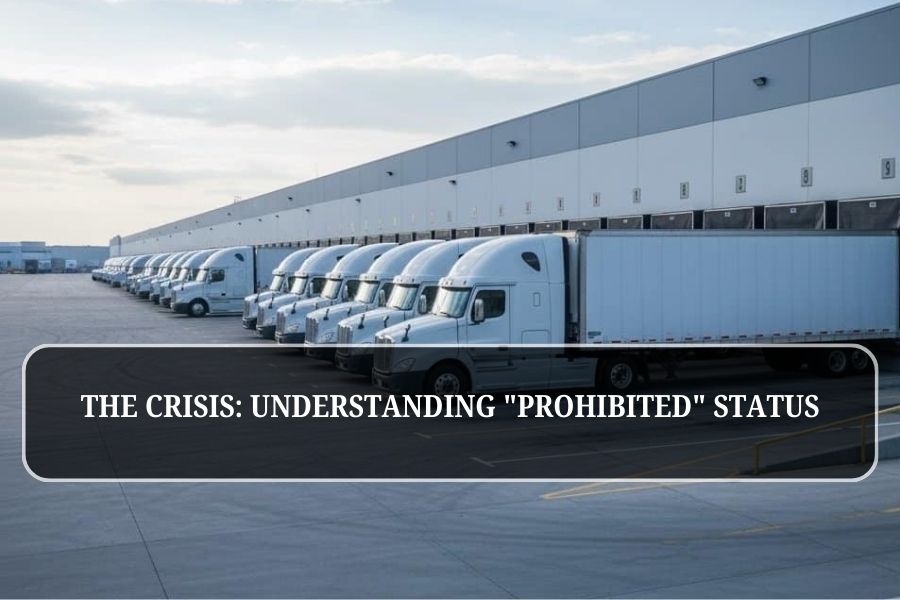
The Crisis: Understanding “Prohibited” Status

When you fail a test or refuse to take one, the violation is immediately recorded in the FMCSA Drug and Alcohol Clearinghouse. This is a federal database that all employers must check.

Until you successfully complete the SAP process, you are essentially grounded. You cannot switch companies to hide it; the violation follows your CDL. This “prohibited” status creates immense stress. You are likely worrying about:

  • How to pay your bills without your driving income.
  • Whether you will ever be hired again.
  • The embarrassment of facing your employer or peers.

We understand this stress. Our role isn’t to judge you for the violation; our role is to provide the federally mandated pathway to fix it. The only way out is through, and the fastest way through is with an expert who knows the system inside and out.

The Solution: Your Roadmap to Recovery

The Department of Transportation (DOT) has a rigid, non-negotiable process for getting back to work. You cannot skip steps, but you can choose a SAP who moves with urgency.

We have streamlined our intake and evaluation procedures to minimize downtime. Here is the specific checklist you will need to complete.

Roadmap to Recovery Checklist

  • Step 1: Initial Evaluation: A face-to-face (or DOT-approved video) assessment with a qualified SAP.
  • Step 2: Recommendation: We prescribe a specific education or treatment plan tailored to your situation.
  • Step 3: Education & Treatment: You complete the assigned course or counseling.
  • Step 4: Follow-Up Evaluation: A second meeting to confirm you have complied with the recommendations.
  • Step 5: RTD Testing: Once the SAP clears you, your employer sends you for a Return-to-Duty drug test (must be negative).
  • Step 6: Follow-Up Testing Plan: We provide your employer with a schedule for unannounced follow-up tests to ensure long-term compliance.

The “Emergency” Factor: Why Wait Weeks?

In the standard medical world, booking an appointment with a specialist can take weeks. You do not have weeks. You have bills due now.

We treat your situation as an emergency because, for your livelihood, it is one. We offer Same-Day or Next-Day Initial Consultations.

By prioritizing your case, we ensure that your status in the Clearinghouse is updated from “Prohibited” to “Return-to-Duty Process Started” as fast as humanly possible. This signals to current and future employers that you are taking immediate action to rectify the situation.

DOT SAP Process Timeline: Standard vs. Expedited

See the difference our emergency focus makes in your timeline to return to work:

Step

Standard Process

Our Emergency Consultation

Initial Contact

3–7 Days

Same Day / Next Day

Initial Evaluation

Scheduling out weeks

Priority Booking

Clearinghouse Update

Manual/Slow

Immediate Digital Reporting

Plan Development

Generic

Tailored for Speed & Compliance

Breaking Down the 6-Step SAP Process

To help you understand exactly what lies ahead, here is a detailed look at the six steps required by 49 CFR Part 40 regulations.

1. The Initial Evaluation

This is our starting point. During this clinical interview, we assess your history and the circumstances of the violation. This isn’t an interrogation; it’s a necessary step to determine the level of help you need. Our goal is to make you feel comfortable and respected, not criticized.

2. The Recommendation

Based on the evaluation, we refer you to an education program or treatment provider. Because we want you back on the road, we maintain a network of accessible, high-quality providers who understand the urgency of DOT requirements. We won’t send you to a program with a six-month waiting list.

3. Education and Treatment

You must complete the prescribed plan. This could range from an educational course on substance abuse to outpatient counseling. It is crucial you take this seriously. Speed is important, but compliance is mandatory. If you cut corners here, the DOT requires us to restart the process.

4. The Follow-Up Evaluation

Once you finish your education or treatment, you return to us for a second evaluation. This is where we determine if you have successfully demonstrated compliance. If you have done the work, we issue a report stating you are eligible for the Return-to-Duty test.

5. The Return-to-Duty (RTD) Test

With our approval, your employer (or a future employer) can order the RTD test. This must be a directly observed collection. Once this test comes back negative, you are legally allowed to drive again.

6. Follow-Up Testing

To ensure safety, we establish a follow-up testing schedule. This will include at least six unannounced tests in the first 12 months, but it can extend up to five years. This schedule follows you even if you change employers.

Why Drivers Choose Our “Fast Track” Program

You need more than just a rubber stamp; you need a partner who understands the trucking industry.

1. A Judgment-Free Zone
We work with professionals, not criminals. Good drivers make mistakes. We treat you with the dignity and respect you deserve throughout the entire process.

2. Clearinghouse Expertise
The FMCSA Clearinghouse can be confusing. We handle the technical side, ensuring your assessments are uploaded immediately so there is no administrative lag keeping you off the road.

3. Tailored for Speed
We look for the most efficient, compliant path for your specific situation. We don’t use a “one size fits all” approach that keeps you in treatment longer than necessary.

Don’t Let a Failed Test Park You Permanently

Every day you wait to book your evaluation is another day of lost wages. The violation happened, and you cannot change the past. But you have total control over what happens next.

The road is waiting. You have the skills and the experience—you just need the clearance. Let’s get this handled so you can get back in the cab where you belong.

EMERGENCY CONTACT & BOOKING

If you are currently prohibited from driving, do not wait.
Call our Emergency SAP Line immediately: 800-683-7745

Book Your Consultation Now

What company has the highest paid truck drivers?

The trucking industry is the backbone of the U.S. economy, ensuring goods are delivered across the country. With this vital role comes opportunities for truck drivers to earn competitive salaries. But which company pays its drivers the most? That’s the golden question for many drivers looking to maximize their income. Whether you’re starting your career or seeking better pay, this blog takes a closer look at trucking companies known for offering top-tier salaries.

We’ll provide a detailed breakdown of some of the SAP highest-paying companies, discuss their benefits, and explain what sets them apart in the industry.

Factors That Influence Truck Driver Pay

Before we jump into the list, it’s important to understand what affects truck driver salaries. The following factors play a significant role:

  • Type of Freight: Hauling specialized or hazardous freight typically pays higher than standard goods.
  • Route Type: OTR (over-the-road) jobs often pay more than regional or local routes.
  • Experience: Drivers with years of experience tend to earn more due to their expertise and reliability.
  • Company Benefits: Bonuses, mileage rates, and benefit packages can significantly boost overall compensation.

Top Companies with the Highest Paid Truck Drivers

  1. Walmart

  • Average Annual Salary: $110,000+
    Walmart consistently ranks at the top for driver pay. Their private fleet drivers earn competitive wages and enjoy additional perks like bonuses for safe driving and no-touch freight.
  • Standout Features:
    • Comprehensive health benefits from day one.
    • Paid vacation and holiday time.
    • Home time assurance, offering work-life balance.
      For drivers seeking stability with impressive compensation, Walmart is a leader in the industry.
  1. Sysco

  • Average Annual Salary: $90,000 – $100,000
    Sysco operates in the food delivery sector and pays its truck drivers well, especially those tasked with heavy routes and tight delivery schedules.
  • Standout Features:
    • Frequent home time, often nightly.
    • Industry-leading health benefits and retirement plans.
    • Opportunities for career growth within the company.
      Sysco is ideal for drivers who value high pay while staying close to home.
  1. UPS (United Parcel Service)

  • Average Annual Salary: $85,000 – $98,000
    UPS drivers, particularly those in long-haul or feeder driving roles, receive some of the best salaries in the industry. Their robust union representation ensures highly competitive compensation packages.
  • Standout Features:
    • Pension plans and excellent health insurance.
    • Regular raises tied to tenure.
    • Stability as part of one of the largest logistics companies.
  1. FedEx Freight

  • Average Annual Salary: $80,000 – $95,000
    FedEx Freight drivers consistently earn high wages, especially those working in LTL (less-than-truckload) sectors.
  • Standout Features:
    • Superior work-life balance with consistent routes.
    • Strong retirement contributions.
    • Competitive bonuses for safety and performance.
      FedEx Freight combines generous pay with predictable schedules, making it a popular choice.
  1. Old Dominion Freight Line

  • Average Annual Salary: $85,000 – $95,000
    Old Dominion Freight Line rewards its drivers handsomely for their performance and adherence to safety protocols. ODFL drivers consistently report high satisfaction with their pay and working conditions.
  • Standout Features:
    • Bonuses for low turnover and high productivity.
    • Exceptional equipment and maintenance programs.
    • Industry-leading job security.
  1. ABF Freight

  • Average Annual Salary: $70,000 – $85,000
    ABF Freight, part of the ArcBest Corporation, offers excellent pay rates to drivers in both local and OTR positions. It is well-known for its unionized structure.
  • Standout Features:
    • Comprehensive retirement plans with company contributions.
    • Top-tier health insurance available for families.
    • Robust training to ensure every driver succeeds.
  1. XPO Logistics

  • Average Annual Salary: $75,000 – $85,000
    XPO is a global leader in freight transportation and pays its drivers competitively, particularly in its LTL division.
  • Standout Features:
    • High-performance bonuses for efficiency.
    • Significant opportunities for advancement within the company.
    • Financial incentives for staying with the company long-term.
  1. TMC Transportation

  • Average Annual Salary: $75,000 – $85,000
    TMC specializes in flatbed operations, and because of the specialized nature of the work, their drivers receive excellent pay. TMC also prioritizes veterans, offering exclusive programs to help them transition into trucking.
  • Standout Features:
    • Performance bonuses linked to revenue.
    • Additional training for those new to the industry.
    • Premium equipment with a focus on safety and comfort.
  1. Schneider National

  • Average Annual Salary: $70,000 – $80,000
    Schneider is one of the nation’s largest transportation companies. Their variety of pay packages (per mile, per load, and per hour) caters to different driver needs.
  • Standout Features:
    • Flexible route options, including OTR, regional, and local.
    • Pay boosters for performance and adherence to schedules.
    • Affordable insurance options for families.
  1. C.R. England

  • Average Annual Salary: $55,000 – $75,000 (but with room for bonuses)
    While their base pay may not reach the same levels as other top companies, C.R. England offers generous bonuses, making them competitive in overall compensation.
  • Standout Features:
    • Entry-level driver training programs.
    • Regular bonuses for fuel efficiency and safe driving.
    • Veteran-friendly hiring policies.

What Sets These Companies Apart?

  • Bonuses: High earners often receive substantial bonuses for safety, miles driven, or performance.
  • Benefits: Companies like Walmart and Old Dominion offer robust health and retirement packages.
  • Work-Life Balance: Many companies ensure drivers have regular home time to avoid burnout.

FAQs About High-Paying Trucking Jobs

  1. Which factors determine truck driver salaries?

    Truck driver earnings are influenced by experience, route type, freight type, and company benefits. Specialized hauls (like hazmat or flatbed) typically pay more.

  2. Can entry-level drivers earn as much as experienced ones?

    Entry-level positions typically start lower, but companies like C.R. England and TMC Transportation offer opportunities for growth. With experience, pay increases substantially.

  3. What other perks do top-paying companies offer?

    Besides high salaries, drivers enjoy benefits like health insurance, retirement plans, performance bonuses, and reliable schedules.

  4. How can I find the right high-paying trucking job?

    Research companies carefully, considering not just pay but also benefits, schedules, and growth opportunities. Networking with other drivers and checking online job boards can also help.

  5. Are performance bonuses common?

    Yes, many top-paying trucking companies offer bonuses for safe driving, fuel efficiency, and on-time deliveries.

Final Thoughts

Trucking offers lucrative opportunities for those willing to put in the time and effort. Companies like Walmart, Sysco, and FedEx Freight lead the pack in terms of driver pay, but many other employers also provide excellent compensation and benefits. Whether you’re just starting or you’ve been on the road for years, there’s no shortage of options if you’re seeking higher pay.

At aacscounseling.com, we understand that returning to work after a SAP program or finding new opportunities can feel overwhelming. We’re here to support you every step of the way, from SAP evaluations to career guidance. Explore your options and start building your future today.

More Reference:

Post-SAP Program and Employment

what trucking companies hire after the sap program?

what trucking companies are sap friendly?

What trucking companies are SAP friendly?

Completing the Substance Abuse Professional (SAP) program is a crucial step for truck drivers seeking to regain their careers after violating DOT drug or alcohol regulations. But one of the most pressing concerns for graduates is finding employment with companies that are supportive of SAP graduates. Luckily, several trucking companies recognize the value of second chances and actively hire drivers who have completed their SAP program.

This blog will explore what it means to be an SAP-friendly trucking company, provide a detailed list of top companies, and answer common questions about applying for SAP-friendly trucking jobs.

What Does SAP Friendly Mean?

SAP-friendly trucking companies are open to hiring drivers who have completed a SAP program and successfully met DOT return-to-duty requirements. These companies understand the rehabilitation process and value the commitment of individuals determined to return to their roles with a renewed focus on safety and accountability.

Key Features of SAP-Friendly Companies:

  • Accommodate SAP Graduates: They hire drivers who’ve passed their DOT-compliant return-to-duty test.
  • Support Compliance: They monitor follow-up testing as outlined by the SAP.
  • Encourage Growth: These companies often have policies that provide mentorship or resources to help drivers succeed.

Top SAP Friendly Trucking Companies List

Below is a detailed look at some of the leading SAP-friendly trucking companies known for welcoming SAP graduates and supporting their professional growth.

  1. Stevens Transport

  • Why They’re SAP Friendly: Stevens Transport specializes in giving drivers second chances by reviewing applications post-SAP completion.
  • Support Features: They provide on-the-job mentorship and training to help drivers reintegrate into the trucking industry.
  1. USA Truck

  • Why They’re SAP Friendly: USA Truck works with applicants who have completed their SAP programs, embodying a culture of rehabilitation and growth.
  • Support Features: They offer opportunities in regional and OTR routes, allowing drivers to rebuild their experience.
  1. Averitt Express

  • Why They’re SAP Friendly: Focused on both safety and second chances, Averitt Express considers drivers with a clean return-to-duty test and a strong compliance record.
  • Support Features: Their training programs ensure drivers are knowledgeable about current safety regulations.
  1. Western Express

  • Why They’re SAP Friendly: Western Express is known as a top choice for SAP graduates, frequently hiring those who demonstrate renewed commitment to safety.
  • Support Features: They provide additional resources to support drivers transitioning back to work, including flexible schedules and coaching.
  1. C.R. England

  • Why They’re SAP Friendly: Accepting applications from SAP graduates, C.R. England believes in fostering long-term success for rehabilitated drivers.
  • Support Features: They offer entry-level opportunities, allowing drivers to prove their dedication and grow their careers.
  1. Prime Inc.

  • Why They’re SAP Friendly: Prime Inc. includes SAP graduates in their hiring pool while emphasizing safety and compliance.
  • Support Features: Drivers can access training programs that help sharpen their skills and boost confidence.
  1. Navajo Express
  • Why They’re SAP Friendly: Navajo Express has a track record of hiring drivers who have successfully completed SAP programs and returned to compliance.
  • Support Features: Their long-haul opportunities enable drivers to get back behind the wheel and regain steady income.
  1. Werner Enterprises

  • Why They’re SAP Friendly: Werner Enterprises provides a path for SAP graduates who meet their return-to-duty requirements.
  • Support Features: They implement robust follow-up testing protocols and build a culture of accountability.
  1. TransAm Trucking

  • Why They’re SAP Friendly: TransAm Trucking accommodates SAP graduates by providing career pathways in OTR positions.
  • Support Features: They ensure compliance through regular follow-ups and offer flexible driving opportunities.
  1. Knight Transportation

  • Why They’re SAP Friendly: Knight Transportation stands out for providing mentorship programs for SAP graduates.
  • Support Features: They focus on creating a smooth transition back to work with a focus on compliance and support.

FAQs About SAP-Friendly Trucking Companies

  1. What Are SAP-Friendly Trucking Companies?

SAP-friendly trucking companies are organizations that hire drivers who have completed the SAP program and passed their return-to-duty test, supporting their reintegration into the workforce.

  1. What Are the Hiring Criteria for SAP-Friendly Companies?

  • Proof of SAP program completion.
  • A clean DOT-compliant return-to-duty test result.
  • Willingness to comply with follow-up testing as outlined by the SAP.
  1. How Can Drivers Stand Out When Applying?

  • Provide all required documentation, including proof of SAP clearance.
  • Demonstrate commitment to meeting safety and compliance standards.
  • Highlight past experience and skills that align with the job requirements.
  1. What Jobs Can SAP Graduates Expect?

Most SAP-friendly companies offer regional, OTR, or entry-level driving positions, allowing drivers to gain hands-on experience and rebuild their careers.

  1. How Long is Follow-Up Testing Required?

Follow-up testing typically occurs over a 12- to 60-month period, as prescribed by the SAP. Tests are unannounced and help ensure ongoing compliance.

  1. How can I stand out as a SAP graduate during the application process?

  • Provide proof of your SAP program completion and clean testing results.
  • Be transparent about your commitment to safety and compliance moving forward.
  • Highlight relevant experience and skills that showcase your qualifications as a driver.
  1. Can I apply to SAP-friendly companies immediately after completing my program

    Yes, as long as you’ve completed your SAP program and passed your return-to-duty test, you’re eligible to apply. Some companies may also require details about your follow-up testing plan.

  2. Will I need to take follow-up tests after being hired?

    Yes, all SAP graduates are required to complete follow-up testing as prescribed by their SAP. These unannounced tests typically occur over a 12- to 60-month period and are crucial for maintaining DOT compliance.

  3. Are there entry-level opportunities at SAP-friendly trucking companies?

    Yes, many SAP-friendly employers start drivers in entry-level roles to help them rebuild their reputation and gain confidence before moving into advanced positions.

Final Thoughts

For drivers who’ve successfully completed the SAP program, finding an SAP-friendly trucking company is a key step toward rebuilding their careers. Companies like Stevens Transport, USA Truck, and Western Express prioritize safety, compliance, and second chances, offering drivers the support they need to succeed.

If you’re preparing to take the next step, ensure you have all your documentation ready and maintain a strong focus on compliance. At aacscounseling.com, we’re here to guide you through every stage of the SAP process, from evaluation to return-to-duty preparation. Reach out today for expert assistance and resources tailored to your needs.

More Reference: 

What company has the highest paid truck drivers?

Post-SAP Program and Employment

What trucking companies hire after the SAP program?

Completing the Substance Abuse Professional (SAP) program is a major milestone for truck drivers aiming to restore their careers. However, a common concern for many is, “Which trucking companies are willing to hire me after the SAP program?” While not every employer accommodates SAP graduates, several companies are open to offering second chances to drivers committed to DOT compliance and personal accountability.

Here, we’ll explore what to expect post-SAP program, highlight some trucking companies that welcome SAP graduates, and take a closer look at their policies, hiring practices, and support systems.

Life After the SAP Program

Once you’ve completed the SAP program, you’re eligible to go through the return-to-duty process, which includes:

  • Clearing a DOT-compliant drug or alcohol test.
  • Remaining compliant with any follow-up testing as outlined by the SAP.

Although returning to the industry doesn’t guarantee instant success, many trucking companies value individuals who complete the program professionally and demonstrate their commitment to safety.

Trucking Companies Hiring SAP Graduates

Several trucking companies are willing to hire drivers who have successfully completed the SAP program. Below is a detailed look at some of the companies that are known for their policies and support for SAP graduates.

  1. Carvana

Carvana, primarily known for its car vending machines, has created a trucking section focusing on transporting vehicles across the country.

  • Support for SAP Graduates
    Carvana’s hiring team often reviews applications from drivers who’ve completed the SAP program, provided that they’ve cleared their return-to-duty test and show proof of compliance.
  • Opportunities Available
    Positions range from regional to long-haul trucking. Drivers are treated with fairness, focusing on long-term employment stability.
  1. Western Express

This company is highly regarded for giving second chances to drivers, including those who have undergone the SAP program.

  • Policy Highlights
    Western Express frequently works with applicants who have prior violations, offering employment for those who remain compliant with testing requirements.
  • Training and Onboarding
    For drivers re-entering the industry, the company provides additional training and mentorship to help them succeed.
  1. Carolina Cargo

Famous for providing career opportunities to drivers with prior issues, Carolina Cargo is often a go-to for SAP graduates.

  • Hiring Criteria
    Drivers need to have completed their SAP program, passed a return-to-duty test, and shown dedication to maintaining sobriety.
  • Long-Haul Opportunities
    The company specializes in long-haul routes, giving drivers opportunities to rebuild their earnings while gaining valuable experience.
  1. JB Hunt

While JB Hunt does not actively advertise their policies for SAP graduates, they do consider applicants on a case-by-case basis.

  • Customized Support
    Their emphasis lies on ensuring drivers present a solid track record of completing requirements before being placed on assignments.
  • Fleet Options
    Drivers may be eligible for intermodal, dedicated, or regional fleet positions.
  1. TransAm Trucking

Another company known for providing second chances, TransAm Trucking looks for candidates who fulfill DOT requirements post-SAP.

  • Flexible Opportunities
    TransAm offers local, regional, and over-the-road (OTR) positions, allowing drivers to find a fit that aligns with their career goals.
  • Focus on Compliance
    They emphasize full compliance with follow-ups to ensure safety on the road.
  1. Knight Transportation

Knight Transportation actively supports experienced drivers returning to the field after SAP completion.

  • Advantages for SAP Graduates
    The company’s hiring process considers drivers with SAP history as long as proof of compliance is present.
  • Mentorship Programs
    To ensure continued success, Knight Transportation often pairs drivers with seasoned team members during the initial phases.

Factors to Keep in Mind

When seeking employment with a trucking company post-SAP completion, here are some important factors to remember:

  • Showcase Accountability
    Taking ownership of past mistakes and demonstrating a commitment to compliance can make you stand out.
  • Prepare All Necessary Documents
    Ensure you have SAP program completion documents and a clean return-to-duty drug or alcohol test result ready.
  • Remain Open to Entry-Level Positions
    Some companies may start you off with entry-level roles, allowing you to reestablish trust and build your career.

Why Trucking Companies Hire SAP Graduates?

Many trucking companies recognize that SAP graduates bring newfound commitment to their careers. Completing a SAP program shows personal growth, responsibility, and dedication to workplace safety. For employers, hiring SAP graduates can foster a culture of second chances, boosting morale and strengthening the workforce.

Final Thoughts

Finding trucking companies that hire after the SAP program may seem daunting, but opportunities are out there for dedicated drivers ready to return to the road. From companies like Western Express to Carolina Cargo, many employers are willing to overlook past issues in favor of potential. By demonstrating your commitment to compliance and showcasing a positive attitude, you can rebuild your career and thrive in the trucking industry.

For SAP evaluations, return-to-duty assistance, and additional support, visit aacscounseling.com. Our experienced team is here to help you every step of the way.

Other Reference Article:

Post-SAP Program and Employment

What trucking companies are sap friendly?

what company has the highest paid truck drivers?

Post-SAP Program and Employment

Completing a Substance Abuse Professional (SAP) program marks a significant milestone for employees who’ve violated Department of Transportation (DOT) drug and alcohol testing rules. But what comes next? Navigating employment after a SAP program involves several steps, including the return-to-duty process, follow-up testing, and mutual responsibilities for both employees and employers. Additionally, programs like the SAP Returnship Program offer valuable support to employees looking to rebuild their careers. Here’s everything you need to know about post-SAP program employment and how to prepare for a smooth transition.

What Happens After Completing a SAP Program?

Successfully completing the SAP process doesn’t immediately reinstate an employee to their safety-sensitive duties. The steps following a SAP program ensure that the individual is ready to return to work in compliance with DOT standards.

  1. SAP Return-to-Duty Process

  • After completing the recommended treatment or education steps, the SAP conducts a follow-up evaluation to determine readiness for a return to duties.
  • A written report is provided to the employer recommending whether the employee is fit to resume safety-sensitive functions.

However, even with SAP approval, employment isn’t guaranteed. Employers make the final hiring decision, guided by DOT guidelines and their internal policies regarding workplace safety.

  1. Employer Responsibilities

Under DOT regulations, employers must follow a structured process, including:

  • Administering a return-to-duty drug or alcohol test, which the employee must pass.
  • Establishing a follow-up testing plan, as outlined by the SAP, to ensure ongoing compliance.

Employers should maintain records of these evaluations and tests securely while fostering a supportive environment for returning employees.

Follow-Up Testing Requirements

Follow-up testing is an essential component of the return-to-duty process, designed to ensure the employee remains compliant with DOT regulations.

Key Points

  • The SAP prescribes the frequency of unannounced drug or alcohol tests over a 12- to 60-month period.
  • These tests are conducted in addition to routine DOT tests.
  • Failure to pass a follow-up test can lead to immediate employment consequences, including termination or further sanctions.

Introduction to the SAP Returnship Program

Employees completing SAP programs often face challenges reintegrating into their roles. The SAP Returnship Program was created to address these concerns, offering employees structured support and guidance as they re-enter the workforce.

How the SAP Program Works

This program acts as a bridge, supporting employees during their post-SAP employment transition. Key components include:

  • Mentorship and Coaching

    Employees are paired with mentors who help them understand workplace expectations and offer tools to maintain compliance.

  • Skill Development

    Workshops and training help employees refresh their skills, boosting confidence and job-readiness.

  • Performance Monitoring

    The program tracks progress to ensure long-term success and compliance with follow-up testing requirements.

Benefits for Employees

By participating in the SAP Returnship Program, employees gain a structured path back into safety-sensitive roles. They can rebuild trust with their employer while also developing personal accountability and professional skills.

Employers benefit by reducing turnover and improving workforce productivity. Additionally, these programs demonstrate a commitment to fostering second-chance opportunities, contributing to a supportive workplace culture.

Tips for Employees Post-SAP

While programs like the SAP Returnship Program provide valuable resources, individual effort is essential for long-term success.

Employees should:

  • Adhere to Follow-Up Testing Requirements
    Stay alert for unannounced tests and take them seriously.
  • Maintain Sobriety
    Prioritize lifestyle changes to prevent future violations.
  • Communicate Transparently
    Be honest with employers about your commitment to compliance and safety.

Final Thoughts

Post-SAP program employment is challenging but achievable with the right tools and mindset. The process, supported by return-to-duty steps, follow-up tests, and programs like the SAP Returnship Program, ensures employees can reintegrate into work while maintaining safety standards. For trusted SAP services, evaluations, and guidance, visit aacscounseling.com. We’re here to support employees and employers in achieving a successful post-SAP transition.

More Reference Article:

DOT Clearinghouse Recordkeeping Data Management 

Certification and Becoming a DOT SAP

What trucking companies hire after the sap program?

What trucking companies are sap friendly?

what company has the highest paid truck drivers?

Can anyone do SAP Certification?

SAP certification, or becoming a certified Substance Abuse Professional, is an essential designation in the transportation industry. It ensures that employees in safety-sensitive roles who violate drug and alcohol testing regulations receive a fair evaluation and treatment. However, the answer to “Can anyone do SAP certification?” is not as simple as a yes or no. Certain qualifications and professional requirements must be met before you can pursue this vital role.

Here’s an overview of who qualifies for SAP certification, why those standards are in place, and how to determine if you’re eligible.

Who Can Become SAP Certified?

Not everyone is eligible for SAP certification. The Department of Transportation (DOT) has strict guidelines about who can step into this role. To ensure only qualified individuals evaluate and help employees, you need to have one of the following professional credentials:

  • Licensed Physicians (Doctors of Medicine or Osteopathy)
  • Licensed or Certified Social Workers
  • Licensed or Certified Psychologists
  • Licensed or State-Certified Drug and Alcohol Counselors
  • Licensed or Certified Employee Assistance Professionals (EAPs)

These credentials reflect advanced training and understanding of mental health and substance abuse, which are critical for assessing and guiding employees involved in the return-to-duty process.

Why Are These Professional Requirements in Place?

One of the key concerns in the transportation industry is safety. Employees performing safety-sensitive functions must be held to the highest standards when it comes to drug and alcohol use. That’s where the SAP comes in. This professional ensures that anyone violating the regulations receives proper education or treatment before returning to work.

By restricting SAP certification to already-licensed professionals, the DOT ensures that only those with the expertise to assess and guide individuals effectively can perform this role. This process minimizes bias, ensures compliance with federal regulations, and safeguards public safety.

Steps to Becoming SAP Certified

If you meet the professional requirements, you can begin the process of becoming SAP certified. The steps typically include:

  1. DOT-Approved Training

    Complete a DOT-approved training program that covers 49 CFR Part 40, the federal regulations governing substance abuse testing and the return-to-duty process.

  2. Pass the Qualification Exam

    After completing your training, you’ll need to pass a qualification exam that measures your understanding of SAP duties and federal compliance standards.

  3. Renew Certification Regularly

    SAP certification isn’t permanent. You must complete continuing education and go through renewals (usually every three years) to maintain your status.

Internal links to services on aacscounseling.com can direct readers to SAP training programs or other helpful resources to begin their certification process.

Is SAP Certification Right for You?

If you’re a licensed professional in one of the fields listed above, becoming SAP certified can open new career opportunities while allowing you to make a positive impact. SAPs play a critical role in helping employees get back on track and fostering safety across the transportation industry.

However, if you don’t hold one of the required credentials, consider exploring a related career path that may allow you to achieve eligibility. For example, becoming a state-certified alcohol and drug counselor could be a stepping stone toward SAP certification.

Final Thoughts

SAP certification is not something anyone can pursue; it requires specific professional credentials, training, and a commitment to upholding federal standards. For eligible candidates, this certification provides a unique opportunity to support individuals, ensure public safety, and contribute to the transportation industry’s compliance efforts.

If you’re ready to take the first step in becoming certified, explore available training programs and ensure you meet the eligibility requirements. Internal links on aacscounseling.com can provide information on training options, while external resources like the DOT website can offer official guidelines.

Start your path toward becoming an SAP today and join an essential field that blends expertise, empathy, and regulatory compliance.

More Reference: 

How much does it cost to get SAP Certified?

How much does it cost to get SAP Certified?

Becoming a certified Substance Abuse Professional (SAP) is a rewarding step for those in safety-conscious careers. However, one of the first questions many professionals ask is, “How much does it cost to get SAP certified?” Understanding the expenses involved can help you plan effectively as you pursue this vital credential.

The cost of SAP certification includes various components, such as training fees, exam costs, and renewal expenses. Below, we’ll break down these costs to give you a clearer picture of what to expect.

Training Costs

The first major expense in becoming SAP certified is completing your DOT-approved SAP training. Training programs are designed to teach Federal regulations outlined in 49 CFR Part 40, the responsibilities of an SAP, and the return-to-duty process.

  • Training Program Fees

    The cost of SAP training typically ranges from $500 to $1,500, depending on the provider and the depth of the material offered. Online programs are generally more affordable than in-person courses, but both must meet DOT standards and prepare you for the qualification exam.

To find affordable and accredited training programs, visit resources like aacscounseling.com for guidance.

Exam Costs

After completing an SAP training program, you’ll need to pass the DOT SAP qualification exam. This ensures that you fully understand the role of an SAP and can perform your duties in compliance with Federal law.

  • Qualification Exam Fees

    On average, the exam costs between $100 and $250. Some training providers bundle the exam into their course fees, so make sure to check if this is included when you enroll.

Renewal and Recertification Costs

SAP certification isn’t a one-time process. The DOT requires certification renewal every three years to ensure that SAPs continue meeting federal standards.

  • Renewal Fees

    The cost of renewal can include refresher training, which ranges between $300 and $1,000, depending on the training provider. You may also need to retake the qualification exam during the renewal process, which can add an additional $100 to $250 to your total expenses.

  • Continuing Education Costs

    Continuing education courses are optional in some cases, but they’re a valuable investment for staying updated on best practices and regulatory changes. These courses typically cost $50 to $200 per session, depending on their length and content.

Additional Expenses to Consider

While training fees, exams, and renewals form the bulk of SAP certification expenses, there may be other incidental costs:

  • Travel Expenses

    If you opt for an in-person training or exam, factor in travel and accommodation costs. These can vary widely, but a modest trip might cost $200 to $500.

  • Study Materials

    Some programs may include study guides as part of their package, but supplemental materials, such as books or online resources, can range from $50 to $150.

  • Memberships and Tools

    Many professionals invest in memberships for relevant associations or tools that help them stay updated on federal guidelines. These annual memberships often cost around $100 to $300.

Total Estimated Cost

On average, becoming a certified SAP can cost anywhere from $800 to $2,500 initially, depending on the training provider, exam costs, and optional expenses like travel or supplemental materials. Renewal costs every three years typically amount to $400 to $1,300, factoring in retraining and exam fees.

Investing in Your Career

While the cost of SAP certification may seem significant upfront, it’s worth considering the long-term benefits. SAPs play a crucial role in transportation safety, and the certification can open doors to new opportunities, increased earning potential, and the satisfaction of making a meaningful impact.

For more information about affordable SAP training programs or the certification process, check out the resources on aacscounseling.com. With proper planning, you can invest wisely in your future as a qualified SAP.

Reference:

Can anyone do sap certification?

How much does SAP Charge?

How much does SAP Charge?

Substance Abuse Professionals (SAPs) play an essential role in the transportation industry by helping employees in safety-sensitive roles comply with drug and alcohol regulations. One common question is, “How much does an SAP charge for their services?” While fees may vary, having an idea of typical costs and factors that influence pricing can prepare you for the investment.

Here’s a closer look at the fees charged by SAPs and their breakdown.

Typical SAP Service Charges

SAP fees can include several components, as services provided often extend beyond a single session. Below are the common cost elements involved:

  1. Initial SAP Evaluation

  • The SAP process begins with an initial face-to-face assessment where they evaluate the employee’s substance use or misuse and recommend a treatment or education plan.
  • Typical cost: The evaluation fee often ranges from $375 to $500, depending on the SAP’s expertise, location, and scope of the assessment.
  1. Follow-Up Counseling or Treatment Referrals

  • Ongoing follow-up sessions or coordination with treatment providers may be necessary, depending on the recommendations from the initial evaluation.
  • Typical cost: This phase can cost anywhere between $50 and $200 per session, though prices may vary based on required treatment intensity or counseling frequency.
  1. Return-to-Duty Follow-Up Evaluation

  • Once the employee completes the recommended program, the SAP conducts a follow-up evaluation to determine if the employee is fit to return to their safety-sensitive role.
  • Typical cost: A return-to-duty evaluation fee ranges from $150 to $300.
  1. Follow-Up Testing Plan

  • SAPs also establish a follow-up testing plan, which employers must use to monitor the employee’s compliance over a 12- to 60-month period.
  • While this fee is typically included as part of the SAP program, its setup may require an additional charge of around $100 to $250.

Factors Influencing SAP Service Fees

Several factors can impact how much an SAP charges for their services. Understanding these elements can help you estimate potential costs more accurately:

  • Professional Credentials

    SAPs with higher qualifications, such as licensed physicians or psychologists, may charge more due to their expertise.

  • Geographic Location

    Fees may vary depending on where the SAP is located. Metropolitan or high-demand areas tend to have higher prices than rural locations.

  • Service Scope

    The complexity and type of services provided can affect costs. For instance, an SAP handling comprehensive case management may charge higher fees than one offering just evaluations.

  • Mode of Service Delivery

    SAP services offered in-person may cost more than virtual sessions, although both must comply with DOT guidelines.

Why SAP Costs Are Worth It

While SAP services may seem costly at first glance, they are a critical part of maintaining safety in the transportation industry. These professionals ensure that employees returning to safety-sensitive roles are fit to perform their duties, reducing risks for employers, coworkers, and the public.

Employers are also required by the Department of Transportation (DOT) to comply with SAP recommendations, making these services a necessary investment for workplace compliance and safety.

Final Thoughts

Substance Abuse Professionals charge for their expertise, evaluations, and ongoing monitoring that benefit both the employees and the companies they serve. Typical fees for SAP services range from $500 to $1,500 for the complete evaluation, follow-ups, and return-to-duty process. While costs vary due to factors such as professional credentials and service delivery, the services they provide are essential for ensuring safety and compliance.

For affordable and reliable SAP services, including evaluations and follow-up plans, visit aacscounseling.com. Explore how our experienced professionals can guide you or your employee through the process with confidence and support.

More reference: 

How to become dot sap certified?


What Happens After I Complete the SAP Program?

Completing the Substance Abuse Professional (SAP) program is a significant milestone for individuals who have violated Department of Transportation (DOT) drug and alcohol regulations. It marks the end of a structured recovery process and paves the way for resuming safety-sensitive duties, such as operating commercial vehicles. However, many participants wonder, “What happens next?” This guide provides a detailed breakdown of the steps that follow SAP program completion, highlighting the importance of Compliance, follow-up testing, and employer responsibilities.

The Return-to-Duty (RTD) Drug Test

After completing the SAP program, one of the first steps is taking the Return-to-Duty (RTD) drug test. This is a critical requirement for transitioning back to safety-sensitive roles.

What You Need to Know:

  • The RTD test must be conducted under direct observation, ensuring no tampering or fraud.
  • It evaluates whether an individual is free of prohibited substances and is fit to perform their duties safely.

Scheduling the RTD Test:

  1. Employer-Arranged Testing:

  • Your current employer will schedule and oversee the RTD drug test if you’re still employed.
  • For new employment, ask the new employer to order the pre-employment drug test as an RTD test to fulfill dual requirements.
  1. Third-Party Administrators (C/TPA):

  • For owner-operators or those without an employer, testing arrangements are typically managed by a Consortium/Third-Party Administrator.

For further details on testing protocols, visit the FMCSA Drug and Alcohol Testing Regulations.

Passing the RTD test is essential for advancing in the process. Once you pass, your SAP or employer submits the negative results to the FMCSA Clearinghouse, a critical next step in your return-to-duty eligibility.

FMCSA Clearinghouse Updates

The FMCSA Clearinghouse plays a vital role in documenting and verifying compliance steps. After completing the SAP program and clearing the RTD test, the Clearinghouse records these events. This ensures your status is updated, lifting the prohibition on performing safety-sensitive tasks.

Here’s what happens:

  • The Employer or SAP Updates the Record:
    • Employers or third-party administrators must report the RTD test completion and clearing your “prohibited” status.
  • Visibility for Future Employers:
    • Your updated Clearinghouse record allows new or potential employers to verify your eligibility to resume safety-sensitive duties.

You can monitor your Clearinghouse status by logging in to the FMCSA Drug and Alcohol Clearinghouse.

Follow-Up Testing Plan

Completion of the SAP program and RTD test isn’t the final step. To ensure long-term Compliance, participants must adhere to a follow-up testing plan prescribed by their SAP.

Key Points:

  • Minimum Requirements:
    • The DOT mandates at least six unannounced follow-up tests within the first 12 months of returning to duty.
  • Testing Period:
    • Depending on the SAP’s recommendations, follow-up testing may extend to five years.
  • Direct Observation:
    • Similar to the RTD test, these follow-up tests are conducted under direct observation to maintain integrity.

Employers are responsible for coordinating and conducting follow-up tests. Failure to comply with the testing schedule can result in additional penalties or a restart of the SAP process.

Refer to the 49 CFR Part 40 Subpart O regulations for more details on testing requirements.

Employer Responsibilities

Employers play a crucial role in ensuring Compliance with DOT regulations post-SAP program completion. Their responsibilities include:

  • Coordinating Testing:
    • Employers must arrange required RTD and follow-up testing as the SAP report outlines.
  • Monitoring Compliance:
    • Employers are tasked with ensuring employees adhere to the prescribed follow-up testing schedule.
  • Reporting Results:
    • All testing results, completion of the follow-up plan, and any non-compliance are reported to the FMCSA Clearinghouse.

Employers are ultimately accountable for verifying the employee’s eligibility before allowing them to resume safety-sensitive duties. This protects the business and maintains public safety standards.

The Importance of Compliance

Completing the SAP program clearly demonstrates commitment to rehabilitation and safety. However, ongoing Compliance remains critical for maintaining your commercial driver’s license (CDL) privileges. Here’s why:

  • Career Opportunities:
    • Compliance signals current and future employers that you are reliable and committed to safety.
  • Avoiding Repeat Offenses:
    • Adhering to follow-up testing and sobriety plans minimizes the risk of relapse and further violations.
  • Legal Protection:
    • Compliance ensures you meet DOT regulations, avoiding fines, suspensions, or legal repercussions.

Benefits of Completing the SAP Program

While the process can be challenging, completing the SAP program offers several long-term benefits, including:

  • Restored Career Eligibility:
    • You regain the ability to perform safety-sensitive duties and continue your career in transportation.
  • Improved Health and Sobriety:
    • Counseling, education, and follow-up testing promote long-term sobriety and health improvements.
  • Confidence and Credibility:
    • Successfully navigating through a regulated process like SAP shows resilience and a commitment to responsible behaviors.

Final Thoughts

The path from completing the SAP program to resuming your career requires dedication, Compliance, and a proactive approach. You can secure your eligibility and rebuild your professional reputation by passing the RTD test, adhering to follow-up testing, and engaging with your employer’s compliance measures.

For official information and resources on the SAP program, visit the DOT Office of Drug and Alcohol Policy and Compliance. If you’re ready to take the next steps, comply with your SAP’s recommendations, stay on top of your testing schedule, and ensure all records are updated in the FMCSA Clearinghouse. Your future on the road is within reach.

Other Related Articles

How long does it take to complete a DOT SAP program?

How long is a DOT SAP program?

What is a DOT SAP Program?

The Department of Transportation (DOT) Substance Abuse Professional (SAP) Program is a federally regulated system designed to maintain safety, accountability, and Compliance in safety-sensitive industries. This program addresses violations of drug and alcohol testing regulations under the DOT guidelines. It plays a crucial role in ensuring that employees in safekeeping roles, such as commercial drivers, pilots, and pipeline operators, return to their responsibilities sober, safe, and fully compliant with regulatory standards.

For specific program regulations, refer to 49 CFR Part 40 – DOT Drug and Alcohol Testing Regulations.

Purpose of the DOT SAP Program

The DOT SAP Program serves two primary objectives:

  1. Maximize Public Safety – By addressing substance abuse among employees in safety-sensitive roles, the program protects lives. It prevents accidents caused by impairment, whether on the road, in the sky, or along vital infrastructure networks.
  2. Recover and Rehabilitate Workers – The program offers a structured pathway for employees to address substance use concerns, complete required treatment, and regain their ability to perform safety-sensitive duties responsibly.

Under federal regulations (49 CFR Part 40), any employee who tests positive for drugs or alcohol, refuses to take a test, or illegally uses substances is immediately removed from work. The SAP program ensures these individuals engage in evaluation, education, rehabilitation, and monitoring before they can resume their roles.

The Role of a Substance Abuse Professional (SAP)

A SAP is integral to the DOT SAP Program. These licensed or certified professionals are neutral evaluators who assess employees’ situations and recommend the necessary steps for Compliance and recovery. According to the DOT SAP Guidelines, their responsibilities include:

  • Initial Evaluation – Conducting an in-depth, face-to-face assessment to evaluate the extent of the employee’s substance use issues.
  • Providing Recommendations – Determining appropriate treatment or education programs specific to each individual’s needs.
  • Monitoring Compliance – Following up to ensure that employees participate in and complete the prescribed treatment or education.
  • Final Evaluation – Reassess whether the employee has fully complied with the program. After the follow-up evaluation, the SAP will issue a compliance report to the employer or the FMCSA Drug and Alcohol Clearinghouse.
  • Setting Follow-Up Requirements – Developing a post-return testing plan, which typically includes unannounced drug and alcohol tests for a period ranging from one to five years.

For assistance locating a qualified SAP, visit the Find a Substance Abuse Professional (SAP) directory.

Understanding the Return-to-Duty (RTD) Process

The RTD process is the core of the SAP program and outlines the steps employees must take to get back to work after violating drug or alcohol testing regulations. It involves the following stages:

1. Initial Evaluation

Employees meet with a DOT-qualified SAP, who assesses their history and recommends a tailored plan. This may range from brief substance education to more extensive treatment or rehabilitation programs.

2. Completion of Treatment or Education

The employee must complete the plan recommended by the SAP. The program specifics will depend on the individual’s condition and compliance level.

3. Follow-Up Evaluation

After completing the recommended program, the SAP conducts a final evaluation to confirm the employee’s adherence to the treatment plan and readiness to return to duty.

4. Return-to-Duty Test

Before resuming safety-sensitive duties, the employee must pass a directly observed drug or alcohol test. A negative result is mandatory to progress.

5. Ongoing Follow-Up Testing

Once back at work, employees are subject to at least six unannounced observed drug/alcohol tests within the first year. SAPs can specify longer testing durations, extending up to five years if necessary.

For a detailed explanation of the steps and requirements, visit the FMCSA Drug and Alcohol Clearinghouse.

Regulatory Framework

The DOT SAP Program operates under the authority of 49 CFR Part 40, which governs drug and alcohol testing across DOT-regulated industries. Key components include:

  • Immediate Removal from Duties – Employers must remove any employee who fails or refuses a drug/alcohol test from safety-sensitive functions.
  • SAP Qualifications – SAPs must meet stringent training and certification standards, as outlined in Subpart O of 49 CFR Part 40.
  • Testing and Monitoring Protocols – The program enforces a layered approach with initial testing, treatment, and successive follow-up tests to ensure Compliance.

Review the DOT Substance Abuse Professionals Overview for more on the regulations and requirements.

Cost of the SAP Program

While the exact cost of the SAP Program varies, the process typically includes the following expenses:

  • Initial SAP evaluation fees range from $400 to $500.
  • Treatment or education program costs depend on individual needs and length of participation.
  • Return-to-duty and follow-up drug/alcohol test fees, averaging $30 to $60 per test.

Most employees’ total program costs for the first year range between $700 and $1,500. Employers may cover these costs or pass them on to the employee, depending on company policy.

Importance of Compliance

Compliance with the DOT SAP Program is essential for both employees and employers:

  • For Employees – Noncompliance could result in failing to return to work, further discipline, or permanent exclusion from safety-sensitive duties.
  • For Employers – Mishandling violations or failing to ensure employee compliance can lead to penalties, legal liabilities, and risks to public safety.

Full Compliance demonstrates a commitment to safety, rehabilitation, and maintaining high industry standards.

Final Thoughts

The DOT SAP Program is both a regulatory requirement and a vital initiative to ensure the safety of everyone on the road, in the air, and across the transportation network. Following the structured Return-to-Duty process, employees can recover their careers while contributing to a secure and responsible working environment. Employers, in turn, demonstrate their dedication to federal Compliance and public safety.

Understanding the intricacies of the DOT SAP Program and partnering with qualified SAPs, as outlined in the DOT SAP Guidelines, ensures a seamless transition for workers in safety-sensitive positions while fostering a safer transportation infrastructure for all.

Other Related Article:

Navigating the DOT SAP Program: Process and Requirements Explained

DOT Clearinghouse Recordkeeping Data Management

Call Now